
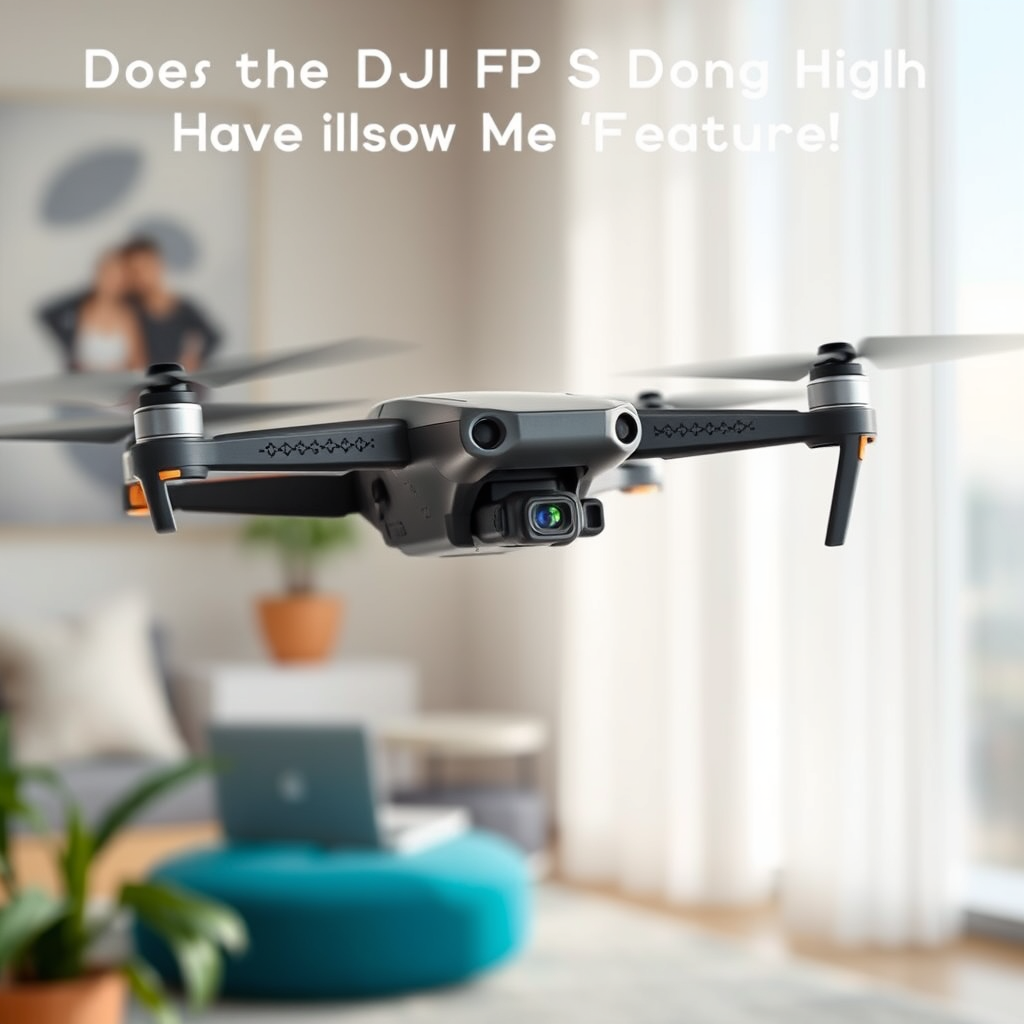
The DJI FPV drone does not have a dedicated “Follow Me” feature like some other DJI models. However, it offers advanced flight modes that can achieve similar results. Understanding the capabilities of the DJI FPV drone can help you utilize its features effectively for tracking and following subjects, even without automated tracking functionalities.
Overview of DJI FPV Drone Features
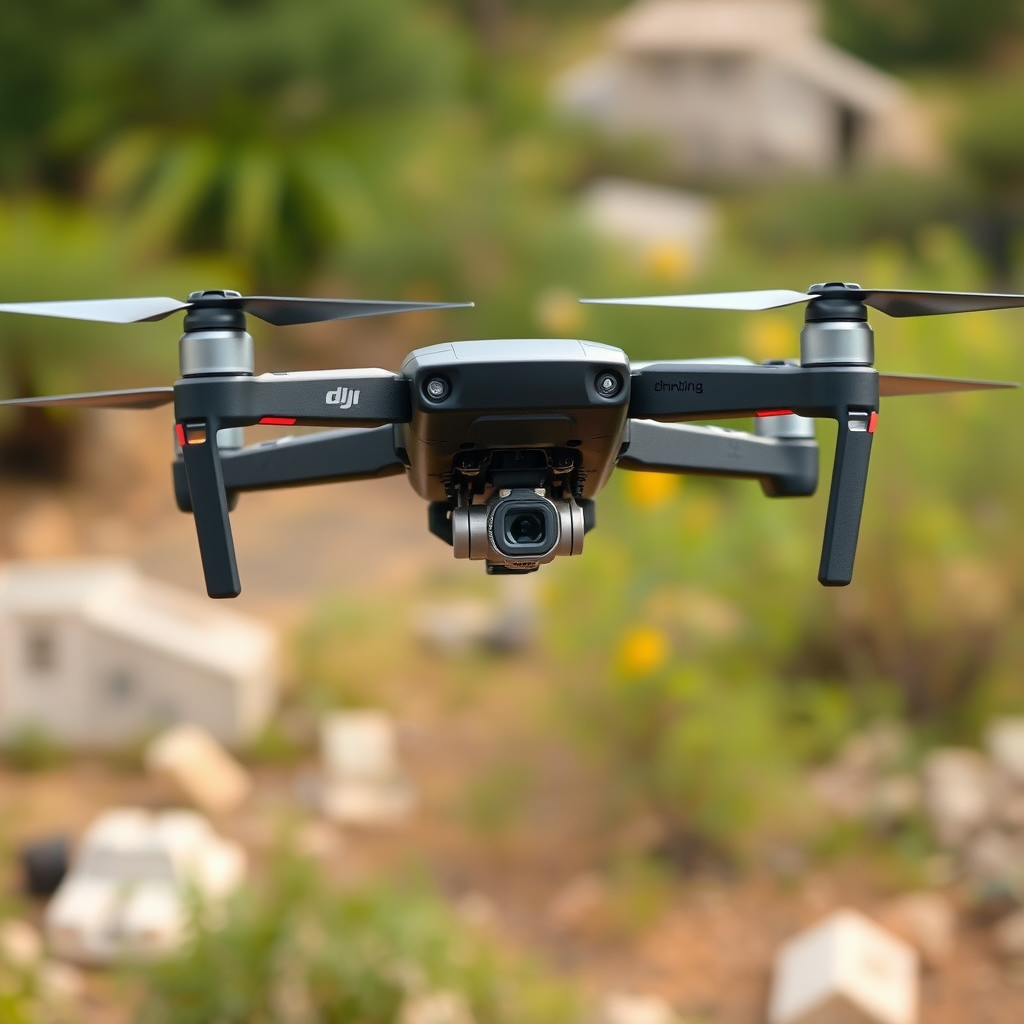
The DJI FPV drone is designed for immersive flying experiences and high-speed performance, making it a popular choice among enthusiasts and professionals alike. Its unique first-person view (FPV) system allows pilots to experience flight as if they are inside the drone, providing an exhilarating perspective. The drone is equipped with a 4K camera capable of shooting at 60 frames per second, ensuring high-quality aerial footage.
In terms of flight modes, the DJI FPV offers three distinct settings: Normal, Sport, and Manual modes. Normal mode provides a stable flying experience ideal for beginners, while Sport mode enhances speed and agility for more experienced pilots. Manual mode, on the other hand, offers full control over the drone’s capabilities, allowing skilled pilots to perform complex maneuvers. These modes collectively offer a versatile platform for various flying styles, although they do not include an automated “Follow Me” function.
Understanding Follow Me Functionality
“Follow Me” mode is a widely sought-after feature in many modern drones, allowing them to autonomously track and follow a subject using GPS and other sensors. This functionality is especially useful for capturing dynamic action shots or documenting outdoor activities like biking, hiking, or skiing. While many DJI models, such as the Mavic Air and the Phantom series, come equipped with this feature, the DJI FPV drone does not. Instead, it relies heavily on manual control and the piloting skills of the operator.
The absence of a “Follow Me” feature means that pilots must actively control the drone while tracking a subject. This dynamic can enhance the flying experience, as it allows for creative angles and personalized footage, but it also places additional responsibility on the pilot to maintain control and awareness of the surrounding environment.
Alternative Flight Modes for Tracking
While the DJI FPV drone lacks a dedicated “Follow Me” feature, its alternative flight modes can be adapted for effective tracking.
– Active Track: Although not available directly on the DJI FPV, similar functionalities can be found in other DJI drones that provide automated subject tracking. In contrast, the FPV model requires pilots to utilize their skills to maintain proximity to the subject.
– Manual Control: Experienced pilots can manually position the drone to follow subjects, leveraging the drone’s impressive speed and agility. By practicing precise control movements, pilots can achieve cinematic shots that follow the subject in a dynamic way. This method allows for greater creativity, as pilots can experiment with different angles and heights to capture unique perspectives.
Overall, while the lack of automated tracking may seem like a limitation, the potential for creative filming and the thrill of piloting can provide a rewarding experience.
Tips for Effective Tracking with DJI FPV
To maximize the effectiveness of tracking with the DJI FPV, here are some actionable tips:
1. Utilize Speed and Agility: The DJI FPV is known for its rapid response and nimbleness. Use this to your advantage to keep up with fast-moving subjects, such as athletes engaged in sports. Be mindful of the distance, as maintaining a close proximity can enhance the overall footage quality.
2. Practice Different Angles: Experimentation is key to great aerial footage. Try following subjects from different angles and altitudes—above, below, or at the side—to achieve dynamic shots that convey motion and excitement.
3. Plan Your Flight Path: Before taking off, visualizing the flight path can be beneficial. This pre-planning enables you to anticipate potential obstacles and ensures that you can maneuver effectively in real-time.
4. Use Head Tracking: If using the DJI FPV Goggles, take advantage of the head-tracking feature to align your camera view with your head movements. This can create a more immersive experience and help keep your subject in frame.
5. Practice Regularly: Like any skill, effective drone piloting requires practice. Regularly flying the DJI FPV will enhance your confidence and control, making it easier to track subjects over time.
Safety Considerations When Following Subjects
When using the DJI FPV drone for tracking, safety should always be a top priority. Here are some essential considerations:
– Maintain Visual Line of Sight: Always ensure you can see your drone while flying. This is not only a good practice for safety but is also required by many local regulations.
– Adhere to Local Regulations: Familiarize yourself with the laws governing drone flights in your region. Many areas have restrictions on flying near people or within certain distances of airports.
– Be Aware of Obstacles: Flying in environments with trees, buildings, or other structures can pose risks. Always be vigilant about your surroundings to avoid collisions.
– Assess Environmental Conditions: Wind, rain, and other weather conditions can affect drone performance. Ensure that you are flying in suitable conditions and avoid flying during adverse weather.
User Experiences and Feedback
User experiences with the DJI FPV drone highlight its responsiveness and agility, which are often praised by both beginners and seasoned pilots. However, many users note that this model presents a learning curve, particularly for those accustomed to drones with automated tracking features. Feedback from the community suggests that while the FPV drone can be challenging to master, it offers a rewarding experience once pilots become proficient in manual control.
Joining online communities, forums, and social media groups can provide valuable insights into effective tracking techniques and tips from experienced pilots. Engaging with fellow enthusiasts can also foster a sense of camaraderie and support as you navigate the intricacies of drone flying.
Future Updates and Features
As technology continues to evolve, it’s essential to stay informed about potential updates and enhancements from DJI. Firmware updates may introduce new features or improvements that could enhance the flying experience and expand the capabilities of the DJI FPV drone.
Additionally, community feedback often influences the development of future models. As user demands grow for more automated tracking functionalities, it is possible that DJI will consider incorporating a “Follow Me” feature in subsequent iterations of the FPV series. Keeping an eye on DJI announcements and participating in community discussions can provide insights into the future of this exciting technology.
In summary, while the DJI FPV drone lacks a specific “Follow Me” feature, it offers versatile flight modes that can be creatively utilized for tracking and following subjects. By practicing your piloting skills, adhering to safety guidelines, and staying engaged with the community, you can achieve impressive tracking results. For those specifically interested in automated tracking capabilities, exploring other DJI models that include this functionality may be worthwhile.
Frequently Asked Questions
Does the DJI FPV drone have a “Follow Me” mode?
The DJI FPV drone does not come with a dedicated “Follow Me” mode like some other DJI models. Instead, it offers advanced tracking features through its intelligent flight modes, such as “ActiveTrack” available on the Mavic series. However, users can utilize the drone’s manual flight capabilities to simulate a follow feature, allowing for creative filming while maintaining control.
How do I use tracking features on the DJI FPV drone?
While the DJI FPV drone lacks an automated “Follow Me” mode, you can achieve similar effects using its manual flight capabilities. By flying the drone in a way that captures your desired subject, you can use the FPV camera to track movement. Additionally, consider using third-party applications that offer enhanced tracking functionalities compatible with FPV drones.
Why doesn’t the DJI FPV drone have a “Follow Me” feature?
The absence of a “Follow Me” feature in the DJI FPV drone is primarily due to its design as a racing and immersive flying experience device. The focus is on pilot control and agility rather than automated tracking. This makes the drone ideal for fast-paced FPV racing and cinematic shots where the pilot wants to maintain a hands-on approach.
What are the best alternatives to the DJI FPV drone for “Follow Me” features?
If a “Follow Me” feature is essential for your aerial photography or videography needs, consider alternatives like the DJI Mavic Air 2 or the DJI Mini 2. Both models offer robust ActiveTrack capabilities, allowing the drone to autonomously follow a subject while capturing smooth footage. These drones are designed for ease of use and are excellent for capturing dynamic movements.
Can I install third-party apps for tracking with the DJI FPV drone?
While the DJI FPV drone does not support third-party apps for tracking features natively, you can explore various FPV flight control software that may offer enhanced capabilities. It’s crucial to ensure compatibility and understand the potential risks involved, as using non-DJI software can lead to instability or void your warranty. Always prioritize safety and check user reviews before proceeding with any third-party solutions.
References
- https://en.wikipedia.org/wiki/DJI_FPV
- Klobuchar calls on Congress to get serious on tech reform | The Verge
- https://www.techradar.com/news/dji-fpv-review
- https://www.cnet.com/reviews/dji-fpv-drone-review/
- DJI FPV Review: A powerful drone for serious pilots – Digital Trends
- DJI FPV review: This drone makes you feel like Superman | Tom’s Guide
