
The DJI FPV drone does not feature advanced obstacle avoidance systems like some of its counterparts. While it offers impressive flight capabilities and immersive FPV experiences, users should be aware that the drone requires manual piloting to navigate around obstacles effectively. This lack of automated obstacle detection means that pilots must be attentive and skilled in their maneuvering to avoid potential crashes. In this article, we will explore what the DJI FPV drone offers and how it handles obstacle avoidance.
Overview of DJI FPV Drone Features
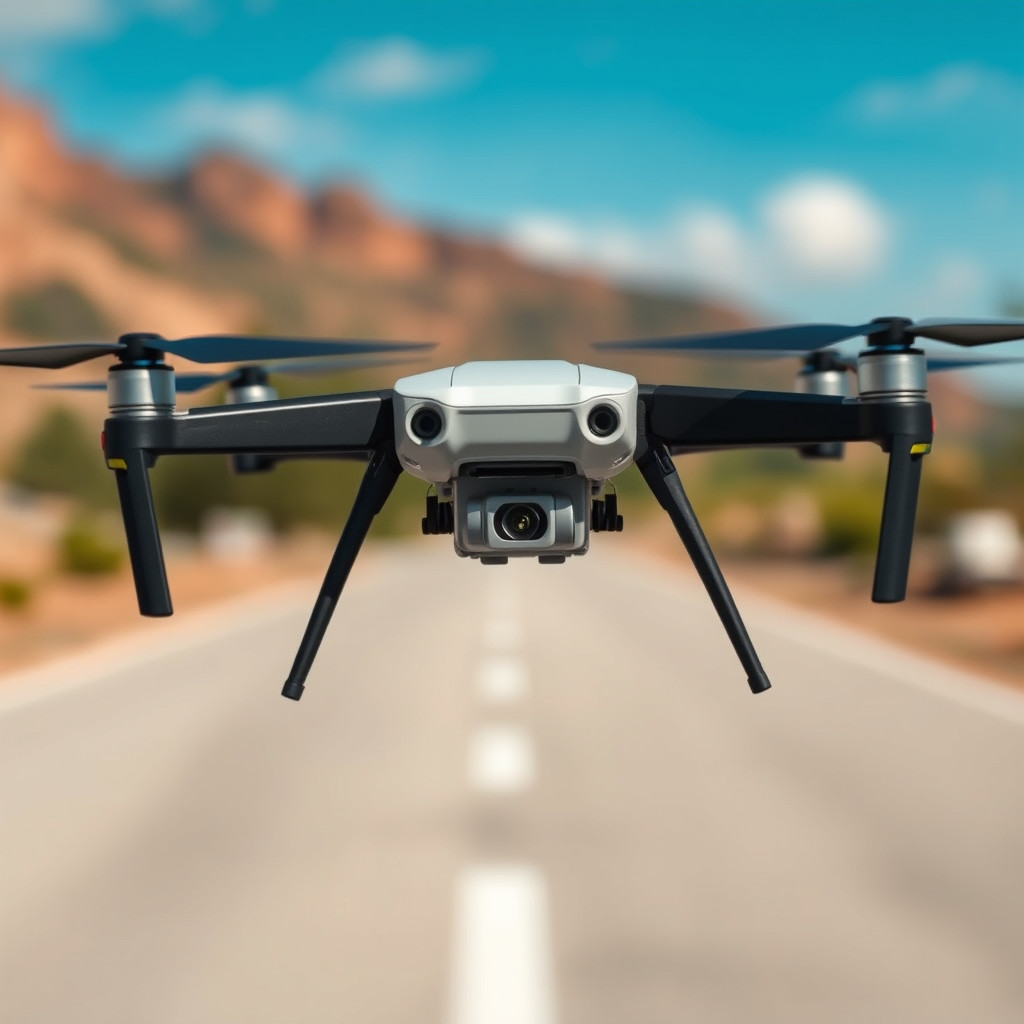
The DJI FPV drone is a unique offering that blends high-speed flight with an immersive first-person view experience. Engineered primarily for racing and freestyle flying, this drone emphasizes pilot control and responsiveness over automated features. Equipped with a powerful 4K camera capable of shooting at 60 frames per second, it enables users to capture stunning aerial footage while flying at speeds of up to 87 mph. The drone also features a robust design, ensuring durability during high-speed maneuvers and potential crashes.
The FPV system includes an advanced video transmission system, providing a seamless live view from the drone directly to the pilot’s goggles. This immediate feedback allows for an engaging experience, immersing the pilot in the flight. However, the focus on speed and agility means that certain features, such as obstacle avoidance, take a backseat. This design philosophy positions the DJI FPV as a tool for experienced pilots who enjoy the thrill of manual control and the challenge of navigating dynamic environments.
Understanding Obstacle Avoidance
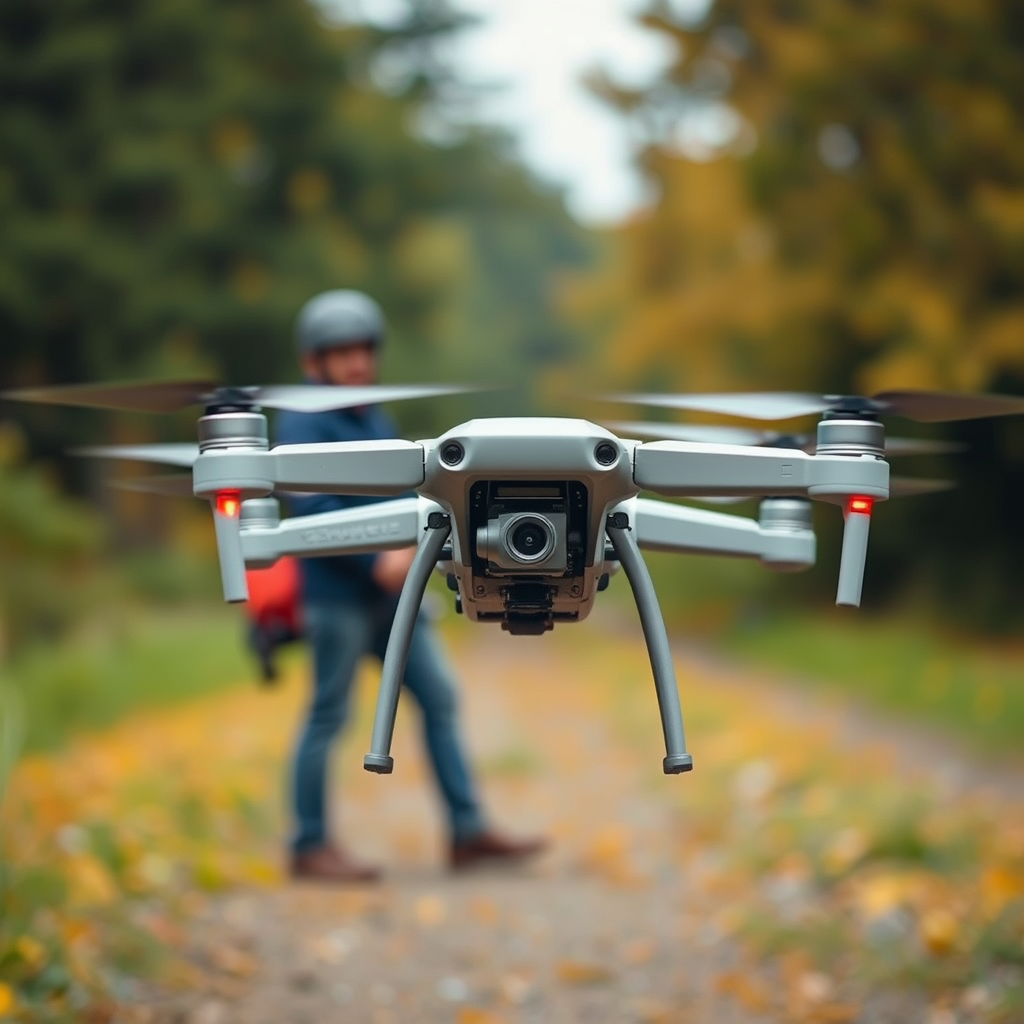
Obstacle avoidance technology has become a standard feature in many modern drones, especially those aimed at beginner users. Typically, this technology employs a variety of sensors—such as ultrasonic, infrared, or visual sensors—to detect obstacles in the drone’s flight path. When an obstacle is detected, the drone can either slow down, hover, or change its course to avert a collision. This capability enhances safety and allows novice pilots to focus more on enjoying the flying experience rather than constantly worrying about potential crashes.
In contrast, the DJI FPV drone operates without these advanced obstacle avoidance systems, making it essential for pilots to develop a keen awareness of their surroundings. This limitation not only enhances the challenge but also compels pilots to hone their flying skills. The absence of automated navigation means that users must rely heavily on their judgment and responsiveness to avoid obstacles, a critical consideration for those new to FPV flying.
DJI FPV Drone’s Navigation System
The DJI FPV drone utilizes a sophisticated navigation system that integrates GPS and visual positioning technology. GPS provides essential information regarding the drone’s location and altitude, enabling stable flight and reliable return-to-home functionalities. Visual positioning, on the other hand, uses downward-facing sensors to assist with hovering and landing, particularly in environments where GPS signals may be weak or absent.
However, while these systems stabilize flight, they do not equip the drone with the necessary sensing capabilities for automated obstacle avoidance. This means that although the drone can maintain its position and navigate effectively in open airspace, it lacks the ability to autonomously detect and navigate around obstacles such as trees, buildings, and other structures. Pilots must therefore cultivate situational awareness and manual piloting skills to successfully navigate through complex environments.
Pilot Responsibilities
With the absence of automated obstacle avoidance features, the responsibility falls squarely on the pilot to navigate around obstacles during flight. This requires a proactive approach to flying, where pilots must constantly scan their environment and anticipate potential hazards. Understanding the drone’s capabilities is pivotal in preventing crashes and ensuring safe operation.
Pilots should familiarize themselves with the DJI FPV’s flight characteristics, including its speed and maneuverability. Practicing in open areas allows pilots to build their skills and confidence before tackling more challenging environments. Additionally, staying updated with best practices in FPV flying, such as maintaining a safe distance from obstacles and practicing emergency maneuvers, can significantly enhance safety and flying enjoyment.
Comparison with Other DJI Models
When comparing the DJI FPV drone with other models in the DJI lineup, such as the Mavic series, it becomes evident that they serve different purposes and target audiences. The Mavic series, known for its compact design and advanced features, incorporates sophisticated obstacle avoidance systems that utilize forward, backward, and downward sensors to detect and circumvent obstacles. This makes the Mavic series highly suitable for beginners and casual users who may not have extensive flying experience.
In contrast, the FPV drone prioritizes speed and agility, catering to experienced pilots who seek the thrill of manual control. Those interested in racing or freestyle flying will find the FPV drone more appealing, while those who prefer a more automated flying experience may gravitate towards the Mavic series. Evaluating these differences is crucial for potential buyers, as it enables them to choose the right drone that aligns with their flying style and skill level.
Tips for Safe Flying Without Obstacle Avoidance
To safely operate the DJI FPV drone without obstacle avoidance features, pilots should adhere to several practical tips:
1. Maintain Line of Sight: Keeping the drone within visual range is essential for managing obstacles effectively. This ensures that pilots can react quickly to any potential hazards.
2. Practice in Open Areas: Before attempting to fly in more complex environments, pilots should practice in wide-open spaces where they can develop their skills without the risk of collisions.
3. Familiarize with Controls: Understanding the drone’s controls and responsiveness will allow pilots to make quick adjustments during flight, especially when navigating around obstacles.
4. Plan Your Flight Path: Before taking off, it’s beneficial to survey the area and plan a flight path that avoids known obstacles. This pre-flight planning can help mitigate risks during the flight.
5. Use Simulation Software: Many FPV enthusiasts use simulation software to practice flying techniques in a virtual environment. This can help improve skills and reaction times without the risk of damaging the drone.
By following these tips, pilots can enhance their flying experience while minimizing the risks associated with operating a drone that lacks obstacle avoidance capabilities.
The DJI FPV drone lacks sophisticated obstacle avoidance systems, placing the responsibility on the pilot for navigation. Understanding its features and limitations is crucial for safe and enjoyable flying experiences. For those interested in FPV flying, investing time in practice and skill development will ensure a better experience. Consider joining FPV communities for tips and support, and always fly safely!
Frequently Asked Questions
Does the DJI FPV drone come with obstacle avoidance features?
The DJI FPV drone does not have traditional obstacle avoidance sensors like some of DJI’s other models such as the Mavic series. Instead, it offers a first-person view (FPV) flying experience that requires pilots to rely on their skills to navigate around obstacles. While it does include some safety features, such as a return-to-home function, pilots should exercise caution and be aware of their surroundings while flying.
How can I fly the DJI FPV drone safely without obstacle avoidance?
To fly the DJI FPV drone safely without built-in obstacle avoidance, it is essential to practice good piloting habits. Familiarize yourself with the drone’s flight controls and practice in open areas to enhance your spatial awareness. Additionally, always maintain a visual line of sight and use the drone’s camera and goggles to judge distances accurately, which helps in avoiding obstacles during flight.
What are the best practices for avoiding obstacles when flying the DJI FPV drone?
The best practices for avoiding obstacles when flying the DJI FPV drone include maintaining a safe altitude to avoid ground-level obstructions and flying in clear, open spaces whenever possible. Use manual flight modes to increase control and responsiveness, and always perform a pre-flight check to ensure that your drone and controller are functioning correctly. Lastly, consider using visual aids or markers in your flying area to help gauge distances and obstacles.
Why doesn’t the DJI FPV drone have advanced obstacle avoidance technology?
The DJI FPV drone prioritizes speed, agility, and an immersive flying experience over advanced obstacle avoidance technology. As an FPV racing drone, it is designed for experienced pilots who value manual control and the thrill of fast-paced flying. This design choice allows for more maneuverability, enabling pilots to navigate complex environments that may not be compatible with traditional obstacle avoidance systems.
Which DJI drones offer obstacle avoidance features for safer flying?
Several DJI drones are equipped with obstacle avoidance features, including the DJI Mavic Air 2, Mavic 2 Pro, and the Phantom 4 series. These models are equipped with multiple sensors that detect obstacles in various directions, helping to prevent collisions during flight. For those seeking a safer flying experience with automated obstacle detection and avoidance, these models are highly recommended over the DJI FPV drone.
References
- https://en.wikipedia.org/wiki/DJI_FPV
- https://www.theverge.com/2021/3/2/22308366/dji-fpv-drone-release-date-price-specs-features
- https://www.techradar.com/reviews/dji-fpv-drone-review
- https://www.cnet.com/tech/what-is-the-dji-fpv-drone-and-how-does-it-work/
- DJI Digital FPV System – DJI
- https://www.pcmag.com/reviews/dji-fpv-drone
