
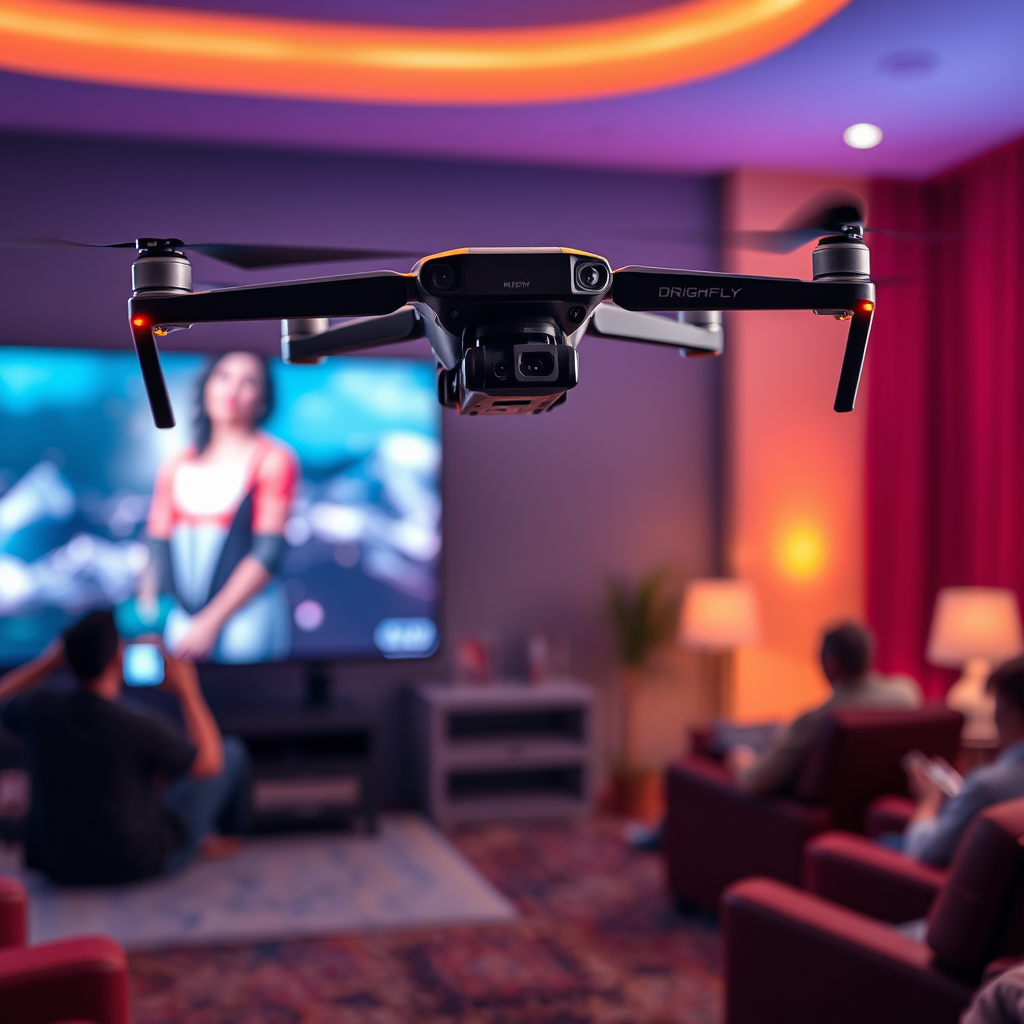
When comparing the Draganfly Commander 2 and the Anzu Raptor T, the key distinction lies in their operational range and compliance with safety standards. The Commander 2 offers a robust 5km First Person View (FPV) experience ideal for hobbyists, while the Anzu Raptor T’s impressive 7km range and adherence to NDAA regulations make it a top choice for government and military applications. This article delves into the specifics of both drones, providing a comprehensive analysis to assist you in making an informed decision based on your unique needs.
Overview of the Draganfly Commander 2
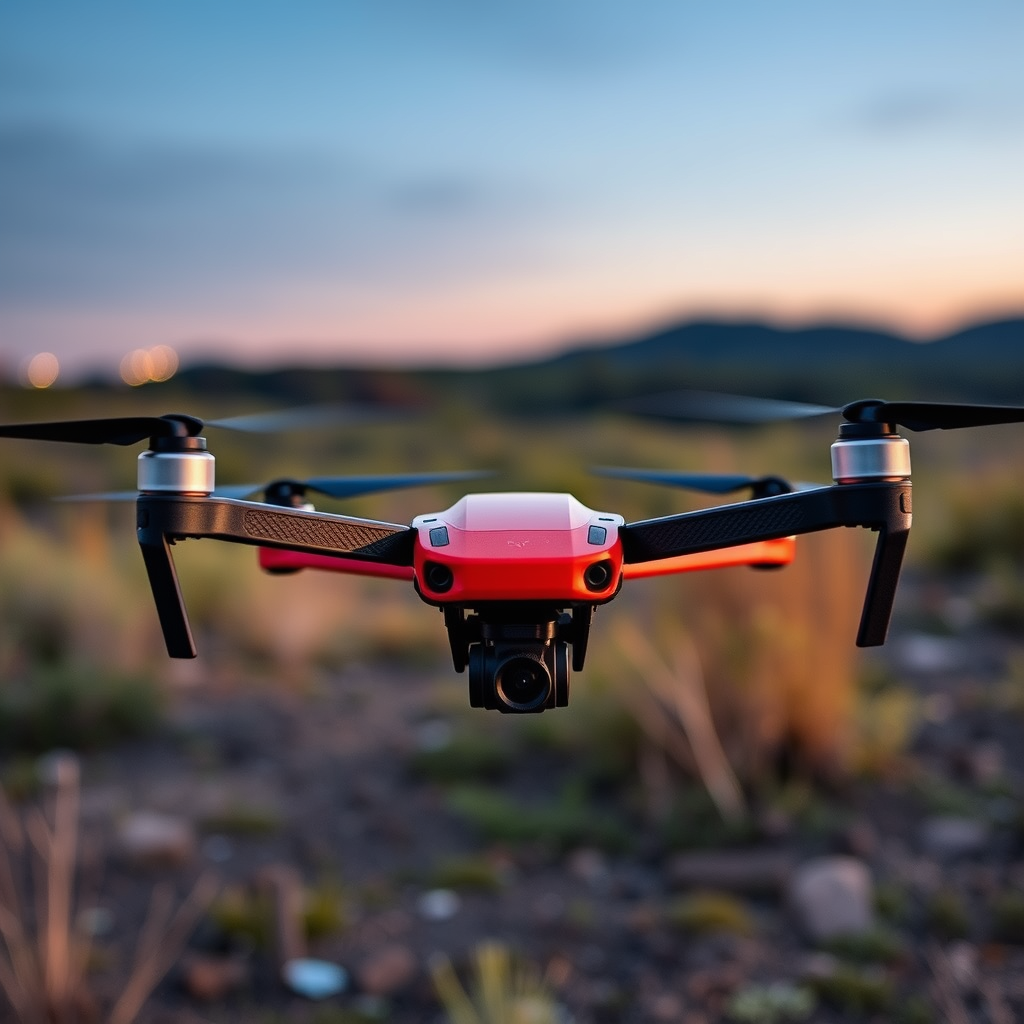
The Draganfly Commander 2 is designed to deliver an exceptional 5km FPV experience, offering users real-time flight control and immersive visuals. Equipped with a high-definition camera that boasts 4K video capabilities, this drone provides stunning imagery, making it perfect for aerial photography, videography, and recreational flying. Its impressive battery life, typically lasting around 30 to 40 minutes, ensures extended flight sessions, allowing users to explore vast areas without frequent recharges.
Ideal use cases for the Commander 2 range from hobbyist applications to commercial endeavors, such as surveying, real estate marketing, and film production. Its user-friendly interface and intuitive controls make it accessible for beginners while still offering advanced features that experienced pilots appreciate. Furthermore, the drone’s lightweight design and compact build enhance its portability, making it easy to transport to various locations.
Overview of the Anzu Raptor T
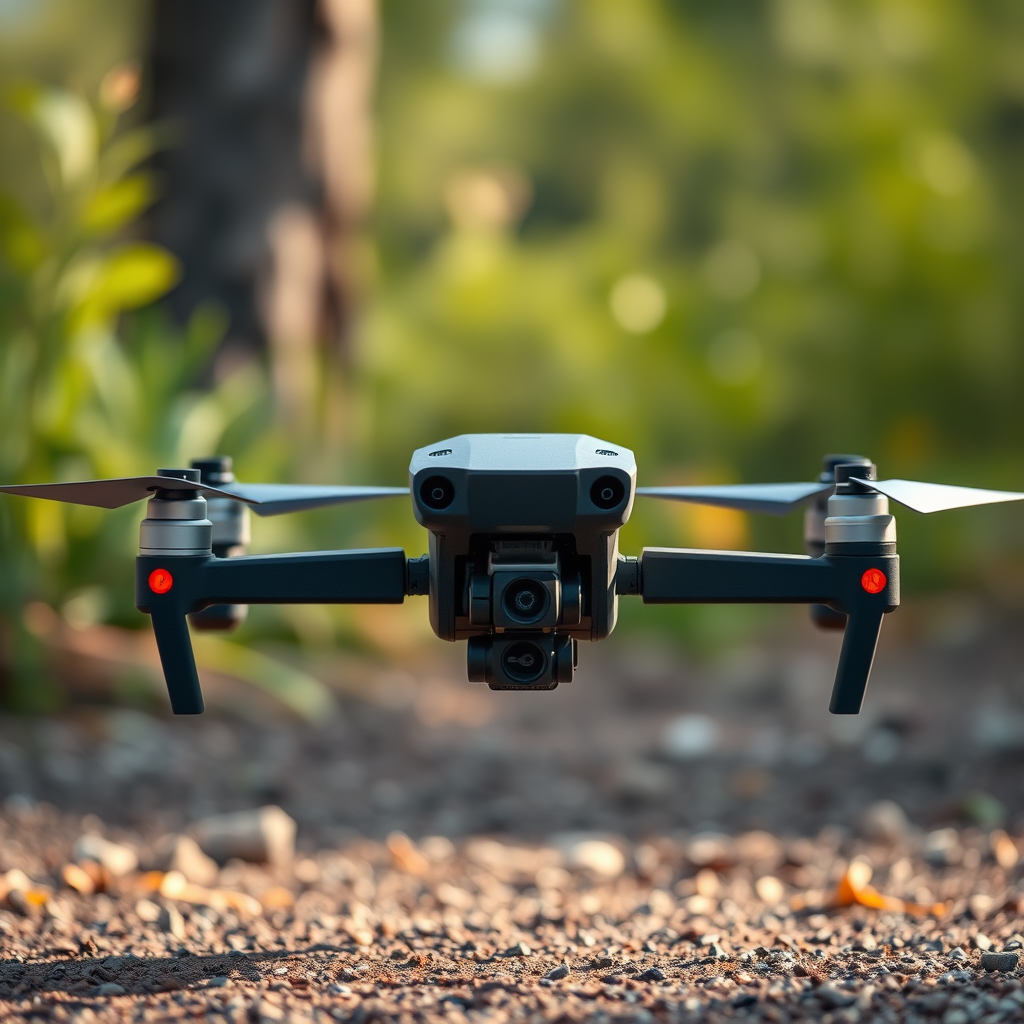
In contrast, the Anzu Raptor T shines with its remarkable 7km operational range and compliance with the National Defense Authorization Act (NDAA), which ensures it meets stringent safety and security standards. This drone is particularly suited for government and military operations, where adherence to compliance regulations is critical. The Raptor T is equipped with advanced sensors and stabilization technologies, providing smooth flight characteristics even in challenging environments.
Notable specifications include a robust payload capacity that allows for the attachment of various sensors, cameras, or equipment, making it versatile for different missions. The Raptor T’s flight stability is enhanced by its sophisticated autopilot system, which allows for automated flight paths and precision landings. This drone is designed to operate in diverse settings, including urban areas, rural landscapes, and even complex terrains, making it a reliable choice for professionals in various fields.
Performance Comparison
When evaluating the performance of the Draganfly Commander 2 and the Anzu Raptor T, several factors come into play. The Commander 2 excels in speed and agility, allowing for quick maneuvers and dynamic flight patterns, which are particularly important for capturing fast-moving subjects in FPV mode. User feedback highlights its ability to perform well in various weather conditions, though strong winds can impact its stability.
Conversely, the Anzu Raptor T, while not as nimble as the Commander 2, compensates with longer flight times and enhanced durability. Users report impressive battery life, often exceeding the Commander 2, with some flights lasting up to 50 minutes depending on payload and environmental conditions. Both drones have earned positive reviews, yet the Raptor T’s extended range and reliability in critical applications give it an edge in performance metrics relevant to professional use.
Safety and Compliance
Safety and compliance are paramount considerations in drone operations, particularly for users in regulated industries. The Anzu Raptor T’s NDAA compliance means it is manufactured using components that do not pose national security risks, a critical requirement for government entities. This compliance not only assures buyers of the drone’s safety but also facilitates its use in sensitive operations without legal concerns.
The Draganfly Commander 2, while not NDAA compliant, incorporates several safety features, such as obstacle avoidance sensors and automatic return-to-home functionality, which enhance user safety and reduce the risk of accidents. These features are particularly valuable for hobbyists who may be less experienced in navigation and drone operation. Both drones are equipped with fail-safe mechanisms, but the Raptor T’s compliance may influence purchasing decisions for organizations prioritizing adherence to regulations.
Pricing and Value
Price is a significant factor when deciding between the Draganfly Commander 2 and the Anzu Raptor T. The Commander 2 is typically priced lower, making it more accessible for hobbyists and small businesses seeking high-quality aerial footage without a substantial investment. In contrast, the Anzu Raptor T commands a higher price point due to its advanced features and compliance certifications, which are essential for government and military applications.
When analyzing cost versus features, potential buyers should consider their specific use cases. For those primarily interested in recreational flying or non-regulated commercial applications, the Commander 2 offers excellent value. However, for organizations that require compliance and advanced operational capabilities, the investment in the Anzu Raptor T may yield greater long-term benefits, particularly in enhancing operational efficiency and adhering to legal standards.
User Experience and Feedback
User experiences and feedback provide valuable insights into the practical performance of the Draganfly Commander 2 and Anzu Raptor T. Users of the Commander 2 often praise its intuitive operation and high-quality camera, highlighting its suitability for both novice and experienced pilots. Common issues include occasional connectivity drops at the outer edges of its 5km range, which can be problematic for long-distance flyers.
On the other hand, the Anzu Raptor T receives accolades for its reliability and impressive flight stability, especially during extended missions. Users report satisfaction with its payload flexibility and the ability to customize the drone for various applications. Some critiques mention its steeper learning curve due to its advanced features, but many agree that the investment in time is worthwhile given the drone’s capabilities.
Final Thoughts on Choosing the Right Drone
Selecting between the Draganfly Commander 2 and the Anzu Raptor T ultimately depends on your specific needs and operational requirements. If you are a hobbyist or a small business looking for a user-friendly drone with excellent FPV capabilities, the Commander 2 may be the ideal choice. Conversely, if you are involved in government or military operations where compliance and extended range are paramount, the Anzu Raptor T stands out as a superior option.
Ultimately, consider testing both drones where possible to assess their performance firsthand. Aligning your choice with your primary use case—whether it be recreational flying, commercial applications, or sensitive governmental operations—will ensure that you invest in a drone that meets your expectations and enhances your flying experience.
Frequently Asked Questions
What are the key differences between the Draganfly Commander 2 and the Anzu Raptor T in terms of range and specifications?
The Draganfly Commander 2 offers a 5km First Person View (FPV) transmission range, while the Anzu Raptor T boasts an impressive 7km range, making it suitable for longer-distance operations. In terms of specifications, the Commander 2 is designed for multi-role missions with advanced payload capabilities, whereas the Raptor T emphasizes NDAA compliance and enhanced safety features, appealing to government and military users. Understanding these distinctions can help users choose the right drone based on their operational needs.
How does NDAA compliance affect the choice between the Draganfly Commander 2 and Anzu Raptor T?
NDAA compliance is crucial for government and military applications, as it ensures the drone adheres to national security regulations. The Anzu Raptor T is specifically designed to meet these guidelines, making it a safer choice for those in sensitive sectors. In contrast, while the Draganfly Commander 2 offers advanced features, it may not exclusively cater to NDAA requirements, which could limit its usability in certain governmental contexts.
Why is the FPV range important when comparing the Draganfly Commander 2 and Anzu Raptor T?
FPV range is vital as it determines how far you can operate the drone while receiving real-time video feed. The 5km range of the Draganfly Commander 2 is suitable for many commercial applications, whereas the 7km range of the Anzu Raptor T offers greater flexibility for long-range operations, especially in search-and-rescue missions or extensive surveying tasks. A longer FPV range can enhance operational efficiency and situational awareness for drone operators.
Which drone is better for commercial use: Draganfly Commander 2 or Anzu Raptor T?
The choice between the Draganfly Commander 2 and Anzu Raptor T for commercial use largely depends on the specific needs of the operation. The Commander 2, with its versatile payload options and robust design, is ideal for various industries such as agriculture and infrastructure inspection. However, if compliance with NDAA regulations is a priority, the Anzu Raptor T may be the better choice, especially for users in defense or governmental sectors requiring high levels of security and safety.
How do the safety features of the Draganfly Commander 2 compare to those of the Anzu Raptor T?
The Draganfly Commander 2 incorporates safety features such as automated flight modes and obstacle avoidance systems, which enhance its operational reliability. In contrast, the Anzu Raptor T places a strong emphasis on safety that aligns with NDAA standards, including built-in fail-safes and secure communication protocols. For users prioritizing safety in potentially sensitive environments, the Anzu Raptor T may offer greater peace of mind, while the Commander 2 remains a solid choice for general commercial use.
References
- https://en.wikipedia.org/wiki/Comparison_of_multirotor_drones
- https://www.nytimes.com/2021/05/27/science/drones-safety.html
- https://www.reuters.com/technology/drone-technology-2023-06-14/
- https://www.darpa.mil/work-with-us/faq/drone-technology
- https://www.nasa.gov/mission_pages/aircraft/technology/drones.html
- https://www.theguardian.com/technology/2022/jun/10/drones-us-military-usage-issues
- https://www.nist.gov/news-events/news/2020/07/nist-standards-help-drone-technology-advance-safely
- Unmanned Aircraft Systems (UAS) | Federal Aviation Administration
- https://www.ncbi.nlm.nih.gov/pmc/articles/PMC7907807/
