
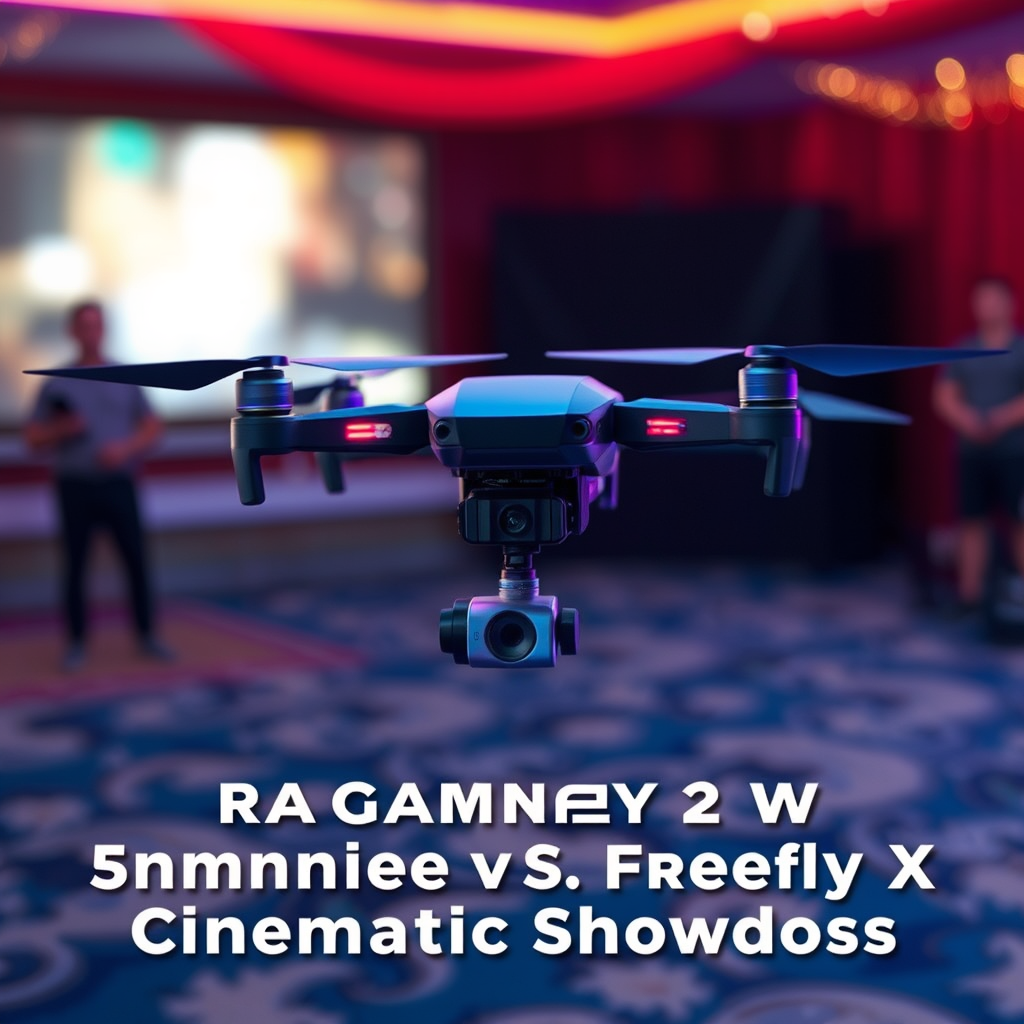
When it comes to selecting the right drone for aerial cinematography, the Draganfly Commander 2 and the Freefly Alta X stand out as two leading contenders. The Draganfly Commander 2 excels in advanced FPV capabilities and robust safety features, while the Freefly Alta X is renowned for its high payload capacity and exceptional flight stability. This article delves into their strengths and weaknesses regarding their 5km FPV and 5km radio safety capabilities, providing insights to help you choose the best option for your cinematography needs.
Overview of the Draganfly Commander 2
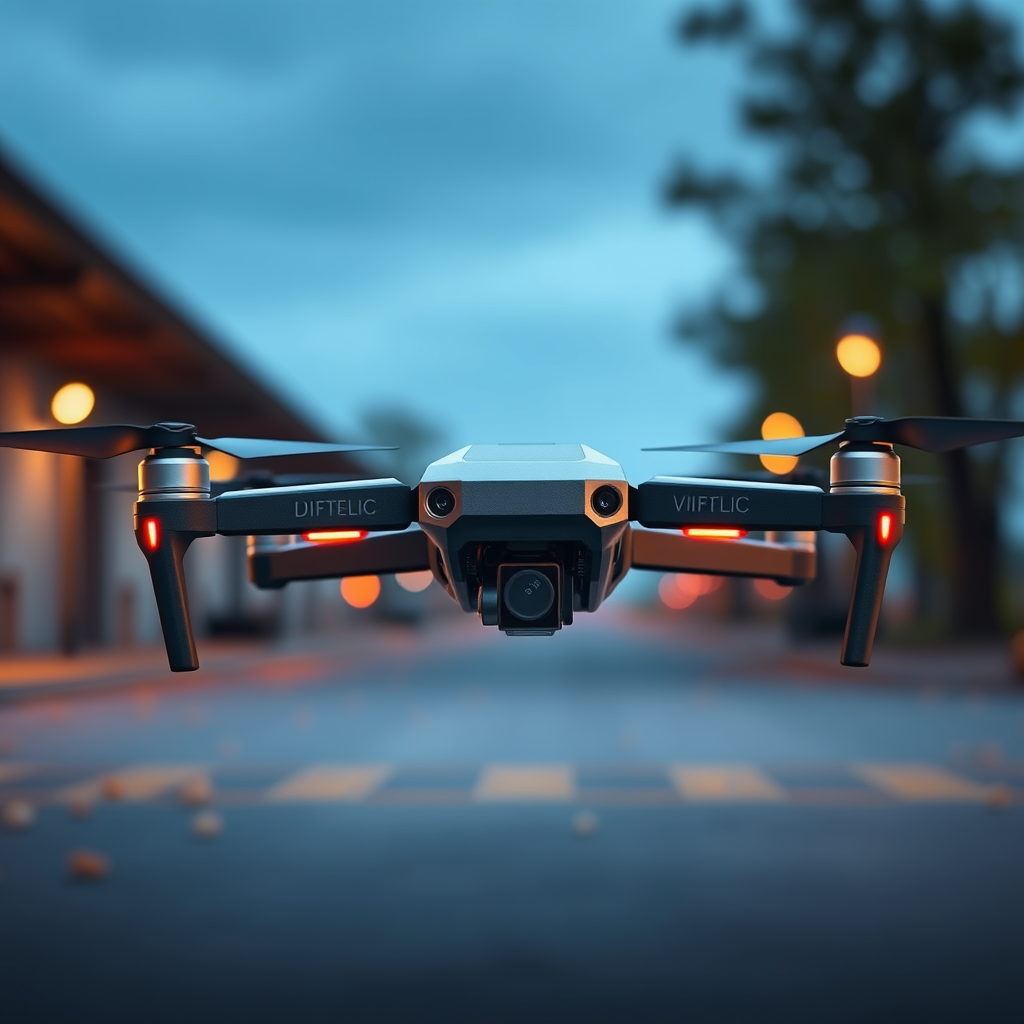
The Draganfly Commander 2 is engineered with a focus on enhancing pilot control through its advanced FPV capabilities. This drone features a high-definition video transmission system that allows operators to experience real-time 5km FPV, which is crucial for maintaining precise navigation and situational awareness during flight. The Commander 2 is equipped with a range of safety features, including redundant systems and advanced telemetry, which ensure reliable operation even in complex environments. These features make it an appealing option for filmmakers seeking a dependable drone that can handle various filming scenarios while prioritizing safety.
Overview of the Freefly Alta X
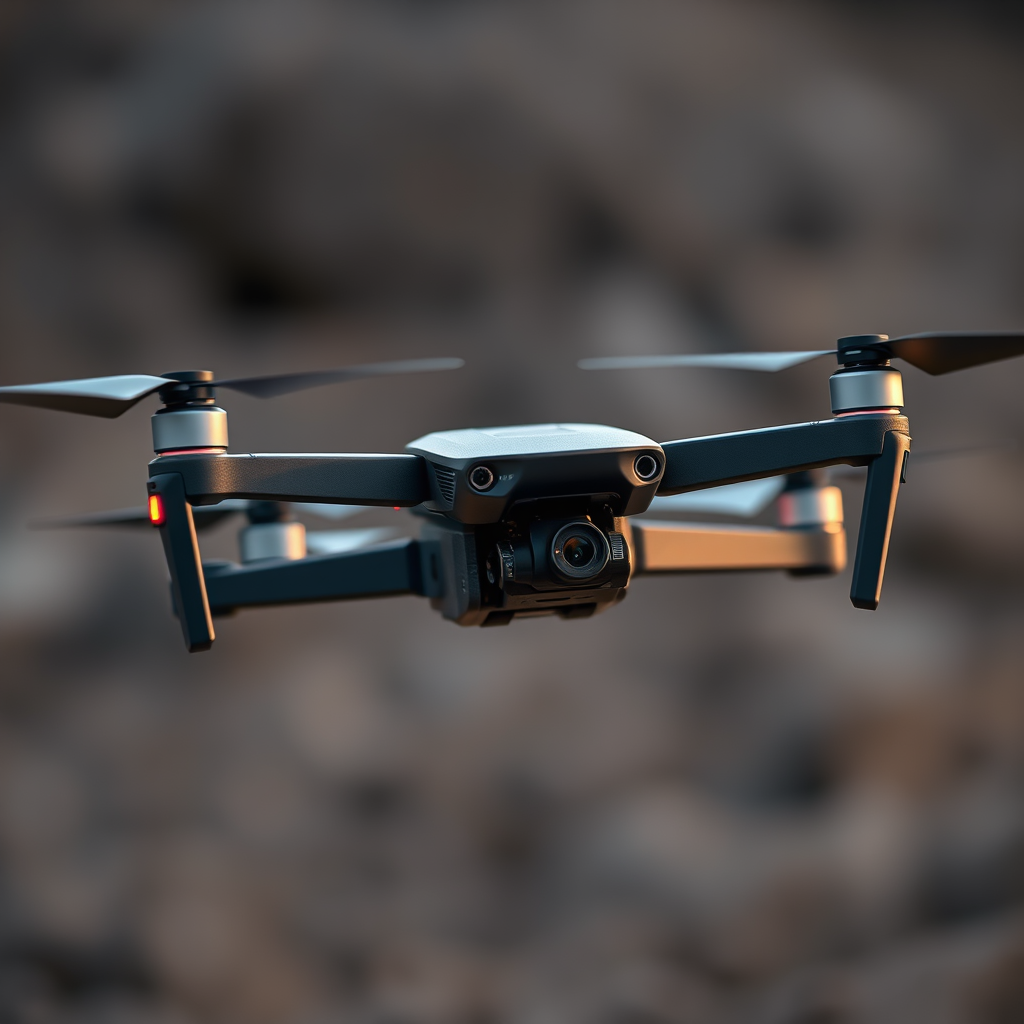
The Freefly Alta X is designed with a heavy-lift capability, making it ideal for filmmakers who require the use of larger camera setups. With a maximum payload capacity of up to 15 pounds, the Alta X can accommodate professional cinema cameras, gimbals, and other accessories, allowing for creative flexibility in capturing high-quality footage. Its flight stability is unmatched, even in challenging weather conditions, providing a smooth platform for filming. The Alta X is built with robust engineering that enhances its performance, making it a favorite among professionals who prioritize quality and reliability in their aerial cinematography.
FPV Capabilities: Draganfly Commander 2 vs. Freefly Alta X
When examining FPV capabilities, the Draganfly Commander 2 shines with its real-time 5km FPV system. This feature is invaluable for pilots needing precise navigation and control, particularly in intricate filming environments. The drone’s FPV system ensures that operators receive a clear and stable video feed, allowing them to make informed decisions during flight. In contrast, the Freefly Alta X offers a solid FPV system but emphasizes overall flight performance over maximum range. While its FPV capabilities are effective, they may not match the precision and clarity provided by the Commander 2. For filmmakers focused on FPV as a critical aspect of their shooting style, the Draganfly Commander 2 is likely the superior choice.
Radio Safety Features: A Comparative Analysis
Safety is paramount when operating drones, especially in cinematic settings where complex maneuvers are common. The Draganfly Commander 2 includes advanced telemetry and safety protocols, ensuring secure operation even in challenging conditions. With features like automatic return-to-home and obstacle avoidance, it minimizes the risk of accidents, allowing operators to concentrate on capturing stunning footage without compromising safety. On the other hand, the Freefly Alta X incorporates fail-safe features that guarantee safe landings in the event of a signal loss. This includes a programmable return-to-home function and a descent protocol that ensures a controlled landing. While both drones excel in safety, the Draganfly Commander 2’s comprehensive telemetry system may offer an edge for those prioritizing operational security.
Cinematic Performance: Which Drone Excels?
In terms of cinematic performance, both drones have their unique strengths tailored to different filmmaking styles. The Draganfly Commander 2 is optimized for smooth, cinematic shots thanks to its specialized gimbal system, which effectively stabilizes camera movements and minimizes vibrations. This allows filmmakers to achieve stunning visual narratives with a high degree of professionalism. Conversely, the Freefly Alta X is designed to deliver high-quality footage, particularly in fast-paced shooting scenarios. Its robust build and payload capacity enable it to carry heavier cameras and accessories, which can enhance the overall production value of the footage captured. Ultimately, the choice between these two drones will depend on the specific requirements of the project and the filming style preferred by the cinematographer.
User Experience and Ease of Use
User experience can significantly influence the effectiveness of a drone in a cinematography context. The Draganfly Commander 2 is frequently praised for its intuitive controls and user-friendly interface, making it accessible for both novice and experienced pilots. The straightforward design allows operators to focus more on their creative vision rather than being bogged down by complex controls. In contrast, while the Freefly Alta X is undeniably powerful, it may require a steeper learning curve to fully leverage its capabilities. This complexity can be daunting for new users, making practice and experience essential for optimal performance. Therefore, for those prioritizing ease of use, the Draganfly Commander 2 may be the more favorable option.
Price and Value Comparison
When evaluating price and value, the Draganfly Commander 2 is competitively priced relative to its features, appealing particularly to serious filmmakers who seek advanced capabilities without excessive financial investment. Its combination of FPV technology, safety features, and cinematic performance makes it an attractive option for those looking to enhance their production quality. On the other hand, the Freefly Alta X may come with a higher upfront cost, reflecting its advanced engineering and high payload capacity. However, for professionals requiring a dependable drone for heavy-lift cinematography, the investment may be justified by the exceptional value it offers in terms of performance and quality. Assessing the specific needs of your projects can help determine which drone provides the best return on investment.
The Draganfly Commander 2 and Freefly Alta X each present distinct advantages, making them suitable for different types of aerial cinematography. The choice ultimately depends on your specific needs, whether you prioritize FPV capabilities, safety features, or cinematic performance. For those looking to invest in a drone, consider testing both models to see which aligns best with your creative vision and operational requirements. By understanding the strengths and weaknesses of each drone, you can make an informed decision that enhances your filmmaking experience.
Frequently Asked Questions
What are the key differences between the Draganfly Commander 2 and Freefly Alta X in terms of flight capabilities?
The Draganfly Commander 2 and Freefly Alta X are both high-performance drones, but they cater to different needs. The Commander 2 offers 5km FPV (First Person View) capabilities, making it ideal for real-time aerial monitoring and piloting. In contrast, the Alta X emphasizes safety with its 5km radio control range, which is crucial for cinematic applications that require a stable connection and reliability over longer distances. Understanding these differences can help you choose the best drone for your specific use case.
How does the payload capacity of the Draganfly Commander 2 compare to the Freefly Alta X?
The payload capacity is a significant factor when choosing between these two drones. The Freefly Alta X can carry a heavier payload, accommodating various camera systems and equipment for professional cinematography. In comparison, while the Draganfly Commander 2 has a decent payload capacity, it typically supports lighter camera setups, making it more suitable for applications that prioritize agility over heavy lifting. Assessing your payload needs will guide your decision based on the type of filming or surveying you plan to do.
Why is the 5km FPV feature of the Draganfly Commander 2 beneficial for drone operators?
The 5km FPV feature of the Draganfly Commander 2 is valuable because it allows operators to experience real-time video feedback from the drone, enhancing situational awareness and control during flight. This is particularly advantageous for tasks like search and rescue or agricultural monitoring, where immediate visual feedback can inform quick decision-making. Additionally, the long-range FPV capability supports more extensive coverage areas, enabling drone operators to capture high-quality footage without the constraints of proximity.
Which drone is better for cinematic work, the Draganfly Commander 2 or the Freefly Alta X?
For cinematic work, the Freefly Alta X is generally considered the superior choice due to its robust build, higher payload capacity, and compatibility with high-end camera systems. Its emphasis on radio safety ensures a stable connection, which is critical for capturing cinematic shots without interruptions. While the Draganfly Commander 2 has its advantages, particularly in FPV applications, the Alta X’s features are tailored for filmmakers who require reliability and versatility in demanding environments.
How do the safety features of the Draganfly Commander 2 and Freefly Alta X compare?
Safety features are crucial when evaluating the Draganfly Commander 2 and Freefly Alta X. The Alta X includes advanced safety protocols, such as dual redundancies and a robust return-to-home feature, enhancing its reliability during cinematic flights. On the other hand, the Commander 2 focuses on FPV safety enhancements, which are beneficial for real-time navigation but may lack the comprehensive fail-safes found in the Alta X. Operators should assess their specific safety needs and use cases when choosing between these two drones.
References
- Drone
- https://www.reuters.com/technology/drone-technology-2021-07-15/
- drones | TechCrunch
- Drones | Latest News, Photos & Videos | WIRED
- https://www.nytimes.com/2022/02/23/technology/drones.html
- https://www.nasa.gov/mission_pages/drones/index.html
- Unmanned Aircraft Systems (UAS) | Federal Aviation Administration
- https://www.aaai.org/ocs/index.php/AIIDE/AIIDE16/paper/view/14299
