

The Draganfly Commander 2 and Wingtra One are both exceptional drones designed for safety mapping, each tailored to specific operational needs. While the Commander 2 excels in providing a 5km First Person View (FPV) range for real-time aerial monitoring, the Wingtra One offers a superior 10km Long-Term Evolution (LTE) capability for expansive coverage and efficient data transmission. This article compares the two drones, examining their features and specifications to help you determine which model best suits your mapping requirements.
Overview of the Drones
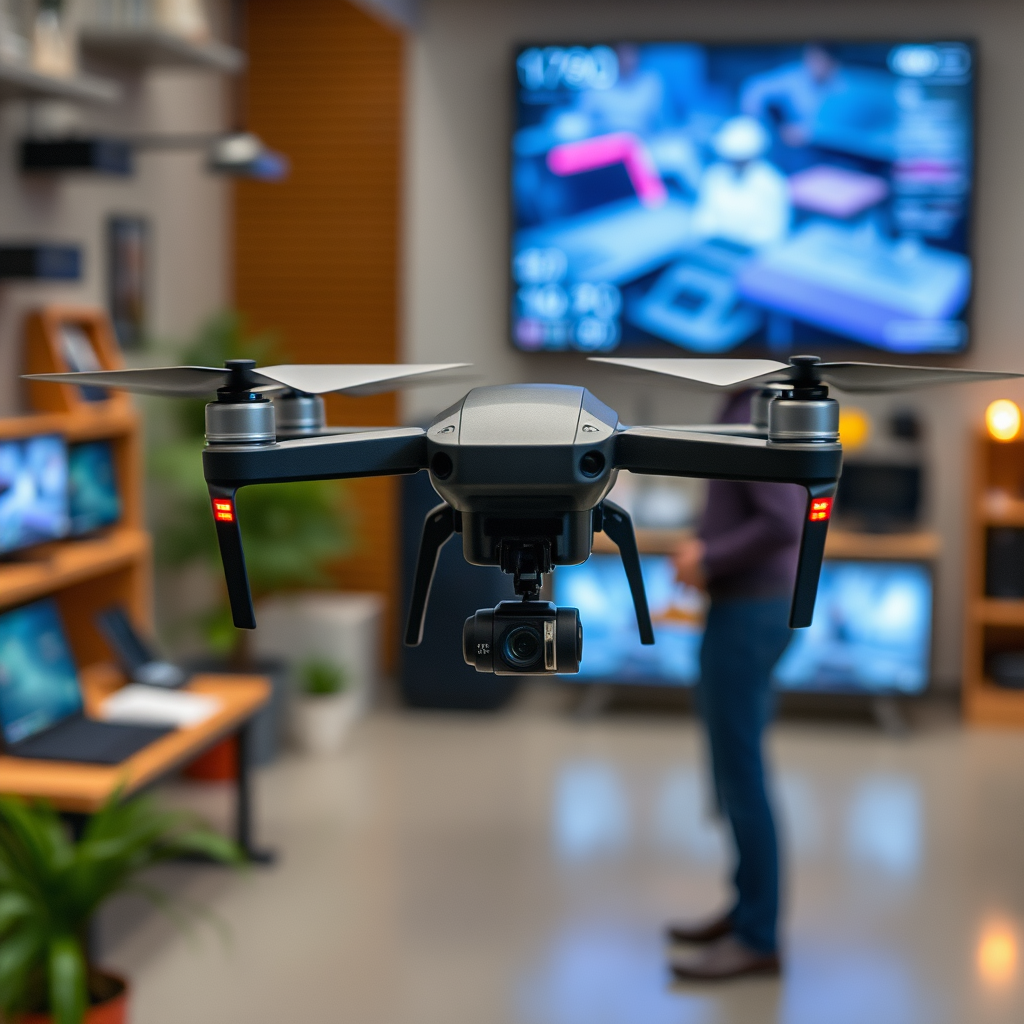
Draganfly Commander 2: Features, specifications, and intended applications.
The Draganfly Commander 2 is engineered for versatility and performance in various mapping scenarios. It features a robust design that can withstand challenging environmental conditions, making it suitable for tasks ranging from agricultural monitoring to search and rescue operations. Equipped with advanced imaging technology, including high-resolution cameras and thermal sensors, the Commander 2 allows users to capture detailed aerial data. Its modular design supports various payload configurations, enhancing its adaptability for specialized applications. The drone has a maximum flight time of approximately 50 minutes, allowing for extensive coverage of areas without the need for frequent recharging.
Wingtra One: Key attributes, specifications, and its use cases in mapping.
The Wingtra One is specifically designed for mapping and surveying large areas efficiently. Its unique vertical takeoff and landing (VTOL) capability allows it to operate in tight spaces while being able to transition to fixed-wing flight for longer distances. This drone features a 42 MP camera that captures highly detailed images suitable for creating accurate 3D maps and models. It has a flight time of up to 59 minutes, enabling it to cover expansive regions effectively. The Wingtra One is particularly favored in industries such as construction, mining, and environmental monitoring, where large-scale data collection is essential.
Range Capabilities
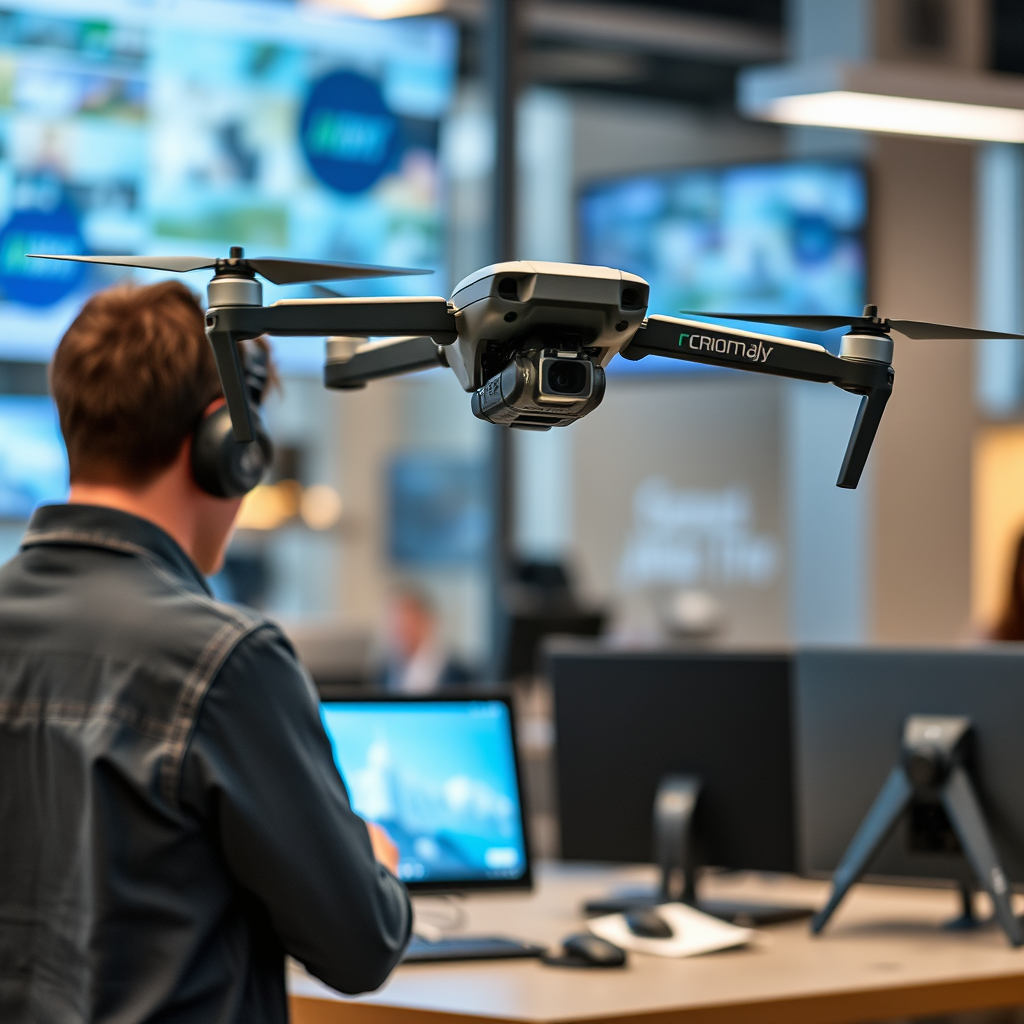
5km FPV of Draganfly Commander 2: Benefits for real-time aerial monitoring.
The 5km FPV capability of the Draganfly Commander 2 provides significant advantages for users requiring immediate visual feedback. This feature is especially beneficial in dynamic environments, such as disaster response scenarios or agricultural assessments, where real-time data can inform critical decisions. The FPV system allows operators to navigate the drone effectively, avoiding obstacles and adjusting flight paths as necessary. This level of control enhances situational awareness, ensuring safety and operational efficiency during missions.
10km LTE of Wingtra One: Advantages for extensive area coverage and data transmission.
In contrast, the Wingtra One’s 10km LTE capability significantly extends its operational range, allowing for extensive mapping of larger terrains without the need for physical proximity to the drone. This feature is particularly advantageous for projects requiring data collection over vast agricultural fields or large construction sites. The LTE connection ensures reliable data transmission back to the operator, which is crucial for real-time monitoring and analysis. The long-range capability minimizes the need for multiple drone deployments, thereby saving time and resources.
Mapping Technology
Detail on the mapping technology used in Draganfly Commander 2.
The Draganfly Commander 2 employs advanced mapping technology, incorporating high-resolution cameras and sensors that can capture detailed imagery for various mapping applications. Its software is designed to facilitate multi-spectral imaging, which is beneficial for precision agriculture, enabling farmers to assess crop health and soil conditions. The drone’s automated flight planning software allows for efficient mission design, ensuring comprehensive coverage of the target area. Additionally, the Commander 2’s ability to integrate with GIS (Geographic Information Systems) enhances its utility in generating accurate maps and spatial data.
Overview of Wingtra One’s mapping capabilities and software integration.
The Wingtra One is renowned for its advanced mapping capabilities, particularly in photogrammetry. It utilizes a high-resolution camera that captures images with exceptional clarity, enabling the creation of detailed orthomosaics and 3D models. The drone is compatible with various mapping software, allowing for seamless integration into existing workflows. Its automated flight planning system simplifies the process of setting up mapping missions, ensuring that users can efficiently collect data across large areas. The Wingtra One’s mapping technology is particularly effective for topographic surveys and environmental assessments, making it a valuable tool for professionals in these fields.
Safety Features
Safety mechanisms in the Draganfly Commander 2, including obstacle avoidance.
Safety is paramount in drone operations, and the Draganfly Commander 2 incorporates several safety mechanisms to enhance operational reliability. It features advanced obstacle avoidance technology that uses multiple sensors to detect and navigate around potential hazards. This capability is critical in complex environments, reducing the risk of accidents and ensuring the drone can operate safely at lower altitudes. Additionally, the Commander 2 is equipped with fail-safe protocols that enable it to return to the launch point in case of signal loss or low battery, further enhancing user confidence during operations.
Wingtra One’s safety protocols and reliability in various environments.
The Wingtra One also prioritizes safety with its robust design and reliable flight systems. It is built to handle various environmental conditions, ensuring stable flight even in windy situations, which is crucial for mapping accuracy. The drone features a built-in redundancy system for critical components, enhancing reliability during operations. Furthermore, the Wingtra One’s automated flight planning includes safety checks that prevent the drone from entering restricted airspace or flying at unsafe altitudes, making it a dependable choice for professional mapping projects.
Use Cases and Applications
Ideal scenarios for using the Draganfly Commander 2 in safety mapping.
The Draganfly Commander 2 is ideal for applications requiring real-time monitoring and immediate data analysis. In search and rescue missions, the drone can provide live video feeds to responders, helping them make informed decisions quickly. In agriculture, it can monitor crop health through real-time imagery, allowing farmers to address issues promptly. Its versatility makes it suitable for inspecting infrastructure, such as power lines and pipelines, where immediate feedback is crucial.
Applications for the Wingtra One in surveying and mapping large areas.
The Wingtra One excels in applications where large area mapping is necessary. It is particularly beneficial for land surveying, environmental monitoring, and construction site management. Its ability to cover vast expanses efficiently makes it a preferred choice for professionals needing to generate detailed maps and 3D models quickly. Additionally, its precision and compatibility with various mapping software facilitate effective data analysis, making it an invaluable tool for civil engineers and environmental scientists.
Cost Considerations
Pricing and value proposition of the Draganfly Commander 2.
The Draganfly Commander 2 is positioned at a competitive price point, considering its advanced features and capabilities. While it may require a higher initial investment than some consumer drones, its durability, versatility, and advanced safety features justify the cost for professional users. The value proposition lies in its ability to perform multiple tasks, reducing the need for additional equipment and enhancing operational efficiency.
Cost analysis of the Wingtra One and potential ROI for businesses.
The Wingtra One, while also a substantial investment, offers significant returns for businesses involved in mapping and surveying. Its ability to cover large areas in a single flight reduces labor costs and increases productivity. Many users report a rapid return on investment due to its efficiency and the high-quality data it provides, which can lead to better decision-making and project outcomes. For companies that prioritize accuracy and efficiency in mapping, the Wingtra One is a cost-effective solution.
User Feedback and Reviews
Insights from users of the Draganfly Commander 2 regarding performance and usability.
Users of the Draganfly Commander 2 generally praise its ease of use and reliability in various operational contexts. Many appreciate the real-time FPV capabilities, which enhance situational awareness during missions. The drone’s modular design is also highlighted positively, allowing users to customize it for specific applications easily. Some users note that the initial learning curve can be steep, but once mastered, it becomes an invaluable tool for mapping and monitoring tasks.
Feedback on the Wingtra One, focusing on user experience and satisfaction.
Feedback on the Wingtra One emphasizes its exceptional mapping capabilities and the ease of use of its software integration. Users report high levels of satisfaction with the quality of the imagery captured, which contributes to accurate mapping results. The drone’s automated flight planning is often cited as a significant time-saver, enabling professionals to focus on data analysis rather than operational logistics. Some users highlight its reliability in challenging weather conditions, affirming its suitability for outdoor mapping applications.
The comparison of the Draganfly Commander 2 and Wingtra One highlights their unique strengths and suitability for different mapping tasks. Each drone offers distinct advantages in range, technology, and specific applications. For those in the market for a mapping drone, carefully consider your operational needs and budget to make the best choice. Explore more about each model and their specifications to ensure you select the right tool for your mapping projects.
Frequently Asked Questions
What are the main differences between the Draganfly Commander 2 and the Wingtra One in terms of flight range and mapping capabilities?
The Draganfly Commander 2 offers a flight range of 5 km using FPV (First Person View) technology, making it ideal for real-time visual feedback during missions. In contrast, the Wingtra One boasts an impressive 10 km range with LTE connectivity, which allows for remote operation and data transmission over longer distances. This difference in range and technology makes the Wingtra One more suitable for extensive area mapping and monitoring tasks, while the Commander 2 is better for immediate, localized inspections.
How does the safety mapping feature differ between the Draganfly Commander 2 and the Wingtra One?
The safety mapping feature of the Draganfly Commander 2 focuses on real-time situational awareness, utilizing its FPV capabilities to navigate and inspect sites actively. On the other hand, the Wingtra One’s safety mapping is enhanced by its LTE connectivity, which allows it to send telemetry data back to the operator during longer flights. This makes the Wingtra One a preferable choice for safety-critical operations where monitoring the drone’s status and surroundings from a distance is essential.
Why should I choose the Wingtra One over the Draganfly Commander 2 for industrial applications?
If your industrial applications require extensive surveying or mapping over large areas, the Wingtra One is typically the better choice due to its longer flight range of 10 km and advanced LTE capabilities. This drone is designed for high-precision mapping with its vertical takeoff and landing (VTOL) design, making it suitable for capturing detailed aerial imagery in larger spaces. The Draganfly Commander 2, while effective for localized inspections, may not meet the demands of larger industrial projects as efficiently.
What types of industries can benefit from using the Draganfly Commander 2 and Wingtra One drones?
Both the Draganfly Commander 2 and Wingtra One are versatile drones that can serve various industries, including agriculture, construction, environmental monitoring, and public safety. The Commander 2 is particularly effective for short-range inspections, such as power line monitoring or building inspections, while the Wingtra One excels in large-scale mapping applications like crop health assessments or land surveying, making it a valuable tool for professionals in these fields.
Which drone is better for beginners: the Draganfly Commander 2 or the Wingtra One?
For beginners, the Draganfly Commander 2 may be a more approachable option due to its user-friendly FPV technology, which allows operators to gain immediate visual feedback, making it easier to navigate and learn the basics of drone operation. The Wingtra One, while highly capable, has a more complex setup and is designed for advanced mapping tasks, which may present a steeper learning curve for new users. Therefore, beginners looking to start with drone flying and inspections might find the Commander 2 more suitable for their needs.
References
- Drone
- https://www.sciencedirect.com/science/article/pii/S235286481730015X
- https://www.nytimes.com/2021/06/25/technology/drones-technology.html
- https://www.reuters.com/technology/drones-global-market-report-2021-07-06/
- https://www.techcrunch.com/2021/05/17/drone-technology-2021/
- https://www.nasa.gov/mission_pages/technology/drones.html
- https://www.wired.com/story/drone-technology-future/
- https://www.mdpi.com/2504-446X/4/1/16
- https://www.abc.net.au/news/2022-01-10/flying-drones-are-the-future-of-transportation/100760760
