
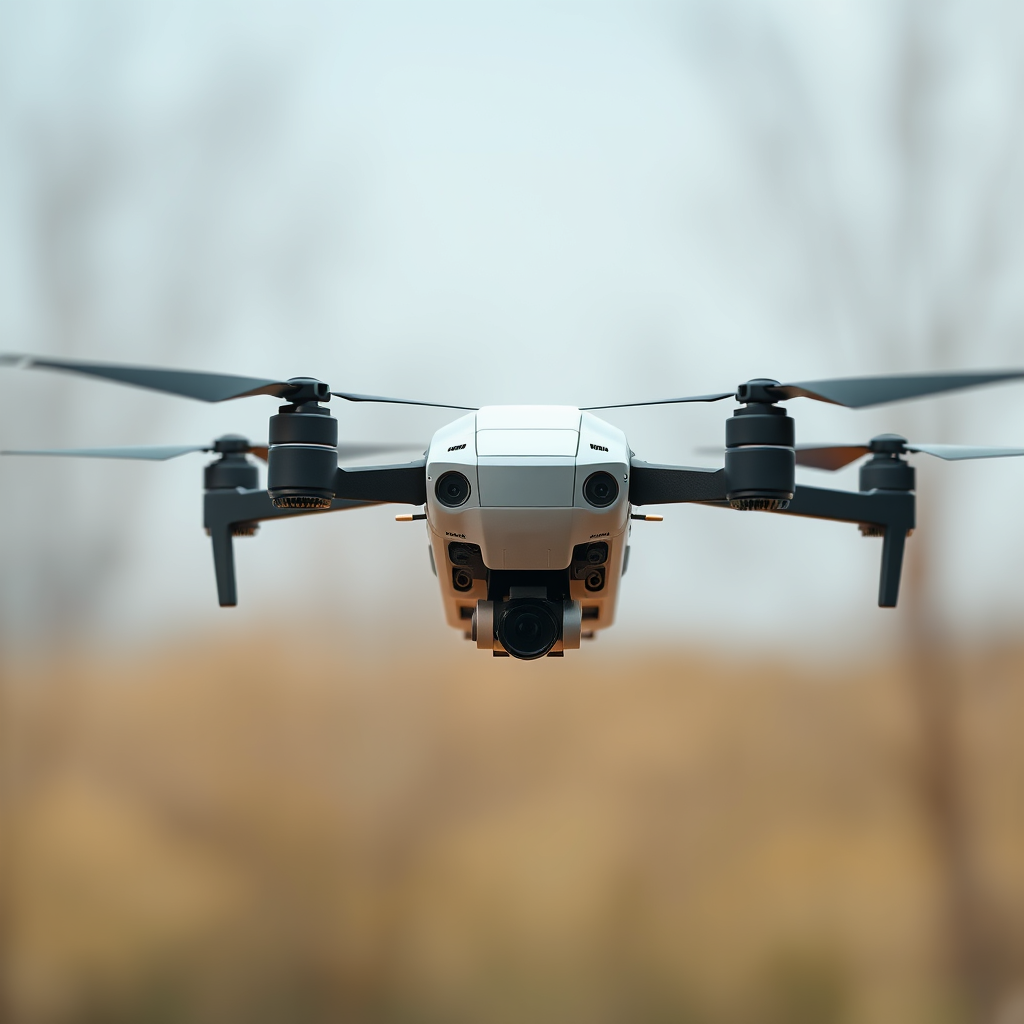
In comparing the Draganfly Vital Intelligence and Anzu Raptor V, the primary distinction lies in their operational capabilities and compliance features. The Draganfly offers a 5km first-person view (FPV), while the Anzu boasts a 7km range with National Defense Authorization Act (NDAA) compliance. This article will explore their specifications, performance metrics, and suitability for various applications, helping potential users make informed decisions based on their specific needs.
Overview of Draganfly Vital Intelligence
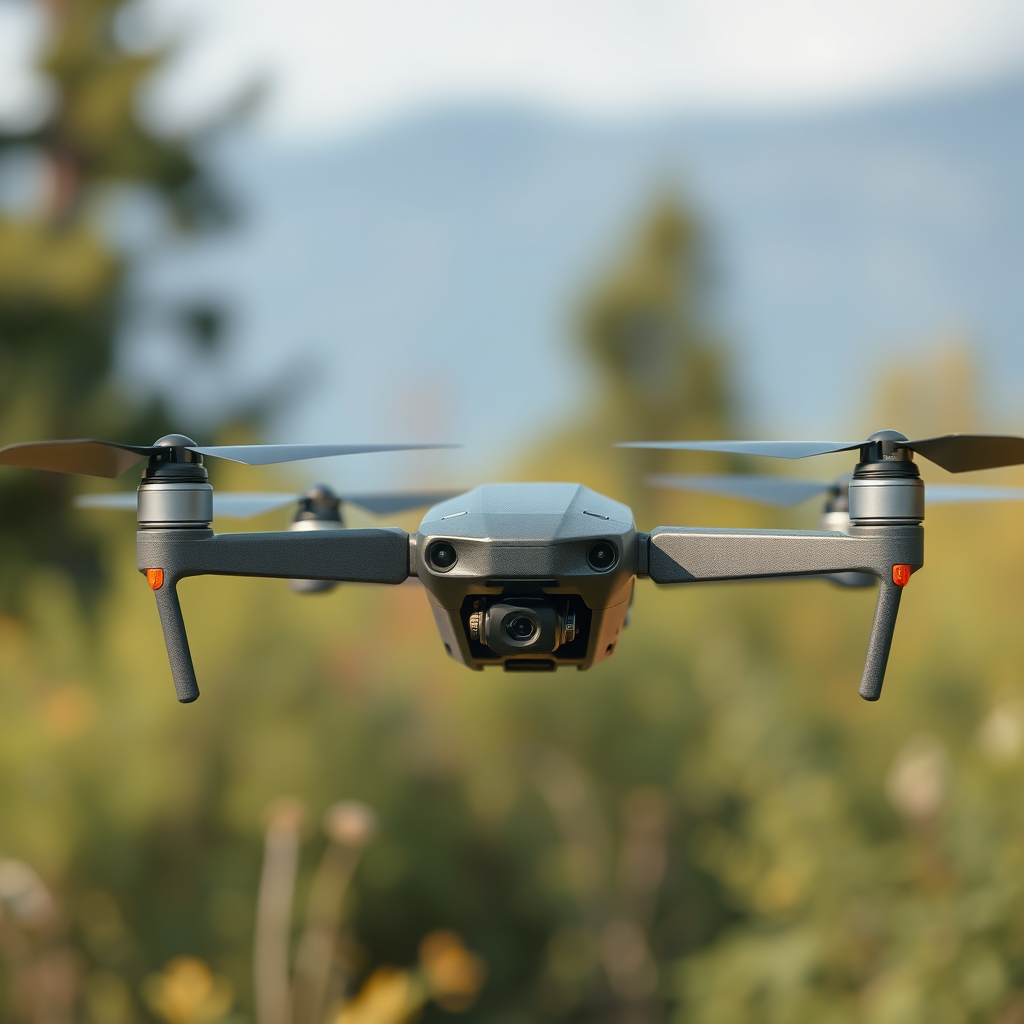
The Draganfly Vital Intelligence drone is designed for urban environments, featuring a compact build that enables it to navigate confined spaces and complex terrains effectively. Weighing in at a lightweight design, it is easy to transport and deploy, making it a practical choice for businesses and organizations needing quick aerial solutions.
Equipped with advanced FPV capabilities, the Draganfly allows operators to receive real-time video feeds and telemetry data directly to their devices. This feature is particularly valuable for applications such as search and rescue missions, disaster response, and infrastructure inspections, where immediate feedback is crucial. Furthermore, the drone integrates sophisticated sensors that enhance its data-gathering potential, ensuring that users can capture high-resolution images and critical information from the field.
Overview of Anzu Raptor V
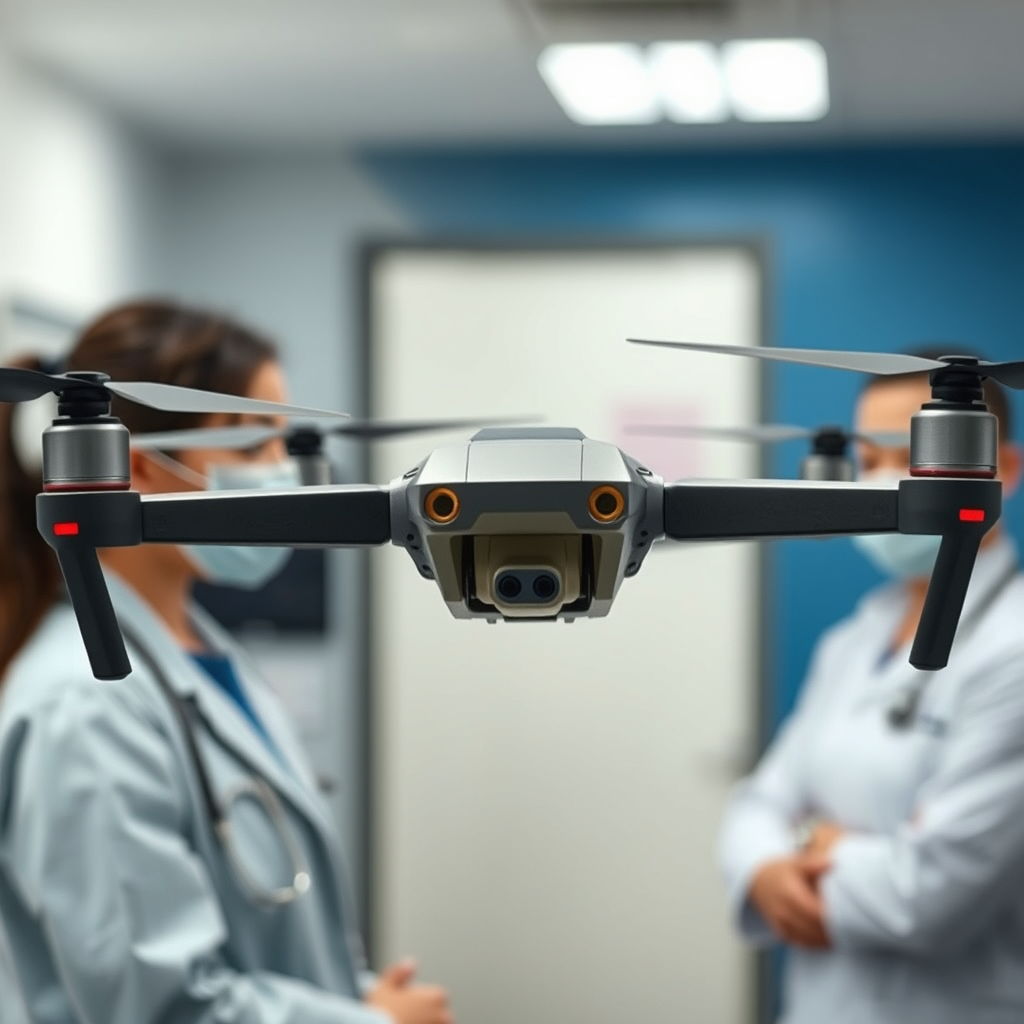
In contrast, the Anzu Raptor V is engineered for extended operational range, achieving an impressive 7km distance. This extended range opens up numerous possibilities for professional applications, particularly in remote areas where data collection is necessary but challenging due to distance limitations.
One of the standout features of the Anzu Raptor V is its strong emphasis on NDAA compliance, making it a preferred choice for government contracts and military applications. The NDAA stipulations ensure that the technology used within the drone meets specific security and ethical standards, which is essential for sensitive operations. The Raptor V is also built with robust materials that enhance durability, ensuring its reliability even in adverse weather conditions.
Performance Comparison
When analyzing the performance of both drones, the operational range and battery life are two critical factors. The Draganfly Vital Intelligence has a maximum operational range of 5km, which is suitable for urban tasks but may pose limitations in expansive areas. Its battery can last approximately 30-40 minutes, depending on usage, which is adequate for short missions but might necessitate frequent recharges for longer projects.
In contrast, the Anzu Raptor V’s 7km range significantly expands its usability, particularly in rural or expansive operational environments. Its battery life can extend up to 50 minutes, making it more effective for prolonged missions without the need for immediate recharging.
Responsiveness is another vital component when comparing FPV systems. The Draganfly’s FPV system offers low-latency video transmission, which is essential for tasks requiring real-time decision-making, such as navigating through obstacles in urban environments. The Anzu Raptor V, while also providing a reliable FPV system, may introduce slight delays at its maximum range due to the longer distance data must travel.
Use Cases and Applications
The Draganfly Vital Intelligence excels in commercial use cases, including real estate photography, agricultural monitoring, and urban planning. Its compact design allows it to maneuver through tight spaces, making it ideal for surveying buildings or conducting inspections of infrastructure like bridges and pipelines. Additionally, its advanced FPV capabilities facilitate detailed assessments and immediate feedback for operators, enhancing operational efficiency.
On the other hand, the Anzu Raptor V is well-suited for military and governmental applications, thanks to its extended range and NDAA compliance. This makes it an excellent choice for surveillance missions, reconnaissance, and other tasks where long-distance data collection is crucial. Its robust build and secure technology also make it a reliable option for sensitive operations that require adherence to strict regulatory standards.
Cost Analysis
Pricing plays a significant role in the decision-making process when selecting a drone. The Draganfly Vital Intelligence is typically priced in the mid-range category, offering a balance of features and affordability. Its price point reflects the advanced FPV capabilities and versatility, making it a sound investment for businesses seeking reliable aerial solutions without venturing into the highest tier of drone technology.
Conversely, the Anzu Raptor V, due to its extended range and compliance features, is positioned at a higher price point. The cost is justified by its robust design, enhanced operational capabilities, and suitability for government contracts. Organizations considering this drone should assess the potential return on investment, particularly in terms of the unique functionalities it offers for long-distance operations and compliance with security regulations.
User Experience and Feedback
User experiences and feedback are invaluable resources for prospective buyers. Many users of the Draganfly Vital Intelligence report high satisfaction levels, particularly praising its ease of use and intuitive interface. The software compatibility with various devices is also frequently highlighted, making it accessible for users with varying levels of technical expertise.
In contrast, the Anzu Raptor V has garnered positive reviews for its exceptional range and reliability in the field. Users appreciate its robust construction and the security assurance provided by its NDAA compliance. However, some feedback indicates that the complexity of the advanced features may require a steeper learning curve for new users. Overall, both drones have received commendable reviews, with each appealing to different user needs and preferences.
Future Developments and Innovations
Looking ahead, both the Draganfly Vital Intelligence and Anzu Raptor V are likely to see continued advancements in technology. The industry trend is moving towards increased autonomy and artificial intelligence integration, which could enhance flight capabilities and data analysis features.
For the Draganfly, potential future developments may include extended battery life and enhanced sensors for improved data accuracy. The Anzu Raptor V could focus on refining its user interface and increasing its operational range even further, making it even more appealing for governmental use. As regulations around UAVs evolve, both manufacturers will need to adapt to ensure compliance while continuing to innovate.
Summarizing the differences between the Draganfly Vital Intelligence and Anzu Raptor V highlights their unique strengths in operational range and NDAA compliance. This analysis empowers potential users to determine which drone aligns best with their specific needs, whether it’s for urban commercial applications or extensive governmental operations. For those interested in purchasing or learning more, exploring online reviews or contacting manufacturers for detailed specifications is highly recommended.
Frequently Asked Questions
What are the main differences between Draganfly Vital Intelligence and Anzu Raptor V in terms of FPV range?
The Draganfly Vital Intelligence offers a first-person view (FPV) range of 5 kilometers, while the Anzu Raptor V boasts an extended range of 7 kilometers. This difference in range can be crucial for users needing longer-distance monitoring and surveillance capabilities, especially in applications like search and rescue or agricultural monitoring, where reaching further distances can enhance operational efficiency.
How does the NDAA compliance impact the use of Draganfly Vital Intelligence and Anzu Raptor V?
The National Defense Authorization Act (NDAA) compliance is critical for government and military applications, as it dictates which technologies can be used without security concerns. Both Draganfly Vital Intelligence and Anzu Raptor V are designed with NDAA compliance in mind, ensuring that users can deploy these drones in sensitive environments without the risk of utilizing potentially compromised technology.
Which drone is better for health monitoring applications: Draganfly Vital Intelligence or Anzu Raptor V?
The Draganfly Vital Intelligence is specifically designed for health monitoring, equipped with advanced sensors to gather critical health data in various environments. If your primary focus is health applications, the Vital Intelligence is likely the better choice due to its specialized features that cater to medical and emergency use cases, while the Anzu Raptor V excels in broader surveillance scenarios.
Why should I consider using the Anzu Raptor V for my surveillance needs?
The Anzu Raptor V stands out for its impressive 7km range and robust capabilities, making it an ideal choice for extensive surveillance operations. Its extended operational range allows for monitoring larger areas without sacrificing quality, and its NDAA compliance ensures safe deployment in critical environments. This combination of features positions the Anzu Raptor V as a strong contender for users needing reliable and secure surveillance solutions.
How do the operational costs compare between the Draganfly Vital Intelligence and the Anzu Raptor V?
Operational costs can vary based on several factors, including maintenance, battery life, and the cost of replacement parts. While both drones are efficient in their design, the Draganfly Vital Intelligence may have higher costs associated with its specialized health monitoring sensors, whereas the Anzu Raptor V, with its broader application focus, might offer more cost-effective operational benefits for general surveillance. It’s essential to consider the specific use case to determine which drone offers better long-term value.
References
- Drone
- https://www.reuters.com/technology/drone-market-growth-2021-2028-2021-06-10/
- https://www.nytimes.com/2021/05/27/us/drone-regulations.html
- https://www.bbc.com/news/technology-58606526
- https://www.sciencedirect.com/science/article/abs/pii/S2213138821000022
- https://www.techcrunch.com/2021/07/14/a-new-wave-of-drone-startups-aim-to-make-air-delivery-a-reality/
- https://www.nationaldefensemagazine.org/articles/2021/4/1/how-drones-are-changing-the-battlefield
