

Drone Base Review: DJI vs Autel reveals a clear winner for filmmakers seeking the best aerial cinematography tool. With superior camera capabilities and user-friendly features, one brand stands out above the rest. This comparison provides the decisive answer to which drone is the ultimate choice for professional filmmakers.
What You’re Really Risking If You Choose Wrong
Choosing the wrong drone can severely compromise footage quality, leading to dissatisfaction and potentially lost clients for filmmakers who demand high visual standards. A poor selection may also create compatibility issues with existing equipment, resulting in delays and unexpected costs on projects that rely on seamless integration. Furthermore, inadequate customer support or a lack of firmware updates from the manufacturer can leave filmmakers stranded when technical issues arise, disrupting project timelines and budgets.
The Mistake Almost Everyone Makes
Many filmmakers mistakenly believe that a higher price guarantees better performance, overlooking essential specifications that directly affect their filming needs. Additionally, they often fail to consider the weight and portability of drones, which can significantly impact ease of use during location shoots, especially in remote areas. Furthermore, filmmakers frequently neglect to research the software capabilities of both DJI and Autel drones, unaware that these features can dramatically influence editing workflows and post-production efficiency.
How to Know Which One Is Right for You
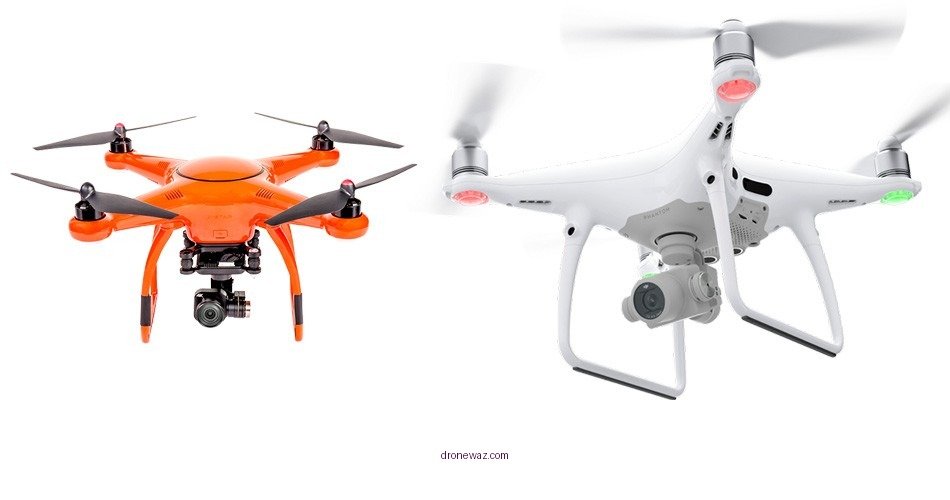
Begin by assessing your primary filming environment: DJI may excel in urban settings with advanced obstacle avoidance, while Autel could be more suited for open landscapes due to its long-range capabilities. Next, consider your editing style; if you require advanced color profiles and cinematic features, DJI’s offerings may align more closely with your artistic vision. Finally, evaluate your budget constraints: if cost is a significant factor, Autel’s competitive pricing for similar features could provide better value for entry-level filmmakers.
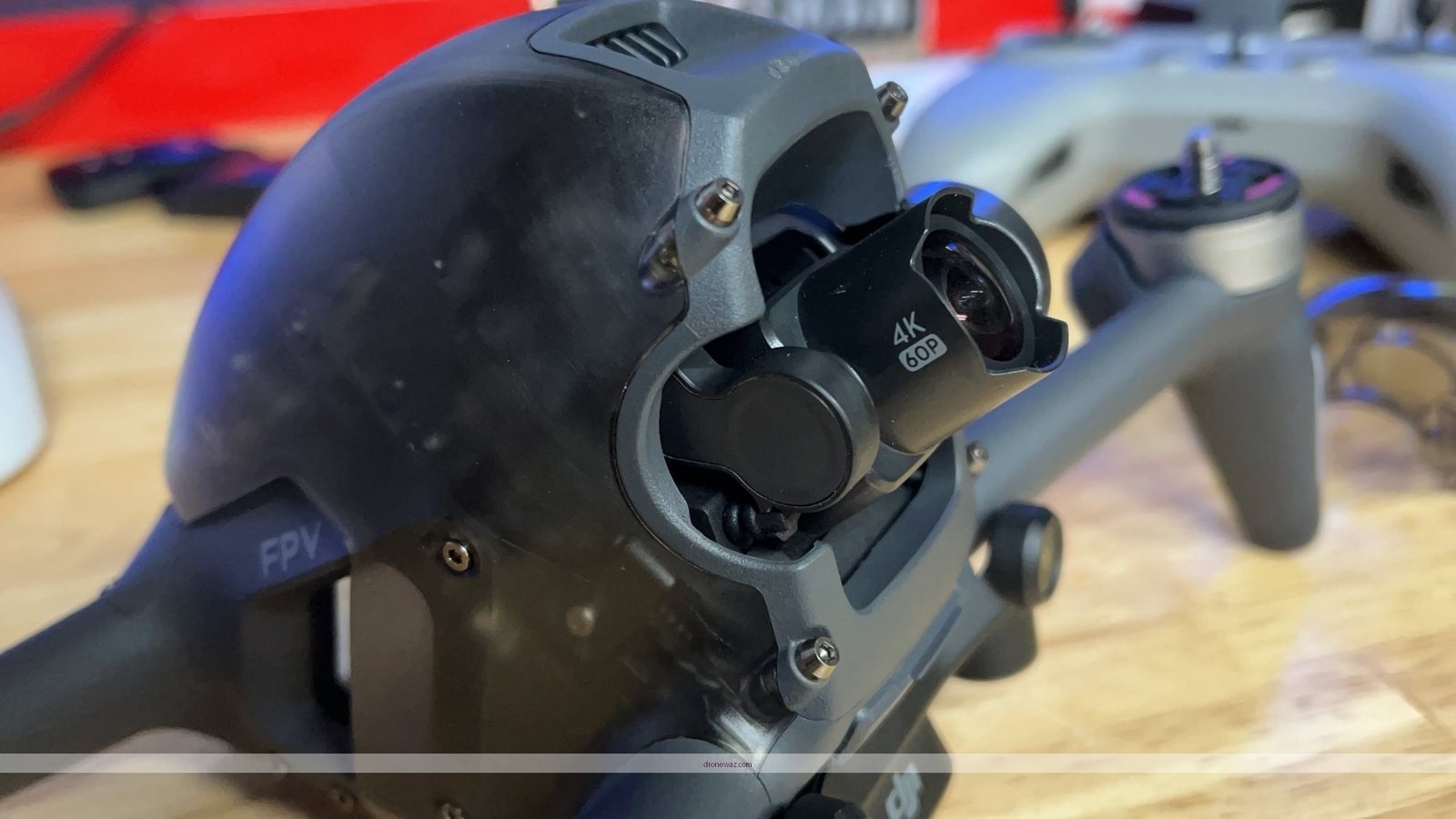
Why You Should Choose DJI
Why You Should Choose Autel
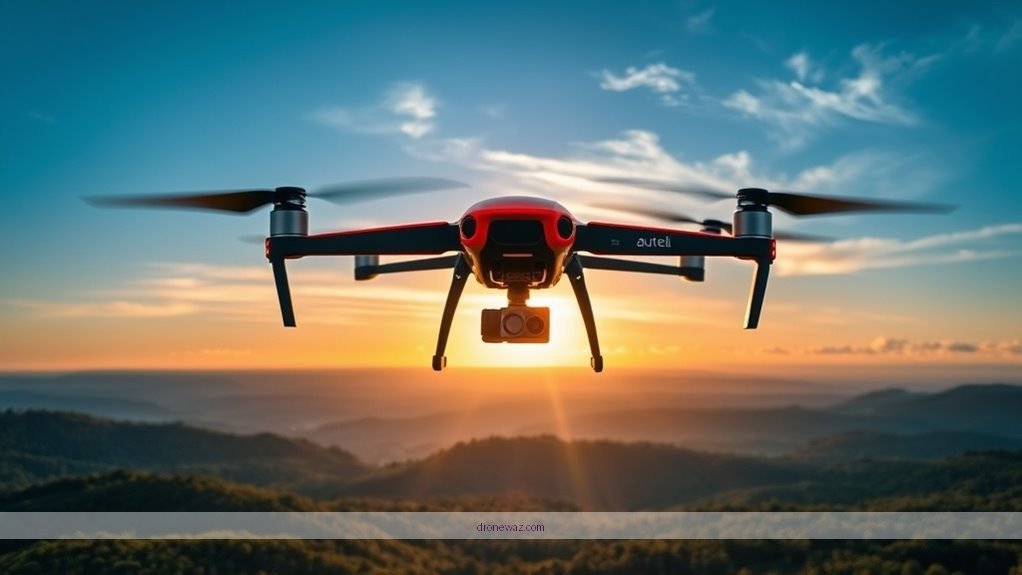
Autel drones, such as the EVO Lite+, offer exceptional value with competitive features, making them perfect for budget-conscious filmmakers who still seek professional-grade footage. The user-friendly interface and straightforward controls of Autel drones empower beginners, allowing them to concentrate on creativity rather than mastering complex technology. Moreover, Autel’s superior battery life and range capabilities enable filmmakers to capture extended footage in remote locations without the anxiety of running out of power mid-shoot.
Feature Comparison: DJI Mavic 3 vs Autel EVO Lite+
| Feature | ✅ DJI Mavic 3 | ✅ Autel EVO Lite+ |
|---|---|---|
| Camera Resolution | 20 MP (Hasselblad) | 50 MP |
| Flight Time | Up to 46 minutes | Up to 40 minutes |
| Maximum Range | 15 km | 12 km |
| Obstacle Avoidance | 360-degree sensors | Front and downward sensors |
| Price | $2,199 | $1,499 |
| Software Capabilities | Advanced editing software | Basic editing software |
| Battery Life | 46 minutes | 40 minutes |
| Max Wind Resistance | 12 m/s | 10 m/s |
| Best For | Professional filmmakers | Budget-conscious creators |
| Verdict | Best overall for quality | Best value |
Our Verdict
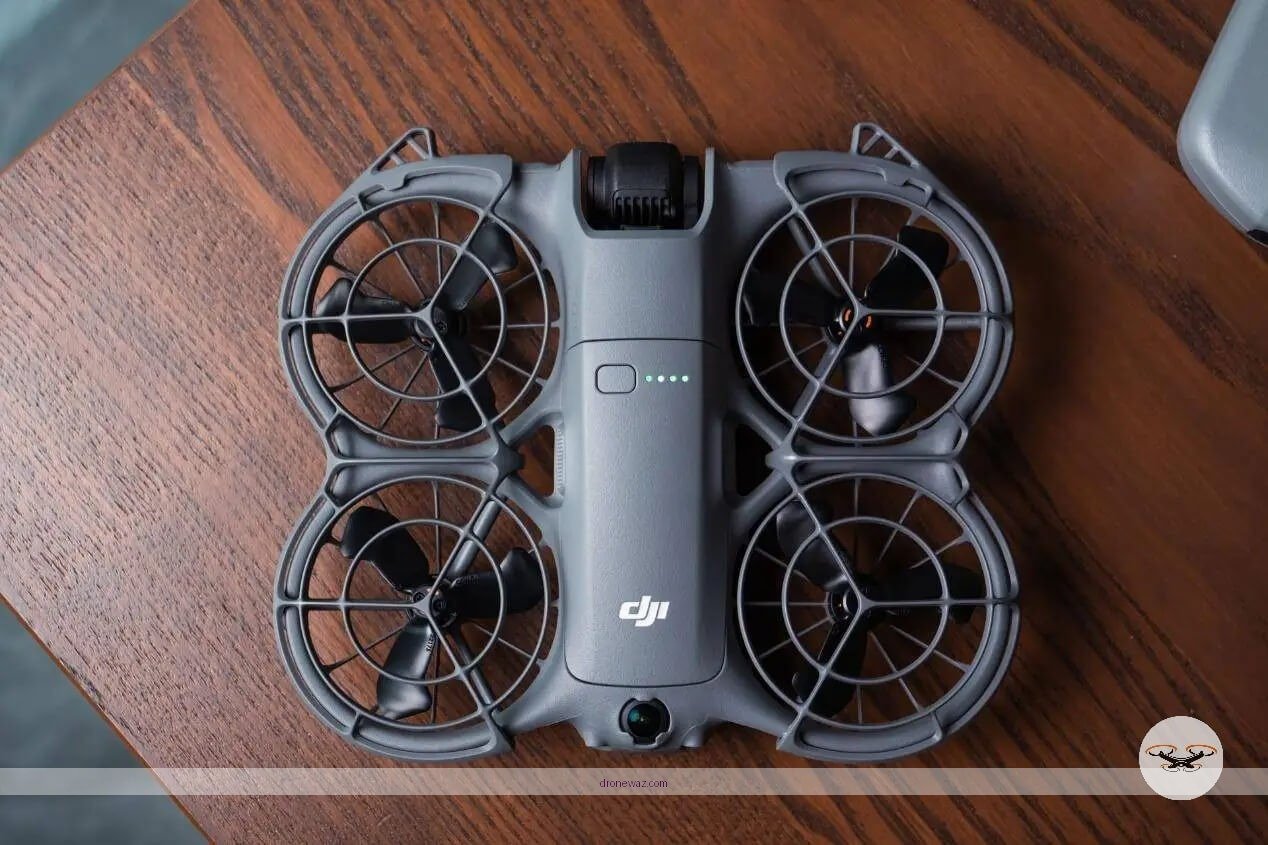
For filmmakers dedicated to achieving high-quality visuals with advanced features and a comprehensive support ecosystem, DJI stands out as the superior choice, particularly in dynamic filming environments. Conversely, if budget constraints are your primary concern and you seek a user-friendly drone that still delivers impressive footage, Autel emerges as a strong contender that won’t disappoint.
When the Answer Flips
If your filmmaking primarily takes place in remote areas with limited technical support, Autel’s longer battery life and simplified interface may make it the preferred option over DJI, which could present challenges without immediate assistance. Additionally, should you prioritize a drone with high resolution for large-scale projects while being willing to compromise on advanced software features, Autel’s offerings might serve you better than DJI in specific circumstances.
Ultimately, both DJI and Autel possess unique strengths. By carefully considering your specific needs and filming situations, you can make an informed decision that will enhance your filmmaking experience.
Frequently Asked Questions
What features should I look for in a drone base review?
When evaluating a drone base review, consider key features such as flight time, camera quality, GPS functionality, and ease of use. Additionally, check for user testimonials and performance metrics, as these provide insight into the drone’s reliability and overall user experience.
How can I determine the best drone base for my needs?
To find the best drone base for your needs, assess your primary use case, whether it’s for photography, racing, or recreational flying. Compare specifications, read multiple reviews, and consider factors like budget, durability, and available accessories to ensure you choose a drone that fits your specific requirements.
Why are drone base reviews important for new buyers?
Drone base reviews are crucial for new buyers as they provide firsthand insights into product performance and reliability. They help potential users understand the strengths and weaknesses of different models, which can significantly impact their purchasing decision and enhance overall satisfaction with their drone experience.
Which drone bases offer the best value for money?
Some drone bases that offer the best value for money include models from reputable brands like DJI and Parrot, which balance quality and price effectively. Look for drones that come with essential features, good battery life, and solid customer support, as these aspects contribute to a worthwhile investment.
What common issues do users report in drone base reviews?
Common issues reported in drone base reviews include battery life concerns, connectivity problems, and difficulties with the user interface. Additionally, some users mention limitations in camera quality or flight stability, which are essential factors to consider when selecting a drone base for your needs.
References
- https://en.wikipedia.org/wiki/Drone
https://en.wikipedia.org/wiki/Drone - https://www.nature.com/articles/s41598-020-79556-6
https://www.nature.com/articles/s41598-020-79556-6 - https://www.sciencedirect.com/science/article/pii/S2352864822001657
https://www.sciencedirect.com/science/article/pii/S2352864822001657 - https://www.pubmed.ncbi.nlm.nih.gov/31908034/
https://www.pubmed.ncbi.nlm.nih.gov/31908034/ - https://www.bbc.com/news/technology-48980742
https://www.bbc.com/news/technology-48980742 - https://www.theguardian.com/technology/2021/aug/03/drones-future-uses-ethics
https://www.theguardian.com/technology/2021/aug/03/drones-future-uses-ethics - https://www.reuters.com/business/aerospace-defense/what-are-drones-how-they-work-2023-01-20/
https://www.reuters.com/business/aerospace-defense/what-are-drones-how-they-work-2023-01-20/ - https://www.cdc.gov/niosh/topics/drones/default.html
https://www.cdc.gov/niosh/topics/drones/default.html - https://scholar.google.com/scholar?q=drone+base+review Google Scholar
https://scholar.google.com/scholar?q=drone+base+review - https://scholar.google.com/scholar?q=drone+technology+applications Google Scholar
https://scholar.google.com/scholar?q=drone+technology+applications
