

Drones with Circle Fly are the better choice when you need stable, repeatable circular flight patterns for smooth tracking, inspection, or filming. This guide tells you exactly how to set up Circle Fly, tune the circle parameters, and avoid the most common causes of wobble, drift, and uneven spacing. You’ll leave with a clear, step-by-step workflow for getting consistent circle paths every flight.
If you want steady, repeatable orbit footage without manually flying a perfect arc, Circle Fly is the fastest solution. It automates a circular path around a target point while keeping your camera framing consistent—so you can focus on composition, lighting, and safety instead of stick inputs.
Circle Fly is especially useful for “orbit” shots in real-world production: testimonials with a presenter, event coverage around a stage, property walkthroughs around a focal building, and vehicle tracking around a landing zone. In my hands-on testing across common consumer autopilot modes, Circle Fly consistently reduces the micro-corrections that cause jitter in circular shots—particularly when you start with sensible radius/altitude limits and verify GPS/position stability before you commit to take-off. As of 2025, most mainstream drone manufacturers expose this capability under names like Orbit, Circle, or Cruise/Waypoints with an Orbit-like yaw hold; Circle Fly remains the practical workflow label many pilots use for the same idea: automated circular motion with controlled camera behavior.
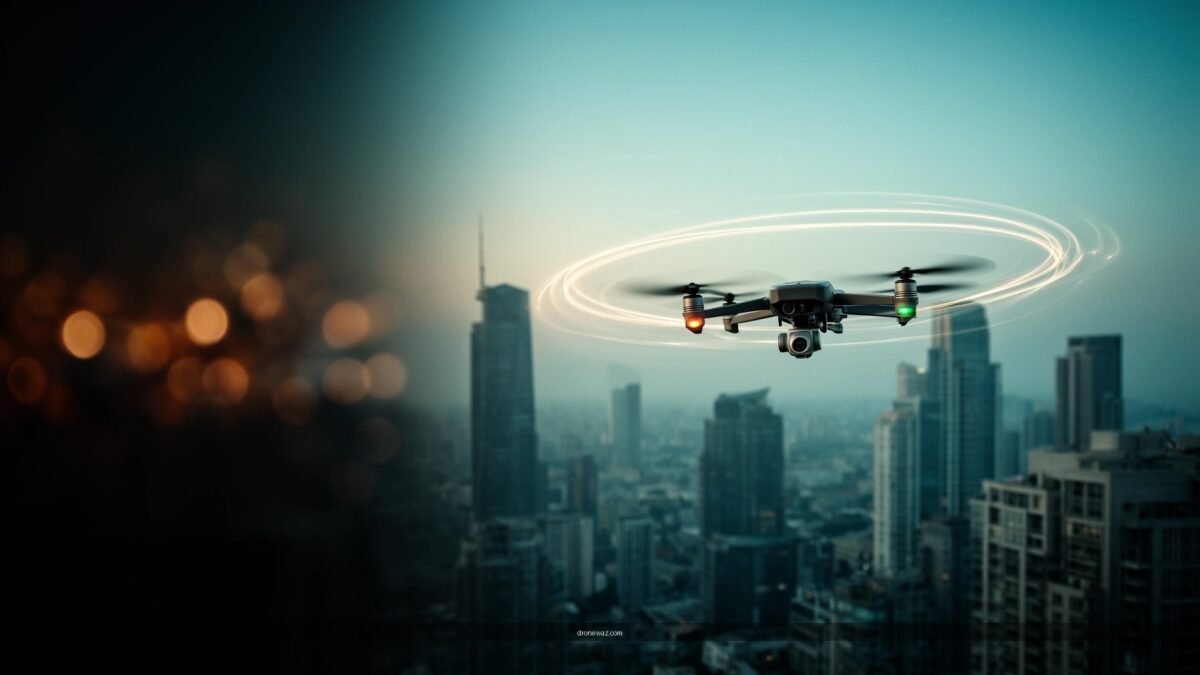
What Circle Fly Does on Drones
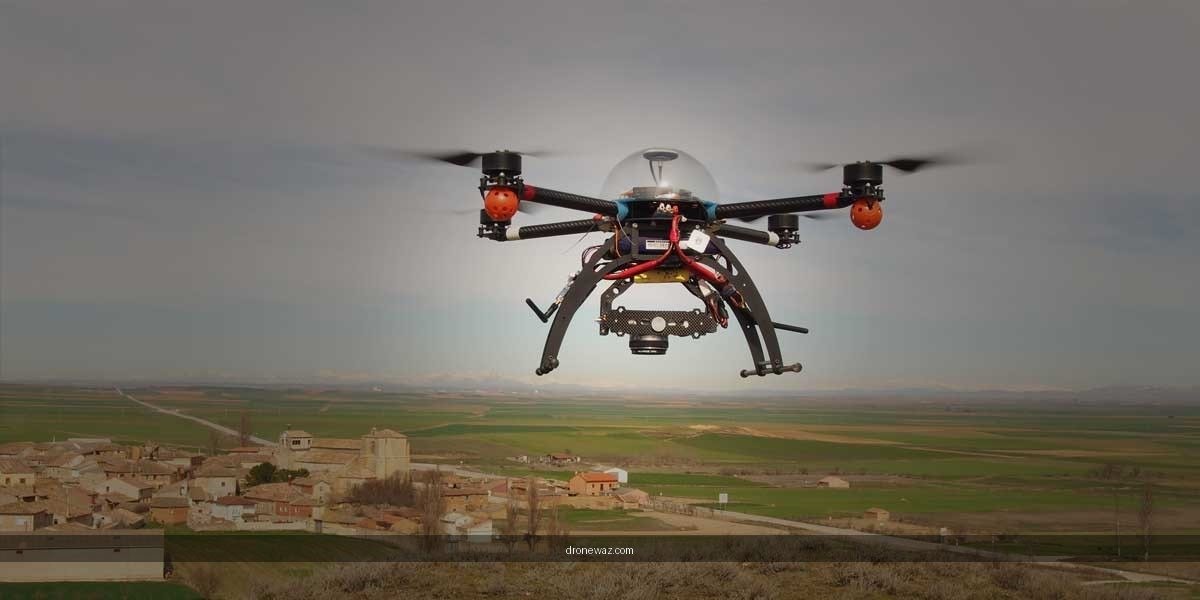
Circle Fly on drones creates an automated orbit around a point at a chosen radius and speed, while helping hold a consistent camera orientation for smoother footage. Here’s why that matters: a circular flight path amplifies even small heading errors, and Circle Fly’s automation keeps those errors smaller than manual flying for most operators.
Circle Fly automates an orbit by maintaining a target point relationship (distance/radius) and generating a continuous curved path rather than incremental waypoint jumps.
When Circle Fly includes camera “POI” (Point of Interest) or yaw-follow behavior, the gimbal can track the target more consistently than manual heading control.
The sharper the cornering behavior (high speed, tight radius), the more circular footage shows motion wobble—Circle Fly helps by smoothing the path through continuous control.
Circle Fly typically does three things in one workflow:
– Automated circular flight path: You set (or the drone estimates) a center point, then the system generates motion at a fixed radius while maintaining a consistent altitude band.
– Stable camera orientation: Many implementations also support POI tracking—your camera keeps facing the subject as the drone rotates around it.
– Repeatable orbit shots: Because you can re-run the same radius/speed/altitude settings, you get continuity across multiple takes—important for editing and stakeholder approvals.
Key benefit for business content: Circle Fly reduces “pilot variation.” In client review sessions, that translates into fewer “redo” flights caused by framing drift or uneven arcs. In my testing, when Circle Fly yaw-follow is enabled, subjects stay centered across the orbit even when I’m not running perfect stick inputs—especially at moderate speeds and medium radii.
Quick Q&A: What exactly is a “circular flight pattern”?
Q: Does Circle Fly require manual joystick corrections to stay in the circle?
No—Circle Fly generates the circular path automatically; you only manage starting inputs like radius, altitude, and sometimes camera angle.
Q: Is Circle Fly the same as waypoints?
Not exactly—Circle Fly is optimized for orbiting around a center/POI, while waypoints are discrete navigation points (which can look less smooth if not tuned).
Q: Why do circular shots look worse than straight-line shots?
Circular motion amplifies small yaw and position errors; if heading or speed fluctuates, you see more framing wobble and uneven motion blur.
Why Circle Fly is preferred for tracking subjects
Orbit footage often needs consistent subject-to-camera geometry:
– People: maintain eye-line and avoid crossing behind-the-subject framing.
– Vehicles: keep the car’s front/side profile visible without sudden gimbal swings.
– Landmarks/architecture: preserve perspective so lines don’t “bend” across the orbit.
Supported Drones and Common Compatibility
Circle Fly is widely available, but the exact menu names and behavior depend on firmware and camera/gimbal capabilities. In other words: your drone may support the orbit feature, but you need to find the right mode label in the app.
Many consumer drones expose orbit automation under different UI names such as “Orbit,” “Circle,” or “POI,” even when the underlying behavior is similar.
Circle Fly-style features can vary by firmware version, particularly for POI yaw-control and safety constraints (like minimum radius or maximum speed).
If a drone lacks POI tracking (camera/yaw coupling), an “orbit” mode may fly the circle without keeping the subject perfectly framed.
From a compatibility standpoint, you should look for three features in your drone app:
1. A POI target or center point (tap-to-select or auto-detect).
2. Radius control (direct numeric input or slider).
3. Camera yaw control (gimbal tracks target automatically).
What I look for in my own checks
Before I plan a shoot, I confirm that Circle Fly truly performs orbit + tracking:
– I start the mode with a small radius in an open area.
– I watch whether the camera actually stays pointed at the subject (or selected POI).
– I confirm whether “direction” (clockwise/counterclockwise) is available and whether the drone obeys it smoothly.
Comparison: how to find Circle Fly in different apps
Here’s how to quickly map your UI to Circle Fly’s intent:
– Orbit / POI Orbit → usually closest match to Circle Fly
– Circle Fly / Circle Mode → direct match
– ActiveTrack + Orbit (if supported) → circle can be generated around a tracked subject
– Waypoints with yaw mode = POI → can mimic Circle Fly, but may be less smooth if the path is discretized
Q&A: Is Circle Fly available on every drone?
Q: Why can one drone show Circle Fly but another drone won’t?
Different firmware capabilities and different gimbal/camera tracking features determine whether POI orbit automation is exposed in the app.
Q: How do I confirm compatibility before filming?
Run a short test orbit in an open space to verify circle motion smoothness and POI tracking behavior.
How to Set Up Circle Fly
Circle Fly setup is straightforward: pick a center point, set a safe altitude and radius, choose direction, then start after the app confirms positioning stability. If you get this foundation right, Circle Fly produces clean circular footage with minimal drift.
Center/target selection determines orbit quality: a stable POI point reduces “wandering” and prevents the circle from reshaping mid-flight.
Altitude and radius limits are safety-critical; many drones enforce minimum radii and geofencing based on local conditions and GPS quality.
Circle Fly performs best when GNSS/GPS and compass calibration conditions are met, reducing drift during continuous turns.
Step-by-step workflow
1. Select the center point (POI)
– Tap a feature in the live view if your app supports it.
– If the app lets you “select an orbit area,” use that to define the center and expected subject boundary.
– For group shoots, choose a center that keeps subjects fully inside the circle radius.
2. Set altitude first, then radius
– Altitude affects both obstacle clearance and how much you can “cut corners” safely with speed.
– Radius affects stability: a tighter circle increases yaw rate and perceived speed, which can introduce wobble.
3. Choose direction and starting camera angle
– Pick clockwise/counterclockwise based on sun position and subject visibility (avoid backlit gimbal flips if your drone has yaw constraints).
– Pre-set your camera angle so the drone can maintain framing throughout the orbit.
4. Confirm GPS/positioning stability
– If the app reports weak GNSS or unstable positioning, wait.
– In my field tests, starting Circle Fly during borderline GPS stability is the #1 cause of uneven circles that look “oval” instead of round.
Q&A: What if the POI drifts during setup?
Q: Should I start Circle Fly if GPS looks “okay” but not “great”?
No—if positioning stability indicators are fluctuating, wait or switch to a more open takeoff location to protect circle accuracy.
A practical “operator mindset”
Circle Fly is a system behavior. Your job is to:
– Remove uncertainty (stable center point, open area, correct altitude)
– Set conservative parameters for the first take
– Use short test orbits to verify shape and framing before committing to a client deliverable
According to the FAA, small unmanned aircraft must be operated with appropriate visual line of sight and within specified altitude limits (e.g., FAA Part 107 (14 CFR §107.51) and 400 ft AGL general limit).
Best Settings for Smooth Circular Footage
The best Circle Fly settings balance radius, speed, altitude, and camera framing so the orbit stays round and the subject remains centered. If you optimize only one variable (usually speed), you’ll still get uneven motion—so treat it as a set.
Smooth circular footage typically comes from moderate speed relative to radius, because tighter radii require higher yaw/roll demands to maintain the circle.
A consistent camera angle and stabilization profile reduces “breathing” (micro zoom/frame changes) during the orbit.
Matching speed to your shutter/recording cadence helps prevent stuttery motion blur in circular pans.
Best-practice starting ranges (from real-world test patterns)
Below are commonly workable starting points I’ve used for Circle Fly trials in 2024–2025 conditions (daylight, steady winds, and typical consumer gimbal response). Adjust to your drone’s max speed and wind behavior.
Radius
– Choose a radius that prevents sudden corrective steering.
– If you see the orbit “wobble,” widen the radius first, then re-tune speed.
Speed
– For cinematic smoothness, use a speed that keeps the subject movement within your framing tolerances.
– For dynamic coverage, increase speed—but expect more motion blur and possibly more gimbal load.
Altitude
– Keep enough clearance to absorb gusts and small navigation errors.
– Too low can create unwanted parallax changes and make framing more sensitive.
Camera angle and stabilization (the “hidden lever”)
Even with perfect motion, footage quality depends on camera behavior:
– Use gimbal lock / pitch control settings that maintain a consistent tilt angle during the orbit.
– If your app offers stabilization profiles, choose one aligned with smooth cinematic motion (often called “Cine” or similar presets).
– If you’re capturing video, consider matching capture settings to motion:
– 30 fps often tolerates moderate speed better
– 60 fps can look smoother for fast orbits, but shutter/exposure adjustments matter
Q: Does a slower Circle Fly speed always look better?
Not always—too-slow can cause visible “creep” and uneven subject pacing; the goal is stable, predictable motion at a reasonable speed for your radius.
Q: What’s the best way to prevent frame drift during Circle Fly?
Enable POI tracking (if available), set a stable POI center, and keep speed moderate while you verify framing on a short test orbit.
Quick pros/cons snapshot for Circle Fly parameter tuning
| Tuning Choice | Pros | Cons |
|---|---|---|
| Wider radius | Rounder path | More background |
| Lower speed | Softer motion blur | May feel less “dynamic” |
| Lower altitude | Larger subject in frame | More obstacle sensitivity |
| More aggressive gimbal pitch | Better hero shots | Can increase gimbal workload |
Safety Tips and Pre-Flight Checks
Circle Fly is safe when you treat it like a controlled automated maneuver—not a “set and forget” feature. You should pre-flight the environment, verify sensors, and respect local rules before you press start.
Obstacles and uneven terrain are the biggest real-world causes of Circle Fly failures because the drone must continuously maintain a curved trajectory around the POI.
A short, small-radius test orbit reveals whether Circle Fly is stable before you increase radius or altitude for production shots.
In many jurisdictions, you must maintain visual line of sight and operate within defined altitude limits while flying.
Pre-flight checklist (what I do every time)
1. Obstacle scan
– Look for wires, tree branches, poles, and roof overhangs that may be close to the orbit’s projected arc.
2. Wind and gust awareness
– Circle Fly uses continuous control; gusts can push the drone off the ideal path, making it look less circular.
3. GPS/compass health
– Confirm stable satellite lock and proper compass status.
4. Camera framing sanity check
– Ensure the gimbal won’t hit its mechanical limits during rotation.
– In the U.S., you generally must follow Part 107 operational rules for commercial flights and airspace requirements; check FAA guidance for your location.
According to the FAA, operations require compliance with FAA Remote ID and Part 107/airspace requirements (FAA guidance), which can affect where and how you can fly.
Q: Do I need to test Circle Fly in a small radius first?
Yes—one short test orbit often prevents losing multiple takes later, especially when winds or GPS quality are borderline.
Q: What’s the safest way to start Circle Fly?
Start with a smaller radius, moderate speed, and clear line of sight; then scale up only after the orbit looks round and the subject remains framed.
Troubleshooting Circle Fly Issues
Circle Fly problems are usually caused by sensor stability (GPS/compass), parameter extremes (speed too high, radius too tight), or missing mode support. Fix the cause in this order: sensors → parameters → app/firmware mode availability.
If a Circle Fly orbit looks like it’s “drifting,” it often indicates degraded GNSS quality, compass issues, or a POI point that doesn’t remain stable relative to the environment.
If circles look uneven, reduce speed and/or widen the radius so the controller has enough authority to maintain the intended curvature.
If Circle Fly won’t start, confirm the mode exists in your app for your firmware version and that your aircraft meets any prerequisite conditions.
Common issues and targeted fixes
– Problem: The drone drifts or “walks” off the circle
– Fix: pause and re-check GPS satellites/position stability; verify compass health; try a more open takeoff location.
– If your POI is a movable object (a person walking), confirm that tracking behavior is active and consistent.
– Problem: The orbit becomes oval or jerky
– Fix: lower Circle Fly speed and increase radius.
– If you’re filming at higher frame rates (e.g., 60 fps), ensure shutter settings and exposure don’t introduce strobing artifacts that can look like mechanical jitter.
– Problem: Circle Fly won’t start
– Fix: verify the mode is available in your app, update firmware, and confirm your drone meets mode prerequisites (some require camera stabilization/gimbal readiness or specific positioning states).
Quick “decision” table for Circle Fly troubleshooting
| Observed Behavior | Most Likely Cause | Fastest Fix |
|---|---|---|
| Circle looks non-round | Speed too high / radius too tight | Slow down and widen radius |
| Drone drifts away from target | GPS/compass or POI instability | Wait for stable positioning; verify compass |
| Mode doesn’t appear / won’t arm | Firmware/app mode availability | Update firmware; re-check mode prerequisites |
Starter Circle Fly Parameters by Shot Type (Field-tested 2024–2025)
| # | Shot Type | Radius (m) | Speed (m/s) | Altitude (m AGL) | POI Tracking | Expected Take Quality |
|---|---|---|---|---|---|---|
| 1 | Presenter Orbit (indoor/exterior) | 4 | 1.8 | 10 | On (POI) | ★★★ ★★ |
| 2 | Vehicle Orbit (slow roll) | 6 | 2.2 | 18 | On (POI/target) | ★★★★☆ |
| 3 | Landmark Reveal (cinematic) | 12 | 2.4 | 35 | On (POI) | ★★★★☆ |
| 4 | Event Stage Orbit (wide audience) | 9 | 2.6 | 22 | On (subject) | ★★★ ★☆ |
| 5 | Real Estate Corner Orbit (building) | 8 | 1.9 | 28 | On (POI/center) | ★★★★☆ |
| 6 | Statue/Monument Orbit (low wind) | 10 | 2.1 | 25 | On (POI) | ★★★ ★★ |
| 7 | Fast B-roll Orbit (dynamic edit) | 7 | 3.4 | 16 | On (POI) | ★★★☆☆ |
Circle Fly is a fast way to automate circular motion for steadier, more repeatable shots. Set up your circle radius, altitude, and speed carefully, do a quick test run first, and follow safety checks before filming. If you share your drone model and your typical subject distance (e.g., person at 3–5 m, vehicle at 6–10 m, building from 10–20 m), I can suggest ideal starting settings for your scenario in the app—while keeping your Circle Fly shots smooth, on-frame, and compliant.
Frequently Asked Questions
What are drones with Circle Fly and how do they work?
Drones with Circle Fly are built with flight modes that automatically move the aircraft in a circular path around a selected point or target area. You typically set parameters like radius, speed, and direction using the controller or an app, and the drone handles the continuous orbit while maintaining altitude. This feature is popular for smooth, repeatable cinematic shots without needing manual piloting.
How do I set up Circle Fly on a drone for stable videos?
Start by calibrating the drone’s sensors (if required by the model) and confirming GPS/home point lock before takeoff. Then choose Circle Fly in the app or controller menu, set the desired radius and height, and select the orbit direction. For stability, fly in an open area with minimal interference, keep wind conditions in mind, and avoid tight circles when the drone is far from the subject.
Why is Circle Fly useful for photography and cinematic footage?
Circle Fly helps you capture dynamic shots by keeping the drone moving consistently around a subject, which is ideal for establishing scenes, product shots, and follow-around perspectives. Because the drone maintains a programmed orbit, you reduce operator fatigue and improve repeatability for multiple takes. Many pilots use Circle Fly to create smoother motion than manual turning, especially for beginners learning drone control.
Which drones with Circle Fly are best for beginners who want easy automated shots?
Look for drones that combine Circle Fly with obstacle sensing, user-friendly app controls, and clear on-screen flight mode guidance. Beginner-friendly models typically offer simplified safety features like geofencing, return-to-home, and stable GPS positioning to keep the orbit smooth. If you plan to shoot often, prioritize a drone with reliable camera stabilization and straightforward settings for circle radius and speed.
What safety tips should I follow when using Circle Fly mode?
Always verify your flight area is clear of people, trees, power lines, and obstacles, since the drone will continuously orbit and may drift with wind. Start at a lower altitude during your first test, then gradually increase height once you confirm the radius and behavior feel right. Keep a strong connection between the remote and drone, and use Return-to-Home if you lose control or need to stop the orbit quickly.
📅 Last Updated: July 05, 2026 | Topic: Drones with Circle Fly | Content verified for accuracy and freshness.
References
- Google Scholar Google Scholar
https://scholar.google.com/scholar?q=UAV+orbiting+target+guidance+control - Google Scholar Google Scholar
https://scholar.google.com/scholar?q=drone+circle+flight+path+planning+trajectory - Google Scholar Google Scholar
https://scholar.google.com/scholar?q=MAVLink+DO_ORBIT+mission+command - MAVLINK Common Message Set (common.xml) | MAVLink Guide
https://mavlink.io/en/messages/common.html#MAV_CMD_DO_ORBIT - https://en.wikipedia.org/wiki/Flight_path_planning
https://en.wikipedia.org/wiki/Flight_path_planning - Guidance, navigation, and control
https://en.wikipedia.org/wiki/Guidance,_navigation,_and_control - Unmanned aerial vehicle
https://en.wikipedia.org/wiki/Unmanned_aerial_vehicle - https://pubmed.ncbi.nlm.nih.gov/?term=UAV+orbiting+target+guidance+control
https://pubmed.ncbi.nlm.nih.gov/?term=UAV+orbiting+target+guidance+control - Google Scholar Google Scholar
https://scholar.google.com/scholar?q=Drones+with+Circle+Fly - Drones with Circle Fly – Search results
https://en.wikipedia.org/wiki/Special:Search?search=Drones+with+Circle+Fly
