

If you’re curious about which drones you can operate without needing a license, the answer is straightforward: many consumer drones weighing less than 250 grams (0.55 pounds) can be flown without a license in many regions. However, regulations can vary by country, so it’s important to understand the guidelines that apply to your area. This quick guide will delve into the types of drones exempt from licensing, safety requirements, and best practices to ensure a responsible flying experience.
Understanding Drone Regulations
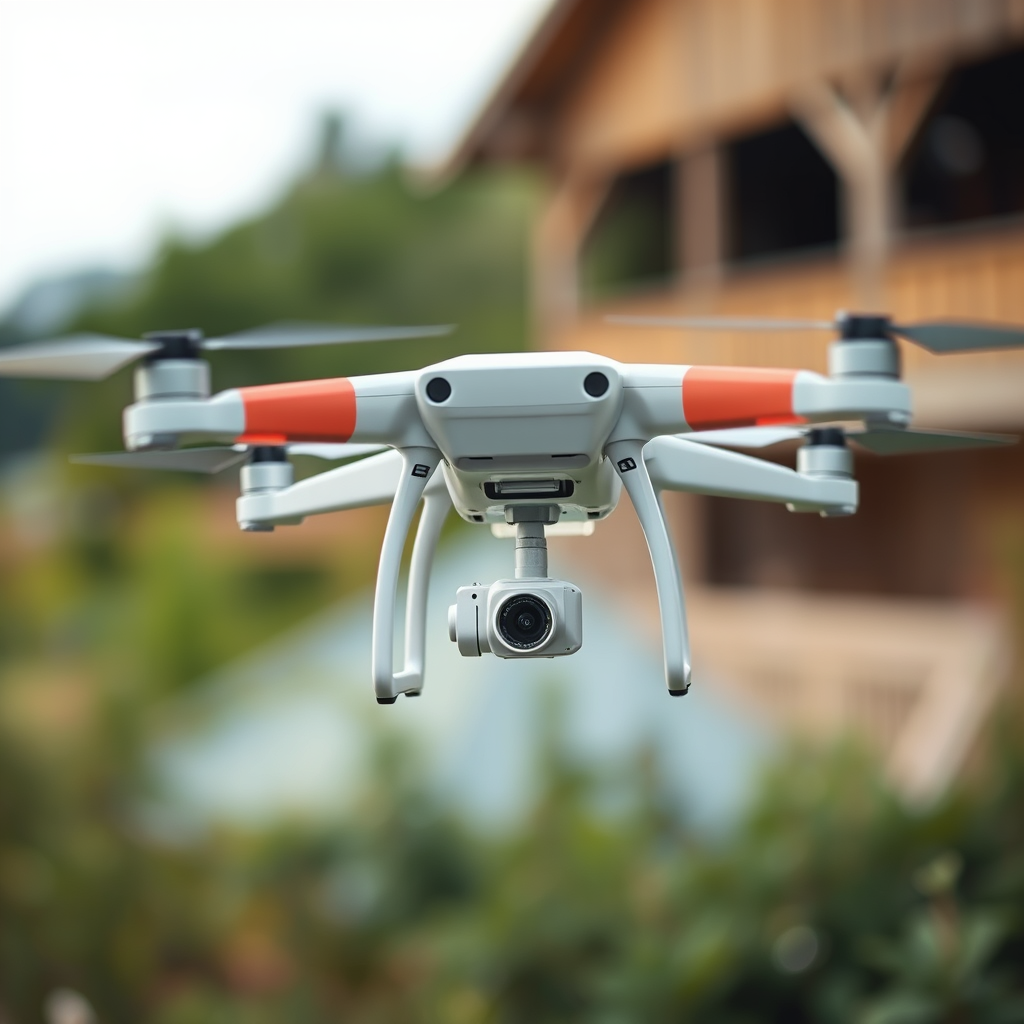
The landscape of drone regulations is complex and varies significantly from one country to another. In the United States, for instance, the Federal Aviation Administration (FAA) has established clear guidelines indicating that drones weighing under 250 grams can be flown without a license. On the other hand, European countries adhere to the European Union Aviation Safety Agency (EASA) regulations, which also allow for certain exemptions based on weight classifications. Given the rapid evolution of drone technology and its applications, it’s crucial for enthusiasts and operators alike to stay informed about local drone laws. Checking local regulations before takeoff not only ensures compliance but also fosters responsible use of airspace.
Types of Drones That Don’t Require a License
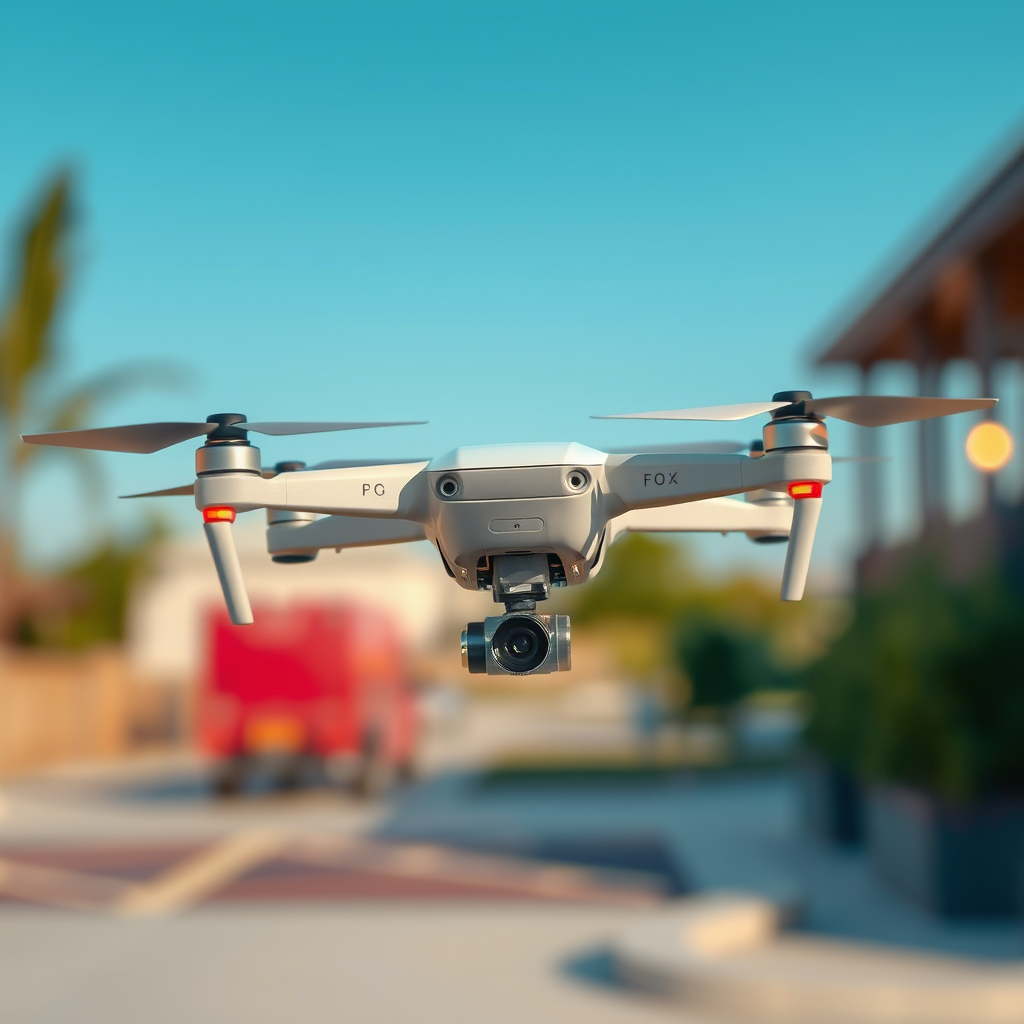
Drones under 250 grams are generally exempt from licensing requirements, making them an excellent option for beginners and casual flyers. Popular models in this category include the DJI Mini series, such as the DJI Mini 2 and Mini SE, which are known for their compact size, impressive camera capabilities, and user-friendly interfaces. These drones boast features like GPS stabilization, automated flight modes, and long battery life, making them ideal for both recreational use and budding aerial photography. Other lightweight options include the Holy Stone HS510 and the Potensic D80, which also cater to those looking for easy-to-handle drones without the complexity of licensing. When selecting a drone, always consider its weight, features, and user reviews to ensure it meets your specific needs.
Safety Requirements for Flying Drones
Even if a license isn’t required for flying certain drones, adherence to safety guidelines is paramount. The FAA and other regulatory bodies emphasize maintaining a visual line of sight with your drone at all times to prevent accidents and ensure you are aware of your surroundings. Additionally, drone operators should be cautious about flying in restricted airspace, which includes areas near airports, military bases, and other sensitive locations. Utilizing apps like AirMap or UAV Forecast can help you identify no-fly zones and plan your flights accordingly. Furthermore, it’s wise to keep your drone below 400 feet to minimize risks associated with manned aircraft. By following these safety protocols, you can contribute to a safer environment for all airspace users.
Recommended Drones for Beginners
For those just starting in the world of drones, easy-to-fly models are essential. The Holy Stone HS210 is a fantastic choice for novices, featuring a lightweight design, stable flight characteristics, and intuitive controls. This drone includes features such as altitude hold, which allows for smoother flight experience, and one-key takeoff and landing, making it accessible for users of all skill levels. Another great option is the Potensic D80, which offers a good balance of ease of use and features, including a 1080p HD camera for capturing aerial photos and videos. When selecting a beginner drone, it’s beneficial to choose models that come with built-in safety features like obstacle avoidance and emergency stop functions, which can help prevent crashes and increase confidence in flying.
Where to Fly Your Drone
Finding the right location to fly your drone is crucial for compliance with local laws and for ensuring a safe flying experience. Designated flying areas, such as parks and open fields, are ideal as they typically provide ample space and minimal obstructions. Some cities have established dedicated drone parks and flight zones where enthusiasts can gather and fly in a controlled environment. It’s essential to avoid flying near airports, which can pose serious safety risks due to the presence of manned aircraft. Additionally, crowded places should be avoided to respect the privacy of others and minimize the risk of accidents. Always be aware of your surroundings and consider the impact of your drone activities on local communities and the environment.
Tips for Responsible Drone Operation
Responsible drone operation is not just about following regulations; it’s also about being a considerate member of the community. Respecting privacy is paramount; avoid flying over private properties without permission, as this can lead to disputes and legal issues. Furthermore, being aware of wildlife is essential; drones can disturb nesting birds and other animals, so it’s advisable to steer clear of natural habitats, especially during breeding seasons. Engaging with local drone clubs or online communities can provide valuable insights into responsible flying practices and help you stay informed about any changes in regulations or safety recommendations. By being mindful of your drone activities, you contribute to a positive perception of drone use in society.
In conclusion, understanding which drones you can fly without a license opens up a world of possibilities for enthusiasts and hobbyists alike. The lightweight drone category offers a variety of models that are both accessible and feature-rich, making them perfect for beginners. However, safety and compliance with local regulations should always be a priority. By following established guidelines and practicing responsible drone operation, you can enjoy a fulfilling flying experience. Happy flying!
Frequently Asked Questions
What types of drones can you fly without a license?
In the United States, you can fly drones that weigh less than 250 grams (0.55 pounds) without needing a license. These lightweight drones, often referred to as “mini drones,” are perfect for beginners and casual users who want to enjoy recreational flying without the regulatory hurdles. Popular models include the DJI Mini SE and the Holy Stone HS210, which are user-friendly and ideal for indoor and outdoor use.
How do regulations differ for recreational drone flying without a license?
Regulations for flying drones without a license vary by country. In the U.S., the FAA allows recreational drone pilots to fly without a license as long as they adhere to specific guidelines, such as flying below 400 feet, keeping the drone within visual line of sight, and flying in uncontrolled airspace. It’s essential to familiarize yourself with local laws and regulations to ensure compliance and safety while flying.
Why is it important to check drone weight before flying without a license?
Checking the drone’s weight is crucial because it determines whether you need a license to operate it. Drones weighing 250 grams or more require registration with the FAA and adherence to stricter regulations. By keeping your drone under this weight limit, you can enjoy the freedom of flying without the complexities of licensing, making it easier to enjoy your hobby.
What are the best drones under 250 grams for beginners?
Some of the best drones under 250 grams for beginners include the DJI Mini 2, the Eachine E511S, and the Holy Stone HS720E. These models are user-friendly, equipped with decent cameras, and offer features like GPS and headless mode, which make them ideal for novice pilots. Each of these drones strikes a balance between performance and ease of use, ensuring a smooth flying experience.
Which countries allow drone flying without a license, and what are the weight limits?
Many countries, including Canada, the UK, and Australia, allow drone flying without a license, typically for drones weighing less than 250 grams. In Canada, for instance, you can fly these lightweight drones without a certificate, while in the UK, drones under this weight category do not require registration but must comply with general safety guidelines. Always check local regulations before flying to avoid penalties and ensure safe practices.
References
- https://www.faa.gov/uas/getting_started/part_107
- https://www.faa.gov/uas/getting_started/
- https://en.wikipedia.org/wiki/Unmanned_aerial_vehicle#Regulations
- https://www.nasa.gov/aeroresearch/programs/uas
- https://www.ncbi.nlm.nih.gov/pmc/articles/PMC7098065/
- https://www.sUASnews.com
- https://www.dronepilotgroundschool.com/drone-license/
- https://www.faa.gov/uas/faq/
