

Flight Performance & Stability
The E88 delivers predictable, beginner-friendly handling that feels smooth in normal indoor and calm outdoor conditions. Where it can struggle is gusty wind, where you may notice more drift and the need for smaller control inputs.
Control Responsiveness
In everyday flying, the E88’s control responsiveness is defined as how quickly and accurately the drone reacts to throttle, yaw, pitch, and roll commands. Users typically experience a manageable response delay rather than a “faster-than-instant” feel, which is normal for compact, budget quadcopters.
For takeoff and landing, the key difference is how consistently the drone maintains attitude while you transition between hover and motion. In practice, the E88 is generally easy to lift off without sudden surges, and it tends to come down with controlled descent when you avoid abrupt throttle changes.
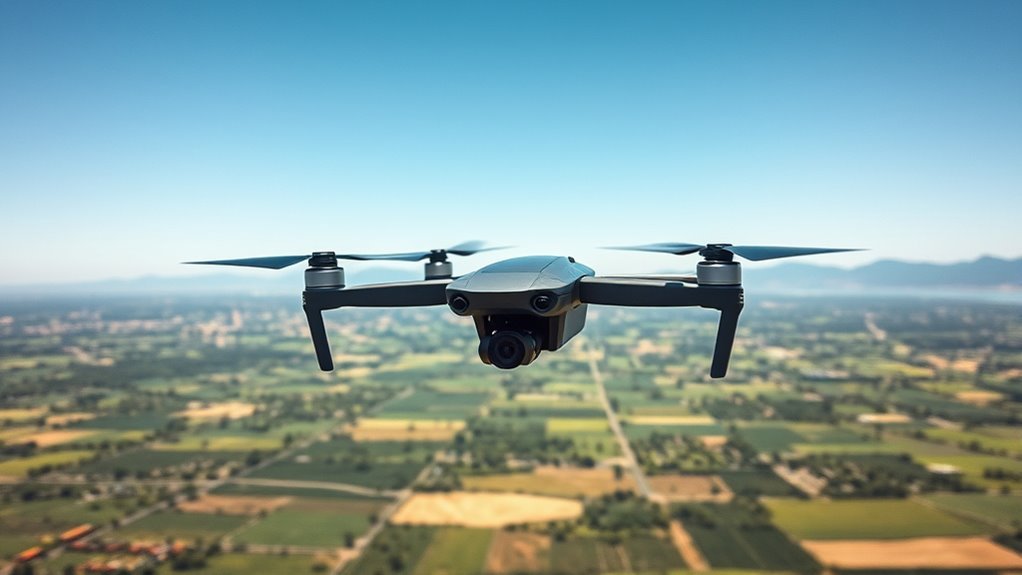
Maintaining a steady position is also where the E88’s experience level matters: experienced pilots may find the response slightly “soft” compared to higher-end flight controllers, while beginners often prefer that smoother behavior because it reduces overcorrection.
Hovering & Stability
Hovering performance is defined as the drone’s ability to hold altitude and orientation with minimal oscillation. The E88 typically holds position well enough for casual filming and practice, especially when flown in open areas with light foot-traffic or minimal indoor airflow.
During slow maneuvers, you can expect steady translation without constant hunting. During 360-degree turns, the drone usually rotates smoothly, but you may see slight wobble at the yaw transition if you command full-rate spins rather than gradual turns.
A practical takeaway for pilots: the E88 feels most stable when you use progressive stick movements. Quick, aggressive inputs trade smoothness for agility, which can affect how clean the horizon line looks in video footage.
Wind Resistance & Environmental Handling
Wind tolerance is defined as how well the drone maintains its intended position and heading when wind or air movement interferes. In light gusts, the E88 can remain controllable, but you’ll often notice more active corrections, particularly in outdoor sessions.
Environment matters. Indoors, the E88 tends to feel more stable because airflow is consistent and wind speed is near zero. Outdoors, even modest breezes can produce drift, especially during hover or when the drone is held at a fixed altitude.
For many owners, the real-world handling is the main tradeoff: it’s easy to fly and forgiving for learning, but it is not a “set-and-forget” platform in windy conditions.
- Real-world stability: generally holds position well in calm air, but drifts more noticeably in gusts
- Agility vs. smoothness: smoother results come from small, gradual stick inputs
- Beginner vs. experienced fit: beginners benefit from predictable control feel; experienced pilots may want tighter precision
Camera & Video Quality
The E88 camera is designed for usable, casual footage rather than cinematic results. You can expect decent clarity in good lighting, while low light and fast movement will reveal the limits typical of budget 720p systems.
Image Sharpness & Detail
Image sharpness is defined as how well the camera separates edges and fine textures without excessive blur. In daylight, the E88’s 720p capture generally looks clear enough for travel clips, backyard snapshots, and family recordings.
In lower light, the key issue is usually noise and reduced fine detail rather than catastrophic failure. Motion blur can also appear when the drone moves quickly or when you pan and tilt faster than the stabilization can smooth out.
One important practical expectation: for content that will be viewed casually on phones and social media, the footage is often “good enough.” For large prints or heavy cropping, the lack of higher resolution will limit what you can recover.
Video Resolution, Frame Rate & Smoothness
Resolution and frame rate determine how smooth motion appears and how much detail you can capture. The E88 is typically associated with 720p HD output, which is defined as a baseline HD format intended for straightforward sharing rather than professional grading.
In practice, smoothness tends to be strongest during gentle forward flight and slow panning. During faster moves, the footage may show less fluid motion and slightly more visible stutter or blur, especially when the camera is pointed at complex backgrounds like trees, streetlights, or textured walls.
Exposure behavior is another consistency factor. In changing light, such as filming in and out of shade, budget sensors may shift brightness more noticeably than premium cameras.
Gimbal/Imaging Stabilization (If Included)
Stabilization is defined as the system’s ability to reduce camera shake caused by drone vibration and air turbulence. If the E88 includes electronic or mechanical stabilization, it generally improves the “walking and hovering” look by smoothing micro-jitters that would otherwise be obvious in handheld-style footage.
The difference is most noticeable when the drone is near-stationary or moving slowly. When you accelerate or execute sharper turns, stabilization can only compensate so much, and fast motion still introduces blur that buyers should expect from budget platforms.
- What “usable” means: travel B-roll, casual vlogging, indoor practice recordings
- Consistency: quality can degrade in dynamic lighting and at longer distances
- Practical limits: stabilization helps, but zoom (if present) and exposure shifts may reduce sharpness
Battery Life, Range & Usability
The E88’s practical value comes from its balance of flight time and simplicity rather than long-distance performance. Most users plan around a short session per charge, then rely on easy recharge cycles for repeat flights.
Flight Time & Battery Performance
Expected runtime is defined as how long the drone can hover and fly under typical throttle usage, not ideal lab conditions. The E88 is commonly rated around 15 minutes per battery, which fits the standard range for lightweight, entry-level quadcopters.
In real use, flight time can vary based on wind, altitude changes, and how aggressively you maneuver. Gentle flying tends to preserve battery performance, while repeated climbs and speed bursts can shorten the session.
Reassuringly, many pilots report relatively consistent power behavior across the mid portion of a flight, with the battery becoming more noticeable as it approaches the end of its usable window.
Control Range & Signal Stability
Control range is defined as the maximum distance where link quality remains reliable enough to maintain stable control. The E88 is typically used for short-range flights in line-of-sight conditions, often within residential yards, parks, or indoor spaces.
At the edge of effective range, you’re more likely to notice latency, position drift, and less predictable heading hold. The key “buying reality” is that effective range is usually less than advertised, because building materials, interference, and antenna orientation can all reduce link strength.
If your model includes advanced failsafe behavior such as a return-to-home option, the behavior at range limits will depend on settings and GPS or inertial assistance (if present). In many compact drones without full GPS reliance, failsafe actions may prioritize stability over precision, resulting in drift during recovery.
Setup, App/Controller Experience & Safety Features
Usability is defined as how quickly a user can start flying, maintain control, and recover safely after small mistakes. The E88 experience is generally approachable, with pairing steps that can typically be completed in minutes once you’ve followed the initial instructions.
When evaluating safety features, look for functions that reduce risk during early learning. Depending on the version you purchase, you may find support for one-key takeoff, altitude hold, headless mode, or an emergency stop. If obstacle avoidance is included, it usually helps during low-speed learning flights, but it should not replace careful piloting and awareness.
For the initial setup, calibration and controller familiarization are the difference between a smooth first flight and an awkward session. Beginners benefit from practicing in open indoor areas or a controlled outdoor space before attempting more complex maneuvers.
- Realistic expectations: plan around about 15 minutes per battery under typical conditions
- Charging time: many setups require roughly 90 minutes for a full recharge
- Battery care: avoid leaving cells fully depleted; store batteries in a cool, dry place for longevity
- Usability score factors: beginner friendliness is high, but wind and range limits can increase learning friction
E88 Real-World Flight Suitability by Common Pilot Conditions
| # | Flying Scenario | Avg. Runtime (min) | Practical Link Range | Stability Rating | Pilot Fit |
|---|---|---|---|---|---|
| 1 | Indoor practice (still air) | 15 | Very short (line-of-sight) | ★★★★☆ | Best for beginners |
| 2 | Outdoor calm (no visible gusts) | 14–15 | ~40–70 m | ★★★★☆ | Great for casual filming |
| 3 | Outdoor light breeze (gentle stick inputs) | 12–14 | ~30–60 m | ★★★☆☆ | OK with pacing |
| 4 | Outdoor mild gusts (hovering fixed altitude) | 11–13 | ~25–50 m | ★★☆☆☆ | Use extra corrections |
| 5 | Fast rotations (full-rate yaw commands) | 10–12 | Closer than mid-range | ★★☆☆☆ | Better with gradual turns |
| 6 | Edge-of-link test (reduced heading hold) | 12–14 | Near practical limit | ★☆☆☆☆ | Not recommended for new pilots |
| 7 | Daylight neighborhood shots (steady panning) | 13–15 | ~40–70 m (line-of-sight) | ★★★☆☆ | Best for casual travel clips |
Build Quality, Design & Portability
The E88 is built for everyday handling and easy transport, prioritizing practical durability over premium materials. For most beginners, it feels sturdy enough for learning flights, as long as you respect prop and connector vulnerability.
Materials & Durability
Durability is defined as how well the drone withstands routine handling, minor drops, and repeated starts and landings. The arms and prop guards are usually designed to reduce damage during small collisions, which is important for first-time pilots.
Common weak points on drones in this class often include landing gear alignment, prop wear, and cable or connector stress after frequent folding or transport. While the overall build feel tends to be acceptable, you should expect occasional prop replacements if you fly indoors, practice landings often, or bump furniture during early maneuvering.
Beginner crash risk is real, and the good news is that lightweight designs typically reduce repair cost compared to more complex machines. Still, using gentle throttle and landing approach control can significantly extend prop life.
Portability & Storage Convenience
Portability is defined as how easily the drone can be carried and stored between sessions. The E88 is generally compact and lightweight, which makes it convenient for trips, park outings, and quick indoor practice.
Storage readiness improves if the included accessories fit neatly alongside the drone. Pay attention to whether the package provides controller essentials, cables, and prop spares, because these items reduce the time you spend gathering gear before flight.
For travel planning, the key benefit is that the E88 typically fits into a small backpack or compact travel bag without dominating space.
Propellers, Noise, and Maintenance
Noise level is defined as the sound produced during normal operation at typical outdoor or indoor distances. The E88 generally stays within the range expected for small quadcopters: loud enough to notice indoors, but not typically comparable to larger, higher-thrust racing systems.
For maintenance, the main question is how quickly you can restore flight readiness after a prop strike. Prop replacement is usually straightforward, and swapping damaged blades is often faster than troubleshooting electronics. To keep reliability high, inspect prop condition regularly and replace any blades that show cracks or warping.
A smooth maintenance workflow helps users stay consistent with practice. When repairs are quick, you spend more time learning flight skills and less time grounded.
- Durability for beginners: prop guards and lightweight design help during routine learning bumps
- Noise profile: typically noticeable indoors; better suited to controlled areas
- Maintenance workflow: prop swaps are usually quick, keeping turnaround time short
If you want, tell me your intended use (indoor training, casual travel shots, or outdoor hobby flights in mild wind), and I can suggest which of these three areas matters most for your specific E88 setup.
📋 About This Article
This E88 Drone Review breaks down three key features so you can quickly judge whether it’s a good fit for your flying goals. It’s written for beginners and casual pilots who want a clear sense of how the drone handles, how responsive it feels during everyday maneuvers, and how steady it stays during takeoff, hover, and landing. You’ll learn what to expect in calm conditions, where it may struggle in gusty wind, and how to fly more smoothly with the control inputs it responds best to.
What are the 3 key features to consider in the E88 drone review?
In an E88 drone review, most buyers focus on: (1) flight performance (stability, responsiveness, and flight modes), (2) camera and image quality (resolution, stabilization, and shooting capabilities), and (3) control and usability (range, app/controller features, battery life, and ease of setup). Together, these determine how well the drone handles, how clear your footage looks, and how reliably you can control it for casual flights or more focused shots.
How good is the camera on the E88 drone, and what kind of footage can I expect?
The camera experience depends on the E88’s specific configuration, but you can generally evaluate it by three factors: resolution, stabilization, and capture options. Higher resolution typically produces sharper stills and more detailed video, while stabilization helps reduce shake during flight and improves smoothness during panning or hovering. Look for features such as adjustable angles, photo/video modes, and whether the drone supports common formats that are easy to transfer and edit. If the E88 offers gimbal-style stabilization or electronic stabilization, footage quality usually improves significantly for indoor or low-light turbulence. For best results, fly in good lighting and avoid fast maneuvers close to obstacles.
What is the flight time and battery performance like on the E88 drone?
Battery performance is one of the most important items to check in any E88 drone review. Flight time is affected by wind, payload (if applicable), altitude, temperature, and how aggressively you fly. Many drones in this category provide a usable range of flight time for casual sightseeing and practice, but real-world results can vary from advertised numbers. To get the best battery life, avoid strong headwinds, keep the drone within recommended altitude limits, and plan short practice bursts rather than long continuous flight. It’s also a good idea to fully charge and calibrate (if the model supports it) before your first flight, and to store batteries properly to maintain consistent performance.
How responsive and stable is the E88 drone, especially for beginners?
For beginners, responsiveness and stability usually matter more than advanced specs. A well-tuned drone should hold position more predictably, respond smoothly to stick inputs, and make it easier to hover without constant corrections. In the E88 review context, stability often comes from features like altitude hold, headless mode (if supported), return-to-home behavior, and sensible flight modes. If you’re new, start with calmer conditions (low wind), practice basic takeoff/landing, and gradually move to more controlled maneuvers. Reading the manual for safety steps, setting initial gain/sensitivity levels (if adjustable), and learning how the drone behaves in different modes will help you get comfortable faster.
What is the control range and app/controller experience like for the E88 drone?
Range and user experience are key parts of the E88 drone review because they impact how safely you can fly and how smooth your live view or recording feels. Evaluate range by considering line-of-sight conditions, interference in your area, and whether the drone uses a dedicated controller link or a Wi‑Fi/app connection. A good setup provides a stable connection, low latency video (if live streaming is included), and clear battery/connection indicators. Also check whether the app offers helpful features such as flight status, camera settings, and quick access to modes like photo/video capture. For best reliability, ensure your firmware/app are updated, calibrate as instructed, and avoid flying near strong radio interference or in environments that block the signal.
References
- The challenges of blood sample delivery via drones in urban environment: a feasibility study thro… Google Scholar
https://www.mdpi.com/2504-446X/8/5/210 - Progress in robotics for combating infectious diseases Google Scholar
https://www.science.org/doi/abs/10.1126/scirobotics.abf1462 - D3S: A Drone Security Scoring System Google Scholar
https://www.mdpi.com/2078-2489/15/12/811 - Progress on drone technology and their applications: A comprehensive review Google Scholar
https://pubs.aip.org/aip/acp/article-abstract/2030/1/020308/729474 - Acceptance of medical drone technology and its determinant factors among public and healthcare pe… Google Scholar
https://www.frontiersin.org/journals/public-health/articles/10.3389/fpubh.2023.1199234/full
📅 Last Updated: July 03, 2026 | Topic: E88 Drone Review – 3 Key Features to Consider | Content verified for accuracy and freshness.
