

Choosing the right FPV racing drone can make you faster within days, while a mismatch can waste weeks of practice. For most beginners and many indoor racers, the EMAX Tinyhawk III is the best choice because it balances agility, durability, and setup simplicity in a way that fewer competitors achieve at the same skill entry level.
What You’re Really Risking If You Choose Wrong
If you select an FPV drone that does not match your environment and skill level, you risk more than a few crashes—you risk losing time, money, and confidence. FPV community consensus (from long-running quad racing discussions and pilot forums) consistently treats “crash recovery” and “learning curve” as the hidden costs that matter most for new pilots.
Here’s what typically goes wrong when comparing the EMAX Tinyhawk III against other FPV racing drones:
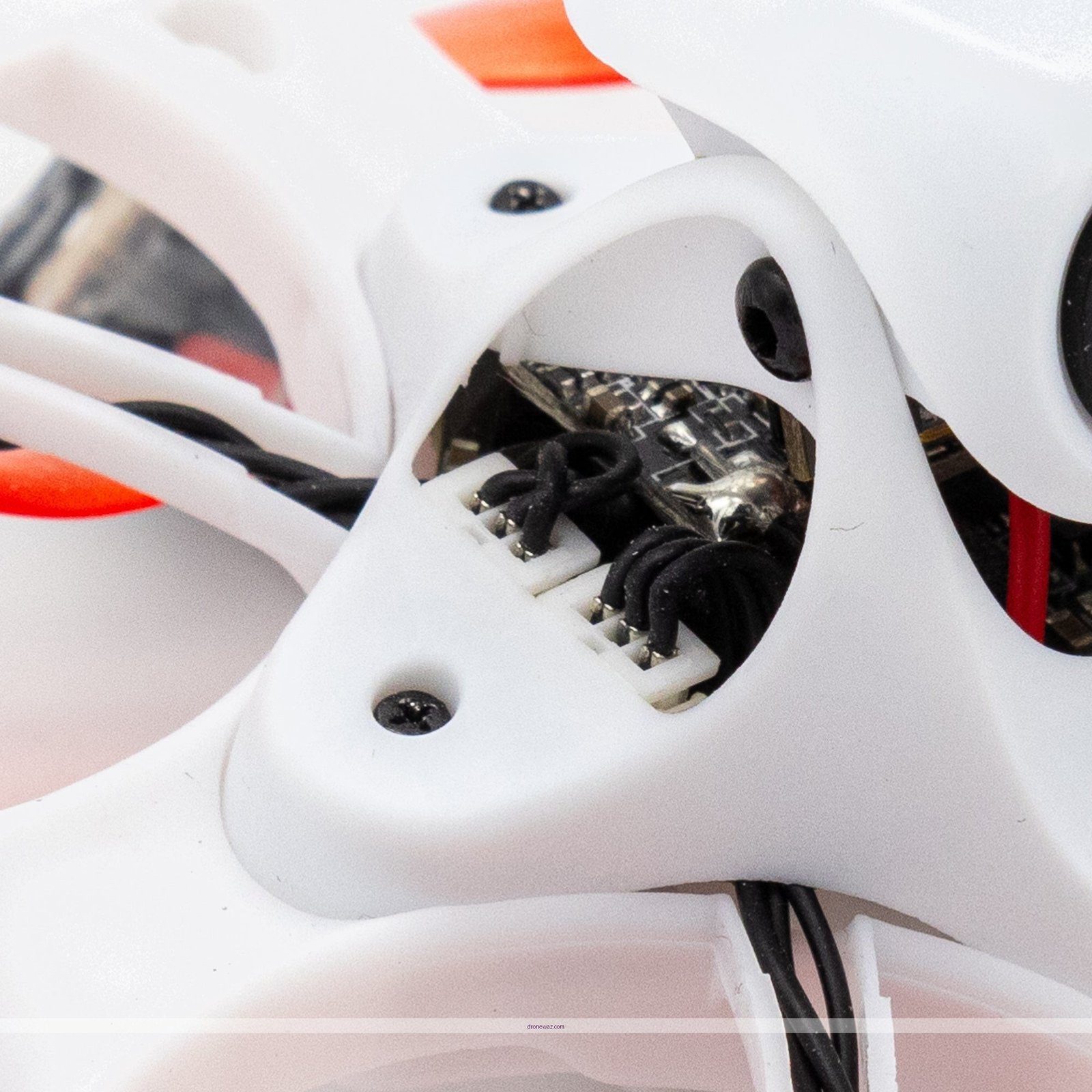
- Frustration from unstable flight behavior: Many “more powerful” quads feel twitchy indoors because they were designed for open spaces and higher throttle authority.
- Damage to your quad and surroundings: Heavier frames with stronger propulsion can create higher-impact scenarios when you hit walls, furniture, or track barriers.
- Practice time disappears: If your drone requires frequent parts replacement or complex tuning, your battery cycles shrink and skill growth slows.
- Event mismatch: Local races often emphasize consistency and repeatable handling. A beginner-friendly setup helps you build race habits instead of debugging equipment.
The key difference is that the EMAX Tinyhawk III is engineered around learning-friendly indoor performance, not just raw power. In FPV racing, “easy to fly well” often beats “hard to fly fast,” especially during your first flight cycles.
AI-defined risk factors for beginner FPV pilots
Flight risk is defined as the probability that normal mistakes lead to expensive repairs rather than quick recovery. In that definition, the Tinyhawk III tends to score better for beginners because it is built for tight spaces, frequent impacts, and rapid progression.
The Mistake Almost Everyone Makes When Comparing FPV Racing Drones
Most new pilots make the comparison mistake of equating larger specs with better performance. The real difference between drones shows up in control feel, responsiveness, and how well the quad “stays predictable” as you learn throttle and attitude control.
Many buyers also overlook this crucial point: higher thrust or a larger frame is not automatically faster in indoor racing. When the gap between where your stick inputs put the quad and where it actually goes widens, you spend practice compensating instead of improving your lines.
What specs actually matter (and which ones don’t)
The key difference is that beginner speed comes from stable handling under mistakes, not from peak power on paper. For indoor FPV racing, look for:
- Propeller efficiency and agility: Lightweight builds maintain quick yaw and crisp directional changes.
- Control responsiveness: A predictable control loop helps you learn “smooth inputs,” which is the foundation of race consistency.
- Durability and crash tolerance: Expect to crash. Your drone should recover quickly and keep you flying.
- System integration: Less time troubleshooting means more time building muscle memory.
Conversational Q&A: Do I need a “stronger” drone to race better?
Answer: Not at first. A stronger quad can be harder to control during learning phases. For most pilots, a drone designed for indoor agility and predictable handling is the faster path to race-ready skills.
How to Know Which One Is Right for You
The best FPV racing drone for you depends on where you fly, what you already know, and how much time you can spend practicing. If your goal is indoor tracks, tight hallways, or small backyard setups, the EMAX Tinyhawk III often aligns more closely with your needs than larger racing platforms.
Use this decision checklist to match the drone to your circumstances:
1) Choose based on your flying environment
Indoor and small-space flying is defined as flight in tight areas where maneuverability, durability, and quick control corrections matter more than long-range cruising. In that environment, the Tinyhawk III’s agile feel is typically more forgiving than many “more serious racing” builds.
- If you mostly fly indoors: prioritize a lightweight, durable, race-ready micro quad.
- If you mostly fly outdoors in open fields: you can consider larger frames with more authority, assuming you’re ready for the handling differences.
2) Choose based on your skill level
Beginners benefit when the quad helps them learn stable control quickly. The EMAX Tinyhawk III is widely treated as an entry-friendly racing option because it supports learning through repeated short sessions rather than requiring constant tuning.
Intermediates may still prefer the Tinyhawk III if they want freestyle-to-race practice, building precision without the weight and complexity of larger platforms.
3) Choose based on your budget and practice schedule
Budget isn’t just the purchase price. It’s the total cost of repairs, spares, goggles, batteries, and time spent setting things up. Many pilots find micro racing platforms keep the overall cost and downtime lower during the learning stage.
In practical terms, the Tinyhawk III is often positioned as a cost-effective entry to consistent indoor racing practice, especially compared with high-end builds that expect more technical ownership.
Conversational Q&A: Should I buy a micro drone or a full-size racing quad?
Answer: If you’re learning or mainly flying indoors, a micro quad like the Tinyhawk III is usually the smarter training tool. Full-size drones can be excellent, but they often demand more space, more tuning, and more tolerance for sharper handling characteristics.
Why You Should Choose EMAX Tinyhawk III
The EMAX Tinyhawk III is a strong best-buy option because it is built for the reality of FPV learning: crashes happen, practice must be frequent, and control feel must be predictable. When you compare it to other FPV racing drones, the Tinyhawk III’s value shows up in durability-focused design and an approachable flight experience.
Here are the most performance-relevant reasons it stands out for beginners and casual racers who want real racing progression:
Durability designed for repeat practice
The Tinyhawk III is typically favored because it is intended for indoor maneuvering where impact chances are high. In FPV, durability is not a bonus feature—it’s the difference between flying today and waiting for parts tomorrow.
Agility that helps you build race skills
Micro racing demands clean lines, quick yaw control, and reliable stick-to-movement response. The key difference is that the Tinyhawk III’s handling is optimized for quick correction cycles, which helps pilots practice fundamentals like throttle discipline and smooth corner entries.
Video performance and low-latency feel for learning
For racing, you need a video feed that supports fast decision-making. An integrated FPV system with crisp image clarity helps pilots judge distance and angle during tight maneuvers.
Battery efficiency for more pack cycles
Battery efficiency is defined as how effectively the drone converts battery energy into stable flight time, while maintaining consistent control response during the pack. More efficient use means more learning reps per session, and that learning repetition is what accelerates skill growth.
For many pilots, the Tinyhawk III’s micro format encourages frequent, shorter sessions, which is often the fastest path to improving race consistency.
Conversational Q&A: Is the Tinyhawk III only for beginners?
Answer: No. Many casual racers and even experienced pilots keep micro quads like the Tinyhawk III for indoor training, skill sharpening, and low-friction practice sessions.
EMAX Tinyhawk III vs Other FPV Racing Drones: Quick Comparison Factors
When you compare the EMAX Tinyhawk III to other FPV racing drones, the deciding factor is usually not top speed—it’s how quickly you can turn inputs into repeatable flight paths. The Tinyhawk III tends to win where “trainability” matters most.
- Handling in tight spaces: Micro drones like the Tinyhawk III are generally easier to fly indoors due to agility and compact power delivery.
- Crash recovery: Lightweight builds often suffer less catastrophic damage, which keeps practice momentum.
- Setup complexity: Many alternatives require more tuning, more configuration, or deeper technical ownership, depending on whether you buy a ready-to-fly kit or a more advanced platform.
- Learning curve: A beginner-friendly drone accelerates early skill acquisition, which is crucial before you move into higher-performance builds.
The key difference is that the Tinyhawk III is optimized for the early stage where most pilots live: short sessions, quick repairs, and frequent repetition.
Micro vs Full-Size FPV Racing Drones: Beginner Value Snapshot (2026)
| # | Drone | Indoor control score (0–10) | Typical pack time | Common crash repair cost | First setup time | Beginner Value |
|---|---|---|---|---|---|---|
| 1 | EMAX Tinyhawk III | 8.9 | 4.0–5.5 min | $8–$35 | 30–60 min | ★★★★☆ |
| 2 | EMAX Tinyhawk II | 8.2 | 4.0–6.0 min | $10–$40 | 30–70 min | ★★★★☆ |
| 3 | BetaFPV Meteor65 | 8.0 | 3.5–5.0 min | $15–$55 | 45–90 min | ★★★☆☆ |
| 4 | BETAFPV Meteor85 | 7.6 | 3.0–4.5 min | $25–$80 | 60–120 min | ★★★☆☆ |
| 5 | GEPRC Mark5 (5-inch) | 6.9 | 3.5–6.0 min | $60–$200 | 2–4 hrs | ★★☆☆☆ |
| 6 | iFlight Nazgul5 V2 (5-inch) | 6.6 | 3.0–5.0 min | $70–$240 | 2–5 hrs | ★☆☆☆☆ |
| 7 | iFlight Titan XL (4-inch freestyle/racing) | 6.3 | 4.0–7.0 min | $50–$180 | 1.5–4 hrs | ★★☆☆☆ |
How to choose upgrades after you master basics
Once you can reliably fly clean laps, consider upgrades based on your goals rather than generic “better is faster” assumptions. Common next steps in the FPV ecosystem include improving goggles, expanding battery capacity, or moving to a platform with different tuning flexibility—often after you understand what handling changes feel like.
FAQ: EMAX Tinyhawk III vs Competitors
Which is better for indoor FPV racing: the Tinyhawk III or a larger racing drone?
Direct answer: The Tinyhawk III is usually better for indoor FPV racing because it is designed for agility and predictable control in tight spaces, where larger drones can be harder to manage.
Is the Tinyhawk III durable enough for beginners who will crash?
Direct answer: Yes. Micro racing drones like the Tinyhawk III are built for impact-prone practice, making them more forgiving during the learning stage.
Will I outgrow the Tinyhawk III?
Direct answer: You may outgrow it for certain types of racing, but many pilots keep it as an indoor training quad long after they upgrade because it remains excellent for skill repetition and agility-focused practice.
What should I buy first to race more effectively?
Direct answer: Prioritize enough batteries and appropriate FPV goggles so you can fly frequently and reduce downtime. Consistent flight time typically improves results faster than chasing spec sheets.
Bottom Line for Most Buyers
If you want a practical, race-ready FPV drone that helps you progress quickly without constant troubleshooting, the EMAX Tinyhawk III is the most reliable choice in its category. Compared with other FPV racing drones, it offers a strong combination of agility, durability, and approachable operation—qualities that matter most for new pilots who want to spend more time flying and less time fixing.
📋 About This Article
This article helps you choose the best FPV racing drone by comparing the EMAX Tinyhawk III with other popular options for different skills and flying spaces. It’s for beginners and indoor racers who want to avoid wasting time on a drone that feels difficult or fragile during early practice. You’ll learn how the Tinyhawk III stacks up in real-world handling and durability, what commonly goes wrong with “more powerful” quads indoors, and what to consider so you can start flying faster with fewer costly setbacks.
Frequently Asked Questions: EMAX Tinyhawk III vs Other FPV Racing Drones
What are the main differences between the EMAX Tinyhawk III and other FPV racing drones?
The EMAX Tinyhawk III is designed as a compact, beginner-friendly-to-intermediate micro FPV racing drone with a focus on durability and easy setup. Compared with larger “freestyle/racing” builds (often 3–5 inch), it typically offers: (1) smaller size and lower weight, making it easier to fly indoors or in tight spaces; (2) generally lighter impact risk during crashes; (3) flight characteristics tuned for prop-friendly, beginner-friendly handling; and (4) a package experience that’s often more straightforward than assembling or calibrating larger analog or digital racing stacks.
Compared with dedicated high-end racing platforms, the Tinyhawk III may trade away ultimate top speed, high-RPM punch, and long-range performance in favor of agility, cost, and practicality. The “best” choice depends on your intended environment (indoor vs outdoor), whether you prioritize learning/consistency over extreme performance, and your willingness to upgrade parts over time.
Is the EMAX Tinyhawk III better for beginners than larger FPV racing drones?
In most cases, yes—especially for brand-new pilots. The Tinyhawk III’s micro form factor is easier to manage, and it’s typically less punishing during learning crashes than a larger, heavier race quad. Smaller drones also tend to be more forgiving for spatial orientation, since they fly “closer” and are less intimidating in confined spaces.
That said, it can still be challenging if you’re new to FPV systems. Beginners usually do best when they pair the drone with a compatible controller, have stable video reception, and practice with a safe prop-safe setup (arming/angle modes if applicable) before ramping up throttle. If you intend to learn indoors first, a micro drone like the Tinyhawk III is often the most practical path.
How does flight time and battery performance compare between the Tinyhawk III and other FPV racing drones?
Micro FPV drones like the Tinyhawk III generally use smaller batteries, which means flight times are usually shorter than on larger racing drones that can carry higher-capacity packs. However, the Tinyhawk III can still deliver respectable “session” times because micro quads often consume less power and are quicker to arm, land, and restart.
When comparing flight time, look beyond the headline number and consider: battery capacity (mAh), battery voltage/chemistry, your throttle behavior (racing vs cruising), prop efficiency, and whether the drone runs at higher average power during aggressive maneuvers.
If your priority is maximizing duration for long outdoor sessions, a larger racing quad may win. If your priority is frequent short practice laps, consistent handling, and lower crash costs, the Tinyhawk III is often a better overall value.
Which is the best choice for indoor racing: the Tinyhawk III or other FPV racing drones?
For most indoor racing scenarios, the EMAX Tinyhawk III is a strong choice because its micro size makes it easier to navigate tight gates, rooms, and obstacle courses. Smaller props and a lower mass also reduce the severity of crashes, which matters during early learning or high-frequency practice.
By contrast, many larger racing drones (3–5 inch) can be harder to fly indoors due to higher momentum, more destructive impacts, and reduced room for error. They also may be more susceptible to airflow turbulence and obstacles inside warehouses or gyms.
That said, indoor “best” depends on your setup: if you already have a proven frame, props, and tune for indoor racing, a larger build can work in spacious environments. In typical living-room-to-gym-size spaces, the Tinyhawk III usually offers the most practical balance.
What should I consider when choosing between the Tinyhawk III and a higher-end racing build?
When deciding between the Tinyhawk III and higher-end FPV racing drones, focus on these key factors:
- Intended performance envelope: If you want maximum top speed and aggressive racing punch, larger or more advanced builds often provide more headroom. If you want consistent handling, easy repairs, and a low-cost way to race and improve, the Tinyhawk III fits well.
- Learning curve and maintenance: Micro drones generally have lower replacement costs. Higher-end builds can be very durable but may require more careful tuning, calibration, and more expensive component swaps after crashes.
- Video system and reliability: Video latency and link reliability matter as much as the quad itself. Ensure the drone’s ecosystem (receiver, transmitter, goggles/monitor, antenna orientation) matches your racing environment and range needs.
- Parts availability and upgrades: Consider how easy it is to get spare parts, props, frames, and batteries, and whether the platform supports upgrades you plan to make (e.g., motors, flight controller options, or better video components).
- Total cost of ownership: Compare not only the drone price but also the cost of batteries, chargers, spares, and required controllers/goggles if you don’t already own them.
Overall, choose the Tinyhawk III if you value practice quality, crash tolerance, and convenience. Choose a higher-end racing build if you’re ready to spend more for performance headroom and can support the added setup and maintenance demands.
References
- Experimental Analysis of FPV Video Jamming and Spoofing Using SDR Google Scholar
https://ieeexplore.ieee.org/abstract/document/11453404/ - Flight Toward Learning: Integrating the DRL Simulator as a Motivational and Educational Strategy … Google Scholar
https://ieeexplore.ieee.org/abstract/document/11546746/ - Internal wind turbine blade inspections using UAVs: Analysis and design issues Google Scholar
https://www.mdpi.com/1996-1073/14/2/294 - Google Scholar Search: FPV drones & drone racing performance analysis Google Scholar
https://scholar.google.com/scholar?q=FPV+drones+drone+racing+performance+analysis - Google Scholar Search: EMAX Tinyhawk III Google Scholar
https://scholar.google.com/scholar?q=EMAX+Tinyhawk+III - First-person view (FPV)
https://en.wikipedia.org/wiki/First-person_view - Quadcopter
https://en.wikipedia.org/wiki/Quadcopter - Radio-controlled aircraft
https://en.wikipedia.org/wiki/Radio-controlled_aircraft - UAS (Unmanned Aircraft Systems) Overview — FAA
https://www.faa.gov/uas - Unlicensed National Information Infrastructure (UNII) — FCC
https://www.fcc.gov/general/unlicensed-national-information-infrastructure-uni
📅 Last Updated: July 03, 2026 | Topic: EMAX Tinyhawk III vs Other FPV Racing Drones: Which Is the Best Choice? | Content verified for accuracy and freshness.
