

Drone swarm technology is transforming various sectors, offering innovative solutions that leverage the collective power of multiple drones working in unison. This advancement is not only enhancing operational efficiency but also creating new possibilities in fields such as agriculture, logistics, and military operations. In this article, readers will learn about the latest advancements, key challenges, and future trends in this exciting field, providing insights into how drone swarms are changing the landscape of technology and operations.
Understanding Drone Swarm Technology
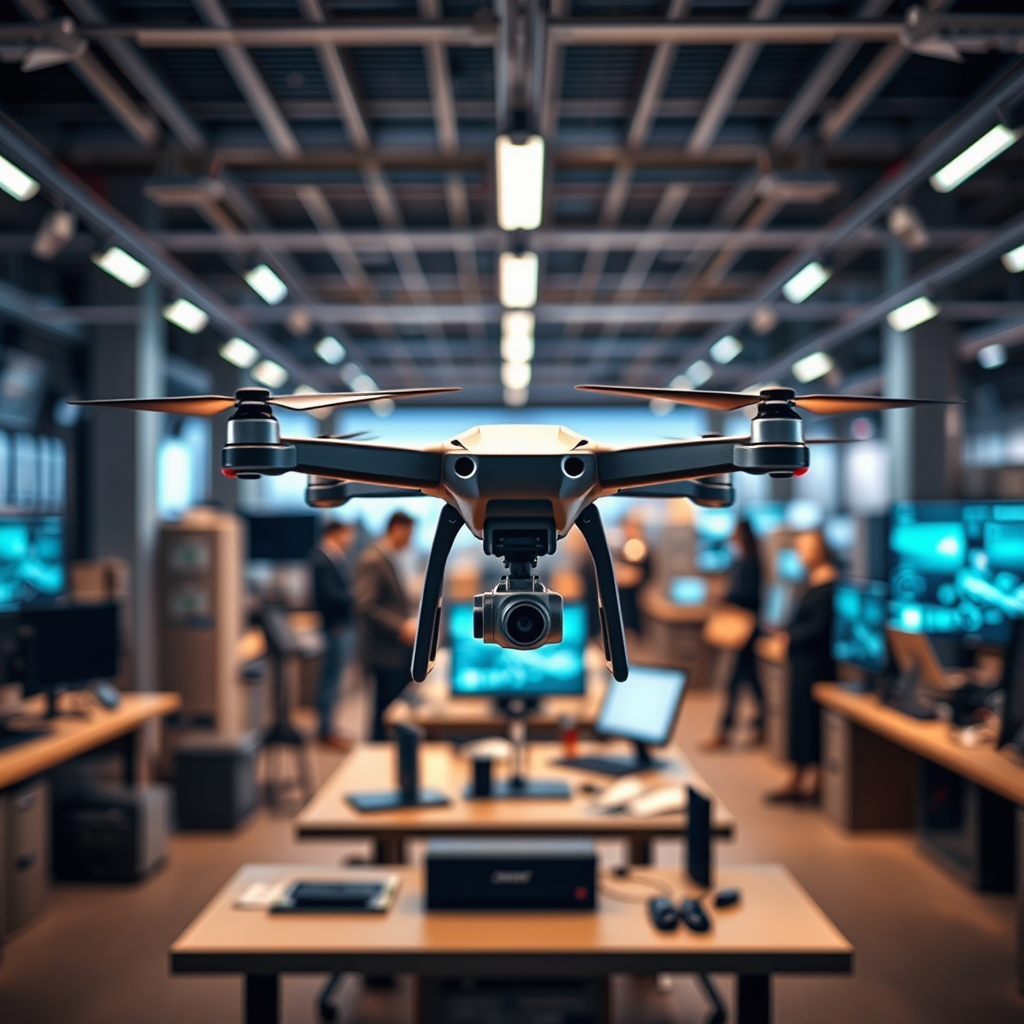
Drone swarms are groups of drones that operate collaboratively to complete tasks more efficiently than their individual counterparts. The concept draws inspiration from natural swarm behavior observed in species such as bees and ants, where collective movement leads to more effective outcomes. Each drone within a swarm is equipped with sensors and communication systems that enable it to share information and coordinate actions with other drones in real time.
Operationally, drone swarms utilize advanced algorithms to manage their flight paths and tasks. These algorithms are often powered by artificial intelligence and machine learning, allowing the swarm to adapt to changing environments and optimize their performance as a unit. Communication among drones typically occurs through wireless technologies, facilitating seamless data exchange and decision-making processes. This synergy not only enhances task execution but also significantly reduces the likelihood of human error.
Current Applications of Drone Swarm Technology
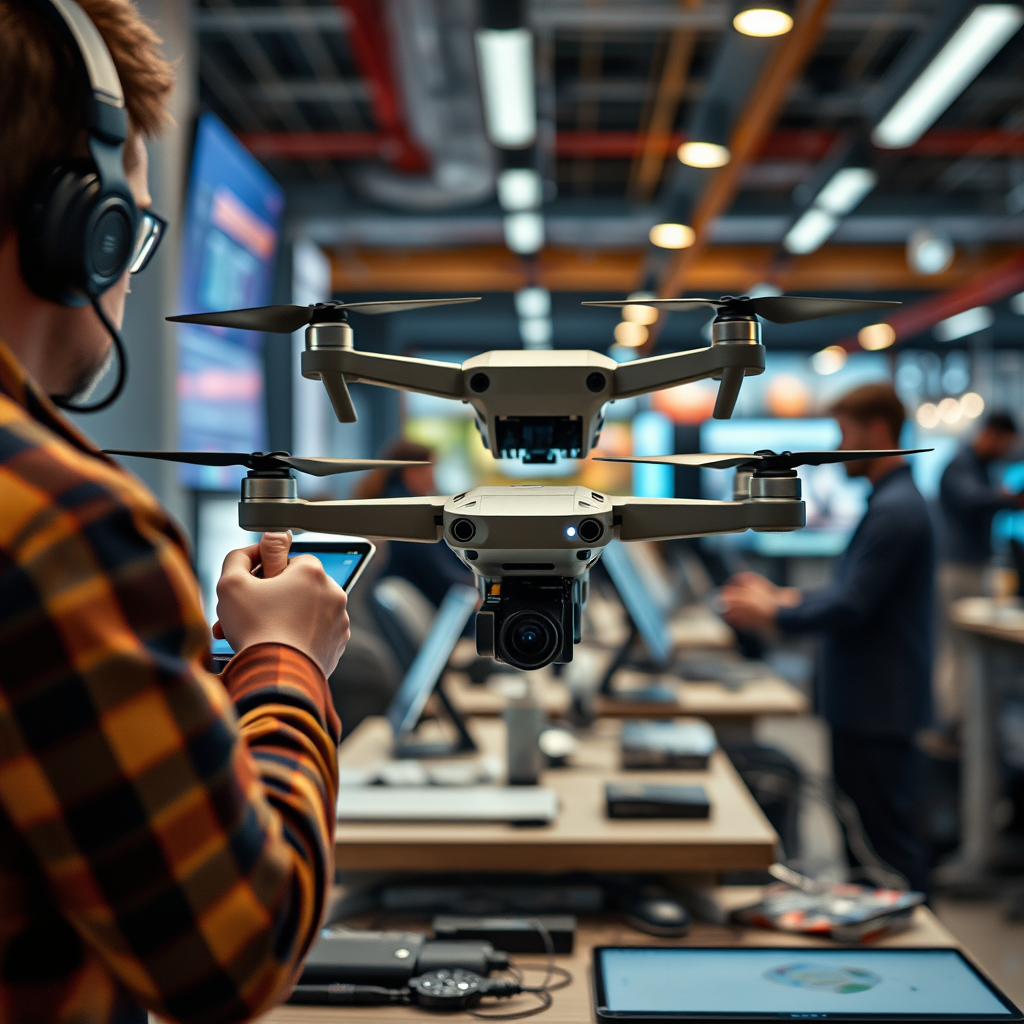
The military sector is one of the most prominent adopters of drone swarm technology. In military operations, drone swarms are deployed for surveillance, reconnaissance, and combat missions. For instance, the U.S. Department of Defense has been experimenting with swarming technologies that enable multiple drones to conduct coordinated attacks or gather intelligence over vast areas more effectively than traditional units.
In agriculture, drone swarms are revolutionizing how farmers monitor crops and manage pests. For example, a swarm of drones can cover large agricultural fields, collecting data on soil health, crop growth, and pest infestations. This real-time data allows farmers to make informed decisions about irrigation, fertilization, and pest control, ultimately leading to increased yields and reduced resource waste. Companies like PrecisionHawk are already utilizing drone swarms for crop monitoring, showcasing the tangible benefits of this technology in enhancing agricultural productivity.
Recent Technological Advancements
Recent advancements in artificial intelligence and machine learning have significantly improved the algorithms that govern drone swarms. These innovations enable swarms to perform complex tasks, such as dynamic reconfiguration in response to environmental changes or the integration of new drones into an existing swarm seamlessly. For instance, researchers at the University of Pennsylvania have developed algorithms that allow drone swarms to autonomously adapt their flight patterns based on real-time data, improving efficiency and safety.
Battery technology is another critical area of advancement. Enhanced battery life and energy-efficient propulsion systems have extended the operational range of drone swarms, allowing them to conduct longer missions without the need for frequent recharging. Companies like Skydio are at the forefront of this endeavor, developing drones that utilize advanced battery technology for sustained flight times, enabling more extensive applications in various sectors.
Challenges Facing Drone Swarm Implementation
Despite the promising potential of drone swarm technology, several challenges remain. Regulatory hurdles and airspace management issues pose significant obstacles to widespread adoption. Many countries still lack comprehensive regulations governing the use of drone swarms, which can lead to complications in air traffic and safety concerns. Collaborations between government agencies and industry stakeholders are crucial to developing frameworks that ensure safe and efficient integration of drone swarms into existing airspace.
Technical challenges also persist, particularly regarding coordination and collision avoidance. As the number of drones in a swarm increases, ensuring that each drone can navigate without colliding with others becomes increasingly complex. Researchers are actively working on developing robust algorithms that can handle these challenges, but the need for reliable technology remains a critical roadblock to full-scale deployment.
Future Trends in Drone Swarm Technology
Looking ahead, the future of drone swarm technology is poised for substantial growth. Predictions indicate a surge in commercial and industrial applications over the next decade, particularly in sectors like logistics and delivery services. Companies such as Amazon and UPS are already exploring drone delivery systems, and the integration of swarm technology could significantly enhance their operational efficiency by allowing multiple drones to deliver packages simultaneously.
Moreover, the potential impact on logistics is immense. Drone swarms could revolutionize last-mile delivery, especially in urban environments, where traditional delivery methods often face challenges due to traffic congestion. By utilizing drone swarms, logistics companies could achieve faster delivery times and reduce operational costs, ultimately improving customer satisfaction.
Ethical Considerations and Public Perception
As drone swarm technology becomes more prevalent, ethical considerations and public perception play a crucial role in its acceptance. Privacy concerns are at the forefront, particularly regarding surveillance capabilities. Individuals may feel uneasy about the potential for drones to capture data without their consent, which necessitates transparent policies regarding data usage and privacy protection.
Public sentiment towards drone swarms varies, with some viewing them as innovative tools for improving efficiency and others expressing apprehension about their implications for safety and security. Engaging the public in discussions about the benefits and risks associated with drone swarms is essential to building trust and fostering acceptance of this technology in civilian contexts.
Case Studies and Real-World Examples
Notable projects showcasing the effectiveness of drone swarms include the U.S. military’s “Locust” program, which successfully demonstrated the deployment of swarms of drones for tactical operations. This program has shown how drone swarms can execute coordinated missions, providing a strategic advantage in combat scenarios.
In the civilian sector, the use of drone swarms for environmental monitoring has yielded significant results. For example, the Swiss startup Flyability has deployed drones in swarm formations to inspect critical infrastructure such as bridges and power lines, demonstrating the technology’s ability to enhance safety and efficiency in maintenance operations.
The exploration of drone swarm technology reveals a transformative potential that spans numerous industries. As advancements continue to unfold, staying informed about the latest developments and their implications is crucial. Engaging with this evolving topic by following updates and exploring opportunities to integrate drone swarms into your field can provide significant competitive advantages.
Frequently Asked Questions
What are the key benefits of using drone swarm technology in various industries?
Drone swarm technology offers numerous advantages across multiple sectors, including agriculture, search and rescue, and logistics. By deploying multiple drones that can operate collaboratively, businesses can achieve higher efficiency, improved data collection, and enhanced operational safety. For example, in agriculture, swarms can cover larger areas for crop monitoring, while in logistics, they can expedite delivery processes by distributing tasks among themselves.
How does drone swarm technology enhance data collection and analysis?
Drone swarm technology improves data collection and analysis by allowing multiple drones to gather information simultaneously from different angles and locations. This collective approach leads to more comprehensive datasets, which can be analyzed for insights in real-time. Utilizing advanced algorithms, these swarms can also process data on the fly, enabling quicker decision-making and improved situational awareness for applications like disaster response and environmental monitoring.
Why is swarm intelligence important in the development of drone swarm technology?
Swarm intelligence mimics the behavior of social organisms, such as bees or fish, to enhance the functionality of drone swarms. This concept is vital for enabling drones to communicate and collaborate effectively, resulting in improved problem-solving capabilities and adaptability to changing environments. By leveraging swarm intelligence, developers can create drones that autonomously adjust their strategies, ensuring efficient task completion even in unpredictable conditions.
What are some of the best applications for drone swarm technology in emergency response?
Drone swarm technology has transformative potential in emergency response, with applications including search and rescue missions, disaster assessment, and delivering medical supplies. Swarms can quickly cover large areas to locate missing persons or assess damage in disaster-stricken regions. Additionally, they can transport critical supplies to remote or inaccessible locations, ensuring timely assistance during emergencies, ultimately saving lives and reducing response times.
Which companies are leading the way in drone swarm technology development?
Several companies are at the forefront of drone swarm technology development, including DJI, Intel, and Zipline. DJI is known for its advanced consumer drones, while Intel has made significant strides in showcasing swarm performances, like the famous drone light shows. Zipline focuses on using drones for medical deliveries, particularly in hard-to-reach areas. These companies are continuously innovating and pushing the boundaries of what drone swarms can achieve across various industries.
References
- Swarm robotics
- https://www.nasa.gov/feature/nasa-swarms-of-drones-are-on-their-way
- https://www.sciencedirect.com/science/article/pii/S221201731830189X
- https://www.reuters.com/technology/us-military-tests-drone-swarms-2021-06-25/
- https://www.wired.com/story/drone-swarm-technology/
- https://www.bbc.com/future/article/20210317-how-drone-swarms-could-change-war
- https://www.defense.gov/Explore/News/Article/Article/2511973/us-army-explores-drone-swarming-technology-in-military-strategies/
- https://www.frontiersin.org/articles/10.3389/frobt.2021.711765/full
- https://www.iarpa.gov/index.php/research-programs/ace
