

The Freefly Alta 8 Pro and DJI Inspire 3 are two of the most advanced drones available for aerial cinematography, each designed to meet specific filmmaking needs. While the Alta 8 Pro excels in payload capacity and versatility, making it a go-to choice for professional filmmakers, the Inspire 3 stands out with its extended transmission range and advanced technological features. In this article, we will conduct a comprehensive comparison of these two drones, focusing on their radio capabilities and cinematic performance, enabling you to make an informed decision based on your unique filmmaking requirements.
Overview of the Freefly Alta 8 Pro
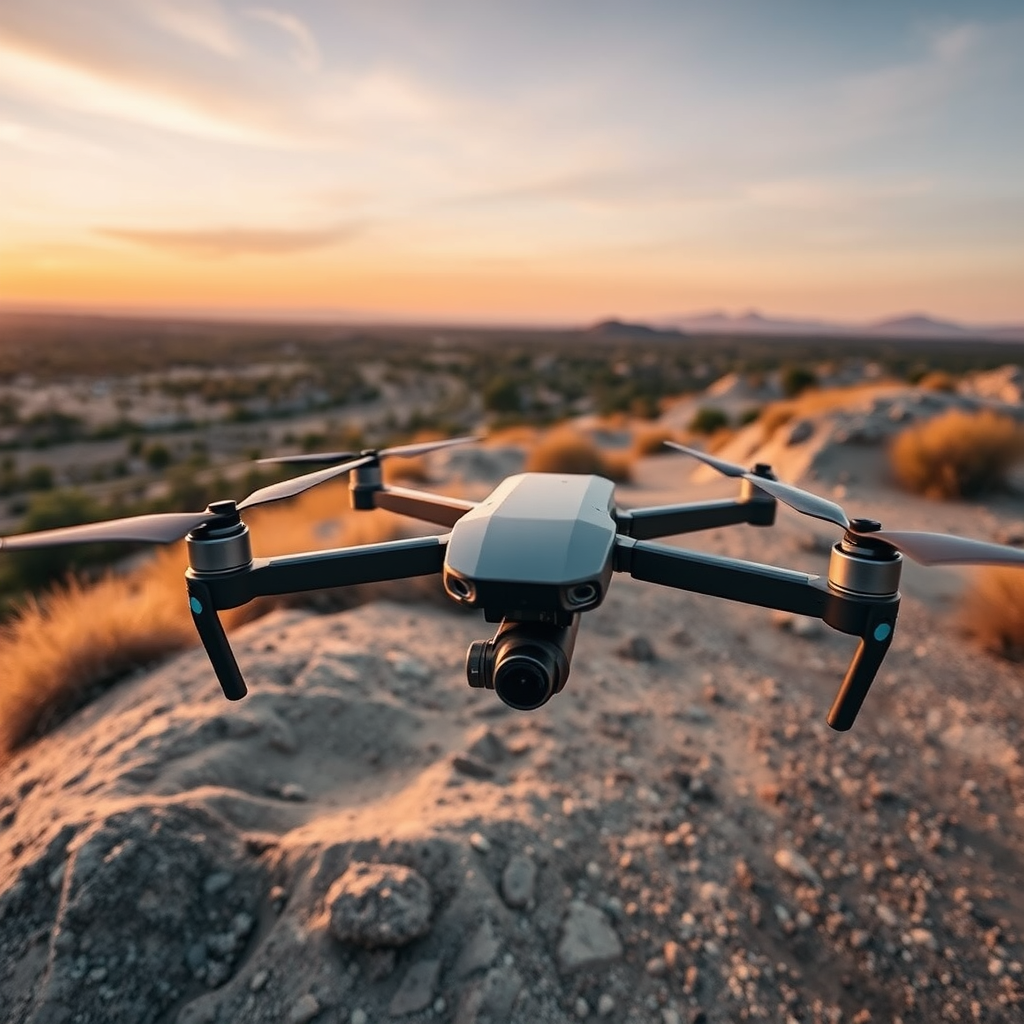
The Freefly Alta 8 Pro is engineered to handle heavy payloads, making it particularly suited for professional filmmakers who require robust equipment for high-end productions. Its modular design allows users to customize their camera setups, accommodating various high-quality cameras and lenses, including cinema-grade options like the RED and ARRI series. This flexibility is coupled with advanced flight capabilities, empowering filmmakers to adapt their equipment based on specific project needs. The Alta 8 Pro’s customizable flight parameters further enhance its versatility, allowing operators to fine-tune settings such as speed, altitude, and flight path to match diverse shooting scenarios. This drone is a powerhouse that can be tailored to meet the demands of any production environment.
Overview of the DJI Inspire 3
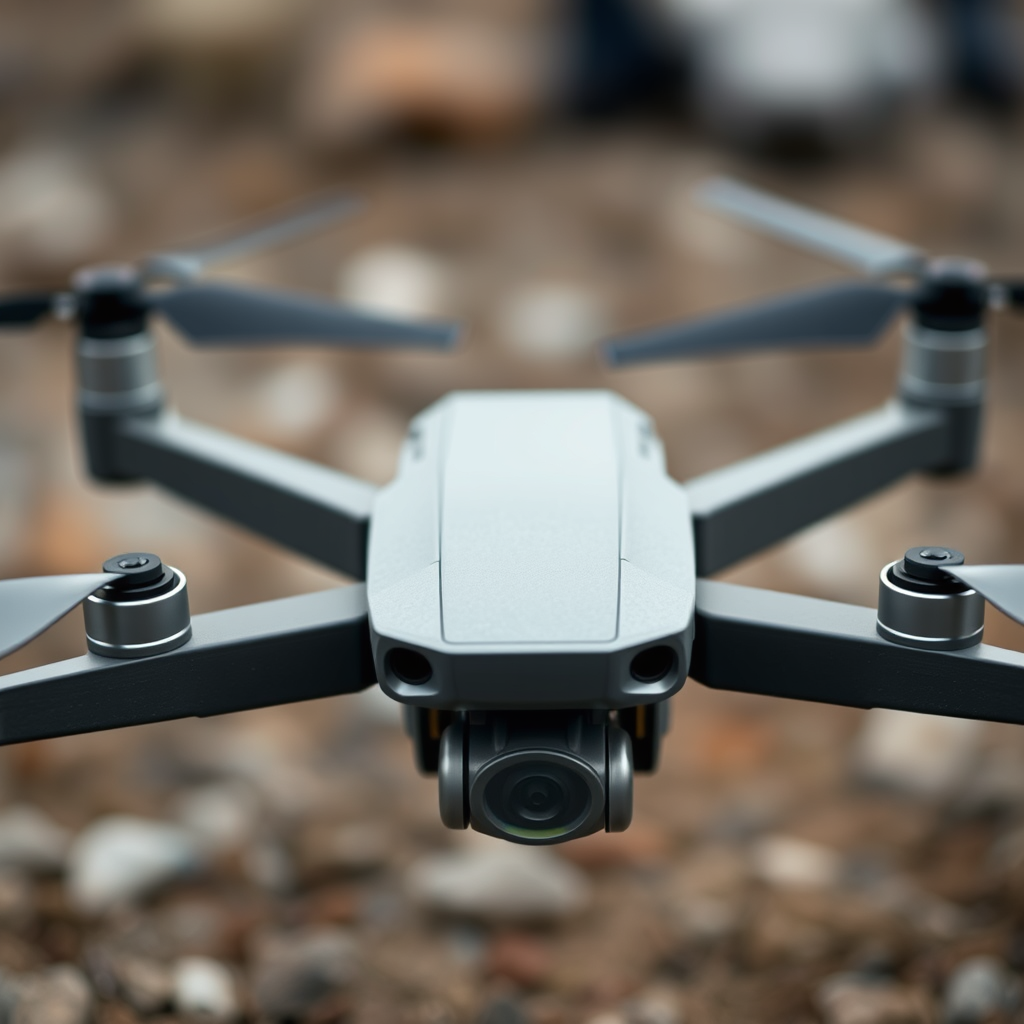
The DJI Inspire 3 is a remarkable drone equipped with O3 (OcuSync 3) transmission technology, which provides an impressive 15km range for video transmission. This capability is particularly advantageous for filmmakers who require a long-distance filming option, such as capturing expansive landscapes or dynamic movement across vast areas. The Inspire 3 boasts advanced AI-driven features, including automatic subject tracking and intelligent flight modes, which simplify the shooting process and allow for creative flexibility. Its compact and foldable design makes it easy to transport, making it ideal for on-the-go filmmakers who need to set up quickly and efficiently. Overall, the Inspire 3 strikes a balance between portability and advanced technology, catering to those who prioritize ease of use without sacrificing quality.
Radio Range Comparison: Freefly vs. DJI
When it comes to radio range, the Freefly Alta 8 Pro offers reliable performance with a 5km radio range. This is suitable for close-range shooting, where precision and control are paramount. The shorter range may be a limitation for some filmmakers, particularly those looking to capture scenes from a distance or in expansive environments. In contrast, the DJI Inspire 3’s O3 technology provides a remarkable 15km transmission range, which significantly enhances filming flexibility. This extended range allows filmmakers to explore a wider array of creative shots without the concern of losing signal or compromising video quality. The implications of these differences are substantial: while the Alta 8 Pro is perfect for controlled, close-range environments, the Inspire 3’s range can facilitate dynamic storytelling opportunities in larger landscapes, ensuring filmmakers can capture their vision without constraints.
Cinematic Features of the Freefly Alta 8 Pro
The Freefly Alta 8 Pro is designed to support a wide variety of high-end cameras, making it a prime choice for cinematographers aiming for top-notch visual quality. The drone’s excellent stability and control are vital for achieving professional shots, mitigating the effects of wind and vibrations that can disrupt filming. The payload capacity of the Alta 8 Pro is particularly noteworthy; it can carry heavier camera systems and accessories, allowing for more creative camera setups. For instance, filmmakers can mount high-resolution cameras with large lenses or additional stabilization equipment, such as gimbals, to capture fluid and dramatic shots. This capability provides an edge in cinematographic creativity, enabling complex shots that would be challenging to achieve with lighter drones. By supporting advanced camera options, the Alta 8 Pro empowers filmmakers to push the boundaries of their artistry.
Cinematic Features of the DJI Inspire 3
The DJI Inspire 3 comes equipped with an integrated camera system that is optimized specifically for aerial cinematography. This system allows for high-resolution video capture, ensuring that filmmakers can achieve stunning visuals from the sky. The Inspire 3 boasts advanced features such as obstacle avoidance and intelligent flight modes, which enhance the user experience and contribute to overall shooting quality. For example, the automated flight modes enable the drone to execute complex maneuvers with minimal pilot input, freeing filmmakers to focus on framing and composition. Additionally, the Inspire 3 offers real-time video transmission and a high dynamic range, making it easier to capture dramatic landscapes, intricate details, and vibrant colors. These features not only simplify the filming process but also elevate the final product, allowing filmmakers to deliver cinematic experiences that captivate audiences.
User Experience and Ease of Use
User experience is a crucial consideration when evaluating drones. The Freefly Alta 8 Pro has a steeper learning curve, particularly due to its advanced customization options and modular design. While this allows for extensive adaptability, new users may find the setup and operation more complex compared to others. In contrast, the DJI Inspire 3 is designed with user-friendliness in mind, featuring an intuitive software interface and straightforward flight controls. This ease of use can be particularly beneficial for novice drone operators or those looking for quick setups in dynamic shooting environments. User feedback consistently highlights the Inspire 3’s streamlined operation, allowing filmmakers to focus more on creativity and less on technical challenges. Overall, while both drones are powerful tools, the Inspire 3 may be better suited for users seeking a more accessible flying experience without compromising on performance.
Price and Value Considerations
When comparing the Freefly Alta 8 Pro and DJI Inspire 3, price is a critical factor to consider. The Alta 8 Pro typically carries a higher price point, reflective of its advanced capabilities, heavy payload options, and professional-grade performance. This makes it an investment for serious filmmakers who require robust equipment for high-end projects. In contrast, the DJI Inspire 3 is more competitively priced, providing excellent value given its advanced features and long-range capabilities. For independent filmmakers or smaller production companies, the Inspire 3 presents a more accessible entry point into high-quality aerial cinematography. Analyzing the value each drone offers based on its features and performance relative to price can help potential buyers align their purchase with their specific project needs and budget constraints.
The Freefly Alta 8 Pro and DJI Inspire 3 each have unique strengths that cater to different filmmaking needs. The Alta 8 Pro is ideal for those requiring heavy payloads and extensive customization, while the Inspire 3 appeals to those who prioritize range and advanced features. By carefully considering your specific filming requirements, budget, and desired user experience, you can determine which drone will best serve your creative vision and enhance your filmmaking projects.
Frequently Asked Questions
What are the key differences between the Freefly Alta 8 Pro and the DJI Inspire 3 in terms of flight range and connectivity?
The Freefly Alta 8 Pro boasts a 5km radio range, which is suitable for medium-distance aerial photography and filmmaking, while the DJI Inspire 3 features the O3 transmission technology that offers an impressive 15km flight range. This extended range allows for more flexibility in capturing cinematic shots, especially in expansive outdoor environments. Additionally, the Inspire 3’s O3 system provides improved signal stability and lower latency, making it a solid choice for professional filmmakers who require reliable connectivity.
How does the payload capacity of the Freefly Alta 8 Pro compare to that of the DJI Inspire 3?
The Freefly Alta 8 Pro has a maximum payload capacity of 15.9 kg, which allows it to carry larger and heavier professional cameras and equipment, making it ideal for high-end cinematography. In contrast, the DJI Inspire 3 has a payload capacity of around 4.5 kg, which is sufficient for most DSLR and mirrorless cameras but limits the choice of equipment. Therefore, if your projects require heavy camera gear, the Alta 8 Pro would be the better option.
Why should I choose the Freefly Alta 8 Pro over the DJI Inspire 3 for my film production needs?
Opting for the Freefly Alta 8 Pro may be advantageous if your production requires versatility in payload and stability for larger cameras. Its robust design and higher payload capacity enable it to handle demanding shooting conditions and heavier camera setups, making it ideal for professional filmmakers. Additionally, the Alta 8 Pro is known for its exceptional stability in flight, which can lead to smoother footage, especially in windy conditions, enhancing the overall quality of your cinematic projects.
Which drone offers better camera options for cinematic production, the Freefly Alta 8 Pro or the DJI Inspire 3?
The Freefly Alta 8 Pro shines in terms of camera flexibility because it can accommodate a wide range of professional cinema cameras, allowing filmmakers to select the best camera for their specific needs. On the other hand, the DJI Inspire 3 is designed to work seamlessly with the Zenmuse X9 series, which offers excellent image quality and built-in stabilization. However, if you prioritize using high-end cinema cameras, the Alta 8 Pro would provide superior versatility.
What factors should I consider when choosing between the Freefly Alta 8 Pro and the DJI Inspire 3 for aerial cinematography?
When deciding between the Freefly Alta 8 Pro and the DJI Inspire 3, consider factors such as your specific payload requirements, flight range needs, and the types of camera systems you intend to use. Additionally, evaluate the intended shooting environment; the Alta 8 Pro excels in rugged conditions thanks to its stability and payload capabilities, while the Inspire 3 is highly user-friendly and great for quick setups. Lastly, think about your budget, as the Alta 8 Pro is generally more expensive due to its advanced features and capabilities.
References
- https://en.wikipedia.org/wiki/Drone_filmography
- https://www.theguardian.com/technology/2023/sep/05/drone-technology-in-film-and-television
- https://www.reuters.com/technology/drones-use-film-making-2023-06-15/
- https://www.sciencedirect.com/science/article/pii/S2352864822000151
- https://www.techcrunch.com/2023/08/30/drone-technology-in-cinematography/
- https://www.wired.com/story/drones-in-film-production/
