

The Freefly Astro Prime and the Anzu Raptor T are two compelling options in the drone market, each presenting unique strengths tailored to specific operational needs. The Astro Prime features a robust 5km radio range suitable for short to medium-distance applications, while the Raptor T extends its capabilities with an impressive 7km range and compliance with NDAA standards, making it a reliable choice for defense and government use. This comparison will delve into the performance, specifications, and ideal use cases of these two models, helping you determine which drone aligns best with your requirements.
Overview of Freefly Astro Prime
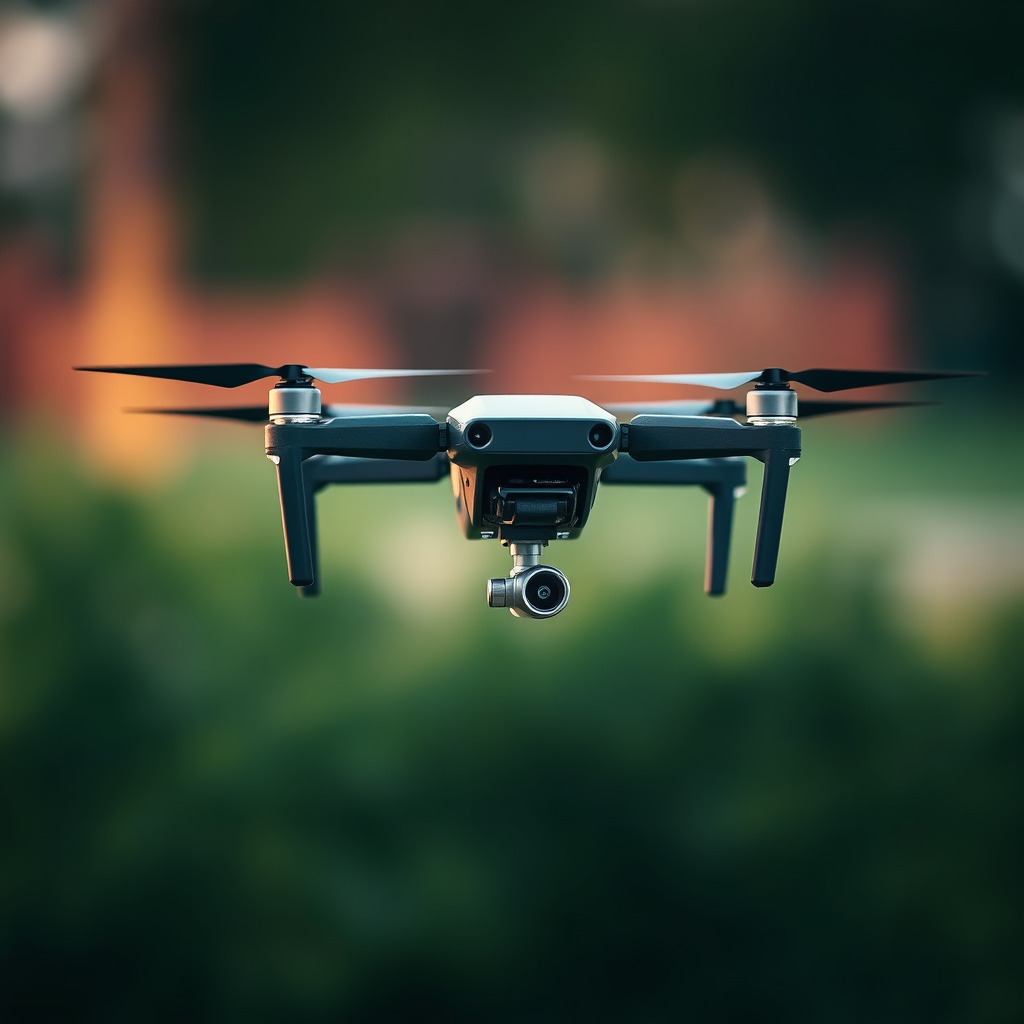
The Freefly Astro Prime is a versatile drone that excels in user-friendliness and operational efficiency. With a radio range of 5km, it is designed for projects that typically do not require extensive distance coverage, making it ideal for local events, smaller mapping tasks, or aerial photography sessions. The controls are intuitive, allowing both novices and experienced operators to maneuver with ease, thus fostering a more engaging flying experience.
Additionally, the Astro Prime is equipped with advanced stabilization features and a robust camera system, ensuring high-quality imagery and video capture. Its lightweight design enhances portability, making it a practical choice for on-the-go applications. The drone’s build quality and durability further support its use in various environments, providing a reliable option for those looking to maximize performance without delving into overly complicated operations.
Overview of Anzu Raptor T
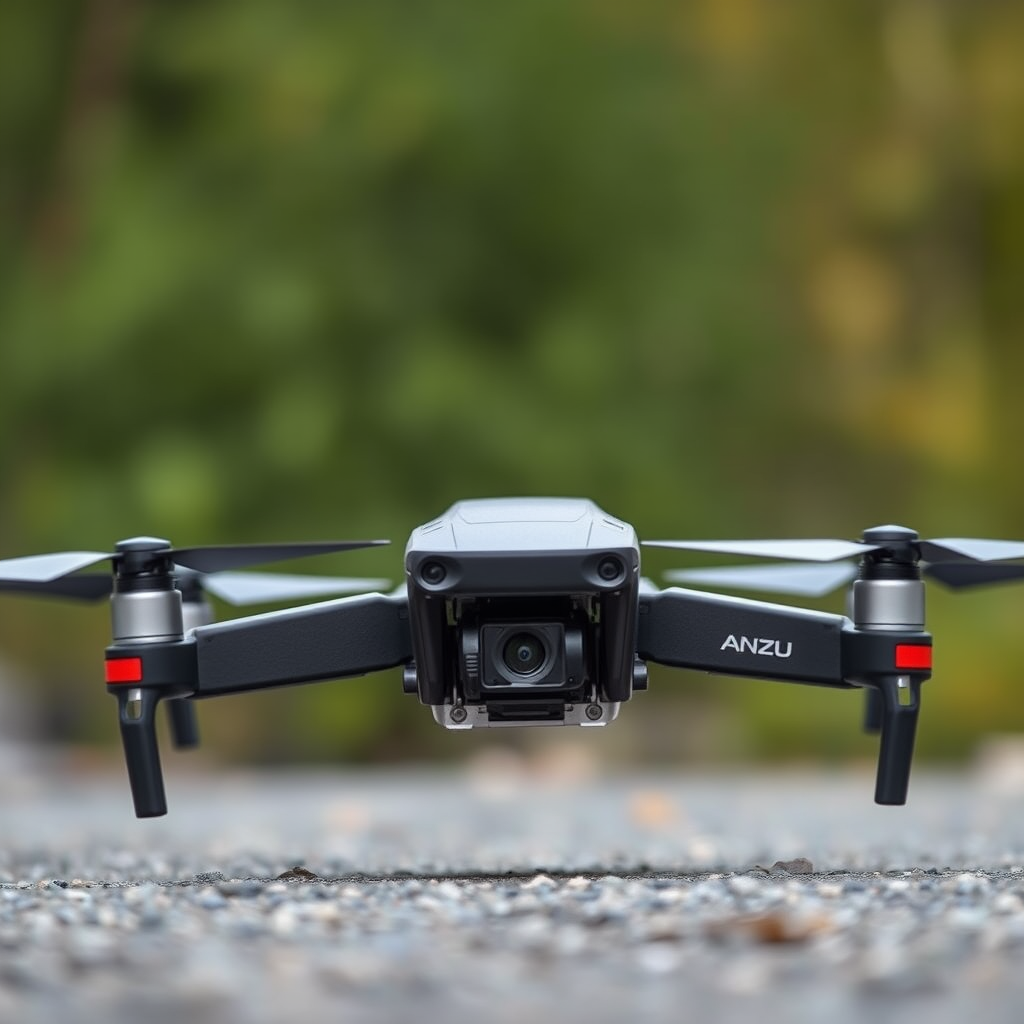
In contrast, the Anzu Raptor T shines with its extended 7km radio range, catering to users who require greater flexibility and coverage for larger operational areas. This drone is particularly notable for its compliance with NDAA (National Defense Authorization Act) standards, making it a suitable choice for government and defense applications. Its design focuses on reliability and performance, ensuring that it meets stringent requirements for security and operational integrity.
The Raptor T is equipped with high-end sensors and imaging capabilities, which are essential for applications such as surveillance, disaster response, and extensive mapping initiatives. Its robust design and advanced software features, including real-time data transmission and high-definition video capture, empower operators to execute complex missions effectively. The added range not only expands its potential use cases but also enhances the safety of operations by allowing pilots to maintain a safe distance from potential hazards.
Performance Comparison
When comparing the performance of the Freefly Astro Prime and Anzu Raptor T, several key factors come into play, including flight stability, control responsiveness, battery life, and operational endurance.
The Astro Prime is renowned for its exceptional flight stability, often outperforming competitors in turbulent conditions. Its responsive controls make it easy to execute precise maneuvers, which is particularly beneficial for creative applications like aerial cinematography. However, its battery life allows for approximately 25-30 minutes of flight time, which is standard for drones in its class.
On the other hand, the Anzu Raptor T, while offering a longer operational range, also excels in stability and control. It is built to handle more demanding environmental conditions, making it suitable for extended missions. The Raptor T typically boasts a battery life of up to 35 minutes, enabling longer missions without the need for frequent recharges. This extended endurance is crucial for applications requiring prolonged oversight, such as surveillance or search-and-rescue operations.
Use Cases
The Freefly Astro Prime is best suited for smaller projects or local events where operational simplicity is paramount. Its ease of use makes it an excellent choice for educators wishing to introduce drone technology in classrooms, or for photographers wanting to capture stunning visuals at local gatherings. Additionally, the Astro Prime’s compact size allows for easy transport, making it a favorite among hobbyists and professionals alike who require a reliable drone for on-the-spot needs.
In contrast, the Anzu Raptor T is ideal for more extensive applications, including surveillance, infrastructure inspections, and topographical mapping. Its ability to cover larger distances without loss of signal makes it particularly well-suited for military operations or environmental monitoring tasks that span vast areas. The compliance with NDAA standards also solidifies its role as a go-to option for government contracts and defense-related projects.
Pricing and Value Considerations
When considering the financial aspect, pricing plays a vital role in the decision-making process between the Freefly Astro Prime and the Anzu Raptor T. The Astro Prime is typically priced lower, making it an attractive option for those who do not require the extensive range or advanced compliance features of the Raptor T. For businesses or individuals looking for a cost-effective solution to meet basic aerial needs, the Astro Prime provides excellent value.
Conversely, the Anzu Raptor T, with its advanced features and extended range, comes at a higher price point. However, the investment may lead to significant long-term savings and return on investment (ROI) for organizations engaging in extensive drone operations. The ability to cover greater distances with compliance to NDAA standards may open doors to lucrative contracts and projects that would otherwise be unavailable.
Customer Reviews and Feedback
User experiences regarding both models highlight their reliability and ease of use. The Freefly Astro Prime has received praise for its intuitive controls and stable performance, making it a popular choice among newcomers to drone technology. Many users appreciate the drone’s capacity for high-quality imaging and its versatility across various applications.
On the other hand, the Anzu Raptor T has garnered positive feedback for its extended range and robust design, particularly from professionals in the defense sector. Users often commend its reliability during critical operations and the seamless integration of advanced technology. However, some have mentioned the higher price tag as a potential barrier, suggesting that while the drone excels in performance, the cost may be a consideration for smaller enterprises.
Final Thoughts on Choosing the Right Model
Selecting the right drone between the Freefly Astro Prime and the Anzu Raptor T ultimately hinges on specific individual or organizational needs. If your focus is on user-friendly operation for localized tasks, the Astro Prime is a compelling choice. Conversely, if your projects demand greater range and compliance with government standards, the Raptor T stands out as the superior option.
As you evaluate these models, consider your operational requirements, budget constraints, and future project goals. Understanding the strengths and limitations of each drone will empower you to make an informed purchasing decision that aligns with your long-term objectives. By weighing all the factors discussed, you can confidently choose the drone that best meets your needs and enhances your operational efficiency.
Frequently Asked Questions
What are the key differences between the Freefly Astro Prime and the Anzu Raptor T in terms of performance and features?
The Freefly Astro Prime is designed for high-end cinematic applications, offering exceptional stabilization and payload capacity, making it suitable for professional filmmakers. In contrast, the Anzu Raptor T is tailored for commercial use, featuring advanced AI capabilities and longer flight times. Notably, the Astro Prime operates optimally at distances up to 5km, while the Raptor T can extend its operational range to 7km, making it a better option for extensive surveillance or mapping tasks.
How do the 5km radio range of the Freefly Astro Prime and the 7km range of the Anzu Raptor T affect their usability in real-world applications?
The 5km radio range of the Freefly Astro Prime is sufficient for many filmmaking scenarios where proximity to the subject is maintained. However, for tasks requiring extensive area coverage, such as agriculture monitoring or search and rescue missions, the 7km range of the Anzu Raptor T provides a significant advantage, allowing operators to maintain control over their drone at greater distances without compromising signal strength.
Why is the NDAA compliance important for drones like the Freefly Astro Prime and the Anzu Raptor T?
NDAA (National Defense Authorization Act) compliance is crucial for ensuring that drones meet specific security standards, particularly for government and enterprise-level users. For users in sensitive fields, such as law enforcement or defense, choosing NDAA-compliant drones like the Anzu Raptor T ensures that the technology adheres to regulations, minimizing risks associated with data security and foreign influence.
Which drone is better for enterprise applications, the Freefly Astro Prime or the Anzu Raptor T?
For enterprise applications, the Anzu Raptor T is generally the better choice due to its extended range, advanced AI features, and NDAA compliance, making it suitable for a wide array of commercial uses. Conversely, the Freefly Astro Prime may excel in high-quality cinematic production where payload capacity and stabilization are paramount, but it lacks the extended operational range that many enterprises need for comprehensive monitoring tasks.
What are the ideal use cases for the Freefly Astro Prime versus the Anzu Raptor T?
The Freefly Astro Prime is ideal for filmmakers and content creators who require high-quality aerial shots and precise control over their equipment, making it perfect for cinematic productions. On the other hand, the Anzu Raptor T is suited for applications like infrastructure inspection, agricultural monitoring, and public safety missions, where its longer range and intelligent features can significantly enhance operational efficiency and data collection capabilities.
References
- https://en.wikipedia.org/wiki/Comparison_of_drones
- https://www.reuters.com/technology/
- https://www.techrepublic.com/article/the-future-of-drones-what-to-expect-in-the-next-5-years/
- https://www.bbc.com/news/technology-55004202
- https://www.nist.gov/news-events/news/2021/03/bringing-drones-ground-future-urban-air-mobility
- https://www.sciencedirect.com/topics/engineering/unmanned-aerial-vehicle
- Unmanned Aircraft Systems (UAS) | Federal Aviation Administration
- Huawei Ban 2020: Japan’s Kioxia Gets US Green Light to Supply Chips to Company—Smartphone Memory …
- Science News: Health, Robotics, Climate Change, Space News | WIRED
- https://www.nasa.gov/aero/overview-aeronautics-research/uas.html
