

When it comes to choosing a drone for thermal imaging, the Freefly Astro Prime and Autel EVO II Dual 640T stand out for their unique features and capabilities. The Astro Prime is designed with a robust 5km radio range, making it a reliable choice for various operational applications, while the EVO II Dual offers an extended 12km SkyLink range, enhancing its utility for enterprise-level tasks. This article provides an in-depth comparison of both drones, focusing on their thermal imaging capabilities and operational ranges to assist you in making an informed decision.
Overview of the Freefly Astro Prime
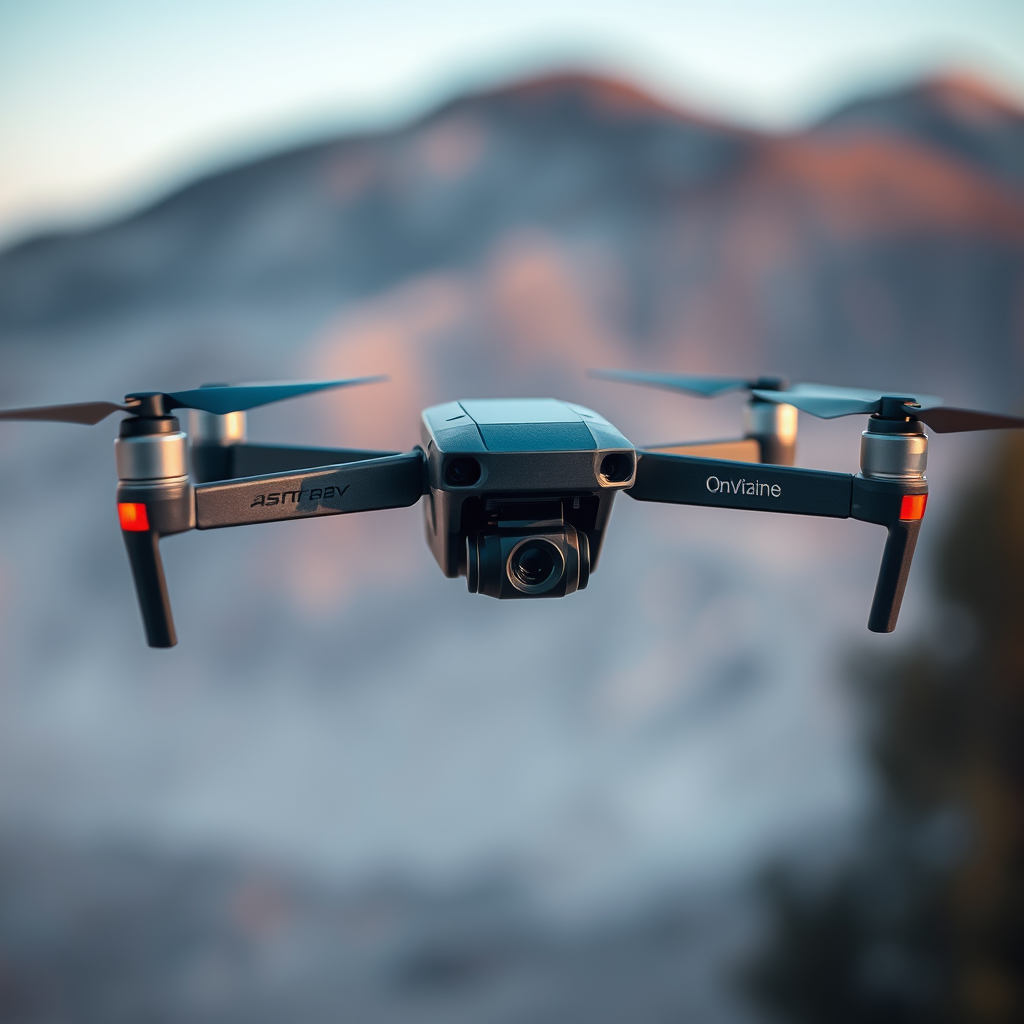
The Freefly Astro Prime is engineered for professionals seeking a dependable drone with advanced thermal imaging capabilities. Key specifications include a high-definition thermal camera with a resolution of 640×512 pixels, offering excellent detail in thermal readings. The Astro Prime’s design emphasizes flexibility and power, featuring a payload capacity that allows for various sensor configurations, which is particularly useful for industries such as search and rescue, agriculture, and infrastructure inspection.
The significance of its 5km radio range cannot be overstated. This range strikes a balance between operational effectiveness and regulatory compliance, making it suitable for many applications, including real-time monitoring and data collection in urban environments. Additionally, the 5km range ensures that operators maintain a strong and stable connection, which is crucial for safety and data integrity during missions.
Overview of the Autel EVO II Dual 640T
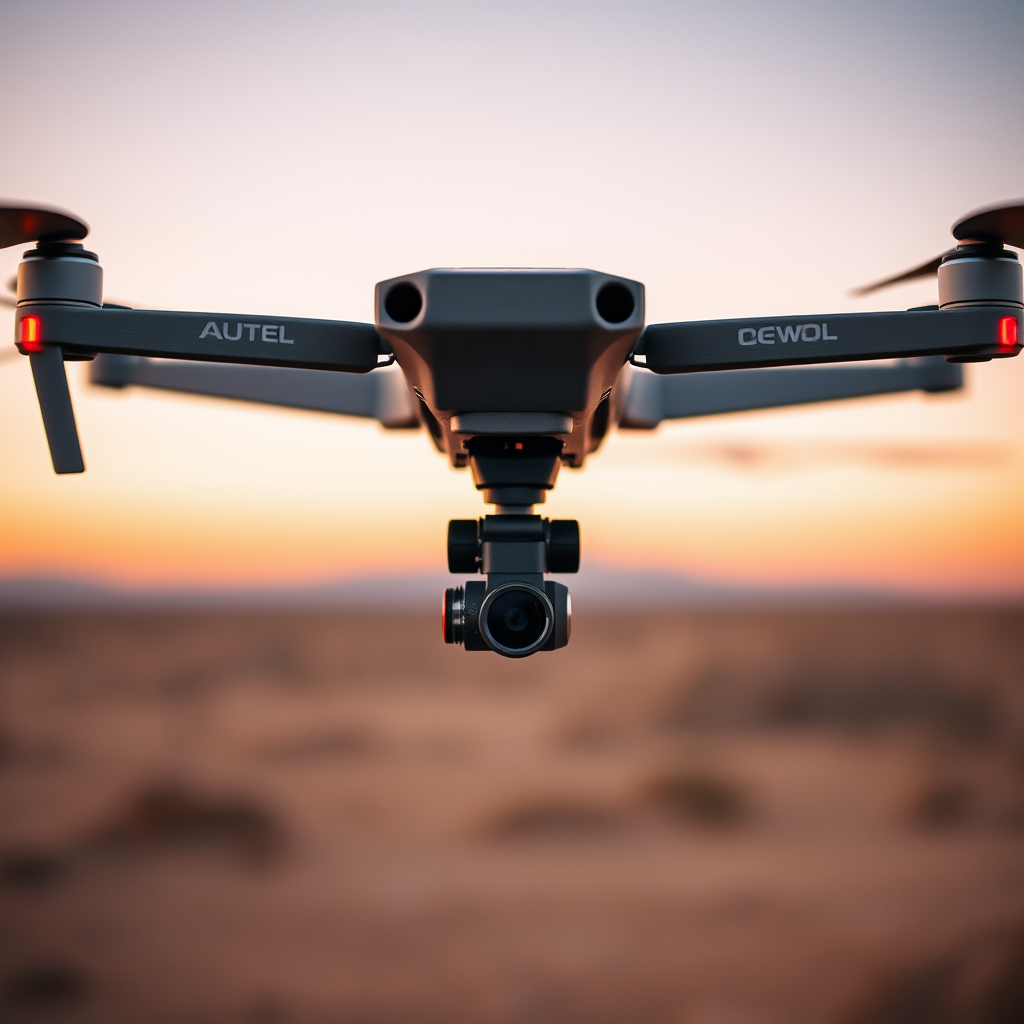
In contrast, the Autel EVO II Dual 640T is a powerhouse designed for enterprise use, boasting a host of advanced features that cater to professional needs. With its dual-sensor system, which includes a 4K camera alongside a thermal imaging sensor, the EVO II Dual provides versatility for capturing both visual and thermal data simultaneously. The 640×512 pixel thermal sensor is coupled with a frame rate of 30Hz, ensuring smooth video playback and accurate thermal analysis.
The key advantage of the EVO II Dual’s 12km SkyLink technology is its exceptional connectivity, allowing operators to maintain control and data transmission over longer distances. This capability is particularly beneficial for expansive fields of operation, such as large construction sites or search and rescue missions across vast terrains. The extended range also enhances the ability to gather comprehensive data without the interruption that shorter ranges might introduce.
Thermal Imaging Comparison
When analyzing the thermal imaging capabilities of both drones, both the Freefly Astro Prime and Autel EVO II Dual 640T deliver impressive performance, but they cater to different needs. The Astro Prime’s thermal camera excels in delivering clarity and detail, making it ideal for applications requiring precise temperature measurements and detailed thermal maps. Its high sensitivity to temperature variations enables users to detect even minor heat signatures, which can be critical in search and rescue operations or electrical inspections.
On the other hand, the Autel EVO II Dual 640T provides a dual-sensor advantage that enhances its thermal imaging versatility. The combination of high-resolution thermal imaging and HD visual recording allows for comprehensive data analysis, making it a superior option for users who require both visual and thermal perspectives. Furthermore, the 30Hz frame rate ensures that dynamic scenes are captured smoothly, which is crucial in scenarios where rapid changes in thermal signatures occur.
Operational Range and Connectivity
Operational range is a significant differentiator between the Freefly Astro Prime and the Autel EVO II Dual 640T. The Astro Prime’s 5km radio range is designed for reliability, ensuring consistent connectivity within its operational limits. This range is ideal for projects within populated areas or locations with potential obstacles, where maintaining visual line of sight is feasible and necessary.
Conversely, the 12km SkyLink technology of the EVO II Dual opens up new possibilities for extensive operational applications. This increased range allows for operations in remote locations or large-scale surveys without the need for frequent repositioning of the drone. The ability to control the drone from a distance also mitigates the risk of losing the signal, which can be a concern with shorter ranges. However, it is essential to note that such extended ranges may require adherence to specific regulations regarding drone operations and pilot responsibilities.
Use Cases for Each Drone
The Freefly Astro Prime excels in scenarios that require precise thermal data collection over a limited range. For example, in search and rescue missions, the drone can be deployed in urban settings where buildings and obstacles limit the operational range. Its ability to deliver high-resolution thermal images in confined spaces makes it a formidable tool for locating missing persons or assessing building conditions.
In contrast, the Autel EVO II Dual 640T is better suited for enterprise applications that benefit from its extensive range and dual-sensor capabilities. For instance, in large agricultural surveys, the ability to cover vast areas without losing connectivity can significantly enhance data collection efficiency. Similarly, in infrastructure inspections, the dual-sensor system allows operators to simultaneously assess thermal signatures while capturing high-definition visuals of structures, ensuring comprehensive reporting.
Cost and Value Assessment
Pricing for these drones reflects their capabilities and target markets. The Freefly Astro Prime is generally positioned at a higher price point due to its specialized features and robust design, making it ideal for professional users who require top-tier thermal imaging capabilities. The cost includes the flexibility to configure sensors based on specific needs, which can provide additional value for organizations working in critical sectors.
The Autel EVO II Dual 640T is often more accessible in terms of pricing while still offering exceptional performance for enterprise users. This drone provides a cost-effective solution for organizations looking to incorporate thermal imaging without compromising on quality or range. With its dual-sensor system, the overall value offered by the EVO II Dual is significant, especially for users who need both visual and thermal data for comprehensive analysis.
User Feedback and Reviews
User feedback for both the Freefly Astro Prime and the Autel EVO II Dual 640T highlights their strengths and weaknesses. Users of the Astro Prime often commend its reliability and the quality of thermal imaging, particularly in critical applications such as emergency response. However, some users note that the drone’s higher price may be a barrier for smaller organizations or individual operators.
On the other hand, the Autel EVO II Dual 640T receives praise for its user-friendly interface and extended range. Operators appreciate the dual-sensor capability, which simplifies data collection processes. However, some reviews mention challenges with signal strength in densely populated areas, which could affect performance in urban settings.
Both models have established themselves as leaders in the thermal imaging drone market, each serving different needs and operational requirements effectively.
Both the Freefly Astro Prime and the Autel EVO II Dual 640T present distinct advantages depending on your operational needs. The Astro Prime is ideal for those requiring a reliable 5km range, while the EVO II Dual’s extended 12km SkyLink offers superior connectivity for enterprise applications. Evaluate your specific requirements and consider the outlined factors to make the best choice for your thermal imaging needs.
Frequently Asked Questions
What are the main differences between the Freefly Astro Prime and the Autel EVO II Dual 640T in terms of thermal imaging capabilities?
The Freefly Astro Prime features advanced thermal imaging technology designed for professional applications, offering high-resolution thermal data and enhanced image clarity. In contrast, the Autel EVO II Dual 640T provides a dual-sensor setup with a 640×512 thermal resolution alongside a 4K camera, making it versatile for various scenarios. Both drones excel in thermal imaging, but the choice depends on specific use cases, such as search and rescue or industrial inspections.
How does the range of the Freefly Astro Prime compare to the Autel EVO II Dual 640T?
The Freefly Astro Prime utilizes the SkyLink system, boasting an impressive range of up to 12 kilometers, which is ideal for extensive surveying and monitoring tasks. On the other hand, the Autel EVO II Dual 640T has a 5-kilometer radio range, sufficient for most commercial applications but potentially limiting for larger projects. Users should consider their operational needs when deciding, as longer ranges can provide greater flexibility in drone missions.
Why is the radio range important when choosing between the Freefly Astro Prime and the Autel EVO II Dual 640T?
The radio range is crucial because it determines how far the drone can operate from the controller without losing signal, affecting flight stability and mission success. A longer range, like that of the Freefly Astro Prime with its 12-kilometer capability, allows for more extensive coverage in large areas, making it suitable for professional applications such as infrastructure inspections, whereas the Autel EVO II Dual 640T’s 5-kilometer range may suffice for smaller, localized projects.
Which drone is better suited for enterprise-level thermal applications, the Freefly Astro Prime or the Autel EVO II Dual 640T?
For enterprise-level thermal applications, the Freefly Astro Prime is often regarded as the superior choice due to its longer range, advanced thermal imaging capabilities, and adaptability for specialized missions. However, the Autel EVO II Dual 640T still offers excellent performance with its dual-sensor system and user-friendly design, making it a viable option for businesses that prioritize ease of use and quick deployment in less demanding scenarios.
What factors should I consider when selecting between the Freefly Astro Prime and the Autel EVO II Dual 640T for thermal imaging?
When selecting between these two drones, consider factors such as the required range, thermal imaging resolution, payload capacity, and specific application needs. The Freefly Astro Prime excels in long-range missions and advanced image quality, making it ideal for professional use, while the Autel EVO II Dual 640T is user-friendly and versatile for various tasks. Additionally, budget constraints and support for software updates and accessories should also influence your decision.
References
- https://en.wikipedia.org/wiki/Comparison_of_drones
- https://www.reuters.com/technology/tech-giants-are-racing-develop-drones-2021-06-10/
- https://www.sciencedirect.com/science/article/pii/S014098832100123X
- https://www.bbc.com/news/technology-58645488
- https://www.nytimes.com/2021/09/01/technology/drones-us-military.html
- https://www.techcrunch.com/2022/02/15/autel-evo-ii-dual-review/
- https://www.nasa.gov/feature/what-makes-a-good-drone-for-science
- https://www.wired.com/story/drones-thermal-imaging-technology/
