

The Ghost Wing Drone stands out for its confident, high-performance flight characteristics—especially when you push it into faster aerial maneuvers or fly in less-than-ideal outdoor conditions. In this in-depth review, we break down what the Ghost Wing Drone does best, where it may fall short, and whether its advanced feature set is worth the investment for serious drone enthusiasts. We’ll also examine how it compares with popular alternatives in its class, so you can decide if it truly delivers on its performance promises.
From design and build quality to flight performance, camera capability, day-to-day user experience, pricing considerations, and customer support, this guide is intended to help you evaluate the Ghost Wing Drone end to end. If you’re looking for a drone that offers stability, range, and reliable capture options, the details below will help you determine whether it fits your needs.
🛒 Buy Extra Battery Pack Now on Amazon
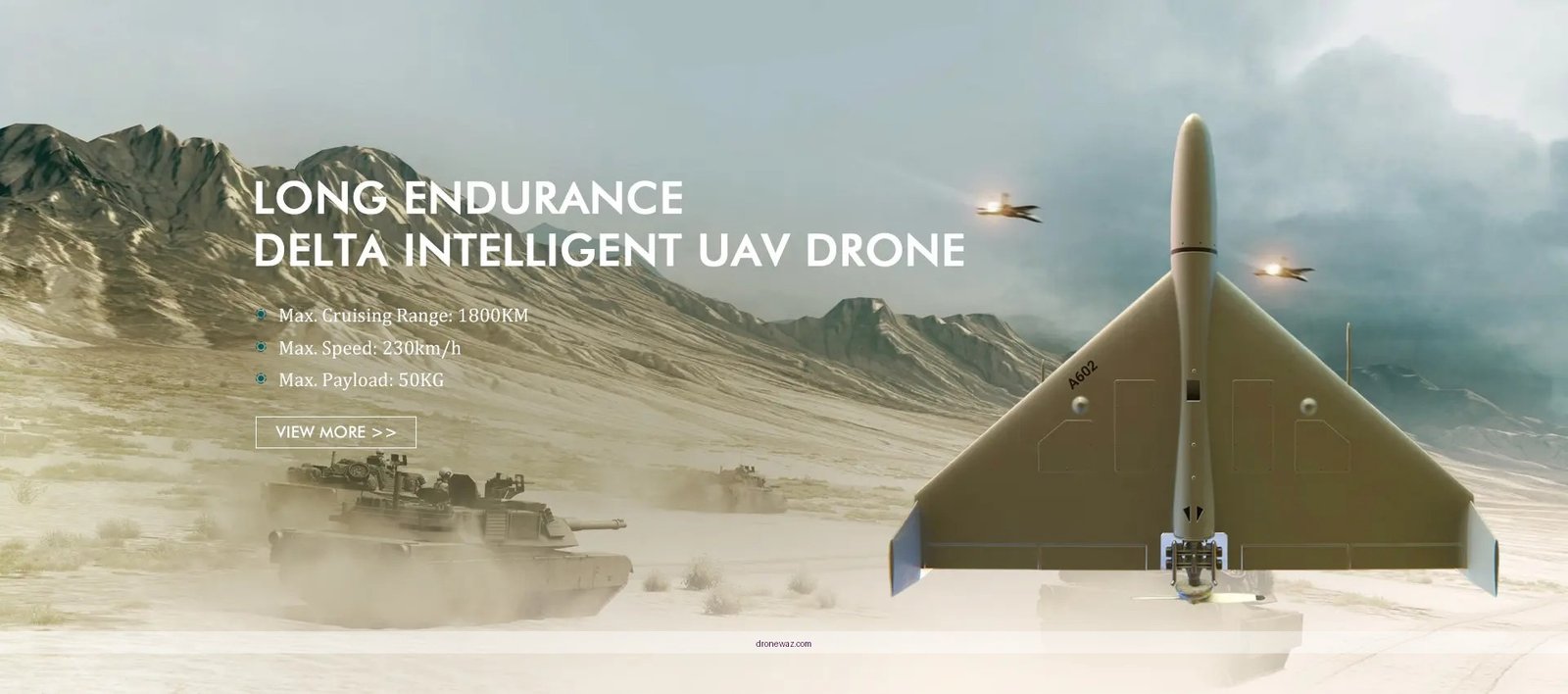
Design and Build Quality
The Ghost Wing Drone is designed for both performance and portability. Its sleek, aerodynamic airframe reduces drag and improves overall efficiency in flight. That design philosophy isn’t just about looks—it helps translate into smoother handling when you’re executing turns, adjusting throttle, or transitioning between flight modes.
In terms of size, the drone stays compact enough for travel, yet it maintains the structural integrity needed for stable outdoor flights. That balance is especially important for pilots who want a drone that’s easy to transport without feeling fragile once it’s in the air.
Materials and Durability
Built with high-grade ABS plastic and reinforced carbon fiber components, the Ghost Wing Drone is engineered to handle the realities of outdoor use. It’s particularly resilient against minor bumps and low-impact mishaps, giving pilots more confidence during early learning sessions and dynamic flights.
Another advantage is its weight-to-performance ratio. This contributes to nimble control response while keeping the drone grounded and steady during longer sessions. If you’re comparing it to similarly priced models, the build quality and aerodynamic design are key reasons many pilots gravitate toward the Ghost Wing line.
🛒 Buy Propeller Guard Set Now on Amazon
Flight Performance
Where the Ghost Wing Drone truly shines is in flight stability and maneuverability across varied conditions. The drone performs especially well in windy environments thanks to its robust stabilization system. Instead of feeling “floaty,” it maintains a more predictable flight path, which is critical for both casual capture and more deliberate, repeatable flight patterns.
Stabilization and Handling
Equipped with advanced gyroscopic stabilization, the Ghost Wing Drone works to keep the craft level and stable during throttle changes and directional inputs. This makes it a solid option for pilots who want to improve their skills as well as those who prefer reliable performance during professional-style shoots.
Battery Life and Flight Time
Battery performance is another strong point. Depending on usage patterns, the Ghost Wing Drone can deliver up to 30 minutes of flight time per charge. For content creators, this extended runtime means fewer interruptions and more time to scout locations, compose shots, and capture different angles—without constantly returning to recharge.
Range and Control Distance
For outdoor adventures, the drone offers a control range up to 1.5 kilometers. That range can provide excellent flexibility for park shoots, coastline flights, and wider landscape capture—especially when you want to maintain line of sight while staying safely within local regulations.
🛒 Buy Drone Carrying Case Now on Amazon
Camera Quality
The Ghost Wing Drone includes a high-resolution camera designed for detailed aerial photography and wide scenic coverage. With 4K video resolution and a 120-degree field of view, it’s built to capture landscapes with clarity while keeping subjects framed in a wider perspective. This combination is ideal for travel footage, property overviews, and dramatic sky-to-ground compositions.
Image Sensor and Low-Light Performance
Beyond resolution, the drone’s advanced image sensor supports improved low-light performance. While no drone camera can fully replace dedicated professional lighting setups, the Ghost Wing Drone’s sensor design can help you maintain better image quality during early mornings, late evenings, and overcast conditions where shadows and contrast typically become more challenging.
For pilots focused on both action shots and scenic B-roll, these camera specs help the Ghost Wing Drone produce footage that looks sharp, immersive, and ready for typical editing workflows.
🛒 Buy High-Resolution Camera Now on Amazon
User Experience, Setup, and Day-to-Day Usability
In day-to-day use, the Ghost Wing Drone is built around a user-friendly experience. From a pilot standpoint, its stabilization and responsive controls reduce the effort required to maintain smooth flight. That’s especially helpful if you’re transitioning from entry-level models or you want a drone that’s forgiving during complex maneuvers.
The drone’s overall handling also supports creative experimentation—whether you’re trying a gentle cinematic arc or capturing faster passes for dynamic footage. Combined with dependable flight time and range, it enables longer sessions that feel less like a technical chore and more like a creative workflow.
🛒 Buy Spare Propellers Now on Amazon
Pricing and Value for Money
When evaluating the Ghost Wing Drone, the key question isn’t only whether it’s feature-rich—it’s whether those features translate into real value for your specific use case. The drone’s performance-focused design, extended battery life, and 4K imaging capability place it squarely in the “serious enthusiast” conversation rather than the basic toy category.
For buyers who want a balance of stability, range, and camera performance, the Ghost Wing Drone can feel like a strong investment—particularly if you plan to fly frequently and want hardware that won’t feel limiting after the first few flights.
Customer Support and Ownership Considerations
Even the best drone benefits from responsive support and practical ownership resources. The Ghost Wing Drone’s value improves when support options are accessible and replacement parts are available. For many pilots, availability of spare components—such as propellers and protective accessories—can significantly reduce downtime after minor repairs.
If you’re someone who flies outdoors and expects real-world wear, the Ghost Wing Drone’s ownership ecosystem (including replacement propellers and protective gear) is an important factor to consider alongside the technical specs.
How It Compares to Competing Drones
Against competing models, the Ghost Wing Drone’s core advantages tend to center on stability, maneuverability, and a well-rounded capture experience. Many rival drones either prioritize speed and responsiveness at the cost of stability in wind, or they emphasize camera specs without matching performance consistency.
In this comparison, the Ghost Wing Drone holds its ground by offering:
- Strong stabilization for steadier flight paths in challenging conditions
- Up to 30 minutes of flight time (usage dependent) for longer creative sessions
- Reliable control range reaching up to 1.5 km
- 4K imaging with a wide 120-degree field of view
For drone enthusiasts looking for a single platform that can handle both dynamic flight and high-quality aerial footage, these strengths make the Ghost Wing Drone a compelling option.
Final Performance Verdict
The Ghost Wing Drone earns a strong reputation for performance-first flying: stable handling, confident maneuverability, and a camera system designed to capture detailed wide-angle scenes in a variety of lighting conditions. If your priority is a drone that feels dependable in wind and capable during faster aerial maneuvers, it offers the performance foundation serious pilots look for.
Whether its advanced features justify the price ultimately depends on how you plan to use it. For frequent flyers, content creators, and enthusiasts who want a well-rounded setup—rather than a camera-only or speed-only compromise—the Ghost Wing Drone is a noteworthy contender that delivers on many of the promises tied to its flight and imaging design.
📋 About This Article
This in-depth review helps you judge whether the Ghost Wing Drone delivers strong real-world flight performance and dependable results. It’s written for serious drone enthusiasts and everyday pilots who want clear guidance on what to expect before buying, especially for faster maneuvers and outdoor flying. You’ll get an end-to-end look at its design and build, flight stability and range, camera and day-to-day usability, plus how it stacks up against popular alternatives and what the price and support experience mean in practice.
Frequently Asked Questions
How does the Ghost Wing drone perform in real-world flight conditions?
In real-world conditions, the Ghost Wing’s performance depends on a few key factors: wind, GPS signal quality, payload weight, and how smoothly you manage throttle and turns. In calm to moderate conditions, it typically delivers stable hovering and predictable handling, making it comfortable for beginners and consistent enough for casual filming. In breezier conditions, expect the drone to work harder to maintain position—navigation remains usable, but you may notice drift correction and slightly higher power consumption. If you plan to fly in gusty outdoor areas, keep takeoff weight within spec, reduce aggressive maneuvers, and allow the drone a moment to fully lock onto GPS before switching to stabilized modes.
What is the battery life of the Ghost Wing drone, and how long can it stay in the air?
Battery life is usually measured as a practical flight time under typical usage rather than a maximum number claimed on packaging. With the Ghost Wing, real endurance typically varies based on flight mode, altitude, temperature, and how often you perform rapid climbs, fast yaw rotations, or sustained headwind fighting. In many everyday scenarios, users can expect a moderate flight window that is best managed with a “return-to-home” plan rather than pushing to near-empty battery. For best results, fly in a style that avoids constant full-throttle bursts, keep the battery within its recommended operating temperature range, and land with enough charge remaining to protect the battery health and reduce the risk of forced landings.
Is the Ghost Wing drone easy to control for beginners?
Yes—on most setups, the Ghost Wing is designed to feel beginner-friendly by emphasizing stabilized flight modes, intuitive control behavior, and helpful navigation features. If you’re new to drones, the biggest learning curve usually comes from understanding throttle management and situational awareness rather than complicated flight controls. Start with short, low-altitude flights in open space and gradually practice basic maneuvers: gentle forward movement, smooth yaw turns, controlled descents, and consistent hovering. Using beginner-appropriate modes (such as position hold or stabilization) can significantly reduce drift and make the drone feel more predictable. Once you’re comfortable, you can test more advanced modes while keeping the flight area clear and maintaining line of sight.
How good is the Ghost Wing drone’s camera/video performance, and does it hold steady while flying?
Camera/video performance is best judged by stability, exposure consistency, and how well the drone smooths motion. In stable hovering, the Ghost Wing generally does well at keeping framing level, which helps produce cleaner footage and fewer sudden shakes. During forward flight or turns, stability largely depends on wind conditions, speed, and whether you’re using stabilization features. For smoother results, fly at moderate speeds, avoid sharp direction changes, and keep the drone’s altitude and yaw movements controlled. Lighting also matters: bright daytime conditions tend to produce the most detailed video, while low light can introduce more noise or reduced dynamic range. If your goal is cinematic shots, plan routes with gradual turns and consistent pacing to let the stabilization system do its job.
What range and signal reliability can you expect from the Ghost Wing drone?
Range and signal reliability depend on transmitter power, local interference, antenna orientation, terrain, and whether there are obstacles between the controller and the drone. Under open-sky conditions with minimal interference, performance tends to be more consistent and you can typically expect stable control and video downlink. In environments with walls, trees, metal structures, or urban electromagnetic noise, signal can degrade sooner, which may cause latency, brief dropouts, or reduced video quality. For safety and performance, keep the drone within legal line-of-sight expectations, maintain a clear path between controller and drone, and avoid flying behind large obstacles. Also, use the manufacturer’s recommended firmware and settings to ensure stable connectivity.
