

Drones can destroy tanks through various methods, including precision strikes using explosive payloads or anti-tank missiles. With advancements in drone technology, modern warfare has seen a paradigm shift where unmanned aerial vehicles (UAVs) play a pivotal role in targeting armored vehicles. This article delves into the techniques, technologies, and strategic implications of using drones in modern warfare against tanks, highlighting how these devices can redefine combat dynamics.
Understanding Drone Technology
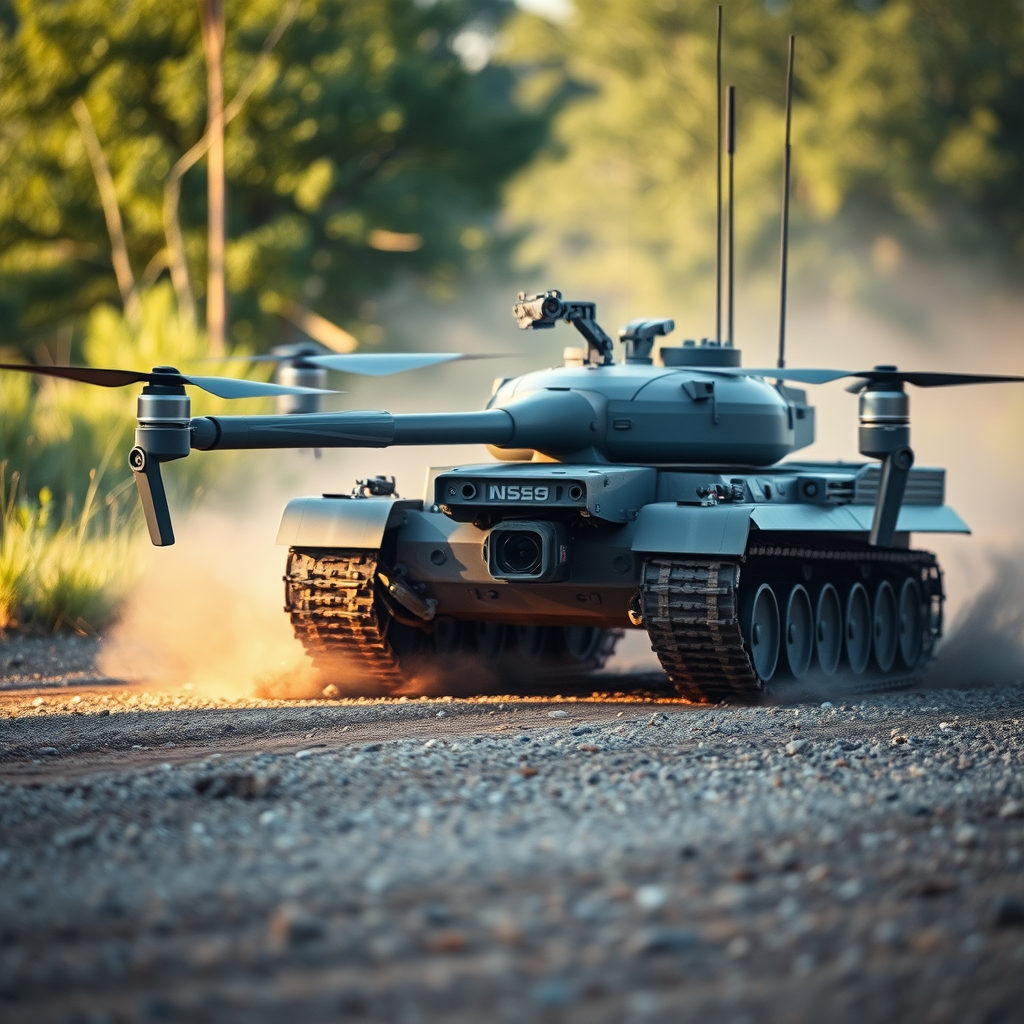
Drones come in various forms, each designed for specific military applications. The most commonly used types in combat include fixed-wing drones, rotary-wing drones, and specialized combat drones. Fixed-wing drones, like the MQ-1 Predator, are capable of long-range missions and can carry substantial payloads. Rotary-wing drones, such as the MQ-8 Fire Scout, offer vertical takeoff and landing capabilities, making them ideal for reconnaissance and close support.
Key technologies that enable precision targeting include Global Positioning System (GPS) navigation, advanced imaging systems, and real-time data transmission. GPS allows for accurate positioning, ensuring that drones can strike targets with minimal error. Imaging systems, including infrared and electro-optical cameras, provide high-resolution imagery, enabling operators to identify and track tanks effectively. The integration of artificial intelligence (AI) enhances these capabilities further by improving target recognition and decision-making processes during engagements.
Types of Munitions Deployed by Drones
Drones are equipped with various munitions that are effective against armored vehicles. Conventional explosive payloads, such as bombs and grenades, can be utilized in precision strikes, but their effectiveness may vary based on the tank’s armor. More specialized munitions, like the GBU-39 Small Diameter Bomb, deliver precision strikes while minimizing collateral damage, making them ideal for urban environments.
Anti-tank guided missiles (ATGMs) represent a significant advancement in drone warfare. These missiles, such as the AGM-114 Hellfire, are designed specifically to penetrate armored defenses. They utilize sophisticated guidance systems to ensure accuracy, making them highly effective against tanks. The use of ATGMs launched from drones has proven to be a game-changer on the battlefield, allowing for precision strikes from a safe distance, thus increasing the likelihood of mission success while reducing the risk to personnel.
Tactical Advantages of Using Drones
Drones provide a multitude of tactical advantages in combat scenarios, particularly when targeting tanks. One of the most significant benefits is their ability to gather intelligence and improve targeting accuracy. Equipped with high-resolution cameras and sensors, drones can conduct surveillance to identify enemy positions and monitor tank movements in real-time. This intelligence is vital for planning effective strikes and ensuring that attacks are executed with maximum efficiency.
Additionally, drones introduce the element of surprise on the battlefield. Their ability to operate at high altitudes and remain undetected until the moment of engagement means that tanks, which are typically designed to withstand direct assaults, may be caught off-guard. This surprise element, combined with the reduced risk to personnel, allows military forces to engage enemy armor effectively while minimizing casualties among their own ranks.
Case Studies: Successful Drone Strikes on Tanks
Several notable instances have demonstrated the effectiveness of drones in destroying tanks. One prominent example is the use of Turkish Bayraktar TB2 drones in the conflict in Nagorno-Karabakh in 2020. These drones successfully targeted and destroyed a significant number of Armenian tanks through coordinated strikes, showcasing their precision and effectiveness in modern warfare.
Another example is the U.S. military’s use of drones in Iraq and Syria, where they employed Predator and Reaper drones to target armored vehicles belonging to ISIS. In several operations, these drones successfully engaged tanks and other armored vehicles, illustrating how UAVs can alter the dynamics of traditional warfare.
The lessons learned from these operations highlight the necessity of integrating drone technology into military strategies. The ability to conduct long-range strikes with minimal risk to personnel has profound implications for future conflicts, emphasizing the value of UAVs in both offensive and defensive operations.
Challenges and Limitations
While drones have revolutionized the battlefield, there are significant challenges and limitations to their use against tanks. One of the primary countermeasures that tanks may employ is active protection systems (APS), designed to detect and intercept incoming projectiles. These systems can neutralize drone-launched munitions, thereby reducing the effectiveness of such attacks.
Additionally, drone technology itself has limitations, including range and payload capacity. Many drones are restricted in the distance they can travel from their base of operations, which can limit strike capabilities during extended engagements. Furthermore, the payload capacity of drones can restrict the type and quantity of munitions they can carry, necessitating careful planning and coordination to ensure successful missions.
Future of Drones in Armored Warfare
Looking ahead, the future of drones in armored warfare appears promising. Advances in drone technology are expected to enhance their capabilities significantly. Developments in AI and machine learning could lead to more autonomous systems capable of making real-time decisions in combat scenarios. This would not only increase the efficiency of strikes but also reduce the cognitive load on human operators.
Moreover, the integration of swarming technology, where multiple drones operate collaboratively to overwhelm enemy defenses, could redefine combat strategies. As military planners increasingly recognize the importance of incorporating drones into their operational frameworks, the role of drone warfare in future conflicts will likely expand, creating new tactical paradigms in armored engagements.
In conclusion, the use of drones to destroy tanks represents a significant shift in military strategy and technology. Through precision targeting, advanced munitions, and tactical advantages, drones have proven to be formidable assets in modern warfare. As drone capabilities continue to evolve, understanding their application against armored vehicles will be crucial for military planners and strategists aiming to stay ahead in the dynamic landscape of conflict.
Frequently Asked Questions
What methods can drones use to destroy a tank?
Drones can utilize various methods to destroy a tank, including dropping explosives or using guided missiles. Armed drones, equipped with precision-guided munitions, can target vulnerable points on a tank, such as the turret or rear, ensuring maximum effectiveness. Additionally, drones can deploy small bombs or anti-tank guided missiles that are designed to penetrate armored vehicles.
How effective are drones in combat against armored vehicles like tanks?
Drones have proven to be highly effective in combat against armored vehicles, including tanks, especially in modern warfare. Their ability to gather intelligence and conduct precise attacks from a distance reduces the risk to personnel while increasing the likelihood of successful strikes. Furthermore, drones can evade traditional air defenses and are often equipped with advanced targeting systems that enhance their attack accuracy.
Why are drones considered a game-changer in warfare against tanks?
Drones are considered a game-changer in warfare against tanks due to their versatility, cost-effectiveness, and capability for real-time surveillance. They provide military forces with the ability to gather intelligence and execute strikes without risking human lives, changing the dynamics of land warfare. Additionally, drones can operate in environments where ground forces may face significant challenges, allowing for strategic advantages in targeting armored units.
What are the best drones currently available for destroying tanks?
Some of the best drones for targeting tanks include the MQ-9 Reaper, which can carry a variety of munitions, and the Turkish Bayraktar TB2, known for its effectiveness in recent conflicts. These drones have been designed for combat scenarios and can operate in diverse environments, making them suitable for anti-tank operations. Additionally, consumer drones modified with explosive payloads are also being utilized in asymmetrical warfare settings.
Which countries are leading in drone technology for anti-tank warfare?
Countries such as the United States, Israel, and Turkey are at the forefront of drone technology for anti-tank warfare. The U.S. military employs sophisticated drones like the MQ-9 Reaper, while Israel has developed the Hermes 900 and Harop drones, which are specifically designed for targeting armored vehicles. Turkey’s Bayraktar TB2 has gained international attention for its successful use in various conflicts, showcasing the evolving role of drones in modern warfare.
References
- https://en.wikipedia.org/wiki/Military_drone
- https://www.nytimes.com/2022/03/02/world/europe/drone-ukraine-russia-tanks.html
- https://www.bbc.com/news/world-europe-60519052
- https://www.reuters.com/investigates/special-report/ukraine-war-drones/
- https://www.airforcemag.com/the-role-of-drones-in-modern-warfare/
- https://www.rand.org/pubs/research_reports/RR3099.html
- https://www.military.com/equipment/drone
- https://www.sciencedirect.com/science/article/pii/S2214574519301153
