
The motors on DJI drones typically range from 2206 to 3510, depending on the model, playing a crucial role in their performance and capabilities. Each motor is meticulously designed to optimize thrust, stability, and payload capacity, which are essential factors for both recreational and professional drone users. In this article, we will delve into the various motor sizes across popular DJI drone models, their specifications, and how these sizes influence overall flight performance.
Understanding Motor Specifications
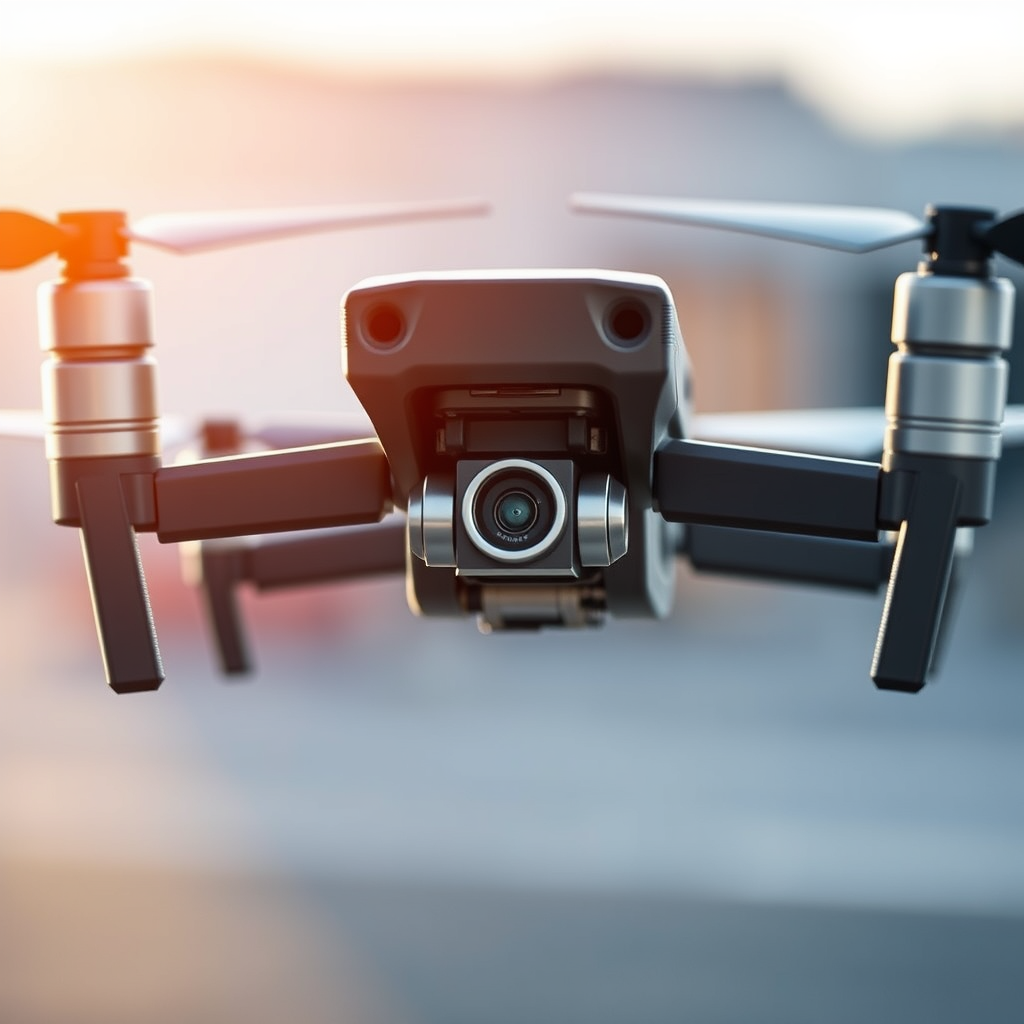
Motors on drones are usually identified by a numeric code, such as 2206, where the first two digits indicate the motor diameter in millimeters and the last two digits denote the height. This coding system helps users quickly gauge the motor’s specifications. For instance, a 2206 motor has a diameter of 22 mm and a height of 6 mm. Larger motors typically deliver greater thrust, allowing drones to lift heavier payloads, which is particularly vital for professional applications, like aerial photography or surveying.
Furthermore, the motor’s size affects its efficiency and performance characteristics. Larger motors can generate more lift, which is beneficial for carrying additional equipment or for flying in adverse weather conditions. Conversely, smaller motors, while offering less thrust, contribute to a lighter overall drone weight which can enhance flight time and agility. Understanding these specifications is key for drone enthusiasts and professionals alike, as it informs decisions on suitable drone models for specific applications.
Motor Size by DJI Drone Model
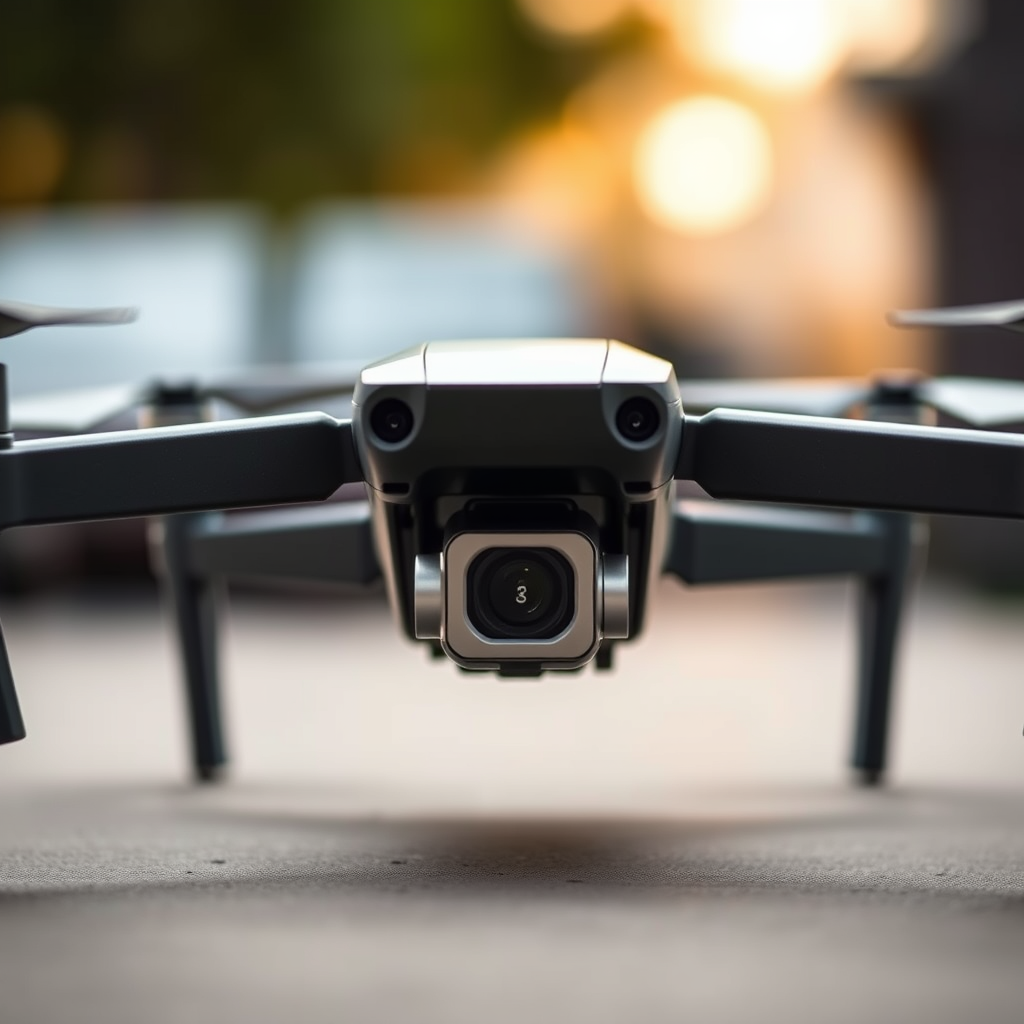
DJI’s diverse lineup includes several models, each tailored for different use cases, and this diversity is reflected in their motor sizes.
– DJI Mavic Series: The Mavic drones, known for their compact and portable design, typically utilize smaller motors ranging from 1806 to 2206. For example, the Mavic Air 2 features 1806 motors, which are optimized for efficiency and ease of transport without compromising performance. These smaller motors allow the Mavic series to excel in offering long flight times and agile maneuverability, making them ideal for casual users and travelers.
– DJI Phantom Series: In contrast, the Phantom series, designed for stability and serious aerial photography, incorporates larger motors such as the 2312. These motors provide enhanced lift capabilities, making them suitable for carrying heavier camera equipment, such as the Zenmuse gimbals and high-quality DSLR cameras. The increased thrust from these larger motors ensures that the drone can maintain stability and control, even in windy conditions, which is essential for capturing smooth, high-quality aerial footage.
How Motor Size Affects Flight Performance
The size of the motors directly influences flight performance in several ways. Larger motors can produce significant lift, enabling drones to carry heavier payloads. This feature is invaluable for professionals who rely on drones for tasks such as surveying, mapping, or high-end photography, where the quality of the images can be affected by the weight of the equipment being carried.
On the other hand, smaller motors offer advantages in terms of weight. Drones with smaller motors tend to be lighter, which can significantly improve flight time and maneuverability. For instance, a lighter drone can stay airborne longer, providing more opportunity for data collection or creative shooting. Moreover, smaller motors allow drones to make quick directional changes, which is beneficial for dynamic filming scenarios or obstacle navigation.
In summary, the choice of motor size is a balancing act between payload capacity and flight efficiency, and understanding this trade-off is essential for selecting the right drone for specific tasks.
The Role of ESC (Electronic Speed Controller)
The Electronic Speed Controller (ESC) is a critical component that works in tandem with the drone’s motors. Its primary function is to manage the speed of the motors, ensuring that they operate efficiently based on the pilot’s inputs. The ESC must be appropriately matched to the size and specifications of the motors to achieve optimal performance.
A well-matched ESC enhances responsiveness and can improve flight efficiency, particularly in drones with larger motors. For example, if a drone is equipped with larger motors, the ESC needs to handle higher current demands without overheating or failing. Conversely, smaller motors may require less sophisticated ESCs, but they still benefit from precise control to ensure smooth flight dynamics.
Furthermore, innovations in ESC technology, such as advanced algorithms and better heat dissipation methods, have led to improved performance across the board. These advancements allow pilots to experience more responsive control and greater overall efficiency, which is particularly advantageous in competitive drone racing or complex aerial maneuvers.
Maintenance and Replacement Considerations
Understanding motor sizes is essential not only for selecting the right drone but also for effective maintenance and part replacement. When motors wear out or become damaged, knowing the specific motor size ensures that the correct replacement parts can be acquired. This compatibility is critical for maintaining optimal performance and safety during flight.
Regular maintenance of drone motors can prolong their lifespan and ensure they operate at peak efficiency. This includes routine inspections for wear and tear, cleaning to remove dust and debris, and timely replacements of parts that may degrade over time. By staying proactive with maintenance, drone operators can avoid unexpected failures that could jeopardize their projects or equipment.
Additionally, keeping a close eye on the motor’s performance characteristics, such as temperature during operation and response to throttle inputs, can provide insight into when maintenance is necessary. This vigilance will help drone users maximize the return on their investment and maintain safe operating conditions.
Innovations in Drone Motors
As drone technology evolves, so too does the design and functionality of drone motors. Recent advancements have introduced innovations such as brushless motors, which are more efficient and have longer lifespans compared to traditional brushed motors. These innovations not only enhance performance but also contribute to quieter operation, which is increasingly important in noise-sensitive environments.
Moreover, the development of lightweight yet durable materials has enabled manufacturers to create more powerful motors without increasing weight. This trend suggests that future models may feature even larger or more powerful motors, which could further enhance overall drone capabilities, allowing for increased payloads and longer flight times.
As the industry progresses, we may also see the emergence of smart motors equipped with integrated sensors that provide real-time performance data, enabling users to make more informed decisions regarding their drone operations. This integration of technology represents a significant leap forward, pushing the boundaries of what is possible with drone applications.
The size of the motors on DJI drones is a fundamental aspect that influences their performance, stability, and payload capabilities. By understanding these specifications, users can make informed decisions on which drone model best suits their specific needs. Whether you are a hobbyist looking for a compact drone or a professional requiring robust capabilities for demanding projects, being aware of motor sizes and their implications for flight will significantly enhance your drone experience. As technology continues to advance, staying informed about these developments will ensure that you are well-equipped to leverage the full potential of your DJI drone.
Frequently Asked Questions
What size motors do DJI drones typically use?
DJI drones utilize a range of motor sizes depending on the model and intended use. For example, smaller models like the DJI Mini series may have motors rated around 1806 to 2204, while larger models such as the DJI Matrice series can have motors ranging from 3508 to 5010. The size and power of the motors are designed to balance flight performance, payload capacity, and battery efficiency.
How do the motor sizes impact the performance of DJI drones?
The size of the motors on DJI drones significantly affects their flight performance, including lift capacity, speed, and stability. Larger motors provide more thrust, enabling the drone to carry heavier payloads and achieve faster speeds. Conversely, smaller motors are typically more energy-efficient, allowing for longer flight times, making it crucial to choose a drone with the appropriate motor size for your specific needs.
Why do different DJI drone models have varying motor sizes?
Different DJI drone models have varying motor sizes to cater to their specific applications and target audiences. For instance, consumer drones designed for casual photography may use smaller, lighter motors for improved battery life and ease of maneuverability, while professional drones built for aerial cinematography require larger motors to handle more substantial camera equipment and advanced flight features. This differentiation allows users to select a drone that aligns with their flight requirements.
Which DJI drone has the most powerful motors?
The DJI Matrice 600 is known for having some of the most powerful motors among DJI drones. It is equipped with robust 3510 motors that provide exceptional lift capacity, allowing it to carry professional-grade camera systems and additional gear. This makes the Matrice 600 ideal for filmmakers and industrial applications where high performance and reliability are paramount.
How can I determine if my DJI drone’s motors are sufficient for my needs?
To determine if your DJI drone’s motors are sufficient for your needs, first assess the intended use, such as casual photography, racing, or professional filming. Consider the drone’s payload capacity, flight time, and stability ratings. Consulting the manufacturer’s specifications can help you understand if the motor size and power output align with your requirements, ensuring optimal performance for your specific applications.
References
- DJI
- https://www.reuters.com/article/us-dji-drone-idUSKCN1V20J4
- https://www.sciencedirect.com/topics/engineering/drones
- https://www.theguardian.com/technology/2020/aug/24/dji-drone-technology-explained
- https://www.nytimes.com/2021/05/03/technology/dji-drone-china.html
- https://www.nasa.gov/mission_pages/aircraft/technology/drones.html
- https://www.techradar.com/news/what-is-a-drone-and-how-do-they-work
