
Drones can vary significantly in size, ranging from small toy models measuring just a few inches to large industrial drones that can exceed 30 feet in wingspan. The potential size of a drone is influenced by its intended use, design technology, and regulatory limitations. As drone technology continues to evolve, understanding the factors that determine drone size becomes increasingly relevant for manufacturers, users, and regulators alike.
Understanding Drone Classifications
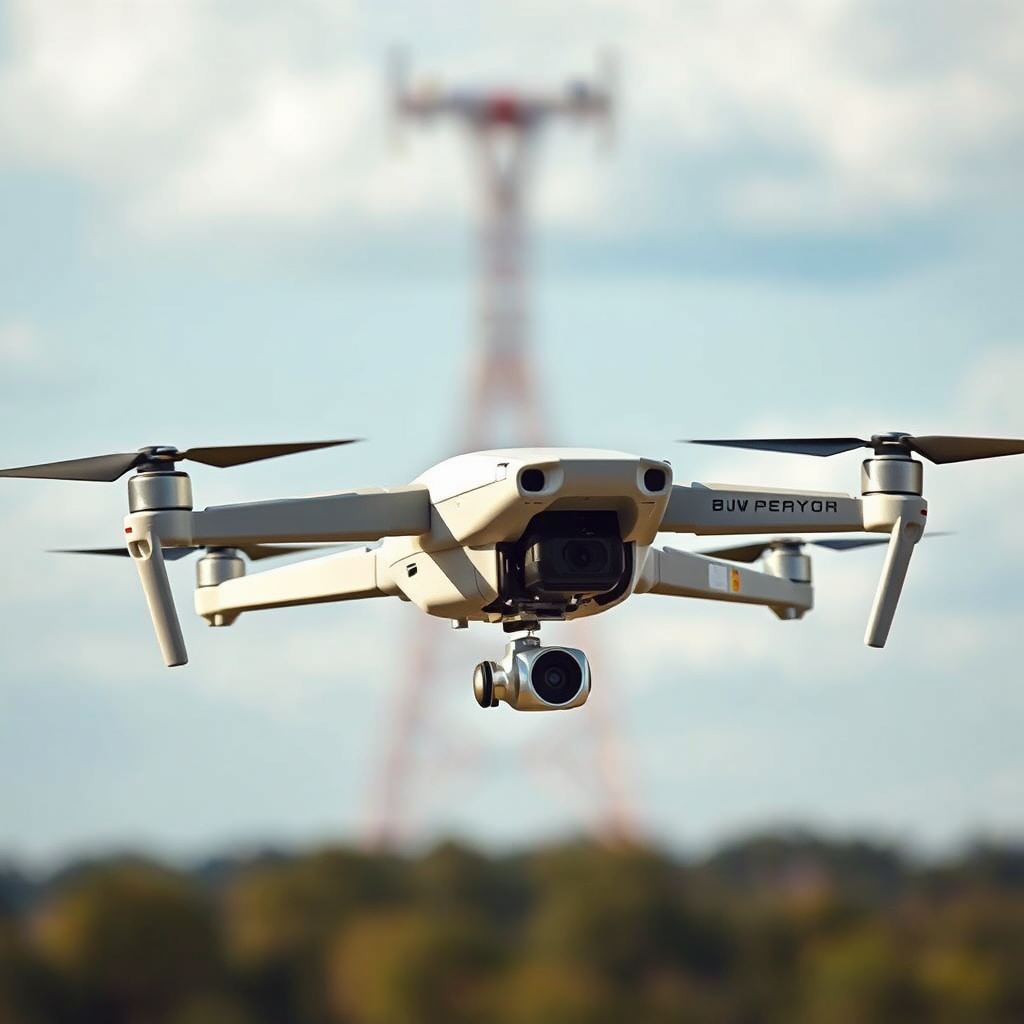
Drones are categorized into various classes based on size and purpose, including toy drones, hobbyist drones, and commercial drones. These classifications help users select the right drone for their needs and assist manufacturers in designing products that meet specific requirements.
The most significant size classifications typically include:
– Micro Drones: These are drones that measure less than 2 feet in wingspan and are often used for indoor flying or educational purposes. They are lightweight and easy to maneuver, making them ideal for beginners and hobbyists.
– Small Drones: These drones range from 2 to 6 feet and are commonly used for recreational activities, aerial photography, and basic commercial applications. Their size allows for a balance between portability and functionality.
– Large Drones: Drones that exceed 6 feet in wingspan fall into this category and are often utilized for more specialized tasks such as agriculture, surveillance, and large-scale deliveries. Their size enables them to carry heavier payloads and cover greater distances.
Understanding these classifications is essential for anyone interested in drone technology, as it informs potential users about the capabilities and limitations of different drone types.
Factors Influencing Drone Size
Several factors influence the size of drones, with the most prominent being purpose and technology.
– Purpose: The intended use of a drone significantly impacts its size. Drones designed for aerial photography require stability and payload capacity for high-quality cameras, leading to a larger design. Conversely, drones intended for simple recreational use may prioritize portability and compactness. Additionally, sectors like agriculture have seen the emergence of larger drones capable of spraying pesticides or monitoring vast crop fields, demonstrating the importance of purpose in size determination.
– Technology: Advances in materials and battery technology have enabled the production of larger drones that are both efficient and manageable. Innovations such as lightweight composite materials reduce the overall weight of larger drones, enhancing their flight time and payload capacity. Furthermore, improvements in battery technology, including lithium-polymer and lithium-sulfur batteries, allow for more energy-efficient operations, making it feasible to design drones that are both large and capable of extended flights.
The intersection of purpose and technology is crucial in understanding how drone sizes will evolve in the future.
Examples of Large Drones
The world of large drones is diverse, encompassing both military and commercial applications. Notable examples include:
– Military Drones: The MQ-9 Reaper is a prominent military drone with a wingspan of over 66 feet. It is designed for surveillance and reconnaissance missions, showcasing the upper limits of drone size in a military context. The advanced technology integrated into the Reaper allows it to carry various payloads, including high-resolution cameras and missile systems, underscoring the utility of larger drones in complex operational environments.
– Commercial Cargo Drones: Companies such as Amazon and Google are actively developing commercial cargo drones that aim for substantial payload capacities. For instance, the Wingcopter, which is being tested for delivery services, has a wingspan of about 9 feet. These larger designs are intended to transport goods over significant distances, thus revolutionizing the logistics and delivery industries. As demand for efficient delivery systems grows, we can expect ongoing innovations that push the boundaries of drone size.
These examples illustrate the diverse applications of large drones and highlight their potential to transform various sectors.
Regulatory Considerations
FAA regulations limit the size and operational limits of drones in many regions, affecting how large a drone can be legally operated. In the United States, for instance, the FAA mandates that any drone weighing over 55 pounds must be registered and comply with specific operational guidelines. These regulations aim to ensure safety and minimize the risk of accidents, particularly in populated areas.
Compliance with safety standards often dictates the maximum size of drones intended for public use. For instance, larger drones may require additional safety features, such as redundant systems for critical components and advanced navigation technology to prevent collisions. Regulatory bodies worldwide are continuously updating their guidelines to keep pace with technological advancements, which can further influence the design and size of drones.
As the industry evolves, it becomes increasingly important for drone manufacturers and users to stay informed about regulatory changes, as these can have a direct impact on operational capabilities.
Future Trends in Drone Development
Ongoing advancements in AI and automation are paving the way for larger, more capable drones. The integration of artificial intelligence allows for enhanced autonomous flight capabilities, enabling larger drones to operate without constant human oversight. This is particularly beneficial for applications such as surveying large areas or monitoring agricultural fields, where timely data collection is crucial.
Additionally, the potential for electric vertical takeoff and landing (eVTOL) drones indicates a future where larger drones may become commonplace in urban areas. These eVTOL drones are designed to carry passengers and cargo, providing a new mode of transportation in congested cities. As urban air mobility becomes a reality, the size and capabilities of drones will likely expand to meet the demands of urban environments.
The future of drone technology promises exciting developments that could redefine the limits of size and operational capacity.
Implications of Larger Drones
Larger drones could provide enhanced capabilities for services like delivery, agriculture, and disaster response. For instance, in agriculture, larger drones can cover more ground and carry heavier payloads for tasks such as crop monitoring and pesticide application. In disaster response, larger drones equipped with medical supplies could deliver aid to remote or hard-to-reach areas, significantly improving response times.
However, increased size may also lead to more stringent regulations and safety concerns. Larger drones pose unique challenges, including potential risks to public safety, airspace congestion, and environmental impacts. As the industry navigates these challenges, collaboration between manufacturers, regulators, and industry stakeholders will be essential to develop effective policies that promote safety while allowing for innovation.
In summary, the evolution of drone technology and the corresponding implications of larger drones will require ongoing dialogue among all parties involved to ensure that the benefits are maximized while minimizing risks.
While there is no definitive answer to how big a drone can get, advancements in technology and evolving regulations will continue to shape the landscape. Whether for commercial, recreational, or military use, the possibilities for drone size are substantial, and staying informed on these developments is essential for enthusiasts and professionals alike. The future of drone technology is poised for significant growth, making it an exciting time to engage with this rapidly evolving field.
Frequently Asked Questions
What is the maximum size a drone can be legally in the United States?
In the United States, the Federal Aviation Administration (FAA) regulates drone sizes, and there is no strict upper limit on the physical dimensions of a drone. However, for commercial use, any drone over 55 pounds must be registered and adhere to specific operational guidelines. Additionally, larger drones often require a pilot to have a specific certification, which can limit their practical use for many operators.
How do the size and weight of a drone affect its performance?
The size and weight of a drone directly impact its flight capabilities, including speed, battery life, and maneuverability. Larger drones can carry heavier payloads and often have better stability in windy conditions, but they may also have shorter flight times due to increased energy consumption. Conversely, smaller drones are typically more agile and can be easier to transport, but they may struggle to maintain stability and range in challenging weather.
Why are most consumer drones around the size of a small car?
Most consumer drones are designed to be around the size of a small car to balance functionality, portability, and ease of use. This size allows them to carry advanced camera equipment and technology while remaining lightweight enough for efficient flight. Additionally, this size range meets the needs of hobbyists and professionals alike without requiring complex licensing and operational constraints associated with larger drones.
What are the best large drones available for commercial use?
Some of the best large drones for commercial use include the DJI Matrice 300 RTK, which offers advanced AI capabilities, and the Freefly Alta 8, known for its impressive payload capacity. These drones are designed for industries such as filmmaking, agriculture, and surveying, providing robust features and reliability. When selecting a large drone, consider factors like flight time, payload capability, and the specific needs of your industry.
Which factors determine how big a drone can be for hobbyist use?
Several factors determine how big a drone can be for hobbyist use, including local regulations, flight safety considerations, and technological limitations. In the U.S., hobbyist drones must weigh under 55 pounds to avoid strict FAA regulations, and they must be flown within the operator’s line of sight. Additionally, the drone’s size should be manageable for the user to transport and operate safely, ensuring a positive flying experience.
References
- https://en.wikipedia.org/wiki/Drone
- https://www.nasa.gov/mission_pages/technology/innovation/large_drones.html
- https://www.faa.gov/uas/
- https://www.sciencedirect.com/science/article/pii/S0094576522000140
- https://www.wired.com/story/huge-drones-are-coming/
- https://www.theguardian.com/technology/2021/oct/05/drones-are-getting-bigger-and-faster
- https://www.researchgate.net/publication/331069022_Analysis_of_Large_Drones_and_their_Impact_on_Aviation
- https://www.nap.edu/catalog/26384/drone-delivery-a-research-agenda
- https://www.bbc.com/future/article/20200205-the-drones-that-can-lift-a-car
