

You can buy drones ranging from tiny toy models just a few inches long to professional-grade models that can exceed 10 feet in wingspan. Understanding the size options and their implications is essential for selecting the right drone for your needs. The right choice will largely depend on your intended use, budget constraints, and the regulatory environment in your region. This comprehensive guide will delve into the various drone sizes available in the market, their applications, and what to consider before making a purchase.
Understanding Drone Sizes
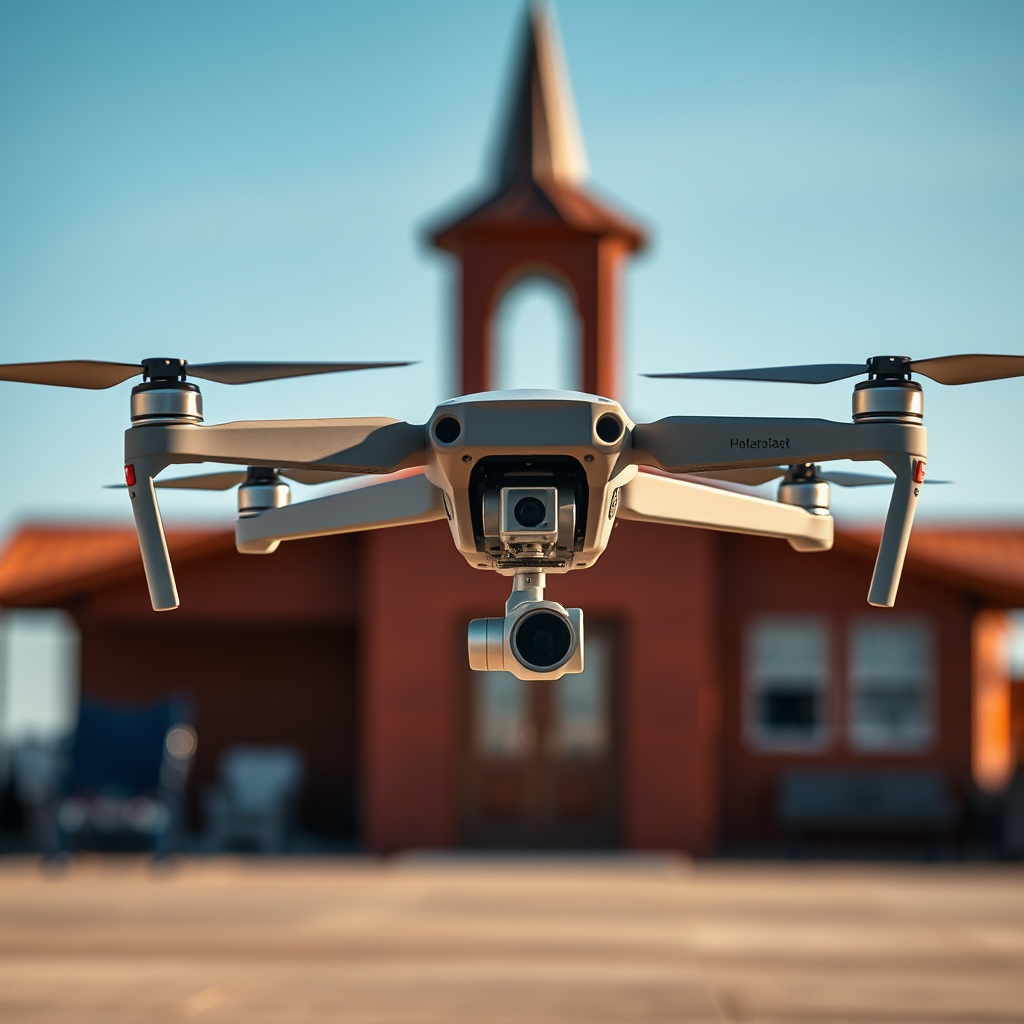
Drones are typically categorized by size: nano, mini, small, medium, and large.
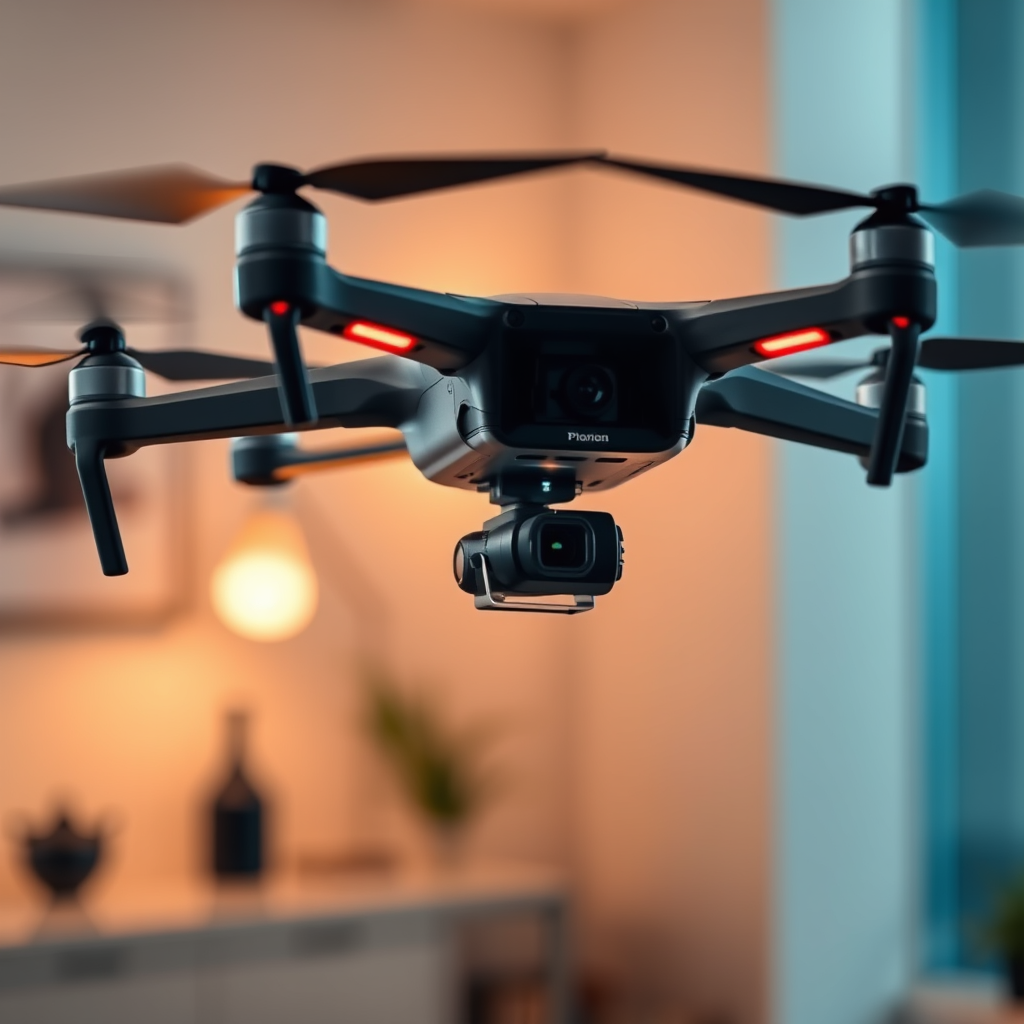
– Nano Drones: These are the smallest drones, often measuring just a few inches across and weighing less than 0.55 pounds. They are ideal for indoor flying and simple maneuvers, as their lightweight design allows for quick movements but limits their range and battery life.
– Mini Drones: Slightly larger than nano drones, mini drones often range from 4 to 10 inches in size. They are more stable in flight and can be used for basic aerial photography and fun flying activities.
– Small Drones: Ranging from 10 to 24 inches, small drones provide a good balance between portability and capability. These drones often come equipped with basic cameras and are popular among recreational users.
– Medium Drones: These typically range from 2 to 4 feet in size and are widely used by hobbyists and professionals alike. They often feature advanced technology, including GPS, better cameras, and longer battery life, making them suitable for more serious applications.
– Large Drones: Exceeding 4 feet, large drones are often used for commercial purposes. Their size allows them to carry heavier payloads, making them ideal for professional photography, surveying, and even delivery services.
The size of a drone significantly impacts its flight performance, battery life, and payload capacity. Larger drones generally offer longer flight times and the ability to carry specialized equipment, while smaller drones excel in agility and ease of use.
Purpose of Drones
The intended purpose of a drone plays a crucial role in determining the size you should consider.
– Recreational Use: Smaller drones are ideal for casual flying and indoor use. They are user-friendly and often equipped with features tailored for beginners, such as simple controls and built-in safety mechanisms.
– Aerial Photography: Medium to large drones are the preferred choice for photography enthusiasts and professionals. They often come with high-quality cameras and gimbals that stabilize video and images, delivering professional-grade results.
– Commercial Applications: For businesses in sectors like agriculture, construction, and surveying, larger drones are essential. These drones can carry specialized payloads such as thermal cameras or survey equipment, allowing for efficient data collection and analysis.
Understanding the purpose behind your purchase will help narrow down your options and ensure you select a drone that meets your specific requirements.
Regulations and Restrictions
It’s essential to be aware of the regulations and restrictions surrounding drone use, as these can vary significantly based on the size of the drone and the country in which you reside.
– Nano and Mini Drones: Often, these smaller drones can be flown without extensive regulations. In many cases, they do not require registration or special licenses, making them accessible to a broader audience.
– Medium and Large Drones: Drones that exceed certain weight thresholds (usually 0.55 pounds) typically require registration with aviation authorities such as the FAA in the United States. Additionally, pilots may need to obtain a Remote Pilot Certificate, especially for commercial use.
– Airspace Regulations: Larger drones may also face additional restrictions regarding where they can be flown, particularly near airports or populated areas. Familiarizing yourself with local regulations is critical to avoid fines and ensure safe operations.
Understanding these legal frameworks is essential to prevent any violations that could lead to penalties or accidents.
Popular Drone Sizes on the Market
The market is teeming with a variety of drone sizes, catering to different needs and budgets.
– Small Drones: Popular models, such as the DJI Mini SE or the Holy Stone HS720, fall within the 6 inches to 2 feet range. These drones are often equipped with decent cameras for photography and are favored for fun recreational use.
– Medium Drones: Drones like the DJI Air 2S or the Autel Robotics EVO Lite belong to the medium category, ranging from 2 to 4 feet. They are versatile, offering advanced features like obstacle avoidance and extended battery life, making them suitable for both enthusiasts and serious amateurs.
– Large Drones: Models such as the DJI Matrice 300 RTK or the senseFly eBee X are designed for commercial applications. With wingspans exceeding 10 feet, they are equipped to carry specialized payloads for industries like agriculture, construction, and emergency response.
The growing variety of drones available allows consumers to select the perfect fit based on their specific needs and budget.
Cost Considerations
When it comes to purchasing a drone, cost is a significant factor that varies widely based on size, features, and brand reputation.
– Small Drones: You can find entry-level drones starting as low as $20. These models are typically toy-grade and may not offer robust features. However, you can also find quality small drones priced between $100 and $400 with decent cameras and longer flight times.
– Medium Drones: Prices for medium drones generally range from $400 to $1,500. This price bracket typically includes models with advanced features such as GPS, high-resolution cameras, and enhanced battery life, making them suitable for more serious hobbyists and professionals.
– Large Drones: Professional-grade drones can range from $1,500 to over $20,000, depending on their capabilities and the technology they incorporate. High-end models designed for commercial use often come with specialized payload capabilities, advanced sensors, and extensive software support.
When budgeting for a drone, consider additional costs such as spare batteries, case accessories, and insurance to protect your investment.
Selecting the Right Size for Your Needs
Choosing the right drone size requires a thoughtful assessment of your intended use, budget, and personal preferences.
– Assess Your Intended Use: Consider whether you will use the drone for casual flying, professional photography, or commercial applications. This will help dictate the size and features you should prioritize.
– Portability: If you plan to travel frequently with your drone, a smaller model may be more convenient. Conversely, if you need a drone for specific tasks like surveying, a larger model may be necessary.
– Ease of Use: Beginners may prefer smaller drones that are easier to handle and require less technical knowledge. More advanced users may want to invest in larger drones that offer greater control and capability.
– Specific Features: Identify the essential features you require, such as camera quality, flight time, and GPS capabilities. Matching these features to the appropriate size will ensure you find the best drone for your needs.
Future Trends in Drone Size
As technology continues to evolve, the drone industry is poised for exciting advancements, particularly concerning size and functionality.
– Compact Drones: Innovations in battery technology and materials may lead to the development of smaller drones that maintain or even enhance their capabilities. This could allow for the creation of drones that are both portable and powerful.
– Hybrid Models: The market is increasingly seeing hybrid models that combine the features of various sizes. For instance, drones that can switch between compact and larger configurations for different tasks may become more common.
– Increased Autonomy: Future drones may incorporate advanced AI and machine learning, allowing for increased autonomy in flight and operation. This could lead to the development of drones that are not only smaller but also smarter and more efficient.
Staying abreast of these trends will help consumers and businesses make informed decisions about their drone investments.
In conclusion, the size of the drone you can buy largely depends on your intended use, budget, and regulatory considerations. Whether you’re a hobbyist or a professional, understanding the options available will help you make an informed decision. Carefully consider your needs, explore the various models on the market, and take into account future trends to find the best fit for you.
Frequently Asked Questions
What is the maximum weight limit for consumer drones that I can buy?
The maximum weight limit for consumer drones typically falls under 55 pounds (25 kg) as per the Federal Aviation Administration (FAA) regulations in the United States. Drones exceeding this weight often require special certifications and cannot be used for recreational purposes. When shopping for a drone, it’s essential to consider both the drone’s weight and its intended use, as heavier drones can offer more features but also come with stricter regulations.
How big of a drone can I fly without needing a license?
In the U.S., you can fly drones under 55 pounds for recreational purposes without a license, provided you adhere to FAA guidelines. However, if you plan to use your drone for commercial purposes or if it exceeds this weight limit, you will need to obtain a Remote Pilot Certificate from the FAA. Always check local regulations, as they may impose additional restrictions on drone sizes and usage.
Why are larger drones typically more expensive than smaller ones?
Larger drones tend to be more expensive due to their advanced technology, enhanced flight capabilities, and more robust materials used in their construction. They often come equipped with better cameras, longer flight times, and additional features such as obstacle avoidance systems, which can significantly increase their cost. When considering a drone purchase, weigh the benefits of size against your specific needs and budget.
Which brands offer the largest consumer drones on the market?
Brands like DJI, Yuneec, and Autel Robotics are known for offering some of the largest and most capable consumer drones. DJI, in particular, has models like the Matrice series, which can accommodate various payloads and accessories, making them suitable for professional use. When selecting a brand, consider the drone’s features, customer support, and available accessories to ensure it meets your specific requirements.
What are the advantages of buying a larger drone compared to a smaller one?
Larger drones often provide enhanced stability, longer flight times, and the ability to carry heavier payloads, such as high-quality cameras for aerial photography or surveying. They also tend to have better wind resistance and advanced navigation features, making them more suitable for professional applications. However, larger drones can be more challenging to transport and may require more extensive knowledge to operate effectively, so consider your use case when making a decision.
References
- https://en.wikipedia.org/wiki/Drone
- https://www.faa.gov/uas/getting_started/part_107/
- https://www.bbc.com/news/technology-46377692
- https://www.nytimes.com/2021/09/14/technology/drones-faa-regulations.html
- https://www.nasa.gov/mission_pages/UAVs/index.html
- https://www.sciencedirect.com/science/article/pii/S2352864817301995
- https://www.purdue.edu/extension/4h/projects/aerospace/drones.html
- https://www.aiaa.org/docs/default-source/uploadedfiles/2021-drones.pdf
- https://www.theguardian.com/technology/2021/jul/13/drones-uk-regulations-privacy
- https://www.nist.gov/news-events/news/2022/08/nist-helps-improve-drone-technology-safety-and-reliability
