
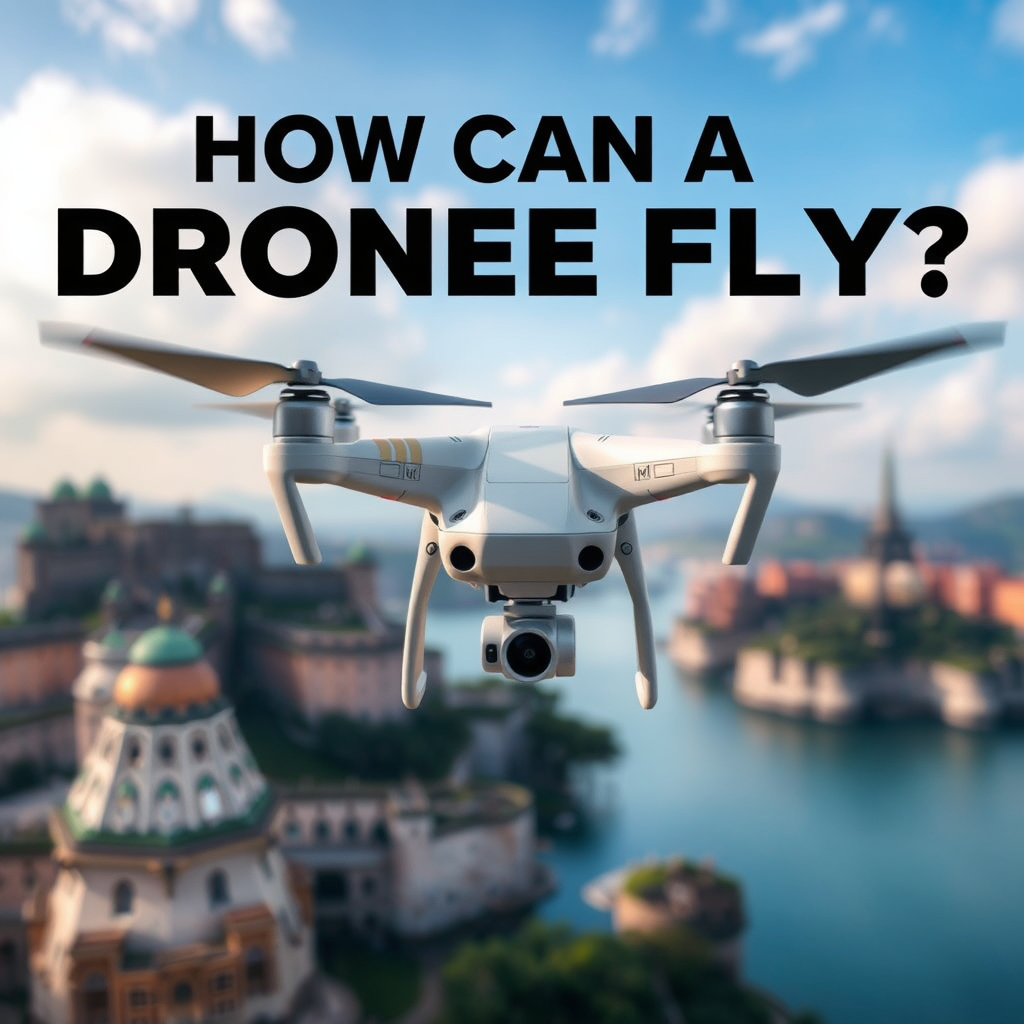
Drones fly by utilizing a combination of aerodynamic principles and advanced technology, primarily through the lift generated by their rotors. This understanding of drone flight mechanics involves examining the intricate components that contribute to their operation and the physics that allow them to soar through the sky. As drones have become increasingly prevalent in various sectors—from agriculture to photography—grasping the basics of how they fly is essential for users and enthusiasts alike.
The Science of Lift
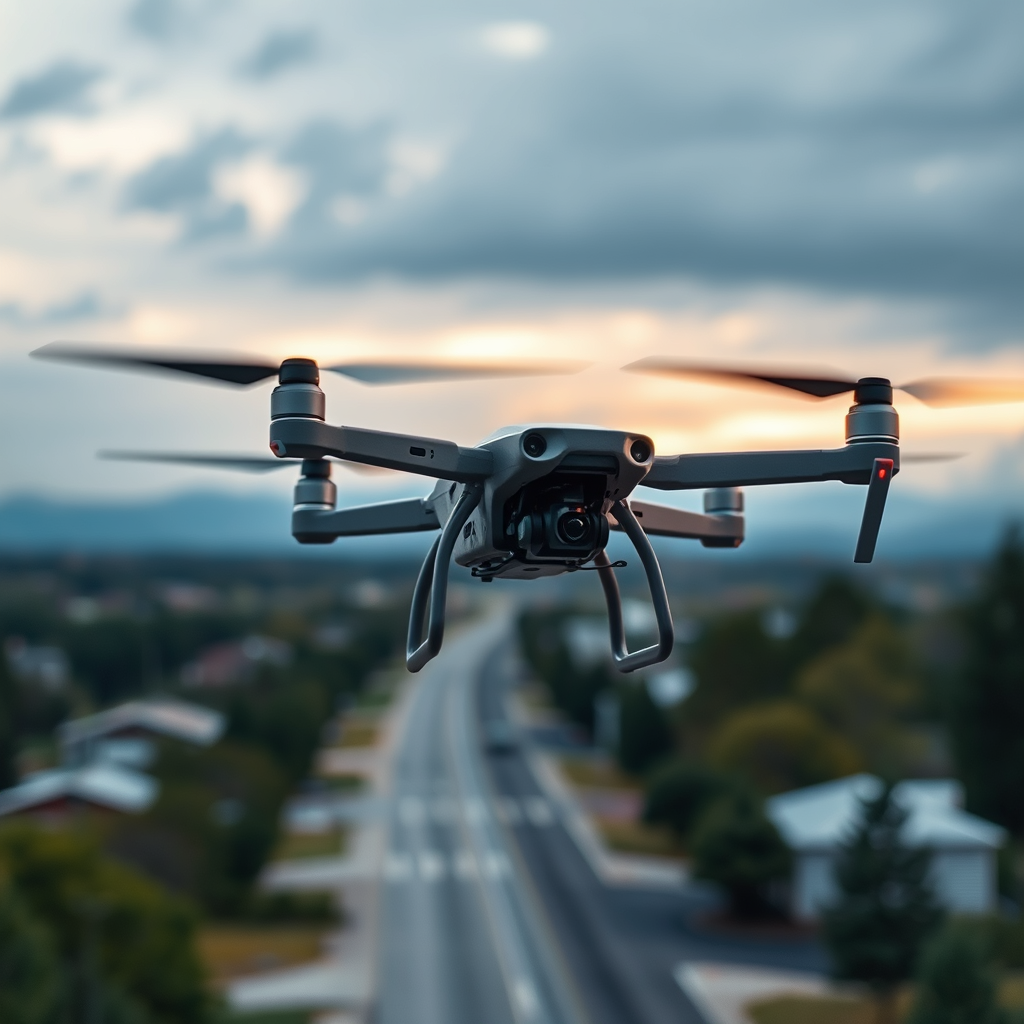
Lift is a fundamental concept in aviation, and it is primarily generated when air moves faster over the top of the rotor blades than underneath. This difference in airspeed creates a pressure differential that lifts the drone into the air. The principles of Bernoulli’s equation come into play here, illustrating how increased velocity results in decreased pressure.
The angle of the rotor blades, known as the pitch, plays a crucial role in the amount of lift produced. By adjusting the pitch of the blades, a drone can optimize its lift in response to varying flight conditions. For instance, when a drone needs to ascend quickly, the pitch will increase to create more lift. Conversely, to descend or maintain a steady altitude, the pitch can be reduced. This dynamic adjustment allows for precise control over the drone’s flight path, enhancing its maneuverability and stability.
Drone Components Essential for Flight
A drone comprises several key components that work together to enable flight.
– Motors: These are the heart of the drone, providing the necessary power to spin the rotors at high speeds. Typically, brushless motors are used due to their efficiency and longevity, allowing for sustained flight times. When the motors receive power from the drone’s battery, they begin to rotate the propellers, generating thrust and lift.
– Propellers: Designed to create lift and thrust through their rotation, propellers come in various shapes and sizes. The design of a propeller influences its efficiency and performance; for example, larger propellers can generate more lift but may also require more power to operate. The material of the propellers, often plastic or carbon fiber, also affects their weight and durability.
Together, motors and propellers form the essential components that enable a drone to lift off the ground and navigate through the air, demonstrating the importance of selecting high-quality parts for optimal performance.
Flight Control Systems
The stability and maneuverability of a drone during flight are largely reliant on its flight control systems, which include various sensors and processors.
– Gyroscopes and Accelerometers: These devices help maintain stability and orientation during flight. Gyroscopes measure the rate of rotation, allowing the drone to understand its position in space, while accelerometers measure changes in velocity. Together, they provide critical data that helps the drone maintain a steady flight path, even in turbulent conditions.
– Flight Controllers: Acting as the brain of the drone, flight controllers process data from the gyroscopes, accelerometers, and other sensors to make real-time adjustments. This includes altering the speed of individual motors to achieve the desired pitch, roll, and yaw, ensuring smooth and controlled flight. Advanced flight controllers can also incorporate GPS data for enhanced navigation and positioning, allowing drones to follow pre-set paths or return to home locations autonomously.
Types of Drones and Their Flight Mechanics
Drones come in various configurations, each with unique flight mechanics that cater to different applications.
– Quadcopters: Among the most common types, quadcopters utilize four rotors to achieve balanced lift and maneuverability. This configuration allows for vertical takeoff and landing, making them ideal for various applications, including aerial photography and surveying. The ability to change the speed of individual rotors enables quadcopters to execute sharp turns and hover in place, which is essential for capturing stable images or video footage.
– Fixed-Wing Drones: Unlike quadcopters, fixed-wing drones rely on wing structure and forward motion to generate lift, similar to an airplane. They are more efficient for long-distance flights and can cover larger areas without requiring frequent battery recharges. Fixed-wing drones are often used in agricultural monitoring and mapping because they can fly at higher altitudes and capture images over extensive fields with minimal energy expenditure.
Understanding these different types of drones and their respective flight mechanics is crucial for selecting the right drone for specific tasks and navigating their operational capabilities effectively.
Environmental Factors Affecting Flight
Drones do not operate in a vacuum; environmental factors can significantly impact their flight performance.
– Wind speed and direction are primary concerns for drone operators, as strong gusts can destabilize flight and make control challenging. For example, a drone flying against a headwind may require more power to maintain altitude, while crosswinds can push the drone off course, necessitating quick adjustments by the flight controller.
– Temperature and air density also play vital roles in lift generation. Colder air is denser, providing more lift compared to warmer air. This means that drones may perform better in cooler climates, while hot weather can reduce their efficiency and battery life. Operators must consider these environmental factors when planning flights to ensure optimal performance and safety.
Safety Measures and Regulations
As drone usage becomes increasingly widespread, understanding safety measures and regulations is essential for all operators.
– Familiarizing oneself with local regulations is crucial for safe drone operation. Many jurisdictions require drone pilots to register their aircraft, adhere to specific flight altitudes, and avoid restricted airspace, such as near airports or over densely populated areas. Compliance with these regulations not only ensures safety but also promotes responsible use within the community.
– Regular maintenance and pre-flight checks are also vital for preventing accidents and ensuring safe flights. Before taking off, operators should inspect the drone for any signs of wear or damage, check battery levels, and ensure that all components are functioning correctly. Following a maintenance schedule can significantly reduce the risk of mechanical failures during flight.
Future of Drone Technology and Flight
The future of drone technology is promising, with numerous advancements on the horizon that will enhance their capabilities and applications.
– Advancements in battery technology are extending flight times, allowing drones to cover greater distances without needing to recharge. Innovations such as lithium-sulfur and solid-state batteries are being explored for their potential to offer higher energy densities, which could lead to longer operational periods and greater payload capacities.
– Additionally, innovations in artificial intelligence (AI) are improving autonomous flight capabilities and navigation systems. AI can enable drones to learn from their surroundings, make intelligent decisions in real-time, and even collaborate with other drones for tasks such as search and rescue missions or agricultural monitoring. These advancements promise to revolutionize the way drones are utilized across various industries.
In summary, understanding how a drone flies involves grasping the principles of lift, the components at play, and the importance of technology and regulations. As drone technology continues to evolve, staying informed about these developments will enhance both safety and performance in the skies, ultimately leading to a broader acceptance and integration of drones into everyday life. Whether for recreational or professional use, a solid grasp of these fundamentals will empower users to operate drones effectively and responsibly.
Frequently Asked Questions
What are the main components that allow a drone to fly?
Drones rely on several key components to achieve flight, including propellers, motors, a flight controller, and a battery. The propellers generate lift by spinning rapidly, while the motors provide the necessary torque to rotate the propellers. The flight controller acts as the brain of the drone, processing input from various sensors to stabilize and control the drone’s movements. Additionally, the battery supplies power to the entire system, influencing the drone’s flight time and range.
How does a drone achieve lift and maintain stability during flight?
A drone achieves lift through the aerodynamic design of its propellers, which create a difference in air pressure above and below them when they spin. This principle, known as Bernoulli’s principle, allows the drone to rise into the air. To maintain stability, drones are equipped with gyroscopes and accelerometers within the flight controller that continually monitor orientation and speed, making real-time adjustments to the motors to ensure smooth and stable flight.
Why do drones require GPS and other sensors for navigation?
Drones use GPS and other sensors to enhance their navigation capabilities and ensure accurate positioning. GPS allows drones to determine their location, enabling features like waypoint navigation, return-to-home functions, and autonomous flight. Meanwhile, additional sensors such as ultrasonic sensors, barometers, and visual cameras help drones avoid obstacles and maintain an optimal altitude, contributing to safer and more efficient flight operations.
What are the best practices for flying a drone effectively?
To fly a drone effectively, it’s crucial to familiarize yourself with its controls and features before taking off. Always conduct pre-flight checks, including battery levels, GPS signal strength, and weather conditions. It’s also essential to fly in open spaces away from people and obstacles, maintain line-of-sight, and adhere to local regulations regarding drone flight. Lastly, practicing in a controlled environment can significantly improve your piloting skills and confidence.
Which factors can affect a drone’s flight time and performance?
Several factors can influence a drone’s flight time and overall performance, including battery capacity, weight, weather conditions, and flying style. Heavier payloads can decrease flight time, while windy conditions can make it challenging for the drone to maintain stability, leading to increased power consumption. Additionally, aggressive flying maneuvers can drain the battery faster, so optimizing your flying technique and ensuring the drone is well-maintained can help maximize performance and flight duration.
References
- https://en.wikipedia.org/wiki/Drone
- https://www.nasa.gov/centers/langley/news/factsheets/Drone.html
- https://www.faa.gov/uas/
- https://www.sciencedirect.com/science/article/pii/S2351978915001524
- https://www.royalsociety.org/topics-policy/projects/unmanned-aircraft/
- https://www.usgs.gov/mission-areas/water-resources/science/drones-water-resources
- https://www.uvm.edu/extension/family-business/what-are-drones-and-how-do-they-work
- https://www.researchgate.net/publication/319928059_The_Aerodynamics_of_Multirotor_Drones
- https://www.nist.gov/news-events/news/2018/05/nist-researchers-explore-drone-aerodynamics
