
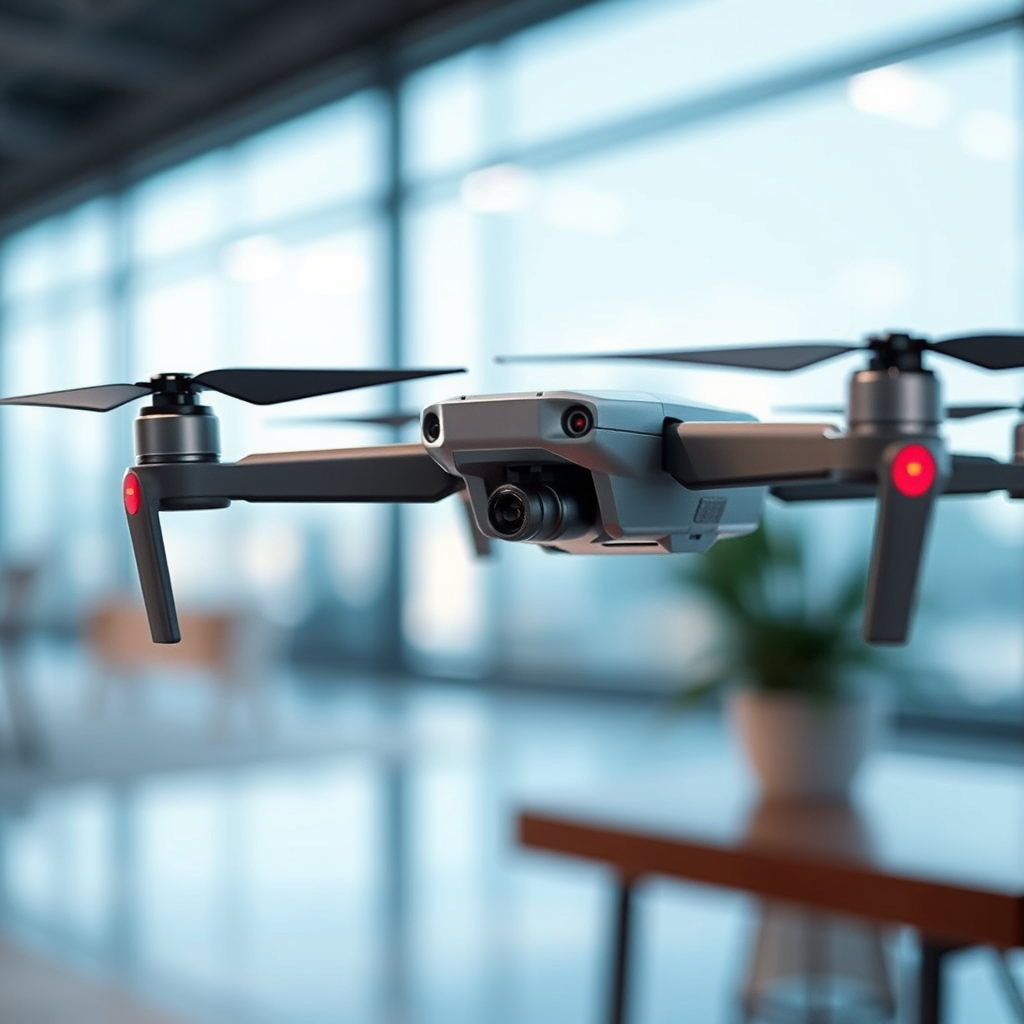
To get a drone, start by determining your needs and budget, then research options, and finally purchase from a reputable source. Drones are versatile devices used for various applications, from recreational flying to professional photography and surveying. Understanding your specific requirements will help you make an informed decision in this rapidly evolving market.
Determine Your Purpose for Getting a Drone
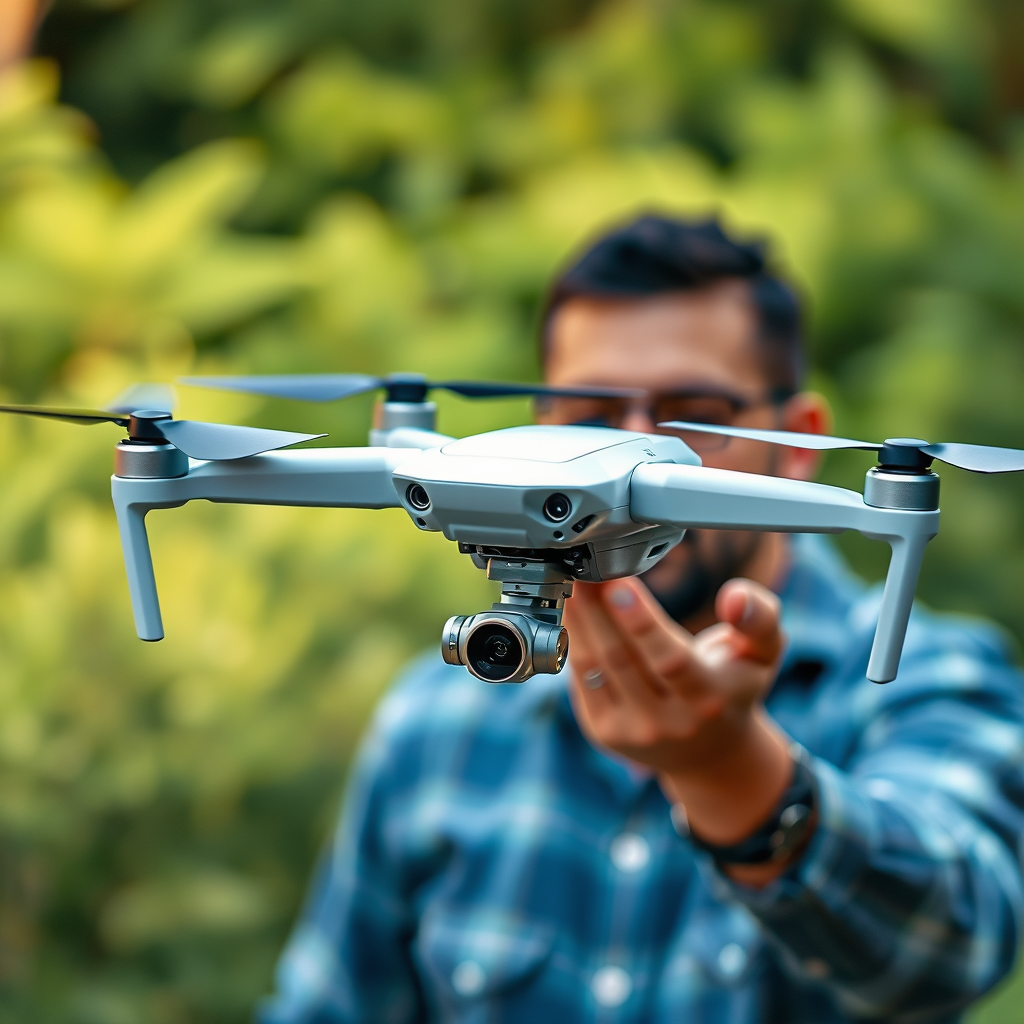
Identifying the purpose of acquiring a drone is the first crucial step. Drones are designed for different uses, and knowing your intent will guide your selection process. For instance, if you are looking to capture stunning aerial photographs, you will need a drone equipped with a high-quality camera and gimbal stabilization. On the other hand, if your goal is recreational flying, a simpler model with basic features may suffice.
Consider the features that are most important to you. For photography, look for specifications such as camera resolution (e.g., 4K video capabilities), flight stability, and the drone’s ability to resist wind. If you need a drone for surveying or mapping, you’ll want to prioritize range and flight time, as longer durations will allow you to cover larger areas without needing to land frequently.
By clearly defining your purpose, you can narrow down the options and focus on drones that best fit your needs.
Set a Budget for Your Drone Purchase
Establishing a budget is essential before diving into the world of drones. Prices can range significantly based on the type and quality of the drone. Entry-level models may cost around $100, while professional-grade drones can run into the thousands. Consider not just the initial purchase price, but also additional expenses such as accessories, insurance, and maintenance.
To align your budget with your needs, research the average prices for different types of drones. Websites like Amazon, Best Buy, and specialized drone retailers will provide a good overview of current market prices. Additionally, check for deals or seasonal sales that may help you save money. For instance, during major shopping events like Black Friday or Cyber Monday, many retailers offer significant discounts on drones and accessories.
Budgeting wisely will not only help you avoid overspending but also ensure you invest in a drone that meets your expectations without breaking the bank.
Research Different Drone Models
Once you’ve defined your purpose and set a budget, the next step is researching various drone models available in the market. Start by exploring reputable brands such as DJI, Parrot, and Autel Robotics, known for their quality and innovation. Each brand offers a range of models tailored to different users, from beginners to seasoned professionals.
Reading reviews and comparing specifications is crucial in making an informed decision. Websites like DroneDJ, The Verge, and specialized drone forums provide valuable insights from users who have hands-on experience with various models. Look for features such as battery life, camera quality, ease of use, and customer support.
Additionally, consider comparing features such as GPS capabilities, obstacle avoidance, and intelligent flight modes that enhance the flying experience. For example, the DJI Mavic Air 2 offers advanced features like SmartPhoto and FocusTrack, making it a great option for photography enthusiasts.
By conducting thorough research, you can identify the best drone that fits your specific requirements and preferences.
Check Local Regulations and Licensing Requirements
Before purchasing a drone, it’s essential to familiarize yourself with the local regulations governing drone usage. Different countries and regions have varying laws, particularly regarding registration, flying restrictions, and airspace regulations. In the United States, for example, the Federal Aviation Administration (FAA) requires that drones weighing over 0.55 pounds be registered, and there are specific rules regarding where you can fly.
Researching these regulations will help you understand the legal requirements for drone operation in your area. If you plan to use your drone for commercial purposes, you may need to obtain further certifications or licenses, such as the FAA’s Part 107 certification.
Additionally, being aware of no-fly zones—such as near airports, schools, or military bases—is crucial for responsible drone operation. Joining local drone clubs or forums can also provide insight into navigating these regulations effectively.
Choose a Reputable Retailer or Online Store
When it comes to purchasing your drone, selecting a reputable retailer or online store is paramount. Authorized retailers and well-known e-commerce platforms often provide authenticity guarantees and warranty support, ensuring that you receive a quality product. Look for stores that specialize in drones, as they are more likely to have knowledgeable staff who can assist with your questions.
Comparing prices across various platforms can also be beneficial. Websites like B&H Photo Video and Adorama often have competitive pricing and may offer bundles that include essential accessories like extra batteries or carrying cases. Additionally, checking for customer reviews can provide insights into the reliability of the retailer.
By purchasing from a trusted source, you can have peace of mind knowing that your investment is protected and that you will receive the necessary support if issues arise.
Accessory Considerations and Additional Purchases
After selecting your drone, consider what accessories you might need to enhance your flying experience. Additional batteries are often a wise investment, as they allow for longer flight times without needing to land frequently for recharging. Many drones also benefit from carrying cases designed for safe transportation and storage.
If photography is your primary focus, consider upgrading your drone with enhanced cameras or filters that can improve image quality. Accessories such as propeller guards and landing gear can also provide additional safety and stability during flights.
Research compatibility when purchasing accessories to ensure they work seamlessly with your chosen drone model. Many manufacturers provide recommendations and packages specifically tailored for their drones, which can simplify the process.
Learn to Fly Your Drone Safely
Finally, once you have your drone, take the time to learn how to fly it safely and responsibly. Invest in tutorials or online courses that cover drone operation basics, flight maneuvers, and safety protocols. Many manufacturers also provide instructional videos that can help you understand the functionalities of your specific model.
Joining local drone groups or online forums can facilitate a learning environment where you can share experiences and gain insights from seasoned pilots. Participating in community events or flying meet-ups can also provide practical flying experience while adhering to local regulations.
Understanding safe flying practices is not only essential for your safety but also for the safety of others and compliance with legal requirements.
In summary, getting a drone involves a systematic approach that starts with determining your needs and budget. By researching different models, adhering to local regulations, and purchasing from reputable sources, you can make a well-informed decision. Furthermore, considering accessories and committing to safe flying practices will enhance your overall experience. By following these steps, you can enjoy the exciting world of drone flying with confidence. Happy flying!
Frequently Asked Questions
What are the different types of drones available for purchase?
When considering how to get a drone, it’s important to know the various types available. Drones can be broadly categorized into recreational drones, camera drones, racing drones, and commercial drones. Recreational drones are typically user-friendly for beginners, camera drones are designed for photography and videography, racing drones are built for speed and agility, and commercial drones are used for professional applications like surveying or agriculture. Assessing what you need the drone for will help you choose the right type.
How can I choose the right drone for my needs?
Choosing the right drone involves considering several factors, including your budget, intended use, and skill level. For beginners, it’s advisable to start with a budget-friendly recreational drone that has easy controls and stable flight features. If you’re interested in aerial photography, look for drones equipped with high-resolution cameras. Always read reviews and compare specifications to ensure you select a drone that meets your specific requirements.
Why do I need to check local regulations before purchasing a drone?
Checking local regulations before purchasing a drone is crucial because drone operation is governed by laws that vary by location. In many regions, you may need to register your drone, obtain a special license, or adhere to specific flight restrictions, especially near airports or populated areas. Understanding these regulations not only keeps you compliant with the law but also ensures the safety of others and the protection of your investment.
What are the best places to buy a drone online?
The best places to buy a drone online include reputable retailers like Amazon, Best Buy, and specialty stores like B&H Photo Video or DJI’s official website. These platforms often provide a wide selection of models, customer reviews, and competitive pricing. Additionally, you can explore platforms like eBay for used or refurbished drones, but it’s important to verify the seller’s credibility and the product’s condition.
How do I maintain my drone for optimal performance?
To maintain your drone for optimal performance, regularly check its battery health, motors, and propellers. After each flight, clean the drone to remove dirt and debris, and make sure to update the firmware when necessary to improve functionality and safety features. Storing your drone in a cool, dry place and ensuring that it is charged properly will also prolong its lifespan and enhance its performance during flights.
References
- https://en.wikipedia.org/wiki/Drone
- https://www.faa.gov/uas/getting_started/
- https://www.nytimes.com/2021/05/03/technology/drones-faa-regulations.html
- https://www.nasa.gov/press-release/nasa-drones-to-fly-in-urban-environments
- https://www.usda.gov/topics/farming/drones-agriculture
- https://www.sciencedirect.com/science/article/pii/S2351978921000126
- https://www.wired.com/story/how-to-buy-a-drone/
- https://www.theguardian.com/business/2021/mar/26/drones-uk-regulations-what-you-need-to-know
- https://www.nist.gov/news-events/news/2021/04/nist-releases-new-guidelines-drone-operations
