
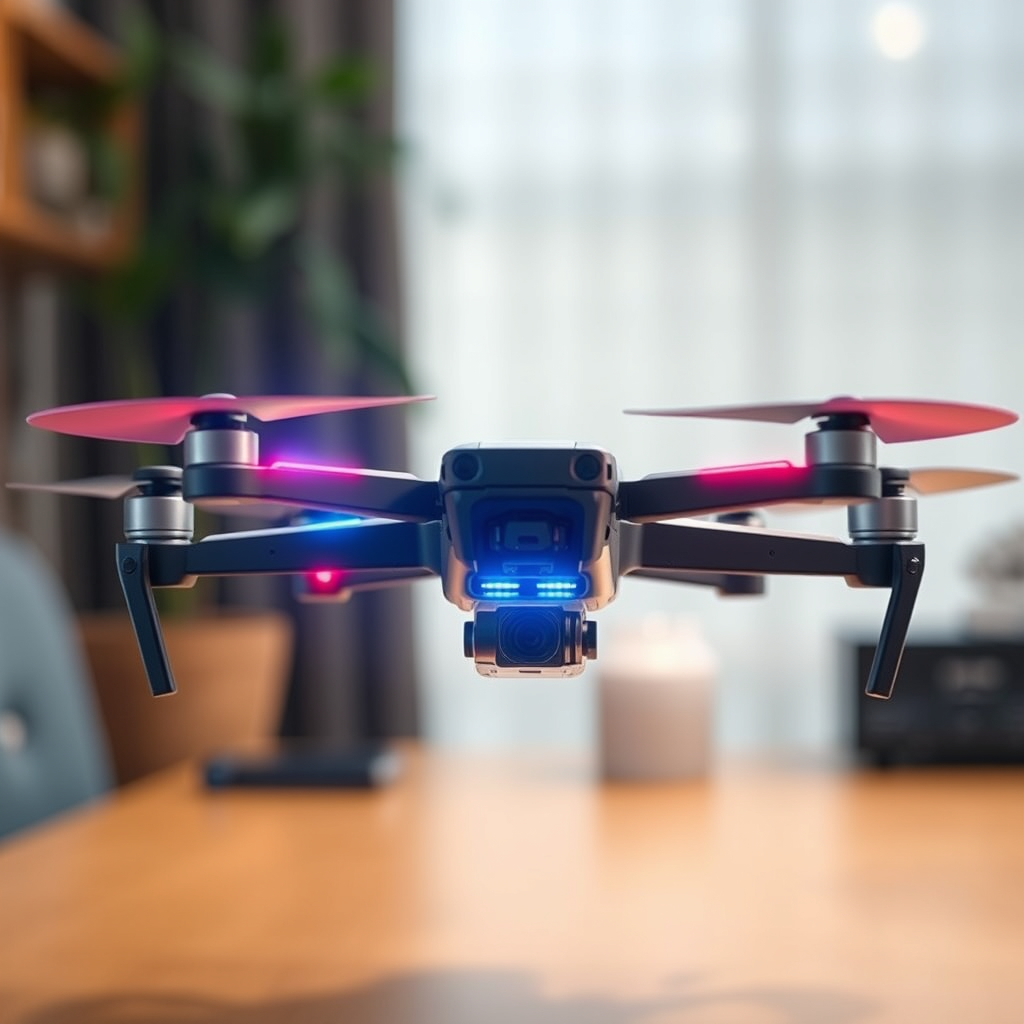
To make a drone, you’ll need a few essential components, including a frame, motors, a flight controller, and a battery. By assembling these parts and configuring the software, you can build a functional drone tailored to your needs. This guide will walk you through the key steps involved in creating your own drone, offering detailed insights and practical tips to ensure a successful build.
Understanding Drone Components
Frame
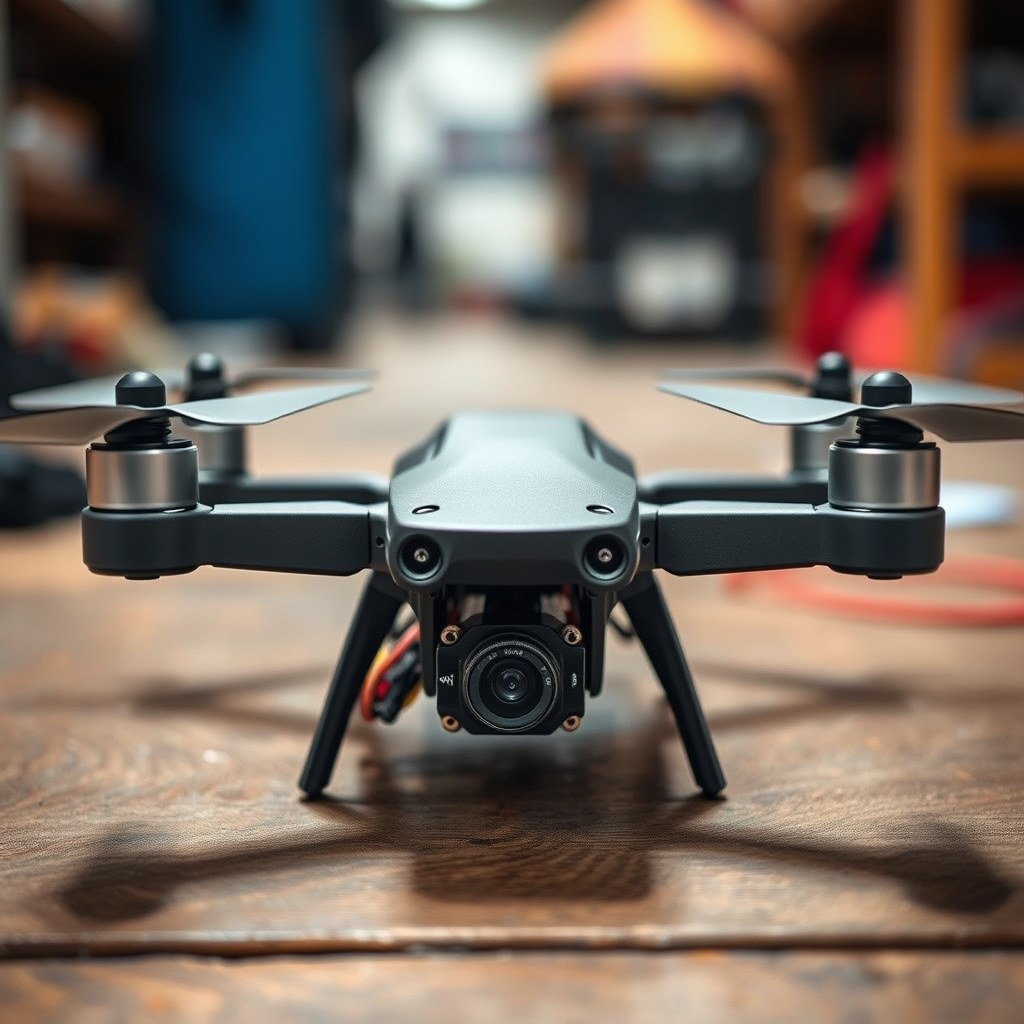
The frame serves as the backbone of your drone, providing structure and stability. When choosing a frame, consider the size and material based on the drone’s intended purpose. Common materials include plastic, aluminum, and carbon fiber, each offering different weight and durability characteristics. For example, a carbon fiber frame is lightweight yet strong, making it suitable for racing drones, while a plastic frame may be ideal for beginner models that require less durability and are more cost-effective. Frame sizes are typically categorized as mini, micro, or standard, with the size affecting the drone’s maneuverability and payload capacity.
Motors
Selecting the right motors is crucial, as they must deliver sufficient thrust to lift the drone off the ground while maintaining stability during flight. Brushless motors are commonly preferred for their efficiency and longevity. When choosing motors, consider factors such as the drone’s weight, desired flight time, and maximum speed. For instance, a racing drone may require high-performance motors that provide rapid acceleration, while a camera drone might prioritize quieter operations and longer flight times to capture stable footage. Ensure that the motors you select are compatible with your frame size and battery voltage.
Selecting a Flight Controller
Functionality
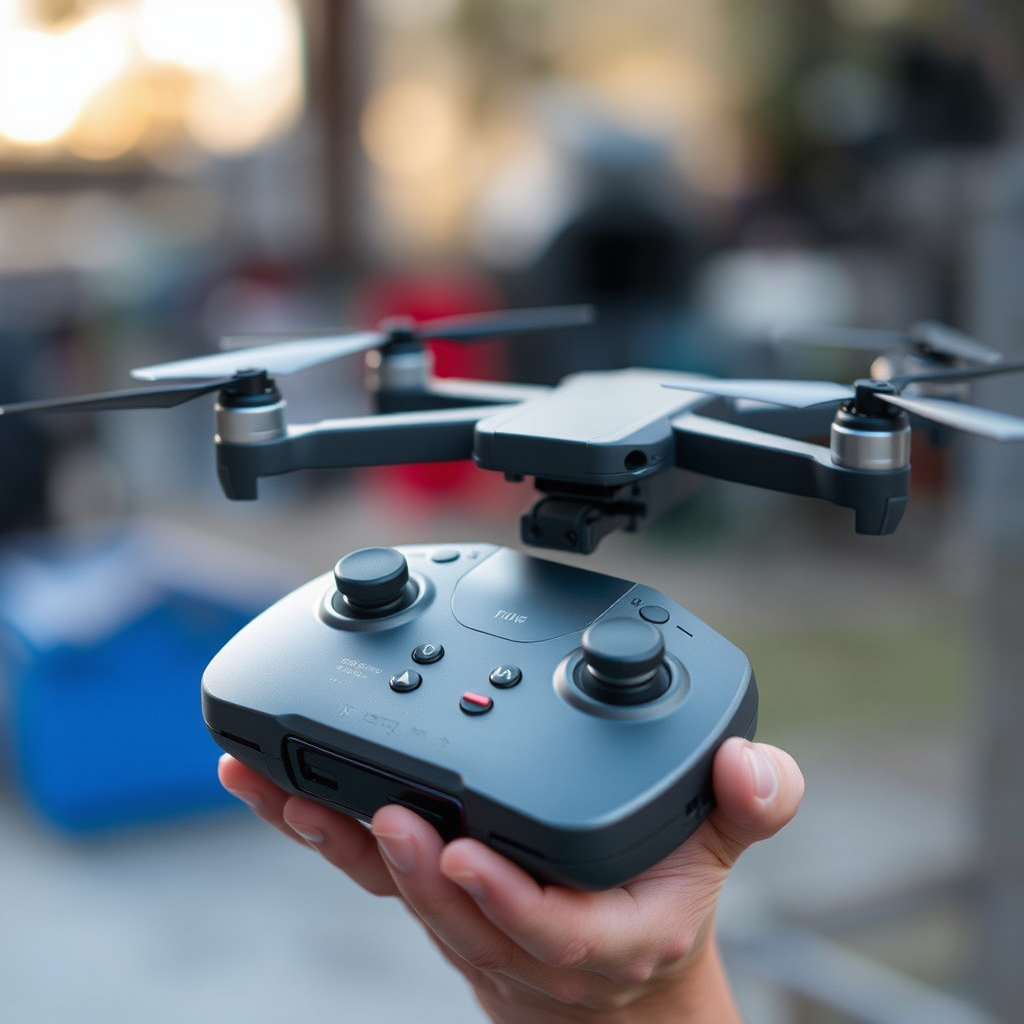
The flight controller acts as the brain of your drone, processing data from various sensors to maintain stability and control. It is responsible for interpreting input from your remote control and adjusting motor speeds accordingly to achieve desired flight maneuvers. Different flight controllers offer varying levels of functionality; some provide advanced features like GPS positioning, altitude hold, and return-to-home capabilities, while others are more basic, focusing solely on manual control. Research the features you need and choose a flight controller that aligns with your skill level and intended usage.
Compatibility
Ensuring compatibility among components is fundamental to a successful build. The flight controller must work seamlessly with the motors, battery, and other parts of the drone. Check the specifications of each component, particularly the voltage and current ratings, to confirm that they are compatible. Many manufacturers provide compatibility charts or lists, which can help streamline the selection process. For example, if you choose a flight controller that supports 4S LiPo batteries, ensure your motors can handle the added voltage to maximize performance without risk of damage.
Assembling the Drone
Wiring
Once you have all your components, the next step is to wire them together. Begin by carefully connecting the motors to the flight controller, ensuring that each motor is connected to the correct output. Use soldering techniques or connectors based on your preference and skill level. Proper wiring is essential; loose or incorrect connections can lead to erratic flight behavior or complete failure during operation. Make sure to secure all connections and consider using heat shrink tubing or electrical tape to insulate exposed wires.
Mounting
After wiring, proceed to mount the flight controller and other components onto the frame. Balance is key; positioning components evenly will enhance stability during flight. Additionally, consider using vibration dampening materials, such as rubber grommets, to reduce the impact of vibrations on sensitive electronics, particularly if you are using a camera. Secure all components firmly to prevent them from shifting during flight, which can lead to imbalances and affect performance.
Programming the Drone
Software Installation
To get your drone airborne, you will need to install the appropriate software for your flight controller. This software allows you to configure essential settings, such as flight modes, PID (Proportional, Integral, Derivative) tuning, and fail-safe parameters. Popular flight control software options include Betaflight, INAV, and ArduPilot. Each platform has its unique interface and features, so take time to familiarize yourself with the available options and choose one that best fits your needs.
Calibration
Calibration is a critical step that ensures your drone responds accurately to your commands. This process generally involves calibrating the accelerometer and gyroscope, which are essential for flight stability. Follow the software instructions carefully to complete the calibration process. After calibration, it’s advisable to conduct a test flight in a controlled environment to fine-tune the settings further. Adjustments to the PID settings may be necessary to achieve optimal performance, particularly for drones intended for racing or aerial photography.
Performing Pre-Flight Checks
Battery Status
Before your first flight, conduct a thorough pre-flight check, starting with the battery. Ensure that the battery is fully charged and securely connected to the drone. Check for any signs of damage or swelling, as a compromised battery can pose safety risks. Additionally, familiarize yourself with the battery’s specifications, including voltage and capacity, to understand how they will affect flight time and performance.
Control Test
Perform a ground control test to ensure that all systems are functioning correctly. This includes testing the remote control inputs, verifying that the motors respond as expected, and confirming that the drone’s lights and sensors are operational. A comprehensive control test can help identify any issues before you take off, allowing for adjustments to be made safely on the ground.
Taking Your Drone for a Test Flight
Safe Environment
For your initial test flight, select an open area free from obstacles, such as trees, buildings, and power lines. This environment minimizes risks and provides ample space for maneuvering. Check local regulations regarding drone flights to ensure compliance with any restrictions in the area. Additionally, consider informing nearby individuals of your test flight to avoid any concerns or disturbances.
Flight Patterns
Begin with basic flight patterns to gauge your drone’s responsiveness and stability. Simple maneuvers such as hovering, ascending, and descending can provide valuable insights into the drone’s performance. Gradually introduce more complex maneuvers as you gain confidence in your control over the drone. Keep a close eye on battery levels and any unusual behavior during flight, as these can indicate the need for further adjustments or troubleshooting.
In conclusion, building your own drone is a rewarding project that combines technical skills and creativity. By following the steps outlined in this guide, you can successfully create a drone tailored to your preferences. From selecting the right components to performing pre-flight checks, each phase of the process contributes to building a reliable and enjoyable flying experience. Don’t hesitate to dive into the process, and soon you’ll be flying your very own creation!
Frequently Asked Questions
What materials do I need to make a drone?
To build a drone, you will need several essential materials including a frame, motors, electronic speed controllers (ESCs), a flight controller, propellers, a battery, and a radio transmitter and receiver. You can choose materials like carbon fiber or plastic for the frame, which provide durability and lightness. Additionally, ensure you have tools like a soldering iron for wiring and a screwdriver for assembly to make the process smoother.
How can I assemble the components of my drone?
Assembling a drone involves connecting the frame, motors, ESCs, and flight controller in a specific order. Start by securely attaching the motors to the frame, followed by connecting the ESCs to the motors and the flight controller. Finally, wire everything to the battery and ensure that the radio transmitter is linked to the receiver. Following a detailed assembly guide or video tutorial can be incredibly helpful to avoid mistakes.
Why is choosing the right flight controller important for my drone?
The flight controller is the brain of your drone, responsible for stabilizing flight, controlling navigation, and processing input from the pilot. Choosing the right flight controller can significantly affect your drone’s performance and ease of use, impacting features like GPS capabilities, flight modes, and compatibility with other components. A reputable flight controller can enhance your flying experience, especially for beginners seeking stability and advanced features later on.
What are the best drone kits for beginners?
For beginners, drone kits like the DJI Tello, Holy Stone HS720, and the Potensic D80 are excellent choices. These kits often come with pre-selected components, making assembly easier and offering user-friendly interfaces. Additionally, they typically include beginner tutorials and support, allowing new pilots to learn and practice flying without the stress of complex builds.
Which regulations should I consider when building and flying my drone?
When making and operating a drone, it’s crucial to adhere to regulations set by your country’s aviation authority, such as the FAA in the United States. Key regulations include registering your drone if it weighs over 0.55 pounds, flying below 400 feet, keeping your drone within visual line of sight, and avoiding restricted airspace. Understanding these rules not only ensures legal compliance but also promotes safe flying practices within your community.
References
- https://en.wikipedia.org/wiki/Drone
- https://www.nasa.gov/audience/foreducators/topnav/materials/listbytype/Drone_Engineering_Lesson_Plan.html
- https://www.faa.gov/uas/getting_started/fly_for_fun
- https://www.aaai.org/ojs/index.php/aimagazine/article/view/1723
- https://www.sciencedirect.com/science/article/pii/S0167739X19307133
- https://www.technologyreview.com/2015/07/14/168646/how-to-build-your-own-drone/
- https://www.uspto.gov/learning-and-resources/inventors-guide/drones-and-patents
- https://www.nationalgeographic.com/science/article/what-is-a-drone
