

To register your drone, visit the Federal Aviation Administration (FAA) website and complete the online registration process. This step is essential for ensuring that your drone operates within the regulatory framework established for aviation safety. As drone technology continues to evolve and its usage expands, understanding the registration process will not only help you comply with the law but also promote safer airspace management. In this guide, we will detail the steps involved in registering your drone, important considerations, and common pitfalls to avoid.
Understanding Drone Registration Requirements
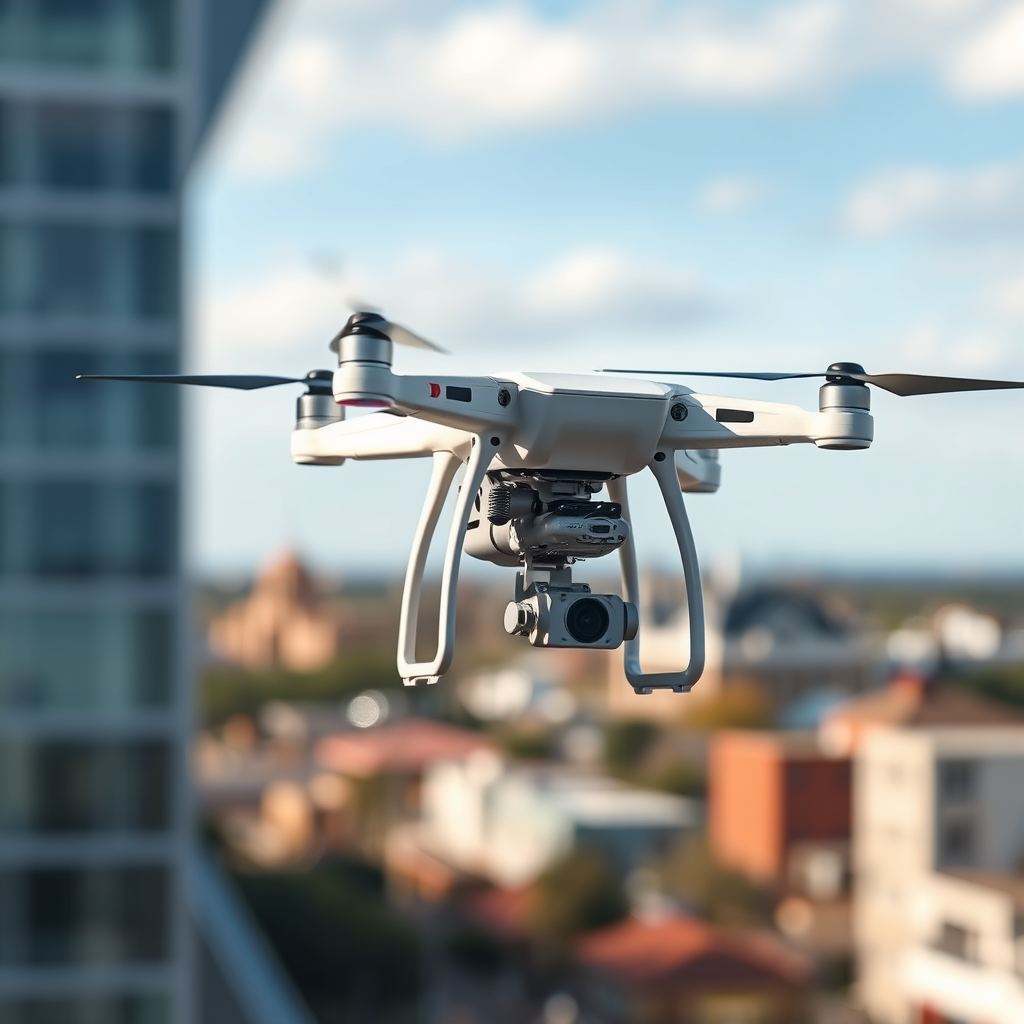
Before diving into the registration process, it’s crucial to understand the requirements that govern drone registration. The FAA mandates that all drones weighing over 0.55 pounds (approximately 250 grams) must be registered. This regulation applies to both commercial and recreational drone users, ensuring that all operators are accountable for their devices and can be identified in case of an incident.
Additionally, registration helps maintain the integrity of airspace and promotes safety among all users, including manned aircraft. For example, if a drone were to interfere with a manned flight, having a registry allows authorities to track down the operator more efficiently. Moreover, understanding that registration is not merely a formality but a legal obligation can encourage responsible drone operation.
Steps to Register Your Drone
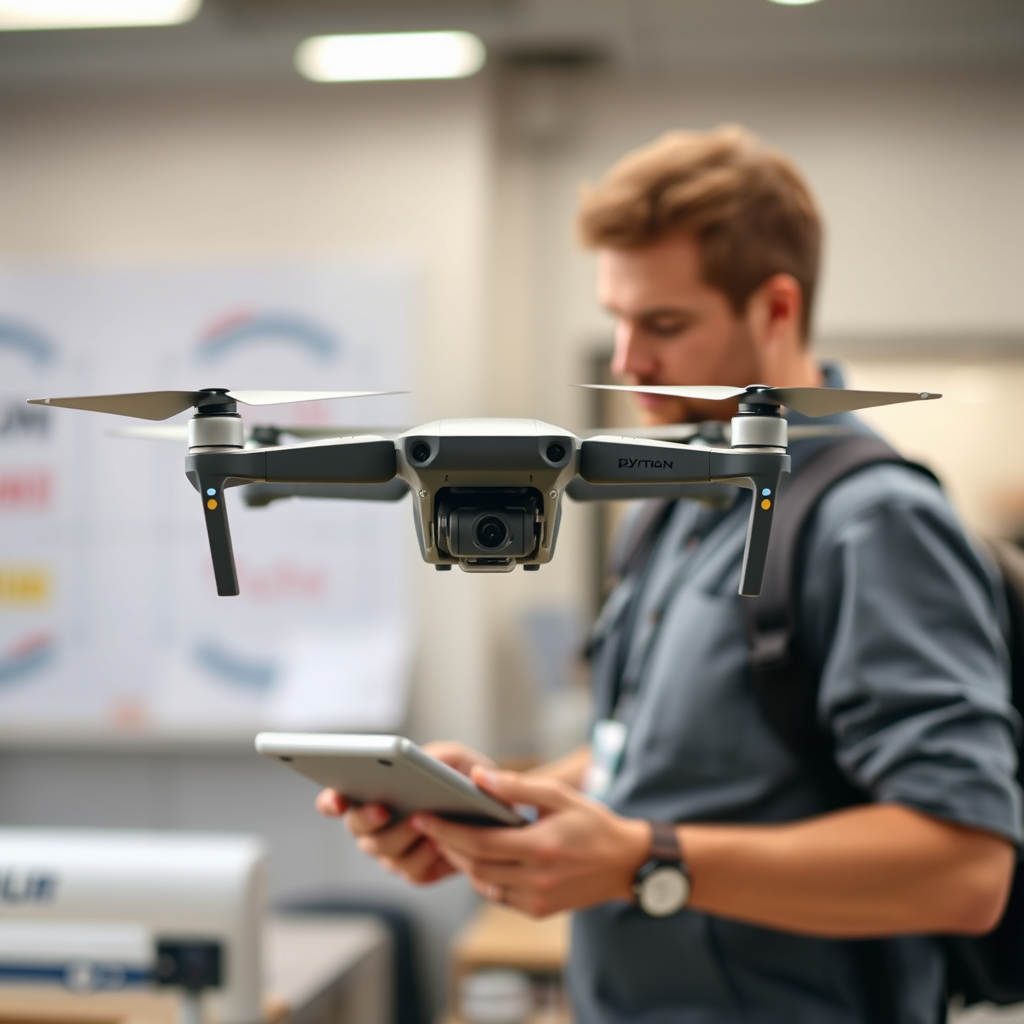
Registering your drone is a straightforward process, and it can be completed in just a few steps. Here’s how to do it:
1. Go to the FAA’s official drone registration website: The FAA has streamlined the registration process through an online portal, making it accessible from anywhere with an internet connection.
2. Fill out the online form with your personal and drone information: You will need to provide your name, address, and email, along with details about your drone, including its make and model. The website is user-friendly and will guide you through the necessary fields.
3. Review your information: Before submitting the form, double-check all entered details to ensure accuracy. Any discrepancies could lead to issues down the line.
4. Submit your registration: Once you have completed the form and verified the information, submit it. Upon successful registration, you will receive a registration number, which is vital for the next steps.
Selecting Your Registration Type
When registering your drone, it’s essential to choose the correct type of registration based on your intended use.
– For Commercial Use: If you plan to use your drone for commercial purposes, such as aerial photography, surveying, or real estate, you will require a Part 107 certificate in addition to registering your drone. This certification demonstrates that you understand the specific rules and regulations governing commercial drone operations.
– For Recreational Use: If you are flying your drone purely for hobby purposes, you can register it under the basic rules for hobbyists. This involves adhering to guidelines set forth by the FAA, including flying below 400 feet, keeping your drone within visual line-of-sight, and avoiding restricted airspace.
Selecting the correct registration type is crucial as it ensures compliance with legal requirements and helps foster responsible drone use within your community.
Fees and Payment Information
The registration process is not only straightforward but also affordable. The registration fee is $5, which is valid for three years. This nominal fee is a small price to pay for the peace of mind that comes with knowing that you are operating within the law.
Payment can be completed online using a credit or debit card during the registration process. Ensure that you keep a record of your payment confirmation, as this will serve as proof of registration until you receive your official registration certificate.
After Registration: What’s Next?
Once you have successfully registered your drone, there are a few important steps to take to ensure compliance and safety:
– Print and keep your registration certificate with your drone: It’s essential to have a tangible record of your registration. This certificate should be stored in a safe place where it is easily accessible when flying.
– Affix the registration number to your drone in a visible location: The registration number must be displayed on the exterior of your drone, ensuring that it is visible without any tools. This requirement is critical for identification purposes and should be adhered to strictly.
By following these post-registration steps, you can ensure that you are legally compliant and prepared for safe drone operation.
Common Mistakes to Avoid
While registering your drone is a relatively simple process, there are common pitfalls that many operators fall into:
– Failing to register before flying: One of the most significant mistakes is flying your drone without completing the registration process. This can lead to fines and penalties, as well as increased scrutiny from law enforcement. Always ensure your drone is registered before taking to the skies.
– Not selecting the correct type of registration for your needs: Misunderstanding the type of registration required can lead to legal issues and operational limitations. Take the time to assess whether your drone use is commercial or recreational to ensure you register appropriately.
Avoiding these common mistakes will save you from potential headaches and ensure that your drone flying experience is enjoyable and within the legal framework.
Resources for Further Assistance
If you find yourself needing additional help with the registration process or have questions about drone operation, there are several resources available:
– Visit the FAA’s website for FAQs and additional guidance: The FAA provides a comprehensive set of resources, including FAQs and detailed guides on drone operation and registration.
– Join local drone clubs or online forums for community support: Engaging with a community of drone enthusiasts can be invaluable. You can gain insights from experienced users, share tips, and stay updated on best practices and regulatory changes.
Utilizing these resources can enhance your understanding of drone operation and help you stay compliant with evolving regulations.
Registering your drone is a crucial step to ensure compliance with aviation regulations. By following the outlined steps and understanding the requirements, you can enjoy flying your drone with peace of mind. Don’t forget to stay updated on any changes in regulations that might affect your drone operation!
Frequently Asked Questions
What are the requirements to register my drone in the United States?
To register your drone in the United States, your drone must weigh between 0.55 pounds (250 grams) and 55 pounds (25 kilograms), including any payload. You need to provide your name, home address, email address, and the drone’s make and model during the registration process. Additionally, you must be at least 13 years old and can register online through the Federal Aviation Administration (FAA) website for a fee of $5, which covers a three-year registration period.
How do I register my drone online with the FAA?
To register your drone online with the FAA, visit the FAA’s DroneZone website. Create an account or log in if you already have one, then select the option to register a new drone. You’ll need to provide your personal information, the drone’s details, and pay the registration fee. After completing the process, you will receive a unique registration number that must be displayed on your drone.
Why is it important to register my drone with the FAA?
Registering your drone with the FAA is crucial for compliance with federal regulations, ensuring that you can legally operate your drone for recreational or commercial purposes. Registration helps in identifying drone owners in case of accidents or incidents and promotes responsible drone use. Additionally, failure to register can result in fines and penalties, making registration an essential step for drone operators.
Which drones need to be registered with the FAA?
In the United States, any drone that weighs between 0.55 pounds (250 grams) and 55 pounds (25 kilograms) must be registered with the FAA. This includes most consumer drones used for recreational or commercial purposes. Drones that weigh less than 0.55 pounds do not require registration, while those over 55 pounds must be registered under a different set of regulations.
What happens if I don’t register my drone?
If you neglect to register your drone with the FAA, you could face significant penalties, including fines up to $27,000 for commercial operators and $1,100 for recreational users. Moreover, flying an unregistered drone can lead to legal complications, including the potential for criminal charges if you violate airspace regulations. Therefore, it’s advisable to complete the registration process to ensure safe and legal drone operation.
References
- https://www.faa.gov/uas/getting_started/register_drone
- https://www.nasa.gov/aeroresearch/programs/safer/faq/faq_drones.html
- https://www.nytimes.com/2020/01/18/business/drone-registration-faa.html
- https://www.dronepilotgroundschool.com/drone-registration-guide/
- https://www.faa.gov/uas/registration/
- https://www.ama-flightschool.org/faq/drone-registration/
- https://www.theverge.com/2019/10/1/20894918/drone-registration-faa-new-rules-owners-airspace
- https://www.nist.gov/news-events/news/2020/01/nist-research-helps-guide-drone-registration-efforts
- https://www.state.gov/drone-registration-and-usage/
