

Canada was caught with a drone primarily due to heightened surveillance and monitoring protocols that flagged unauthorized drone activity. This incident raised significant concerns about airspace security and regulatory compliance, highlighting the critical need for strict adherence to aviation regulations. As drone technology continues to evolve, the importance of maintaining robust regulatory frameworks becomes increasingly apparent.
Overview of Drone Regulations in Canada
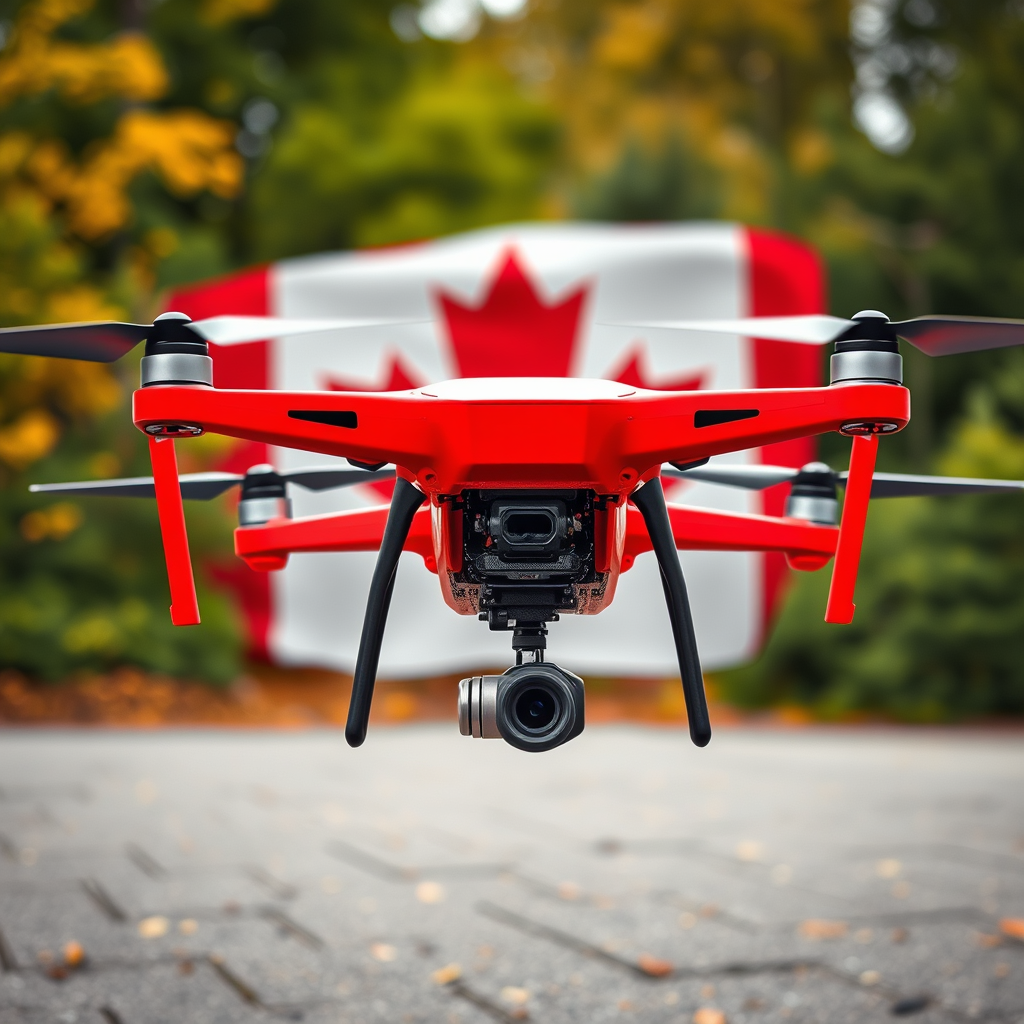
Canada has stringent laws governing drone usage, which are primarily outlined in the Canadian Aviation Regulations (CARs). These regulations are designed to ensure the safe operation of unmanned aerial vehicles (UAVs) within Canadian airspace. The CARs categorize drone operations into different classes, with specific requirements for each. For instance, operators of drones weighing over 250 grams must adhere to the basic or advanced pilot certificate requirements, depending on their intended use.
Moreover, operators must obtain a Special Flight Operations Certificate (SFOC) for certain types of drone flights, particularly those that involve flying in controlled airspace or near people. The SFOC process is rigorous and requires operators to submit a detailed plan outlining their intended operations, risk assessments, and safety measures. This regulatory framework is crucial for ensuring that drone activities do not interfere with manned aviation and that public safety is maintained.
The Incident: What Happened
A specific incident involving a drone was reported near a restricted airspace, prompting immediate action from aviation authorities. The drone, which was detected flying in proximity to a sensitive military installation, exhibited flight patterns that raised alarms among regulators. This unauthorized flight activity was not only a breach of the established regulations but also posed potential risks to national security and public safety.
The detection of this drone was facilitated by advanced surveillance systems that monitor airspace for unauthorized UAV activity. The incident’s occurrence highlighted vulnerabilities in the current regulatory framework and underscored the need for continuous monitoring and enforcement to prevent similar occurrences in the future.
Response from Canadian Authorities
Following the drone incident, Transport Canada swiftly initiated an investigation to determine the circumstances surrounding the unauthorized flight. This included analyzing the drone’s flight data, identifying the operator, and assessing any potential violations of existing regulations. The investigation was integral to ensuring accountability and understanding the broader implications of the incident.
In addition to the investigation, Canadian authorities ramped up public awareness campaigns about drone regulations and safety measures. These initiatives aimed to educate both recreational and commercial drone users about the importance of compliance and the potential risks associated with unauthorized drone operations. Workshops, online resources, and community outreach programs were introduced to reinforce the message that adhering to the regulations is not just a legal obligation but also a matter of public safety.
Implications for Drone Operators
The incident serves as a cautionary tale for recreational and commercial drone users alike, illustrating the potential consequences of violating regulations. Operators face significant penalties, including fines and the potential revocation of their operating licenses. This incident has prompted many in the drone community to reassess their compliance practices and to invest in training and education on the latest regulations.
Moreover, the increased scrutiny on drone operations could lead to more stringent enforcement measures in the future, meaning that operators must remain vigilant and informed about any changes to regulations. It is essential for drone operators to understand that the responsibility for ensuring safe operations lies with them, and failure to comply can have serious repercussions.
Public Reaction and Concerns
The incident generated significant media coverage, sparking public debates about privacy and safety in relation to drone use. Many citizens expressed concerns about the potential for drones to invade personal privacy or to be misused for illegal activities, such as surveillance or smuggling. This incident highlighted the dual-edged nature of drone technology, which, while offering numerous benefits in areas such as delivery services, agriculture, and emergency response, also poses risks if not managed appropriately.
Public forums and social media discussions reflected a growing awareness of the implications of drone technology, leading to calls for more robust regulations and oversight. The conversation around the responsible use of drones has become increasingly relevant, with stakeholders advocating for clearer guidelines that balance innovation with public safety and privacy considerations.
Future of Drone Regulations in Canada
In light of the recent incident, discussions are underway to enhance the regulatory frameworks governing drone operations in Canada. Stakeholders, including Transport Canada, industry representatives, and advocacy groups, are collaborating to identify areas for improvement and to develop proactive measures that will prevent future incidents. This could involve updating the SFOC process, implementing stricter penalties for non-compliance, and enhancing training programs for operators.
Furthermore, innovations in drone technology raise questions about how regulations can adapt to keep pace. As drones become more autonomous and capable, regulators must consider how to manage these advancements while ensuring that safety remains a top priority. This includes exploring the potential for integrating drone detection technologies and improving air traffic management systems to accommodate the growing number of UAVs in the sky.
In conclusion, Canada’s drone incident underscores the importance of adhering to aviation regulations and highlights the ongoing challenges in managing drone technology. The response from authorities and the implications for operators serve as a reminder that compliance is critical for the safety of the public and the integrity of national airspace. As the regulatory landscape evolves, it is imperative for drone operators to stay informed and compliant to avoid similar situations, fostering an environment where innovation can thrive alongside safety and security.
Frequently Asked Questions
What led to Canada being caught using drones in controversial situations?
Canada has faced scrutiny regarding its use of drones in various contexts, particularly in military operations and surveillance. Incidents where drones were used for monitoring protests or during military engagements raised ethical concerns and led to public outcry. This scrutiny often stems from the need for transparency and accountability in government actions, especially regarding privacy rights and civil liberties.
How are drones used by Canadian authorities?
Canadian authorities use drones for a range of purposes, including law enforcement, search and rescue operations, and environmental monitoring. These unmanned aerial vehicles (UAVs) assist in gathering intelligence, conducting surveillance, and providing real-time data. However, the use of drones by police and other agencies has sparked debates over privacy and the appropriate use of technology in public spaces.
Why is there public concern over Canada’s drone usage?
Public concern over Canada’s drone usage primarily revolves around issues of privacy, civil rights, and the potential for abuse of power. Many citizens worry that increased surveillance capabilities could lead to invasive monitoring practices, particularly in sensitive situations such as protests or public gatherings. The lack of clear regulations and oversight further exacerbates these fears, prompting calls for more transparency from the government.
What are the best practices for drone regulations in Canada?
Best practices for drone regulations in Canada involve establishing clear guidelines for operators, including mandatory training, certification, and adherence to privacy laws. Additionally, implementing restrictions on where and when drones can be flown—particularly in urban areas or near sensitive sites—can enhance public safety and trust. Continuous dialogue between authorities, drone users, and the public is essential to ensure these regulations evolve with technology and societal norms.
Which organizations monitor drone use in Canada?
In Canada, several organizations oversee and monitor drone usage, including Transport Canada, which regulates UAV operations, and the Canadian Civil Liberties Association (CCLA), which advocates for the protection of civil rights related to drone surveillance. Additionally, the Office of the Privacy Commissioner of Canada plays a crucial role in addressing privacy concerns associated with drone technology. These organizations work to ensure that drone usage aligns with Canadian laws and respects individual rights.
References
- https://www.cbc.ca/news/canada/canada-drone-incident-1.6521418
- https://www.theguardian.com/world/2023/jun/02/canada-drone-sighting-incident
- https://www.reuters.com/world/americas/canadian-military-drone-incident-raises-security-questions-2023-06-02/
- https://www.ctvnews.ca/canada/canadian-drone-caught-in-ukraine-what-you-need-to-know-1.6521420
- https://www.nytimes.com/2023/06/02/world/canada-drone-incident.html
