

You can typically fly a drone within a 5-mile radius of an airport, but regulations may vary based on location and airspace classification. Understanding the specific rules and restrictions is crucial to ensure safe and legal drone operation near airports. The Federal Aviation Administration (FAA) has established guidelines to protect both drone operators and manned aircraft, emphasizing the importance of compliance for a safe flying experience. Moreover, local laws may impose additional limitations, and being cognizant of these regulations is essential for any drone enthusiast.
Understanding FAA Regulations
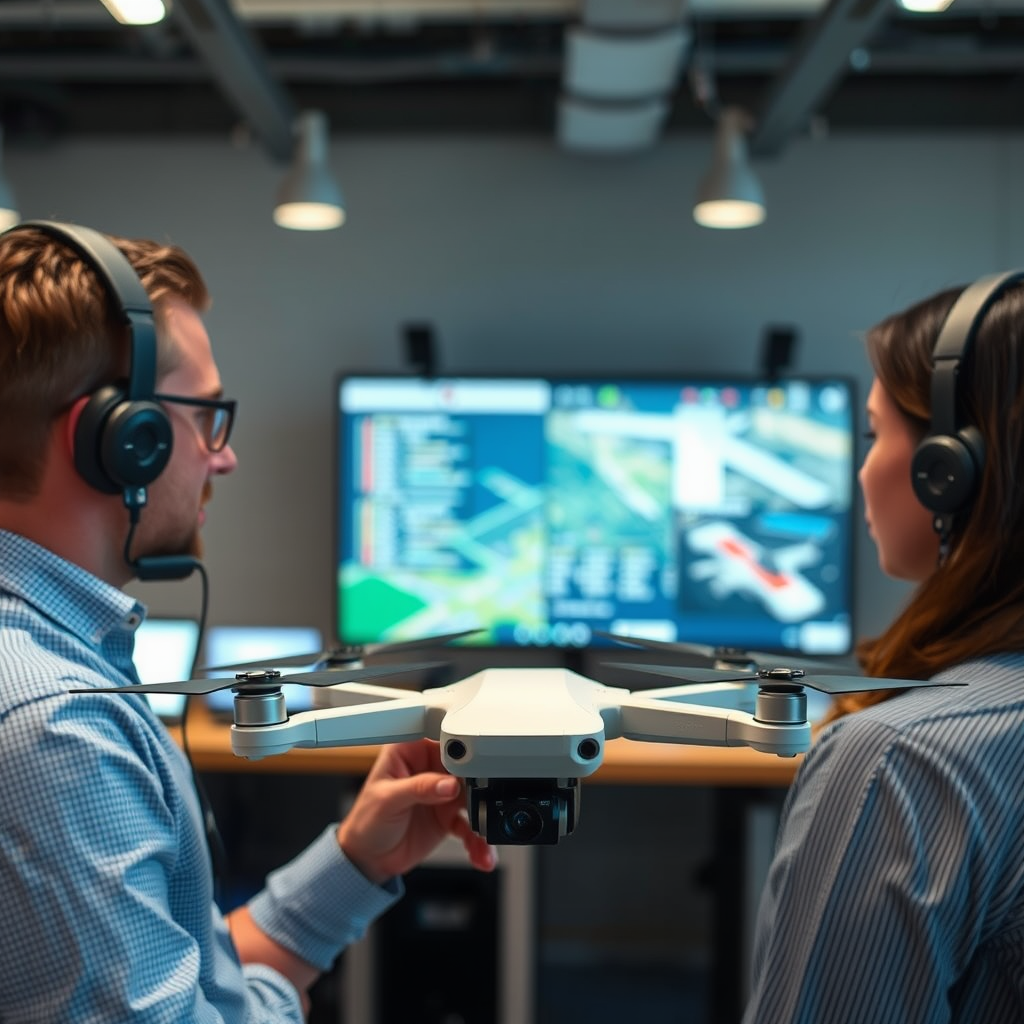
The FAA plays a critical role in regulating drone operations, particularly in the vicinity of airports. The primary concern is safety; as such, the FAA has established clear guidelines to minimize the risk of collisions between drones and manned aircraft. Generally, drone pilots are required to maintain a distance of at least 5 miles from the airport unless they have received explicit permission from air traffic control. This guideline is particularly vital near busy airports where air traffic is dense.

In addition to the 5-mile rule, drone operators must be aware of Temporary Flight Restrictions (TFRs) that may be in place. TFRs can be enacted for various reasons, including VIP movements, natural disasters, or special events. These restrictions are designed to enhance safety and may limit drone operations even further. Pilots are encouraged to check the FAA’s website or utilize aviation apps that provide real-time updates on TFRs to ensure compliance.
Different Airspace Classes
Airspace around airports is categorized into different classes: A, B, C, D, and E, each with its own set of operational rules. Class B airspace, for example, surrounds the busiest airports and requires special permission for any drone flight. Typically, this airspace extends from the surface up to 10,000 feet and has strict operational constraints. Class C airspace is somewhat less restrictive but still necessitates communication with air traffic control before flying a drone.
Class D airspace surrounds smaller airports and also requires communication with air traffic control, while Class E airspace, which is less regulated, may still have specific operational guidelines near airports. Understanding these classifications is crucial for drone pilots, as each class defines not just the proximity in which they can fly, but also the permissions required. For instance, flying a drone in Class B airspace without authorization could result in severe penalties, including fines and the suspension of the pilot’s flying privileges.
Obtaining Authorization
To fly a drone in controlled airspace, pilots may need to obtain authorization from the FAA. The Low Altitude Authorization and Notification Capability (LAANC) system is a tool designed to streamline this process. LAANC allows drone operators to quickly request and receive authorization to fly in controlled airspace near airports. This system provides near-instantaneous approvals for many requests, making it easier for pilots to comply with regulations.
To apply for authorization, operators need to provide specific details about their planned flight, including the location, altitude, and purpose. It is essential to follow the guidelines provided by the FAA and to understand that not all requests will be granted. Familiarizing oneself with the LAANC system can substantially ease the process of obtaining necessary permissions, thereby facilitating legal and safe drone operations.
Local Laws and Ordinances
While the FAA establishes overarching regulations for drone operation, local municipalities may impose additional restrictions that must be adhered to. These local laws can vary significantly; for example, some cities may have designated no-fly zones around schools, parks, or other sensitive areas. This means that even if you are within the FAA’s guidelines regarding distance from an airport, you may still be violating local ordinances.
Before flying your drone near an airport, it is essential to conduct thorough research on local regulations. This can often be done through city or county websites, or by contacting local authorities directly. Understanding these regulations not only helps in avoiding potential fines but also contributes to the overall safety and responsibility of drone operations in community spaces.
Safety Considerations
Safety is paramount when flying drones near airports. Maintaining a safe distance from manned aircraft is not just a regulatory requirement; it is a critical component of ensuring safe airspace for everyone. Pilots should always be vigilant and aware of their surroundings, including potential obstacles such as power lines, trees, and other drones.
Using a visual observer can significantly enhance safety, particularly in crowded areas. This individual can help the drone operator maintain situational awareness and serve as an additional set of eyes on the airspace. Moreover, conducting pre-flight checks and keeping the drone within visual line-of-sight is crucial for safe operation. Investing in collision-avoidance technology can also add an extra layer of safety, helping prevent accidents from occurring.
Tools and Resources
To aid in adhering to FAA regulations and understanding local laws, several tools and resources are available to drone operators. Apps like Airmap, Skyward, and Drone Buddy not only provide airspace maps but also include information on TFRs, weather conditions, and local regulations.
Staying informed about the latest updates from the FAA and local authorities can also help ensure compliance. Regularly checking the FAA’s website or subscribing to newsletters can keep operators updated on changes in regulations, safety advisories, and best practices. These resources are invaluable for any serious drone pilot looking to maintain safe and legal operations.
In conclusion, while you can fly a drone close to an airport, it’s essential to understand and comply with FAA regulations, local laws, and safety guidelines. Familiarity with airspace classifications, obtaining necessary authorizations, and using available tools can significantly enhance the safety and legality of your drone operations. By doing your research and planning your flights accordingly, you can enjoy a safe and legal drone flying experience while respecting the shared airspace.
Frequently Asked Questions
What are the FAA regulations for flying a drone near an airport?
The Federal Aviation Administration (FAA) has specific regulations that restrict drone operations within a 5-mile radius of airports without prior authorization. Drone pilots must notify the airport and control tower if they plan to fly within this boundary. Additionally, it’s crucial to check for any Temporary Flight Restrictions (TFRs) that may be in place, which can further limit drone usage near airports.
How do I check if I’m within the restricted airspace of an airport when flying my drone?
To determine if you’re within restricted airspace, you can use tools like FAA’s B4UFLY app or online maps that display airspace classifications. These resources provide real-time data on nearby airports and airspace restrictions, allowing you to plan your drone flights safely and legally. Always ensure to double-check these tools before flying to avoid potential legal issues.
Why is it important to avoid flying drones near airports?
Flying drones near airports poses significant safety risks to manned aircraft, which could lead to dangerous situations such as mid-air collisions. The FAA emphasizes the importance of maintaining a safe distance to protect both drone operators and pilots of commercial and private aircraft. By adhering to these regulations, drone pilots contribute to overall airspace safety and compliance with aviation laws.
What are the best practices for flying a drone near an airport?
The best practices for flying a drone near an airport include always checking for airspace restrictions, seeking permission from the airport control tower, and maintaining a safe distance of at least 5 miles from airports. Additionally, staying informed about local regulations and any temporary restrictions is crucial. Using a visual observer can also enhance safety by helping to monitor the airspace for manned aircraft.
Which drones are best for flying close to airports legally and safely?
While no specific drones are designed for flying near airports, choosing drones equipped with advanced GPS and geofencing technology can help ensure compliance with airspace restrictions. Models from reputable manufacturers often include features that prevent the drone from entering restricted areas, such as DJI’s Geo System. It’s essential to learn about your specific drone’s capabilities and limitations, as well as to stay up-to-date with regulations to fly legally and safely.
References
- https://www.faa.gov/uas/getting_started/registration
- https://www.faa.gov/uas/where_to_fly/
- https://www.faa.gov/uas/advanced_operations/
- https://www.nasa.gov/aeroresearch/programs/aavp/
- https://www.theverge.com/2019/11/25/20981422/drone-flying-airport-rules-regulations-faa
- https://www.knowbeforeyoufly.org/
- https://www.wired.com/story/drone-laws-guide/
- https://www.nytimes.com/2020/01/01/us/drone-airport-faa.html
- https://www.nap.edu/catalog/25341/drones-in-the-aviation-system-a-science-and-technology-review
