
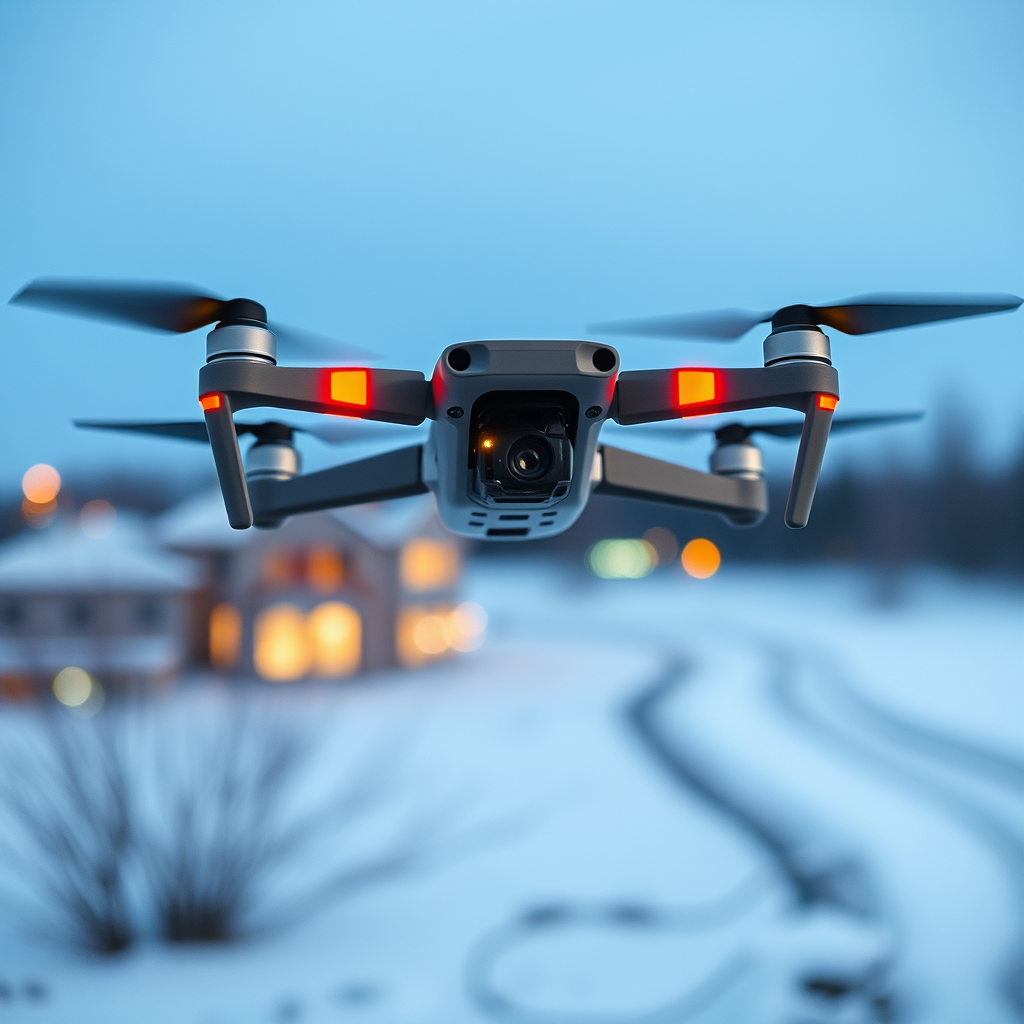
Flying a drone in cold weather is not only possible but can also be safe and effective with the right knowledge and preparation. However, temperatures below 32°F (0°C) can significantly impact a drone’s performance, affecting critical factors such as battery life, stability, and overall functionality. Understanding these limitations and adopting best practices is essential for ensuring a successful flight in chilly conditions.
Understanding Drone Specifications
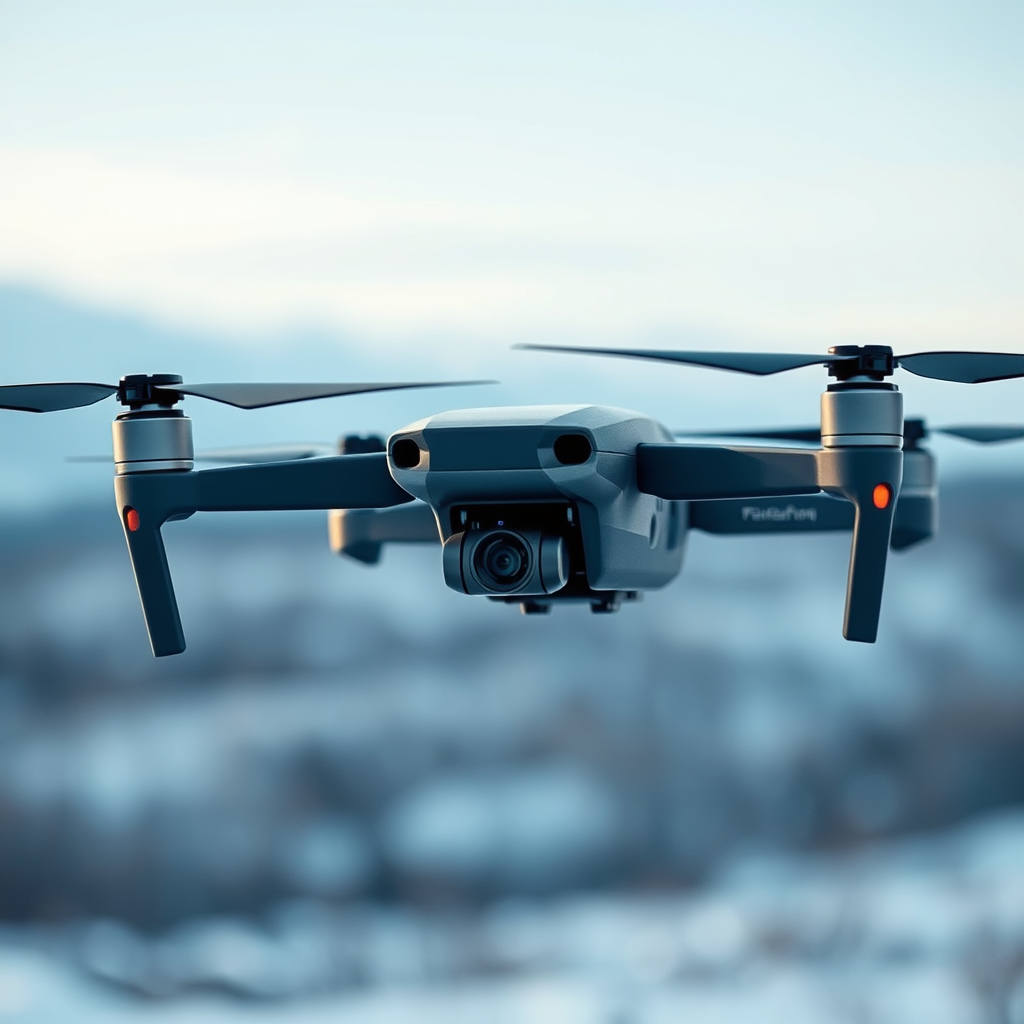
When considering cold-weather drone operations, it’s vital to recognize that different drones have varying specifications regarding their temperature tolerances. Most manufacturers provide guidelines indicating the optimal operating temperatures for their models. For instance, high-performance drones like the DJI Mavic 2 Pro or the Autel Robotics EVO Lite are often engineered with more robust materials and advanced battery technology, allowing them to operate effectively in colder environments. Conversely, entry-level models may struggle to maintain performance as temperatures drop.
Drones equipped with features such as intelligent battery management systems and weather-resistant designs tend to perform better in adverse conditions. Thus, it’s essential to consult the manufacturer’s manual for specific operating temperatures and heed any warnings regarding extreme conditions. By understanding your drone’s specifications, you can make informed decisions about when and how to fly in cold weather.
Effects of Cold Weather on Battery Life
One of the most significant impacts of cold weather on drone performance is the reduction in battery efficiency. Lithium polymer (LiPo) batteries, commonly used in drones, are sensitive to temperature fluctuations. Cold temperatures can cause a decrease in voltage, leading to shorter flight times and diminished power output. For example, a drone that typically flies for 25 minutes in moderate temperatures may only achieve 15-20 minutes of flight time in freezing conditions.
To mitigate these effects, consider employing warm packs or battery heaters to maintain a stable temperature before flight. Keeping batteries in a warmer environment, such as inside a jacket pocket, until just before takeoff can also help extend their operational capacity. Additionally, it’s prudent to carry extra batteries and limit your flight time to ensure that you have sufficient power for a safe return.
Impact on Drone Performance and Stability
Cold air can significantly affect a drone’s stability and overall performance. When the temperature drops, air density increases, which can alter the lift characteristics of the drone’s propellers. This change can make a drone less stable, especially in windy conditions, leading to challenges in responsiveness and control.
Moreover, wind chill can exacerbate these effects, particularly at higher altitudes where temperatures can drop even further. Drones may require more power to maintain altitude and stability in such conditions, which can further deplete battery life. Pilots should be especially cautious when flying in gusty winds, as the combination of cold air and wind can lead to erratic flight behavior. It’s advisable to conduct test flights in controlled settings to understand how your drone responds to cold weather before undertaking more extensive missions.
Tips for Flying Drones in Cold Weather
To ensure a successful and safe flight in cold weather, pilots should adhere to several best practices. First and foremost, conducting thorough pre-flight checks is crucial. Inspect all components, including the propellers, battery, and any sensors, to ensure they are functioning correctly. A malfunction in cold conditions can lead to dangerous situations, so this step cannot be overlooked.
Additionally, avoid flying near freezing water or icy surfaces, as these can create hazardous situations, including the risk of crashing or losing control. It’s also wise to familiarize yourself with the area you plan to fly in, as snow-covered terrain can obscure potential obstacles. Finally, take advantage of flight modes designed for stability, such as GPS mode, to help maintain control during unpredictable weather conditions.
Safety Precautions for Cold Weather Flying
Safety should always be a top priority when flying drones in cold weather. Pilots should dress appropriately to maintain body heat and ensure focus during flight operations. Layers of clothing that wick moisture and insulate against cold are ideal, as they help keep the pilot comfortable and alert.
Monitoring weather conditions closely is vital to avoid unexpected changes that could jeopardize your flight. Utilize weather apps or services that provide real-time updates on temperature, wind speed, and precipitation. Avoid flying in conditions where visibility is reduced due to snow or fog, as this can increase the risk of accidents. Remaining aware of your surroundings and the drone’s performance can help you make timely decisions that prioritize safety.
Best Practices for Winter Drone Operations
When operating drones in winter conditions, it is prudent to adopt specific strategies that enhance performance and safety. Start by limiting flight time to preserve battery life, especially since cold weather can significantly reduce efficiency. Planning shorter missions allows you to manage battery consumption effectively and reduce the risk of unexpected landings due to depleted power.
Additionally, utilize flight modes that enhance stability in windy conditions. Many modern drones come equipped with features like altitude hold and GPS-assisted flight, which can help maintain control in challenging weather. Furthermore, consider using a drone with a heated battery compartment or investing in insulated carrying cases that protect batteries from extreme cold.
In summary, while flying a drone in cold weather is feasible, it requires careful planning and consideration of various factors. By understanding the specifications of your drone, recognizing the effects of cold weather on battery life and performance, and adhering to best practices and safety precautions, you can enjoy a successful flying experience even in the winter months. Always prioritize safety, conduct pre-flight checks, and respect your drone’s limitations to ensure a smooth operation in chilly conditions.
Frequently Asked Questions
What is the minimum temperature for flying a drone?
The minimum temperature for flying a drone typically ranges from -10°C (14°F) to 0°C (32°F), depending on the specific model and its battery type. Most consumer drones operate effectively in mild to moderate cold, but flying below these temperatures can lead to reduced battery performance and potential malfunction. Always consult your drone’s user manual for manufacturer-recommended operating temperatures to ensure optimal performance and safety.
How does cold weather affect drone battery life?
Cold weather significantly impacts drone battery life because lithium polymer batteries, commonly used in drones, are sensitive to low temperatures. In colder environments, the chemical reactions inside the battery slow down, leading to a reduced voltage output and shorter flight times. It’s advisable to keep batteries warm before flying and to monitor battery levels closely during cold-weather flights to avoid unexpected power loss.
Why is it important to check the weather before flying a drone in cold conditions?
Checking the weather before flying a drone in cold conditions is crucial because low temperatures can introduce various challenges, including reduced visibility, icy surfaces, and gusty winds. Additionally, sudden changes in weather can affect battery performance and drone stability, increasing the risk of accidents. Always ensure you have clear weather conditions and understand how cold may impact both your drone’s operation and your flying skill.
What precautions should I take when flying a drone in cold weather?
When flying a drone in cold weather, take several precautions to ensure safe operation. Dress in layers to stay warm, keep your drone’s battery insulated during transport, and warm it up before use. Also, limit your flight time to avoid overheating the drone’s components and check for any ice accumulation on the drone, which could affect its aerodynamics and functionality.
Which drones perform best in cold weather?
Drones designed for cold weather typically feature robust battery systems, advanced thermal management, and durable build materials. Models like the DJI Mavic 2 Pro and the Autel Robotics EVO Lite are known for their performance in colder climates. When selecting a drone for cold weather, look for specifications that indicate a wider operating temperature range and robust battery life to ensure reliable performance in low temperatures.
References
- https://www.faa.gov/uas/getting_started/part_107/
- https://www.nasa.gov/centers/armstrong/news/FactSheets/FS-115-DFRC.html
- https://www.wired.com/story/drone-cold-weather-flight/
- https://www.theguardian.com/technology/2020/feb/20/drones-flying-in-cold-weather
- https://www.researchgate.net/publication/334123456_Impact_of_Temperature_on_Drones_Flight_Performance
- https://www.ncbi.nlm.nih.gov/pmc/articles/PMC6888810/
- https://www.dji.com/uk/newsroom/news/what-temperature-can-you-fly-dji-drones
