
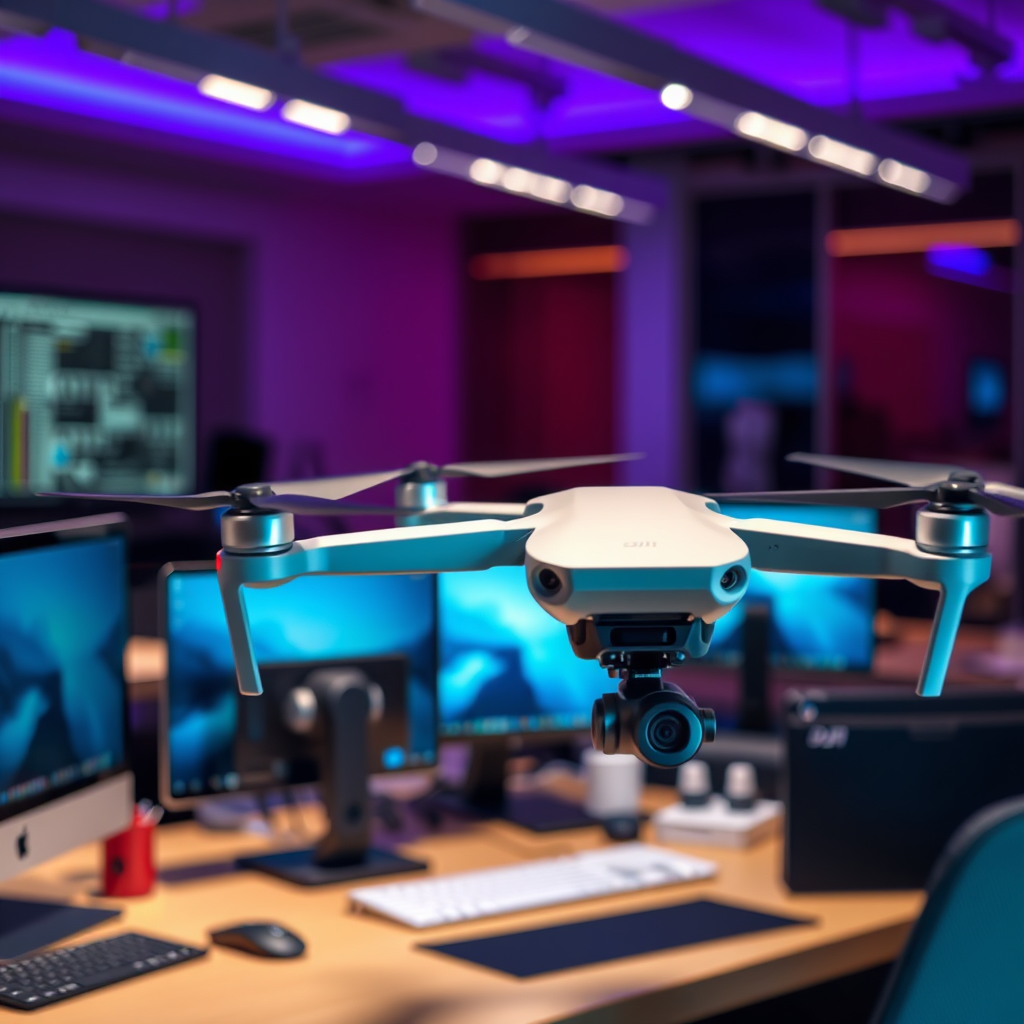
DJI drones are meticulously crafted through a combination of advanced technology, precision engineering, and rigorous quality control. The creation of these world-renowned drones involves a comprehensive process that spans from initial design to final assembly and testing. This article will take you through the fascinating steps that define the manufacturing of DJI drones, shedding light on the innovation and craftsmanship that go into each unit.
Design and Development
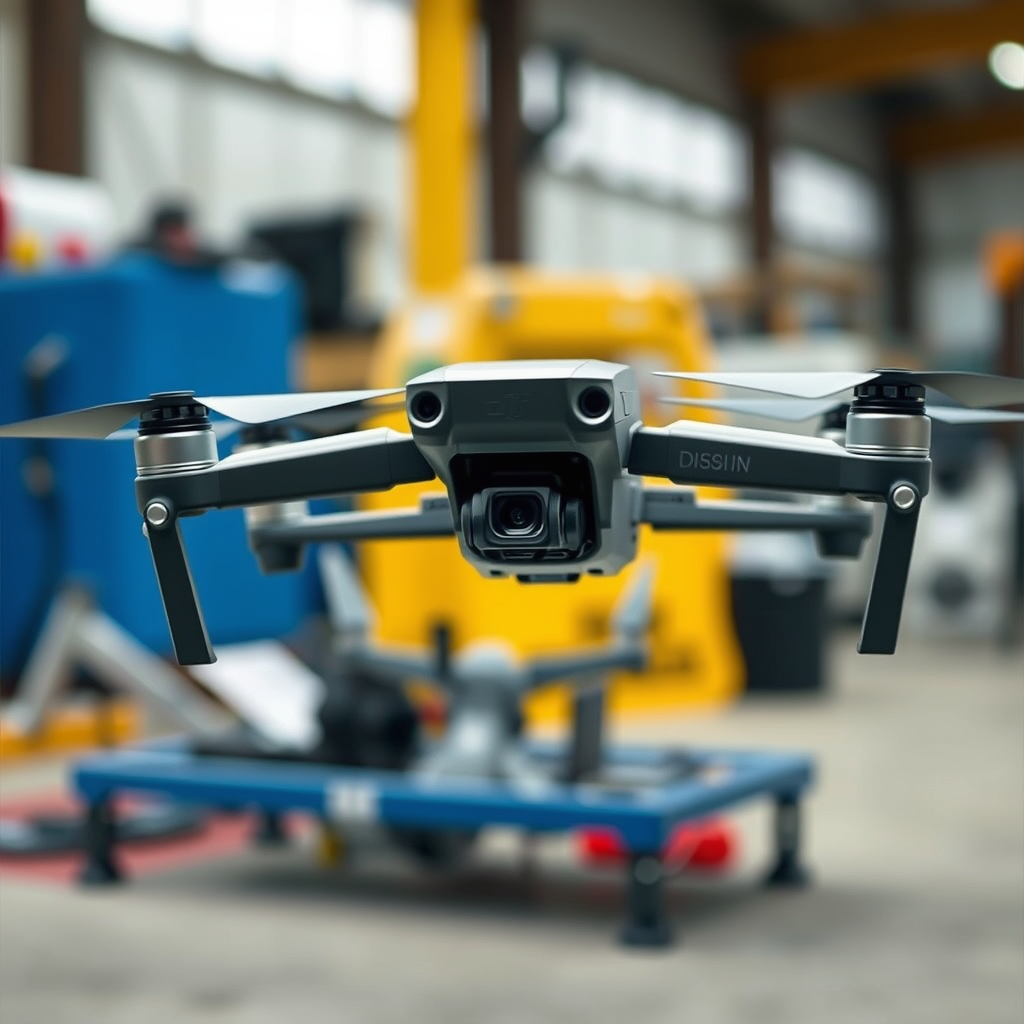
The journey of a DJI drone begins in the design and development phase, where engineers and designers work collaboratively to conceptualize innovative features and functionality. This stage is crucial as it sets the foundation for what the drone will ultimately become. Engineers utilize advanced software tools to create 3D models that simulate the drone’s performance and aesthetics. Through iterative prototyping, these models are refined, allowing designers to assess factors such as aerodynamics, weight distribution, and user ergonomics.
For example, the development of the DJI Mavic Air 2 involved extensive research into user experience and technological advancements, leading to features like obstacle avoidance and improved battery life. The ability to simulate real-world conditions during this phase helps in identifying potential design flaws early, ensuring that the final product meets high standards of performance and user satisfaction.
Material Sourcing
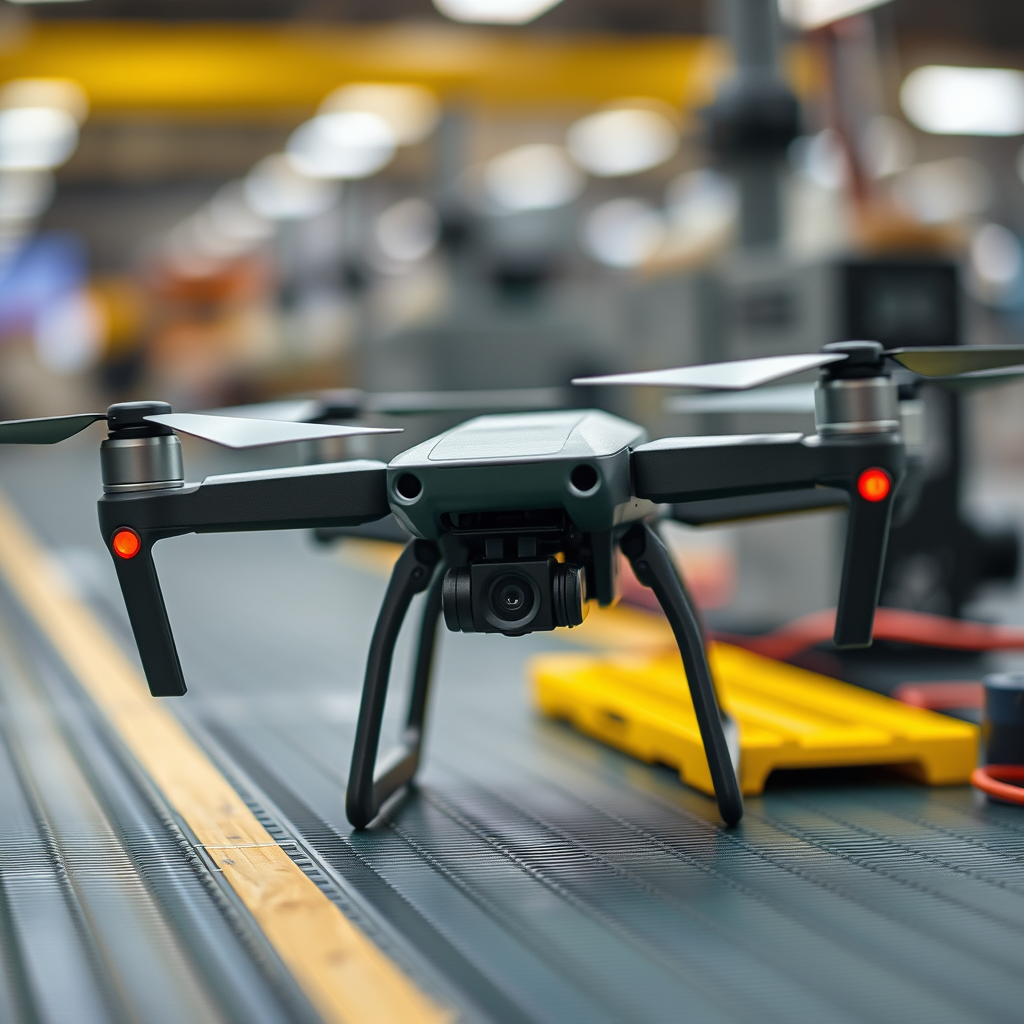
Once the design is finalized, the focus shifts to material sourcing, where high-quality materials are selected to ensure durability and performance. DJI prioritizes lightweight yet robust materials such as carbon fiber and advanced plastics, which not only contribute to the drone’s overall weight but also enhance its structural integrity. The choice of materials is critical, as they directly impact flight duration, stability, and maneuverability.
To maintain consistency and reliability, DJI collaborates with reputable suppliers worldwide. Each component, from motors to camera sensors, is sourced with stringent quality criteria in mind. For instance, the sensors used in DJI drones are sourced from leading manufacturers specializing in imaging technology, ensuring that the final product delivers exceptional image quality. This meticulous approach to material sourcing plays a vital role in the end-user experience, as it directly influences the drone’s functionality and longevity.
Manufacturing Process
The manufacturing process of DJI drones incorporates cutting-edge automation to streamline the assembly of various components. Automated production lines facilitate efficiency and precision, which are essential for meeting high-volume production demands without sacrificing quality. Each component of the drone is manufactured with exacting standards, utilizing advanced robotics that enhance precision in assembly.
For instance, robotic arms are employed to assemble intricate electronic components, ensuring that connections are made flawlessly and reducing the likelihood of human error. This level of automation not only speeds up production but also allows for greater consistency across units. As a result, each drone that rolls off the assembly line adheres to DJI’s stringent quality standards, reinforcing the brand’s reputation for excellence in the drone industry.
Quality Control Measures
Quality control is a cornerstone of DJI’s manufacturing philosophy. Each drone undergoes rigorous testing to ensure it meets safety and performance standards before it reaches the consumer. This includes a series of functional tests aimed at assessing various aspects of the drone, such as battery life, flight stability, and camera performance.
Quality assurance teams play a crucial role in this process, conducting inspections at various stages of production. They utilize both automated and manual testing methods to identify and rectify any potential issues. For example, DJI employs a comprehensive flight test for every unit, simulating real-world flying conditions to evaluate performance metrics. This multi-faceted approach to quality control ensures that each drone is not only safe but also capable of delivering an exceptional user experience.
Final Assembly and Testing
The final assembly of DJI drones is carried out by skilled technicians who integrate complex electronics, software, and mechanical components into a cohesive unit. This stage is where the drone’s intricate systems come together, culminating in a product that reflects both innovation and precision. Technicians meticulously follow assembly protocols to ensure that every component is correctly installed and calibrated.
After assembly, each drone undergoes extensive testing in real-world conditions. This includes flight trials that validate the drone’s capabilities, such as GPS accuracy, obstacle avoidance, and camera functionality. For example, the DJI Air 2S is tested under various environmental conditions to ensure it can perform reliably whether in bright sunlight or low-light scenarios. Only after passing these rigorous tests is a drone approved for shipping, ensuring that customers receive a product that meets DJI’s high standards.
Environmental Considerations
DJI is committed to implementing sustainable practices throughout its manufacturing processes to minimize environmental impact. This includes using eco-friendly materials wherever possible and optimizing energy efficiency in production facilities. The company actively seeks to reduce its carbon footprint by adopting renewable energy sources, such as solar power, in its manufacturing plants.
In addition to sustainable manufacturing, DJI has established recycling programs for end-of-life products. This initiative allows customers to return their drones for responsible recycling, helping to reduce electronic waste and promote sustainability in the industry. By prioritizing environmental considerations, DJI not only enhances its corporate responsibility but also appeals to environmentally conscious consumers.
Customer Support and Feedback
Continuous improvement at DJI is largely driven by customer feedback and effective support channels. The company actively engages with users to gather insights on their experiences, which informs the development of future models. This commitment to customer satisfaction is reflected in the regular updates and enhancements released for existing products.
DJI’s customer support team is trained to assist users with technical issues, ensuring that they can maximize the potential of their drones. By fostering a strong relationship with its customer base, DJI builds loyalty and gains valuable insights that help shape the evolution of its product line. This feedback loop not only enhances user experience but also drives innovation, as customer suggestions often lead to the development of new features and improvements.
By understanding the intricate process of how DJI drones are made, you gain insight into the technology and craftsmanship that define these high-quality aerial devices. Each step, from design and material sourcing to final testing, is crucial in delivering exceptional performance. DJI’s commitment to quality, sustainability, and customer engagement not only enhances its products but also solidifies its position as a leader in the drone industry. Explore DJI’s range of drones or consider how these innovations can elevate your aerial photography and videography experiences.
Frequently Asked Questions
What materials are used in the production of DJI drones?
DJI drones are primarily made from lightweight yet durable materials such as high-grade plastics, carbon fiber, and aluminum alloys. These materials help to enhance the drone’s performance by providing a balance of strength and weight efficiency, which is crucial for flight stability and battery life. The choice of materials also plays a significant role in ensuring that the drones are resistant to harsh weather conditions and impacts.
How does DJI ensure the quality of its drones during manufacturing?
DJI implements a rigorous quality control process throughout its manufacturing stages, including automated inspections and manual testing. Each drone undergoes a series of tests, such as flight stability and battery performance assessments, to ensure they meet stringent quality standards. Additionally, the company employs advanced technologies, like AI and machine learning, to identify potential defects early in the production process, ensuring that every drone delivered to customers is reliable and high-performing.
Why are DJI drones considered industry leaders in the market?
DJI drones are recognized as industry leaders due to their advanced technology, user-friendly designs, and high-quality performance. The company continuously innovates, integrating features like obstacle avoidance, intelligent flight modes, and high-resolution cameras into their drones. This commitment to innovation, combined with robust after-sales support and a strong global presence, positions DJI as the go-to brand for both hobbyists and professional aerial photographers.
What is the assembly process for DJI drones?
The assembly process for DJI drones involves several key steps, starting from component sourcing to final assembly. After sourcing high-quality parts, skilled technicians assemble the drones in clean-room environments to prevent contamination. Each component, from the flight controller to the propellers, is carefully integrated, followed by extensive testing to ensure that every drone functions optimally before it is packaged and shipped to retailers and customers.
Which DJI drones are best for beginners and why?
For beginners, the DJI Mini series, particularly the DJI Mini 2 and Mini SE, are highly recommended due to their compact size, ease of use, and affordability. These drones come equipped with user-friendly features like GPS assistance, automatic takeoff and landing, and a simplified control system that makes flying intuitive for newcomers. Additionally, their lightweight design makes them ideal for casual users who want to capture stunning aerial footage without the complexities associated with more advanced models.
References
- DJI
- https://www.bbc.com/news/technology-60440583
- https://www.reuters.com/technology/dji-launches-new-drone-push-2022-04-27/
- https://www.sciencedirect.com/science/article/pii/S2351978921000352
- https://www.forbes.com/sites/forbestechcouncil/2022/03/15/how-drones-are-manufactured-and-tested/
- https://www.theverge.com/2021/4/12/22379805/dji-drone-manufacturing-supply-chain-issues
