
DJI drones communicate using various technologies, primarily relying on radio frequencies and advanced protocols to transmit data between the drone and the remote controller. This sophisticated communication system ensures reliable connectivity and seamless operation, which are critical for both recreational and professional drone users. In this article, we will explore the different communication methods employed by DJI drones, examine how they maintain reliable connections, and discuss the implications these methods have for drone operation and performance.
Understanding the Basics of Drone Communication
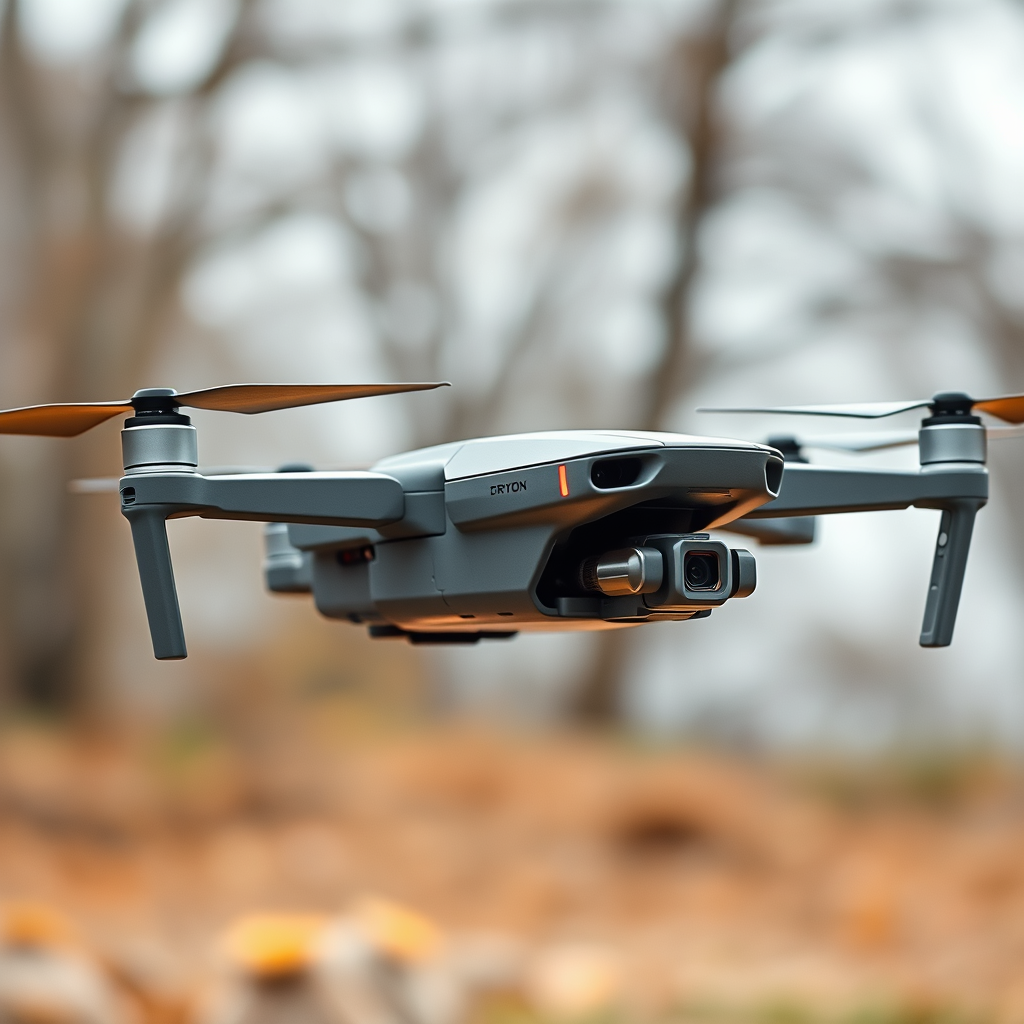
At the core of DJI drone communication lies the use of radio frequency (RF) signals. These signals are essential for both control commands and data transmission, forming the backbone of the interaction between the drone and its remote controller. DJI primarily operates on the 2.4 GHz and 5.8 GHz RF bands. The 2.4 GHz band offers a longer range, making it suitable for general flight operations, while the 5.8 GHz band is used for minimizing interference, especially in crowded environments.
The choice of frequency bands is crucial as it directly impacts the drone’s operational range and the quality of communication. The 2.4 GHz band, although more susceptible to interference from other electronic devices (such as Wi-Fi networks), allows for greater distances. Conversely, the 5.8 GHz band, while typically offering a shorter range, provides clearer signals with reduced interference. By balancing these two frequencies, DJI drones can maintain a robust and efficient communication link under varying environmental conditions.
The Role of Remote Controllers
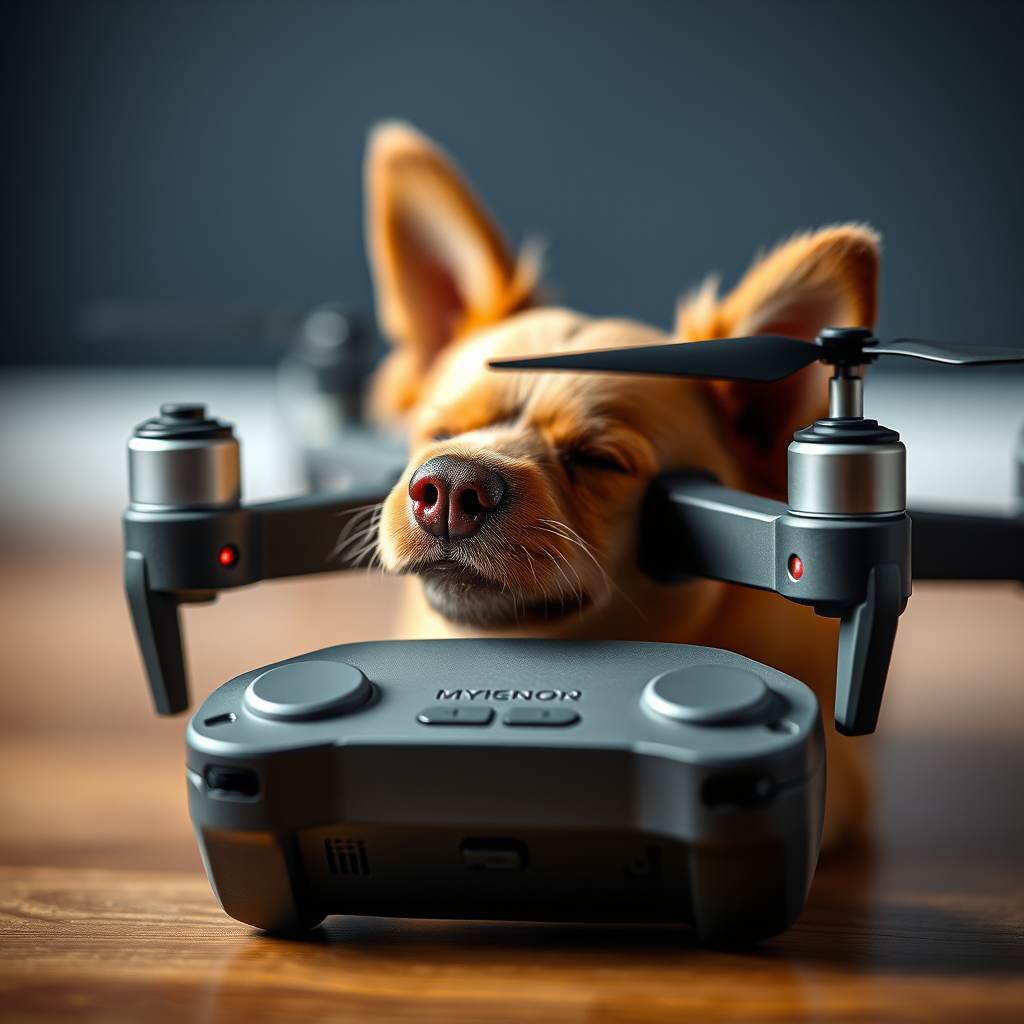
Remote controllers play a pivotal role in the operation of DJI drones, acting as the primary interface between the pilot and the aircraft. These controllers send RF signals to the drone, allowing for real-time control, adjustments, and navigation. Features such as telemetry data are relayed back to the remote controller, providing the pilot with critical flight information, including altitude, speed, battery level, and GPS coordinates.
For instance, the DJI Smart Controller enhances the flying experience by integrating a high-brightness display that showcases live flight data and video feeds. This immediate access to telemetry allows pilots to make informed decisions during flight, ensuring safety and optimal performance. Furthermore, the remote controllers are designed with ergonomic considerations, ensuring that pilots can operate the drone comfortably for extended periods.
Data Transmission Protocols
DJI employs proprietary communication protocols to enhance reliability and security during data transmission. These protocols are designed to prevent signal loss and ensure a stable connection, even in challenging environments. The robustness of these protocols is particularly important when flying in urban settings or areas with numerous electronic devices that may cause interference.
For example, the Lightbridge technology used in some DJI models allows for high-definition video transmission and control signals to be sent over long distances. This technology not only enhances the reliability of the connection but also incorporates encryption to safeguard against unauthorized access. The use of such advanced communication protocols is a testament to DJI’s commitment to providing a secure and dependable flying experience.
The Importance of Video Transmission
High-definition video feeds are a critical component of drone operations, especially for applications in filmmaking, surveying, and inspections. DJI drones utilize specialized communication channels to transmit these video feeds, ensuring high-quality imagery and minimal latency. One of the standout technologies in this realm is OcuSync, which is utilized in several DJI models.
OcuSync allows for seamless video streaming over impressive distances, often exceeding several kilometers. This technology dynamically switches between 2.4 GHz and 5.8 GHz bands to maintain a stable connection, automatically adjusting to environmental conditions. The ability to transmit high-definition video in real-time not only enhances the user’s experience but also opens up new possibilities for professional applications where live feedback is essential.
Overcoming Communication Challenges
Despite the advanced technologies employed by DJI drones, communication challenges can arise. Common issues include signal interference from other devices, such as Wi-Fi routers, and physical obstacles like buildings and trees. These factors can disrupt the connection between the drone and the remote controller, potentially leading to loss of control.
To address these challenges, DJI equips its drones with intelligent features that detect and mitigate communication disruptions. For instance, many models come with built-in fail-safe mechanisms that automatically return the drone to its takeoff point if the signal is lost. Additionally, the drones can analyze the surrounding RF environment and select the optimal frequency band for communication, thus enhancing reliability and performance in complex settings.
Future Trends in Drone Communication
The future of drone communication is poised for significant advancements, particularly with the emergence of 5G technology. This new standard promises to revolutionize how drones communicate by offering faster data transfer rates, lower latency, and improved connectivity. With 5G, drones could potentially support more complex operations, such as real-time data sharing and advanced autonomous flight capabilities.
As 5G networks expand, we can expect enhancements in drone applications, from smarter aerial delivery systems to more reliable surveillance and mapping technologies. The integration of 5G could facilitate real-time collaboration among multiple drones, enabling them to operate in conjunction and share information seamlessly, thus paving the way for innovative uses in various industries.
Ensuring Safe and Effective Communication
To ensure optimal communication performance, it is essential for drone operators to regularly update their drone firmware. Firmware updates often include improvements to communication protocols, enhanced security features, and bug fixes that can address existing issues. Staying informed about the latest updates not only maximizes the drone’s capabilities but also enhances safety during flight.
Additionally, drone operators should familiarize themselves with local regulations regarding drone operation to avoid interference with other devices. Understanding airspace restrictions and communication protocols can help mitigate potential conflicts, ensuring a safe and efficient flight experience.
By understanding how DJI drones communicate, you can enhance your flying experience and troubleshoot potential issues effectively. As technology advances, keeping informed about the latest communication methods will be crucial for all drone enthusiasts. Make sure to explore DJI’s resources for updates and best practices to maximize your drone’s capabilities. With a solid grasp of these communication principles, you can optimize your drone operations for both recreational and professional applications.
Frequently Asked Questions
How do DJI drones communicate with the remote control?
DJI drones communicate with the remote control primarily through a proprietary transmission technology called OcuSync. This system allows for real-time video transmission and control signal exchange, operating on both 2.4 GHz and 5.8 GHz frequencies. The communication is designed to maintain a stable connection over long distances, ensuring that commands from the remote control are executed promptly, and video feed is delivered with minimal latency.
What types of communication protocols do DJI drones use?
DJI drones utilize several communication protocols, including Wi-Fi, OcuSync, and Lightbridge. OcuSync, as mentioned, is favored for its advanced capabilities, allowing HD video transmission and enhanced reliability. In contrast, Wi-Fi is often used for simpler models or mobile devices. Understanding these protocols can help users select the right drone for their needs based on range and video quality.
Why is the communication range important for DJI drones?
The communication range is crucial for DJI drones because it directly impacts the pilot’s ability to control the drone effectively and receive live video feeds. A longer communication range allows for greater operational flexibility, enabling users to explore vast areas and capture aerial footage without losing connection. However, users should also consider local regulations that may restrict flying beyond visual line of sight.
Which factors can affect the communication between DJI drones and the remote control?
Several factors can impact the communication between DJI drones and the remote control, including physical obstructions like trees and buildings, electromagnetic interference from other devices, and environmental conditions such as wind or rain. Additionally, the altitude and terrain can also play a role, as flying at higher elevations might sometimes enhance the communication signal. Being aware of these factors can help users ensure a stable connection during flight.
How can I troubleshoot communication issues with my DJI drone?
To troubleshoot communication issues with your DJI drone, start by ensuring that both the drone and remote control are fully charged and updated with the latest firmware. Check for any physical obstructions or interference sources nearby and try to fly in an open area. If problems persist, resetting the drone and remote control or performing a factory reset can often resolve connectivity issues. Consulting the DJI user manual for specific troubleshooting steps can also provide valuable guidance.
References
- https://en.wikipedia.org/wiki/Drone_communication
- https://www.faa.gov/uas/resources/policy_briefings/media/UAS_Communications.pdf
- https://www.sciencedirect.com/science/article/pii/S2352467719301206
- https://www.nist.gov/publications/drones-and-safety-standards
- https://www.researchgate.net/publication/328192092_A_Survey_of_Drone_Communication_Protocols
- https://www.cnn.com/2020/07/15/tech/drones-communication/index.html
- https://www.ncbi.nlm.nih.gov/pmc/articles/PMC6481828/
- https://www.itu.int/en/ITU-T/focusgroups/ict4d/Pages/default.aspx
- https://www.wired.com/story/how-drones-work-communication/
