
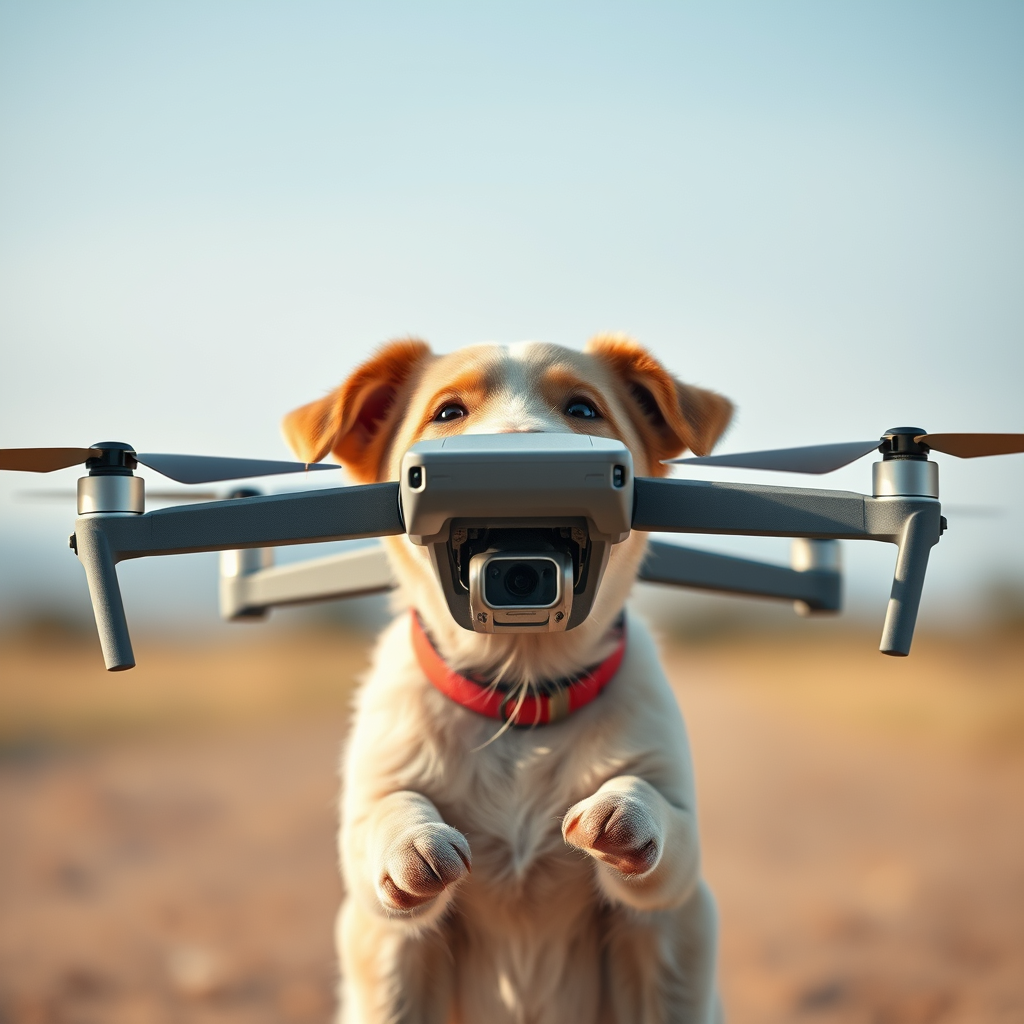
DJI drones communicate with their controllers primarily through a combination of radio frequency signals and video transmission systems. This interaction allows for real-time control and feedback, making it essential for effective drone operation. Understanding these communication methods is crucial for any drone operator aiming to maximize their flying experience, troubleshoot issues, and appreciate the technology behind DJI’s advanced systems. In this article, we will explore the various communication methods used by DJI drones, their technical components, and how they ensure a seamless flying experience.
Understanding the Communication Protocols

DJI drones utilize proprietary communication protocols that ensure reliable data transfer between the drone and its controller. These protocols are meticulously designed to minimize interference, which is especially critical in environments with multiple electronic devices. For instance, DJI’s protocols can dynamically adjust to changes in the surrounding environment, ensuring a robust connection even in complex urban settings or crowded areas. The sophistication of these protocols not only enhances reliability but also facilitates features such as telemetry data transmission, which delivers essential flight information to the pilot in real-time.
The use of advanced error correction algorithms within these protocols helps to maintain data integrity, allowing for a more stable control response and accurate feedback during flight. This is particularly important for professional applications, such as aerial photography or surveying, where precision is paramount.
Radio Frequency Communication

Most DJI drones operate on the 2.4 GHz and 5.8 GHz frequency bands for control signals. This frequency versatility is a strategic choice, as it helps to reduce signal loss and improve range, particularly in urban environments where obstacles can obstruct communication. The 2.4 GHz band is often more crowded due to its common usage in Wi-Fi devices, while the 5.8 GHz band offers a clearer signal path with less interference.
An excellent example of this frequency adaptability can be seen in the DJI Mavic Air 2, which automatically selects the optimal frequency for communication based on environmental conditions. This feature not only boosts the drone’s operational range—up to 10 kilometers in ideal conditions—but also improves flight safety by maintaining a stable connection. Additionally, the ability to switch frequencies helps pilots avoid interference from other devices, ensuring uninterrupted control over their drones.
Video Transmission Systems
DJI employs enhanced video transmission technologies, such as OcuSync and Lightbridge, to stream high-definition video from the drone to the controller. OcuSync, for instance, allows for low-latency video feeds, which are crucial for piloting and monitoring the drone in real-time. This technology supports 1080p video transmission at distances of up to 10 kilometers, providing an immersive flying experience.
Lightbridge, on the other hand, is another robust video transmission system that has been utilized in earlier DJI models. Although superseded by OcuSync in newer drones, Lightbridge still offers impressive capabilities, allowing for HD video transmission over significant distances. The focal point of these systems is to ensure that the operator receives a clear, lag-free video feed, thus facilitating precise control and decision-making during flight.
Moreover, the integration of these video transmission systems with the drone’s GPS and inertial measurement unit (IMU) ensures that the video feed adjusts dynamically to changes in the drone’s orientation and altitude, further enhancing the pilot’s situational awareness.
Controller Features and Capabilities
The controllers designed for DJI drones are equipped with various functions, including customizable settings and telemetry data display. Users can monitor critical parameters such as battery life, GPS status, and altitude directly from the controller, providing essential information during flight. For instance, the DJI Smart Controller features a built-in screen that displays a live video feed alongside telemetry data, allowing pilots to focus on flying without the need for additional devices.
Furthermore, the controllers boast programmable buttons that can be tailored to the operator’s preferences, enabling quick access to frequently used functions. This level of customization not only enhances user experience but also allows for more efficient operation during complex maneuvers. The inclusion of features such as Return to Home (RTH) and advanced flight modes like Follow Me or Waypoint Navigation further underscores the sophistication of DJI’s control systems, providing both novice and experienced pilots with the tools they need for a successful flight.
Troubleshooting Communication Issues
Common issues in drone communication include signal loss and interference, which can be mitigated by adjusting the controller’s position or switching frequency bands. For example, if a pilot notices a drop in signal strength, repositioning the controller to a higher elevation or a less obstructed area can help restore communication. Additionally, switching from a congested 2.4 GHz band to the clearer 5.8 GHz band can significantly reduce interference and improve signal quality.
Regular software updates for both the drone and controller can enhance communication reliability and performance. DJI frequently releases firmware updates that optimize the performance of their drones and controllers, addressing any known issues and incorporating user feedback. It is advisable for drone operators to regularly check for and install these updates to ensure the best possible performance.
Moreover, pilots should familiarize themselves with the available troubleshooting resources provided by DJI, such as user manuals and online support forums, which often offer practical solutions to common communication problems.
The Role of Mobile Apps
DJI’s mobile applications interface with the drone and controller, providing additional control options and settings management. The DJI Fly app, for example, offers a user-friendly interface that allows pilots to access flight modes, camera settings, and even edit and share their footage directly from their mobile devices. These apps often include features like flight planning, which enables users to pre-program flight paths, and geofencing, which helps pilots avoid restricted areas.
In addition to enhancing usability, these mobile apps serve as a valuable tool for monitoring and managing firmware updates, ensuring that both the drone and controller are running the latest software. The integration of mobile applications into the DJI ecosystem exemplifies the brand’s commitment to improving user experience and providing comprehensive support for drone operators.
Future of Drone Communication Technology
Ongoing advancements in communication technology aim to improve range, reliability, and data transfer rates. Innovations such as 5G connectivity hold promise for the future of drone communication, potentially allowing for unprecedented data transmission speeds and real-time streaming capabilities. This technology could enhance the operational range beyond current limitations, enabling new applications in sectors such as agriculture, surveillance, and delivery services.
Future developments may also include enhanced AI integration for smarter communication between drones and controllers. For example, AI could optimize flight paths in real-time based on environmental factors, further improving safety and efficiency. As technology continues to evolve, we can expect DJI and other manufacturers to lead the charge in advancing drone communication capabilities, ultimately reshaping the landscape of aerial operations.
In summary, understanding how DJI drones communicate with their controllers involves exploring various technical aspects, including radio frequencies, video transmission systems, and controller features. By familiarizing yourself with these elements, you can optimize your drone flying experience and troubleshoot any potential issues effectively. As communication technology continues to innovate, the future of drone operation looks promising, paving the way for exciting advancements and applications. For more insights and tips on drone operation, be sure to explore our other articles and resources.
Frequently Asked Questions
How do DJI drones establish a connection with the controller?
DJI drones establish a connection with their controllers using a wireless communication protocol, typically either Wi-Fi or OcuSync technology. This connection typically involves pairing the drone and controller through a secure link, allowing real-time data transmission for flight commands, telemetry, and video feed. The pairing process generally includes turning on both devices and following prompts in the DJI app to ensure a stable and reliable link.
What is OcuSync, and how does it enhance communication between DJI drones and controllers?
OcuSync is DJI’s proprietary transmission technology that significantly improves the communication range and stability between drones and their controllers. It operates on both 2.4GHz and 5.8GHz frequencies, automatically switching between them to reduce interference and maintain a clear signal. This advanced technology allows for longer flight distances, higher-quality video transmission, and reduced latency, making it ideal for professional aerial photography and videography.
Why is it important for DJI drones to have a reliable communication link with the controller?
A reliable communication link between DJI drones and their controllers is crucial for safe and effective operation. This connection ensures that flight commands are transmitted without delay, allowing for precise control during maneuvers. Additionally, consistent communication is essential for receiving telemetry data such as battery status and GPS location, helping pilots make informed decisions to prevent accidents or flyaways.
What are some common issues that can disrupt the communication between DJI drones and controllers?
Common issues that can disrupt communication between DJI drones and controllers include signal interference from other electronic devices, physical obstacles like buildings or trees, and low battery levels in either device. Environmental factors like weather conditions can also impact signal strength. Pilots should ensure they are flying in open areas with minimal interference and check battery levels before flight to mitigate these issues.
Which DJI drones have the best communication range with their controllers?
Among DJI’s lineup, models such as the Mavic 3 and the Phantom 4 Pro V2.0 feature the best communication ranges, utilizing OcuSync 3.0 technology. These drones can achieve ranges of up to 15 kilometers (approximately 9.3 miles) under ideal conditions. It’s important to note that actual range may vary based on environmental factors, so pilots should always be aware of local regulations and maintain visual line of sight (VLOS) with their drone.
References
- Drone
- https://www.nasa.gov/feature/nasa-research-on-drone-communication
- https://www.wired.com/story/how-drones-communicate/
- https://www.techrepublic.com/article/how-drones-communicate-with-each-other/
- https://www.sciencedirect.com/science/article/pii/S2351978919300746
- Policy Document Library | Federal Aviation Administration
- https://www.researchgate.net/publication/325834022_Drone_Communication_Methods_and_Applications
- https://www.ncbi.nlm.nih.gov/pmc/articles/PMC7074973/
