
DJI drones measure altitude primarily using barometric pressure sensors, GPS data, and vision positioning systems. This combination allows for precise altitude readings, enabling safe and efficient flight operations. In this article, you will learn about the different technologies DJI employs to ensure accurate altitude measurement and the importance of each method for drone performance.
Barometric Pressure Sensors
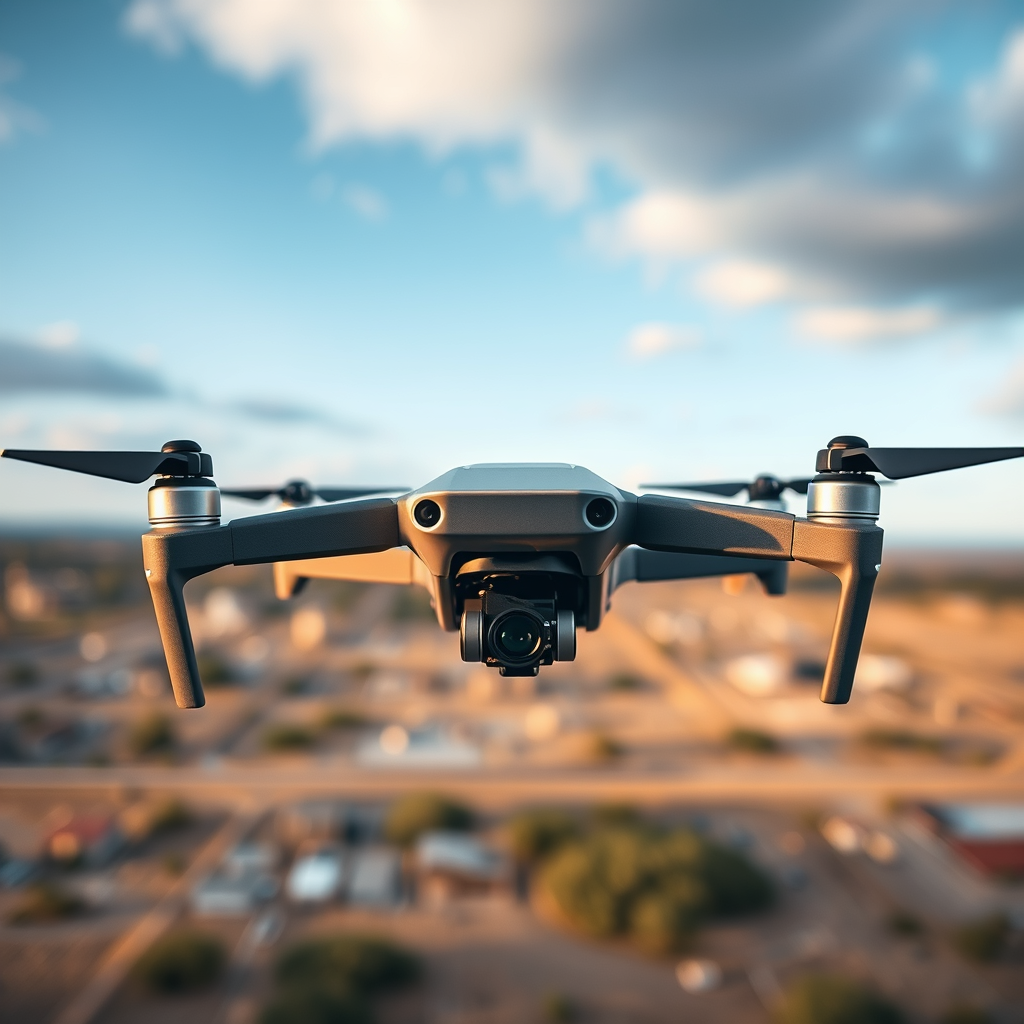
Barometric pressure sensors are crucial for determining altitude by measuring changes in atmospheric pressure. As a drone ascends, the pressure around it decreases, and the sensor detects this variation. By comparing the current pressure with a standard reference pressure at sea level, the sensor can accurately calculate the drone’s height above sea level.
This method is particularly effective at lower altitudes, where the pressure changes are more pronounced. For example, when flying in mountainous regions, barometric sensors can provide essential data that helps the drone maintain a stable altitude amidst fluctuating terrain. Furthermore, the integration of this data allows pilots to fine-tune their flight plans, ensuring they avoid obstacles and comply with local regulations. However, it’s important to note that barometric sensors can be influenced by weather conditions, such as temperature changes, which can affect the accuracy of altitude readings.
GPS Technology
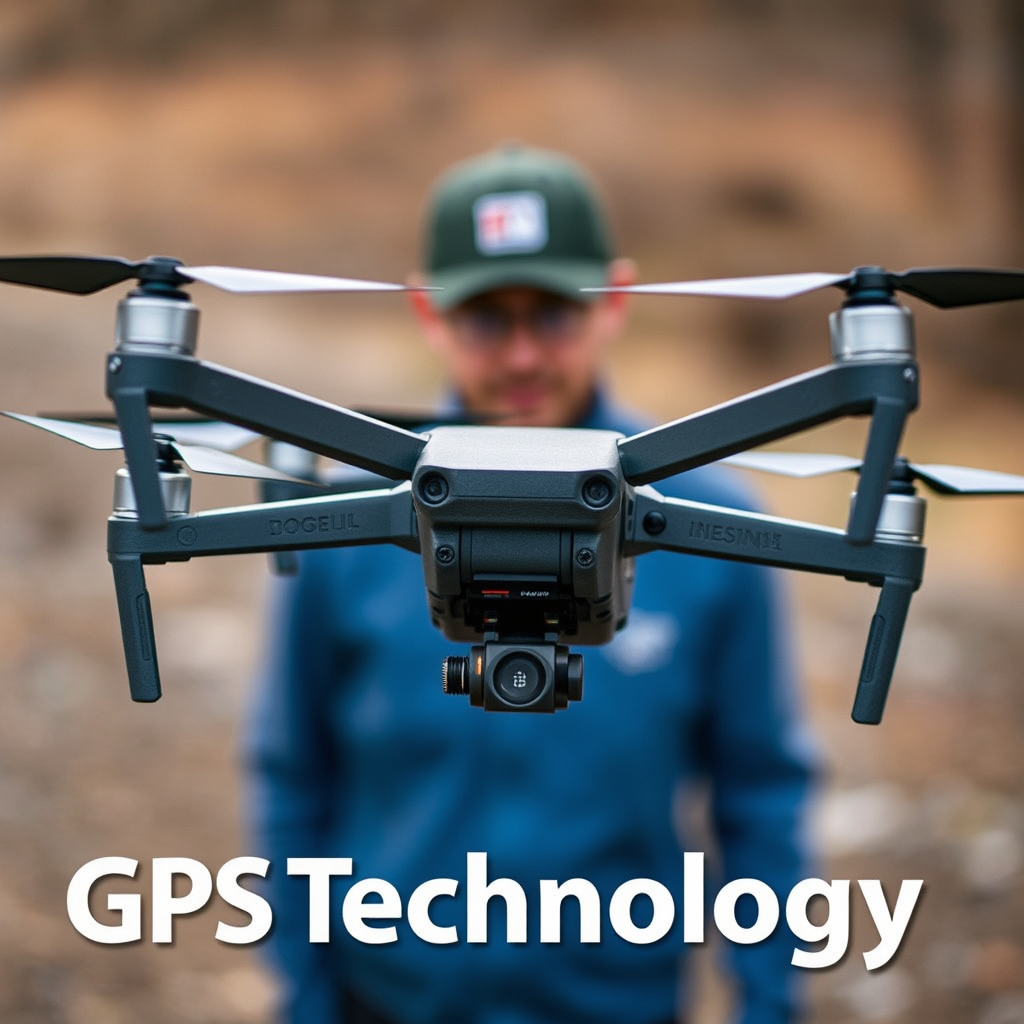
Global Positioning System (GPS) technology offers altitude data based on signals transmitted by satellites orbiting the Earth. This method provides a broader perspective of the drone’s position, making it especially useful for long-range flights and in varied terrain conditions. GPS altitude readings are generally reliable, allowing pilots to set and maintain a desired altitude during flight.
One of the key advantages of using GPS for altitude measurement is its ability to provide information even over large distances or in areas where visual references are limited. For instance, during a cross-country flight or in open fields, GPS can help maintain a consistent altitude, reducing the risk of sudden altitude changes that could lead to accidents. However, GPS signals can be affected by environmental factors such as tall buildings, dense forests, or even adverse weather conditions, which can result in inaccuracies. Therefore, while GPS is a robust method for altitude measurement, it is most effective when used in conjunction with other technologies.
Vision Positioning Systems
Vision positioning systems (VPS) enhance altitude measurement by utilizing cameras and sensors to analyze the environment below the drone. These systems enable real-time altitude adjustments by detecting the ground features and adjusting flight height accordingly. This method significantly improves stability and accuracy, particularly when flying at lower elevations or near obstacles.
For example, when flying indoors or in urban settings with many structures, VPS can provide immediate feedback on the drone’s altitude relative to the ground, allowing for precise navigation. Drones equipped with VPS are capable of hovering steadily in place, which is essential for tasks such as aerial photography, where stability is paramount. Additionally, VPS can work in tandem with barometric pressure sensors and GPS, creating a comprehensive altitude measurement system that bolsters flight safety and operational efficiency.
Combining Altitude Data
DJI drones integrate data from barometric sensors, GPS, and vision systems to provide a comprehensive altitude measurement framework. This fusion of technologies enhances flight stability and safety, particularly in changing environmental conditions. By cross-referencing data from multiple sources, DJI drones can achieve more accurate altitude readings, reducing the likelihood of errors that could compromise flight operations.
For instance, during a flight in mountainous areas where GPS signals may be weak, the drone can rely on barometric sensors to maintain altitude. Conversely, in urban environments where barometric pressure may be affected by local weather patterns, the drone can depend on VPS to provide real-time altitude adjustments. This multi-faceted approach not only improves the reliability of altitude measurements but also empowers drone operators to execute complex flight maneuvers with confidence.
Practical Applications of Altitude Measurement
Accurate altitude measurement is critical for various applications, including aerial photography, surveying, and mapping. In aerial photography, for instance, precise altitude control is essential for capturing high-quality images and videos. Pilots must maintain a consistent height to ensure that their shots are framed correctly and avoid unwanted changes in perspective.
In surveying and mapping, altitude data is vital for creating accurate topographical maps and conducting land assessments. Understanding altitude helps pilots avoid obstacles such as power lines, trees, or buildings, which can pose significant risks during flight. Moreover, adhering to local regulations regarding drone flight often requires a clear understanding of altitude limits, making accurate altitude measurement an essential aspect of responsible drone operation.
Troubleshooting Altitude Measurement Issues
Despite the advanced technologies employed in altitude measurement, various factors may affect the accuracy of readings. Weather conditions, such as rapid changes in temperature or atmospheric pressure, can lead to discrepancies in barometric sensor readings. Similarly, GPS signals can be obstructed by physical structures or atmospheric interference, resulting in inaccurate altitude data.
To mitigate these issues, regular maintenance and calibration of sensors are vital. Operators should also keep their drone’s software updated to leverage improvements in altitude measurement algorithms and data processing. Additionally, familiarizing oneself with the specific environmental conditions of the flight area can enhance the pilot’s ability to anticipate and manage altitude measurement challenges effectively.
The importance of accurate altitude measurement cannot be overstated in drone operations. By leveraging advanced technologies like barometric sensors, GPS, and vision positioning systems, DJI drones provide reliable altitude data that enhances flight safety and effectiveness. If you’re a drone operator, ensure your equipment is updated and calibrated to experience the full benefits of these altitude measurement methods. Understanding these mechanisms not only improves your operational skills but also contributes to the overall safety of drone flights in diverse environments.
Frequently Asked Questions
How do DJI drones determine their altitude during flight?
DJI drones measure altitude using a combination of GPS data and barometric sensors. GPS provides a rough estimate of altitude based on satellite signals, while the barometric sensor measures changes in air pressure to give a more precise altitude reading. The barometer is particularly effective for maintaining altitude during flight, especially when flying at lower elevations where GPS signals can be less reliable.
Why is it important for DJI drones to accurately measure altitude?
Accurate altitude measurement is crucial for safe drone operation, especially in compliance with aviation regulations and avoiding obstacles. Precise altitude data helps pilots maintain a safe distance from the ground and other structures, ensuring safer navigation in varying environments. Additionally, accurate altitude measurements enhance the quality of aerial photography and videography by allowing for better framing and perspective.
What is the difference between GPS altitude and barometric altitude on DJI drones?
The primary difference lies in their measurement methods: GPS altitude is derived from satellite signals and provides a general location-based height, while barometric altitude is based on atmospheric pressure changes and is more sensitive to altitude variations. DJI drones typically use both methods together, with barometric data often preferred for stability and precision during flight, especially at lower altitudes or in areas with poor GPS reception.
Which DJI drones have the best altitude measurement capabilities?
DJI’s higher-end models, such as the Mavic 3 and the Phantom 4 Pro, offer advanced altitude measurement capabilities due to their superior GPS and barometric sensors. These drones also feature additional technologies like obstacle avoidance sensors and advanced flight modes that enhance altitude accuracy and stability. If precise altitude control is critical for your work, consider investing in these premium models for optimal performance.
How can I ensure accurate altitude readings when flying my DJI drone?
To ensure accurate altitude readings, calibrate your drone’s compass and IMU before flight, as this can improve the accuracy of both GPS and barometric sensors. Additionally, avoid flying in areas with high electromagnetic interference or extreme weather conditions, as these can affect sensor performance. Regularly update your drone’s firmware also helps maintain its altitude measurement accuracy by incorporating the latest enhancements and fixes from DJI.
References
- DJI
- https://www.dji.com/support/faq/what-is-altitude
- https://www.ncbi.nlm.nih.gov/pmc/articles/PMC6444231/
- NASA
- Unmanned Aircraft Systems (UAS) | Federal Aviation Administration
- https://www.sciencedirect.com/topics/engineering/drone-altitude
- https://www.researchgate.net/publication/331141850_The_Use_of_Drones_for_Agricultural_Applications
