
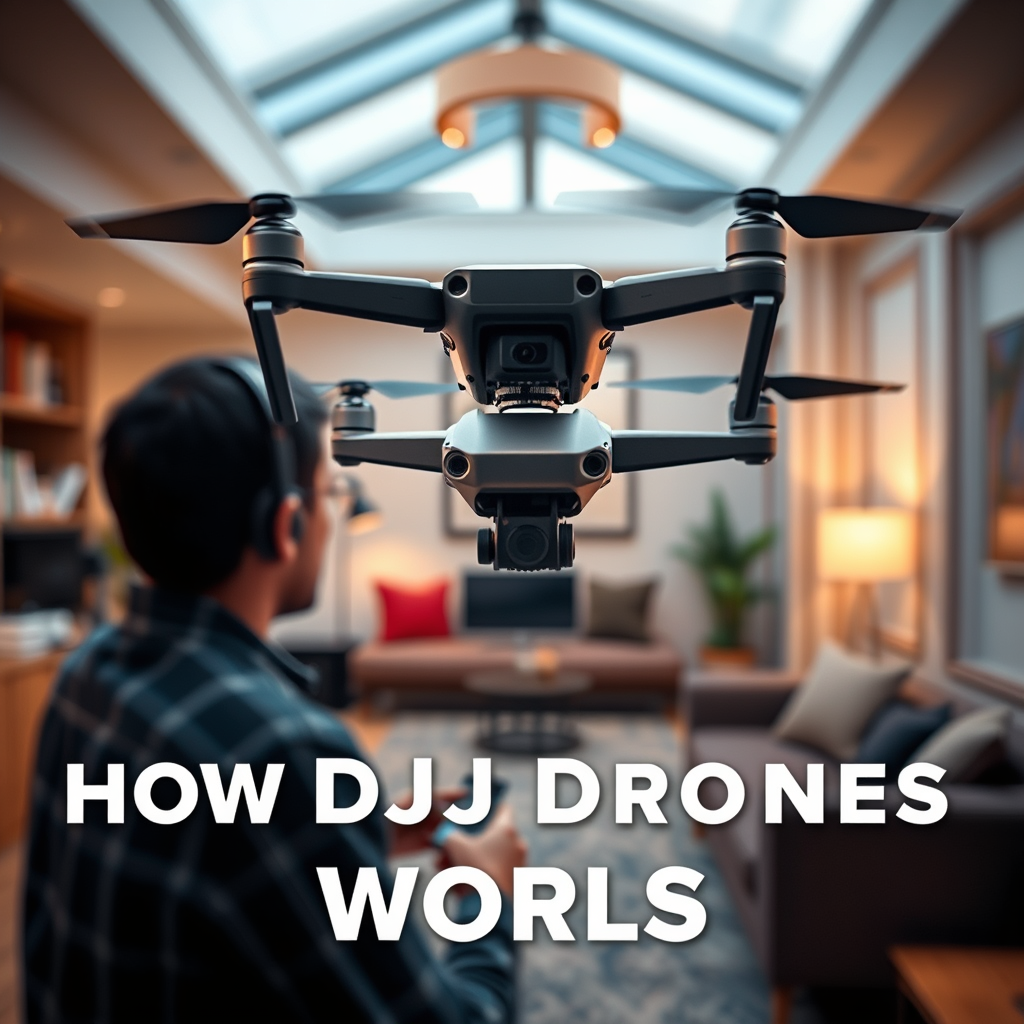
Understanding how DJI drones work involves grasping the essential components and technologies that enable their functionality. DJI drones utilize advanced sensors, flight controllers, and communication systems to achieve stable flight, capture stunning aerial footage, and execute automated tasks. In this article, you’ll learn about the critical elements that make DJI drones reliable and user-friendly.
The Anatomy of a DJI Drone
Airframe Design
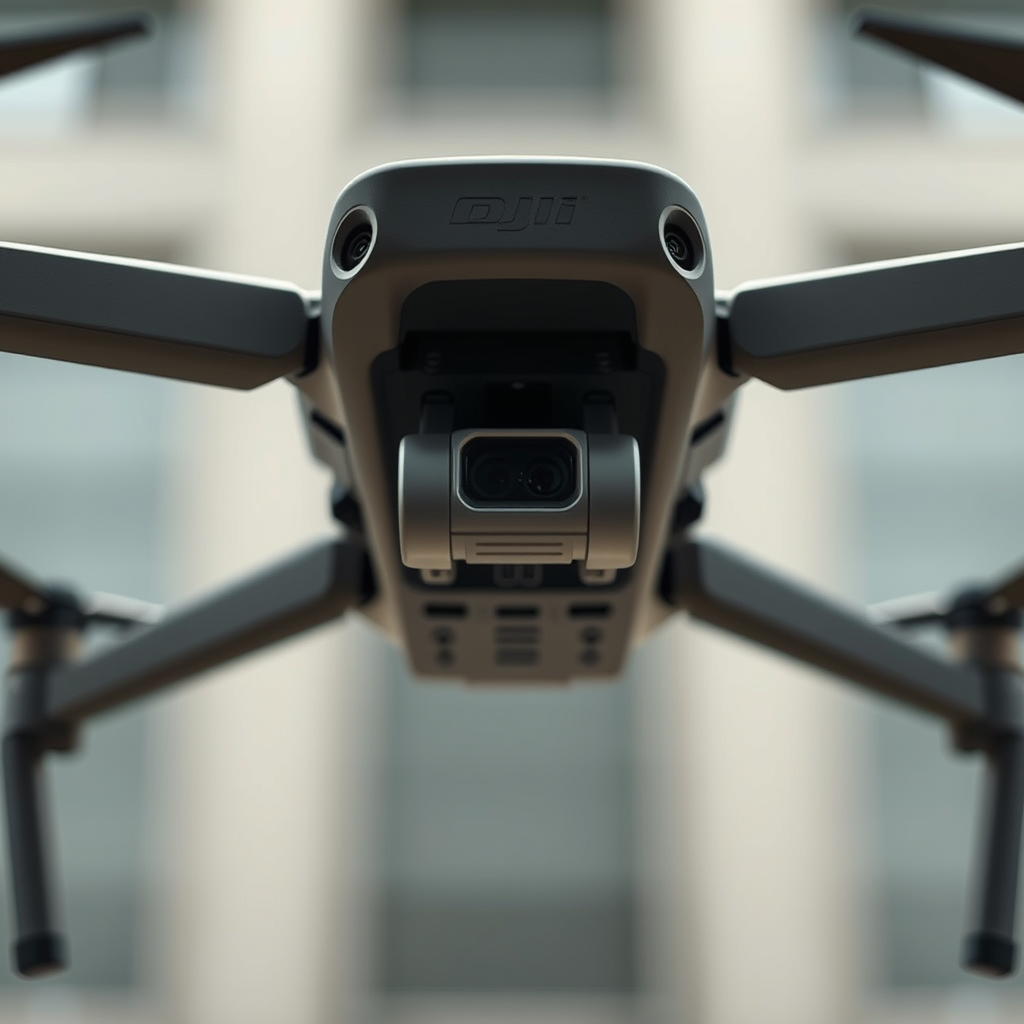
The airframe design of a DJI drone plays a crucial role in its overall performance. Most DJI drones are constructed from lightweight materials such as carbon fiber and high-strength plastics, which contribute to their durability while minimizing weight. This balance between strength and weight is essential for improving flight efficiency, allowing the drone to achieve longer flight times and better maneuverability. Additionally, the aerodynamic shapes of DJI drones reduce drag, resulting in smoother flights even in varying weather conditions. For instance, the DJI Mavic series exemplifies this design philosophy, allowing users to fold the drone into a compact form, enhancing portability without compromising performance.
Propulsion System
The propulsion system is another critical component of DJI drones, consisting of high-efficiency motors and well-engineered propellers. The motors, generally brushless, provide the necessary thrust for vertical takeoff and stable flight, while the propellers are designed to maximize lift while maintaining energy efficiency. For example, the DJI Phantom series features powerful motors that allow the drone to carry heavy payloads, such as professional cameras, without sacrificing stability. This combination of motor and propeller technology ensures that DJI drones can handle a variety of flying conditions, from calm skies to windy environments.
Key Technologies Behind DJI Drones
GPS and Navigation Systems
GPS technology is integral to the functionality of DJI drones. These devices utilize multiple satellites to establish precise positioning, allowing them to navigate accurately and execute complex flight paths. By incorporating GPS, DJI drones can perform tasks such as waypoint navigation, which enables users to set specific locations for the drone to fly autonomously. This capability is not only useful for capturing stunning aerial footage but also for applications like surveying and mapping. The DJI Mini 2, for instance, showcases this feature, providing users with an accessible way to explore aerial photography without requiring advanced piloting skills.
Sensors and Cameras
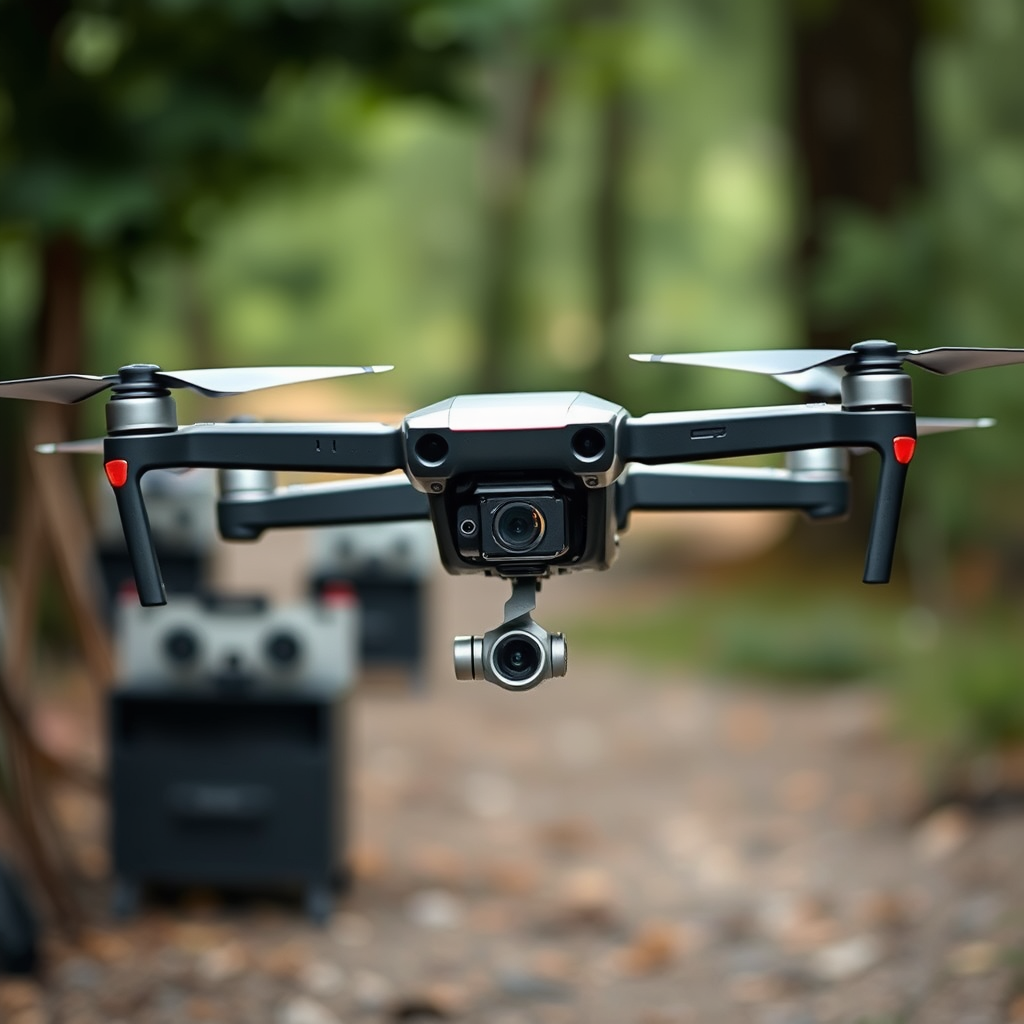
DJI drones are equipped with an array of sensors that enhance their operational capabilities. Obstacle detection sensors, often placed on the front, rear, and underneath the drone, help prevent collisions during flight, making these drones safer for both the operator and the environment. Additionally, high-quality cameras, such as those found in the DJI Air 2S, offer 4K video recording capabilities, allowing users to capture breathtaking imagery with exceptional clarity. The integration of these sensors and cameras not only improves the functionality of the drones but also expands their potential applications across various industries, from filmmaking to agriculture.
Flight Control Systems
Flight Controllers
At the heart of every DJI drone lies its flight controller, a sophisticated component that processes data from various sensors to maintain stability and control. The flight controller interprets real-time data about the drone’s position, orientation, and environmental conditions, allowing it to make instant adjustments to the motors and propellers. This technology is what enables features like GPS hold, where the drone can maintain its position in the air even in windy conditions. For example, the DJI Inspire series features advanced flight controllers that provide not only stability but also responsiveness, essential for professional filmmakers requiring precise aerial movements.
Autonomous Flight Features
DJI drones are equipped with several autonomous flight features that simplify the flying experience. Features like waypoints allow operators to predefine a flight path, enabling the drone to fly autonomously while the pilot focuses on capturing footage. Another notable feature is the return-to-home function, which automatically directs the drone back to its launch point in case of low battery or signal loss. These features significantly enhance user experience, especially for those new to drone piloting, as they reduce the complexity of flight operations while ensuring safety.
Communication and Connectivity
Remote Control Systems
Communication between the pilot and the drone is facilitated through advanced remote control systems. DJI employs technologies such as radio frequency and Wi-Fi, enabling seamless connectivity over varying distances. The DJI Smart Controller, for example, features an integrated display that provides live feedback from the drone and allows for adjustments to settings in real-time. This level of connectivity ensures that pilots can maintain control and receive data without significant lag, a crucial factor during complex aerial maneuvers or when flying in challenging environments.
Live Streaming and Data Transfer
Real-time data transmission is another significant aspect of DJI drones, allowing pilots to receive live video feeds and telemetry data. This capability is particularly beneficial for applications such as surveillance, search and rescue operations, and live event coverage. DJI’s Lightbridge technology enhances this experience by providing high-definition video streaming over long distances, giving pilots immediate feedback and the ability to make instant adjustments based on what the drone sees. This functionality not only enriches the flying experience but also opens new avenues for professional use.
Battery Life and Power Management
Battery Technology
Powering DJI drones is a critical consideration, and the company utilizes high-capacity lithium-polymer (LiPo) batteries to maximize flight duration. These batteries are designed to be lightweight yet powerful, enabling drones like the DJI Mavic Air 2 to achieve flight times of up to 34 minutes. This extended battery life is essential for professional users who require longer operational periods for tasks such as aerial photography and surveying. DJI also incorporates smart battery management systems that monitor battery health and usage, ensuring optimal performance and safety.
Power Management Systems
To further enhance efficiency, DJI drones are equipped with advanced power management systems. These systems continuously monitor power consumption and battery status, providing real-time feedback to the pilot. In the event of a low battery, the drone can automatically initiate a return-to-home procedure, ensuring that it lands safely. This feature is particularly important for new pilots, as it minimizes the risk of losing the drone due to power depletion. Understanding the importance of battery management can significantly enhance the flying experience and ensure safe operations.
Software and User Interface
Mobile Apps and Controls
DJI offers intuitive mobile applications that serve as the primary interface for controlling drones. The DJI Fly app, for example, provides an easy-to-navigate environment where users can access flight settings, camera controls, and real-time telemetry data. The app also features tutorials and automated flight modes, making it accessible for beginners while offering advanced settings for experienced pilots. This user-friendly approach ensures that users can maximize the capabilities of their drones without extensive training.
Firmware Updates
Regular firmware updates are crucial for maintaining the performance and safety of DJI drones. These updates often include enhancements to flight stability, new features, and necessary security patches. DJI encourages users to keep their firmware up to date to ensure optimal performance and compliance with evolving regulations. By regularly updating their drones, users can benefit from improved functionalities and ensure their devices operate safely and effectively.
Safety Features and Regulations
Built-in Safety Mechanisms
DJI drones come equipped with several built-in safety mechanisms designed to protect both the drone and its surroundings. Features like geofencing prevent the drone from flying into restricted areas, while fail-safe protocols automatically guide the drone to land safely in the event of a malfunction or loss of signal. These safety features are essential for responsible drone operation, particularly in urban environments where the risk of accidents is higher. By understanding and utilizing these safety mechanisms, pilots can significantly reduce the risk associated with flying drones.
Regulatory Compliance
As drone usage continues to expand, understanding local regulations is paramount for safe operations. DJI provides users with guidelines and resources to ensure compliance with aviation laws, including restrictions on flying over certain areas and height limits. By adhering to these regulations, drone operators can contribute to the safe integration of drones into national airspace systems, fostering a positive relationship between drone users and regulatory bodies.
DJI drones work through a combination of sophisticated technologies and systems that ensure stable flight, safety, and high-quality imaging. From their robust design to their intelligent software, these drones are engineered for both recreational and professional use. Understanding these components can help users maximize their drone experience and operate them safely. If you’re looking to dive deeper into the world of drones, consider exploring DJI’s product range or enrolling in a drone piloting course.
Frequently Asked Questions
How do DJI drones maintain stability during flight?
DJI drones utilize advanced stabilization technology, including a combination of sensors, GPS, and flight control algorithms. The built-in IMU (Inertial Measurement Unit) constantly measures the drone’s orientation, acceleration, and angular velocity, allowing the drone’s onboard computer to make real-time adjustments to the motors. This ensures smooth and stable flight, even in windy conditions, providing users with high-quality aerial footage and safer operation.
What are the key components of a DJI drone?
The key components of a DJI drone include the flight controller, motors, propellers, battery, GPS module, camera, and sensors. The flight controller acts as the brain of the drone, processing data from the GPS and IMU to control the drone’s movement. Additionally, advanced DJI models often feature obstacle avoidance sensors and intelligent flight modes, enhancing user experience and safety during operation.
Why is GPS important for DJI drones?
GPS is crucial for DJI drones as it enables precise positioning and navigation. With GPS, drones can hold their position in the air, follow predefined flight paths, and return to their takeoff point automatically in case of signal loss. This enhances flight stability and safety, allowing users to focus on capturing stunning aerial images and videos without worrying about manually controlling the drone’s location.
Which DJI drones are best for beginners?
For beginners, the DJI Mini 3 and DJI Mini SE are excellent choices due to their user-friendly features and lightweight designs. These models come with simplified controls, automated flight modes, and built-in safety features like GPS and altitude hold, making them easy to operate for novice pilots. Additionally, their compact size and affordability make them ideal starting points for anyone interested in drone flying without overwhelming complexity.
How can I troubleshoot common issues with my DJI drone?
To troubleshoot common issues with your DJI drone, first ensure that the firmware is up-to-date, as many problems can be resolved with the latest software updates. Check the battery levels and connections, ensure GPS signals are strong, and recalibrate the IMU and compass if necessary. If problems persist, refer to the DJI user manual or support website for specific troubleshooting steps, and consider reaching out to DJI customer service for further assistance.
References
- Drone
- https://www.dji.com/education/learn
- https://www.nasa.gov/centers/dryden/pdf/87320.pdf
- https://www.sciencedirect.com/science/article/pii/S2352864815005345
- Measuring Height Characteristics of Sagebrush (Artemisia sp.) Using Imagery Derived from Small Un…
- https://www.bbc.com/news/technology-58202923
- https://www.theguardian.com/technology/2020/jul/01/how-drones-are-changing-the-way-we-farm
- Getting Started | Federal Aviation Administration
- https://www.nist.gov/news-events/news/2020/06/how-drones-work-and-their-future-use
