

The integration of drones with Internet of Things (IoT) technology is transforming urban landscapes by providing real-time data, enhancing infrastructure management, and bolstering public safety. This convergence creates smart cities that not only respond more effectively to citizens’ needs but also operate with greater efficiency and sustainability. In this article, you will discover how these technologies work together to create more efficient urban environments.
The Role of Drones in Smart Cities
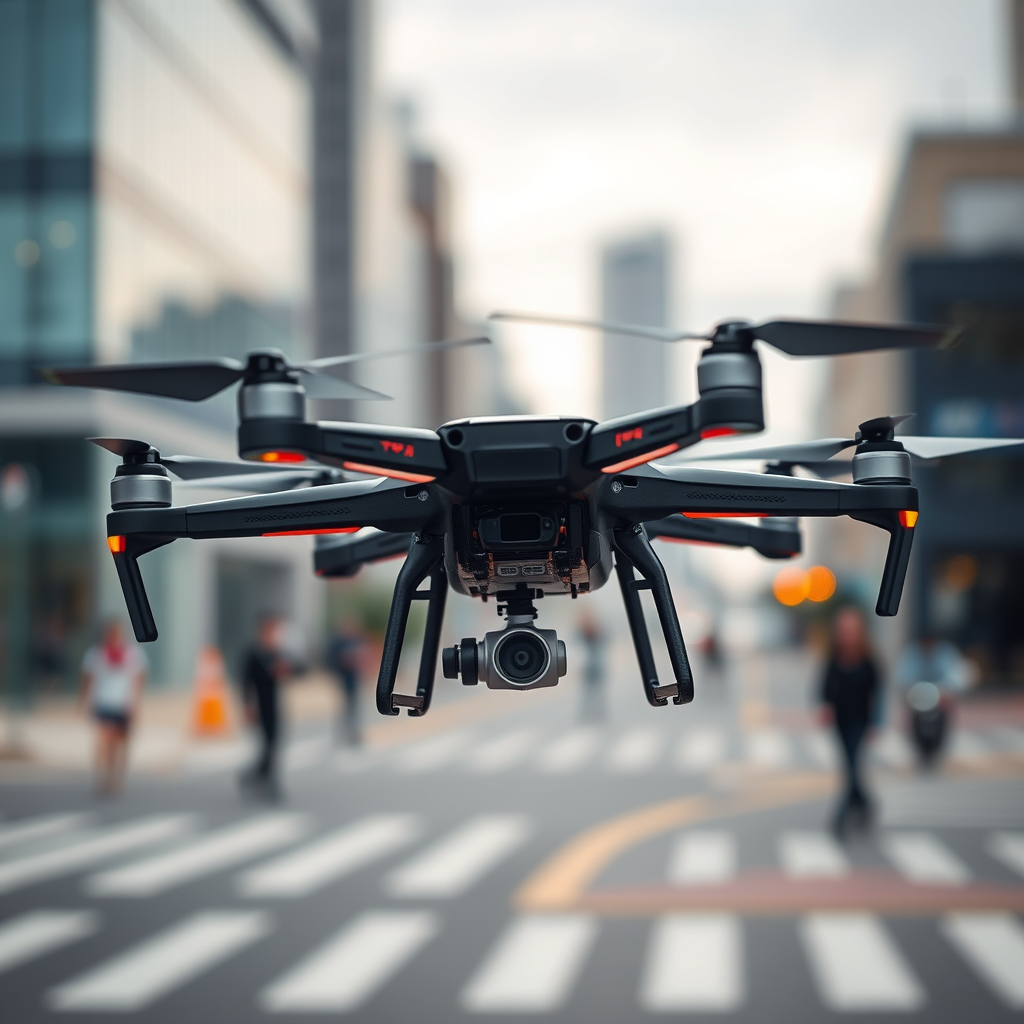
Drones play a pivotal role in the development and management of smart cities by offering real-time aerial data that is invaluable for urban planning and monitoring. Equipped with advanced sensors, drones can capture high-resolution imagery and gather vast amounts of data related to land use, environmental conditions, and infrastructure status. For instance, cities like San Francisco and Dubai have employed drones to assess building conditions and monitor urban sprawl, providing planners with critical insights for future development.
Moreover, drones assist in traffic management by collecting data on congestion, road conditions, and even pedestrian flows. This information can then be processed to optimize traffic signals and improve road safety. In cities like Los Angeles, drones are being used to monitor traffic patterns, helping city officials make informed decisions about road maintenance and traffic flow adjustments, thereby reducing congestion and enhancing overall mobility.
IoT: The Backbone of Smart City Infrastructure
The Internet of Things (IoT) serves as the backbone of smart city infrastructure, where numerous interconnected devices gather and share data from various sources. This data is instrumental in enabling intelligent decision-making and improving the efficiency of city services. For example, IoT sensors can monitor environmental conditions such as air quality and noise levels, providing city planners with the necessary information to address urban challenges.
Furthermore, IoT facilitates seamless communication between drones and city management systems, allowing for coordinated responses to various urban needs. In practice, this means that drones can relay critical information about road conditions or environmental hazards directly to city officials, who can then take immediate action. An illustrative case is the partnership between IoT platforms and drone technology in Barcelona, where data collected by drones is integrated into the city’s traffic management system to optimize flow and reduce accidents.
Enhancing Public Safety with Drones and IoT
Public safety is significantly improved through the integration of drones and IoT technology. Drones equipped with advanced sensors and cameras can monitor emergency situations such as fires, floods, or other natural disasters, providing real-time information that aids first responders in their efforts. For example, during natural disasters like hurricanes, drones have been deployed in affected areas to assess damage and locate individuals in need of assistance, enhancing rescue operations.
Moreover, IoT integration allows for immediate alerts and updates to citizens during crises. In cities like Houston, IoT systems can send out automated alerts to residents about potential dangers, while drones can provide live feeds of the situation on the ground. This dual approach not only keeps citizens informed but also enables city officials to manage responses more effectively, ensuring safety and minimizing panic during emergencies.
Applications of Drones in Urban Services
Beyond public safety, drones have a multitude of applications in urban services, significantly enhancing operational efficiency. One noteworthy application is in waste management, where drones equipped with sensors can monitor garbage levels in bins throughout the city. This data allows waste management companies to optimize collection routes and schedules, reducing operational costs and minimizing the environmental impact. For example, in the city of Liège, Belgium, drones are being tested to assess waste levels, leading to more efficient waste collection processes.
Drones also play a critical role in maintenance tasks, such as inspecting infrastructure like bridges, power lines, and pipelines. Traditional methods of inspection can be time-consuming and hazardous, but drones can conduct these assessments quickly and safely. In the case of New York City, drones have been utilized to inspect aging bridges, providing detailed reports on structural health without disrupting traffic or endangering workers.
Data Security and Privacy Concerns
However, the increasing use of drones in urban environments raises significant questions regarding data privacy and surveillance. The ability of drones to capture high-resolution images and monitor public spaces can lead to concerns about unauthorized surveillance and the potential misuse of data. For instance, instances of drones capturing images of private properties without consent have sparked debates about the ethical implications of such technology.
To address these concerns, implementing strict regulations and security measures is essential to protect citizens’ information. Cities must develop comprehensive policies governing the use of drones, ensuring that data collection is conducted transparently and ethically. Collaborative efforts between technology developers, policymakers, and civil liberties advocates are crucial in establishing a framework that balances innovation with privacy rights.
Future Trends in Drone and IoT Integration
Looking ahead, the integration of drones and IoT is poised for significant advancements, particularly with the advent of artificial intelligence (AI). Enhanced AI capabilities will not only improve drone navigation and data collection but will also facilitate deeper analysis of the data collected, leading to smarter city management solutions. For example, AI algorithms could analyze traffic patterns in real-time, allowing for dynamic adjustments to traffic signals based on current conditions.
Moreover, increased collaboration between technology companies and city planners will drive innovation in this field. As cities continue to embrace smart technologies, partnerships with private sector firms will be essential in developing and deploying these advanced systems. Cities like Singapore are already setting a precedent by fostering public-private partnerships that encourage innovation and streamline the integration of IoT and drone technologies.
The synergy between drones and IoT is creating a new era for smart cities, where technology not only improves efficiency but also enhances the quality of life for residents. By understanding the benefits and addressing the challenges, cities can harness this technology for a brighter future. Explore how your local government is implementing these technologies and consider advocating for further integration in your community. Embracing this technological evolution will not only lead to smarter urban environments but also foster sustainable growth and improved public welfare.
Frequently Asked Questions
How are drones being used in smart cities to improve urban management?
Drones are revolutionizing urban management in smart cities by providing real-time data collection and monitoring. They can be deployed for various applications such as traffic management, infrastructure inspection, and environmental monitoring. Equipped with IoT sensors, drones gather valuable data that can be integrated into city management systems, allowing officials to make informed decisions and enhance city services effectively.
What are the benefits of integrating drones with IoT technologies in smart cities?
The integration of drones with IoT technologies offers numerous benefits for smart cities, including enhanced data accuracy, cost efficiency, and improved response times. Drones equipped with IoT sensors can collect and transmit real-time data on traffic patterns, pollution levels, and even emergency situations, leading to a more proactive approach in urban planning and crisis management. This synergy ultimately promotes sustainability and enhances the quality of life for residents.
Why is the collaboration between drones and IoT crucial for smart city development?
The collaboration between drones and IoT is crucial for smart city development because it enables a smarter, data-driven approach to urban living. As cities grow and become more complex, traditional methods of data collection can be insufficient. Drones can cover large areas quickly and efficiently, providing a wealth of data that IoT systems can analyze to optimize resources, improve public services, and facilitate better governance.
Which industries benefit the most from drone integration in smart cities?
Several industries benefit significantly from drone integration in smart cities, including transportation, agriculture, public safety, and environmental management. For example, transportation authorities use drones to monitor traffic flow and optimize signal timings, while agricultural sectors leverage drone data for crop monitoring and precision farming. Public safety agencies utilize drones for surveillance and emergency response, showcasing the versatility and impact of drone technology across various fields.
How can cities ensure the safe operation of drones in urban environments?
To ensure the safe operation of drones in urban environments, cities can implement comprehensive regulatory frameworks that include designated flight paths, no-fly zones, and strict privacy policies. Collaborating with aviation authorities and employing advanced drone traffic management systems can also enhance safety. Furthermore, public awareness campaigns and community engagement are essential to educate residents about drone operations, thereby fostering a culture of safety and responsibility in urban airspace.
References
- https://en.wikipedia.org/wiki/Drone
- https://www.nist.gov/news-events/news/2020/01/using-drones-iot-technology-smart-cities
- https://www.sciencedirect.com/science/article/pii/S2351978919311768
- https://www.mdpi.com/2504-446X/4/1/12
- https://www.itu.int/en/ITU-T/focusgroups/IoT/Pages/default.aspx
- https://www.bbc.com/news/technology-50007762
- https://www.researchgate.net/publication/335723313_The_Role_of_Drones_in_Smart_Cities
- Commercial Space Operations Noise and Sonic Boom Modeling and Analysis | The National Academies P…
