

Drones are increasingly using blockchain technology to enhance the security and integrity of their flight logs. This innovative integration ensures that flight data is tamper-proof, transparent, and easily accessible, providing peace of mind for both operators and regulatory bodies. By combining these cutting-edge technologies, the drone industry is not only improving operational efficiency but also setting new standards for safety and accountability. In this article, we’ll explore how this combination of technologies is revolutionizing drone operations and enhancing safety standards.
Understanding Blockchain Technology

Blockchain is a decentralized ledger that records transactions securely and transparently. Unlike traditional databases, which are maintained by a single entity, blockchain operates on a network of independent nodes that validate and record transactions concurrently. Each block in the chain contains a unique cryptographic hash of the previous block, along with a timestamp and transaction data, making it virtually impossible to alter past records. This immutability is a key feature that enhances data integrity, as it ensures that once information is recorded, it cannot be modified without detection. In the context of drones, this means that flight logs can be securely documented, providing a reliable source of truth that can be audited and verified by multiple stakeholders.
The Importance of Secure Flight Logs
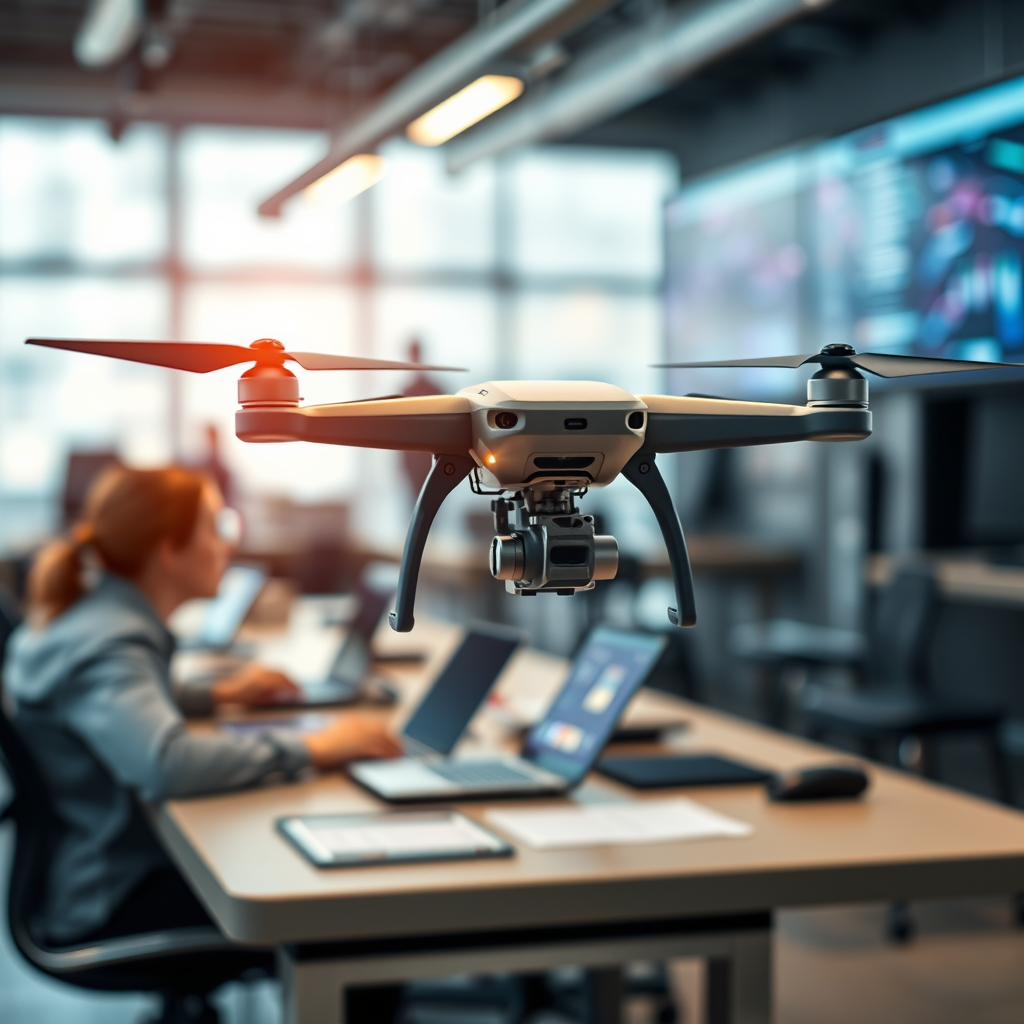
Flight logs are essential for tracking drone operations, compliance, and safety. They serve as a historical account of a drone’s flights, detailing critical information such as flight duration, altitude, and operational adherence to regulatory guidelines. Secure logs help prevent data tampering and unauthorized access, which can lead to safety risks. For instance, if a flight log is altered to conceal a violation, it can pose significant dangers not only to the drone itself but also to people and property in the vicinity. By securing flight logs with blockchain technology, operators can ensure that all recorded data is accurate and trustworthy, thereby fostering a culture of accountability and compliance within the industry.
How Drones Utilize Blockchain
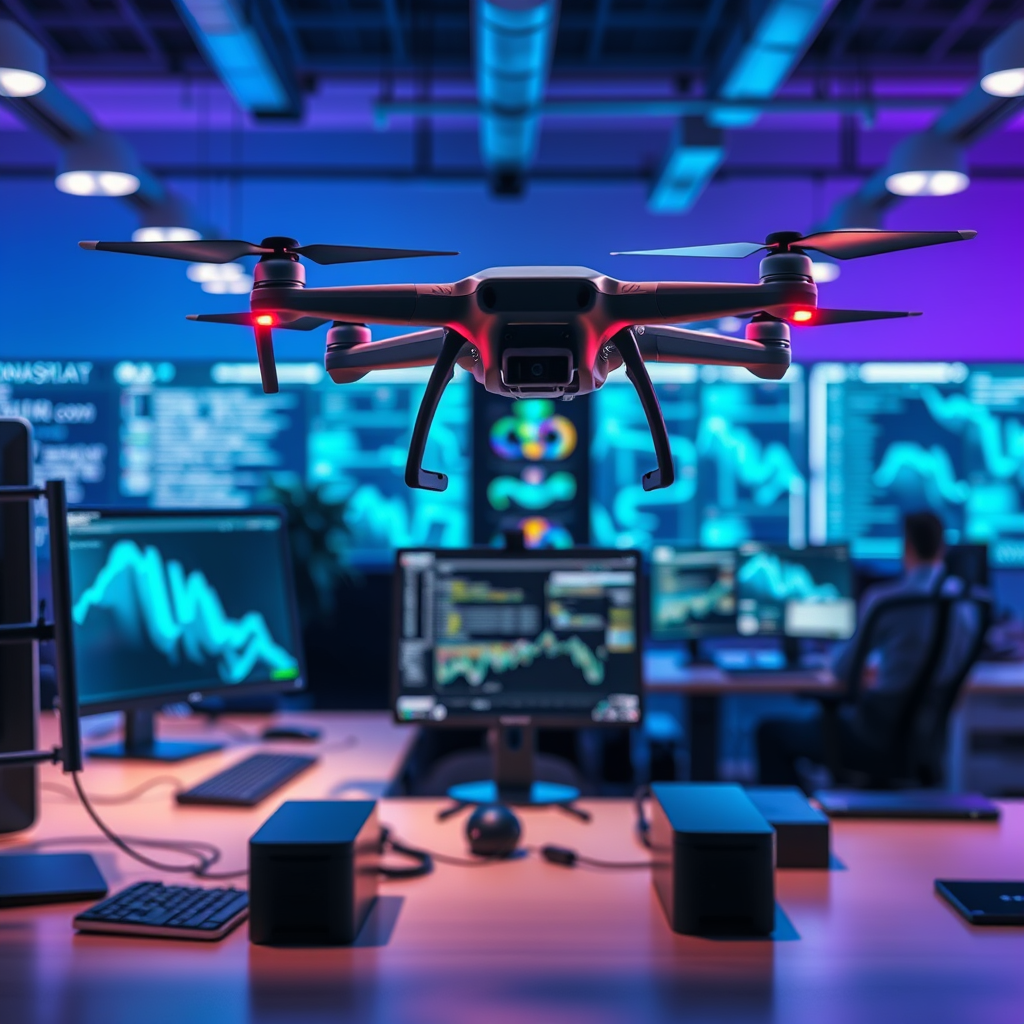
Drones can automatically log flight data onto the blockchain during their operations. Each flight log entry includes details like location, flight time, altitude, and operator information, ensuring comprehensive tracking. This automation minimizes human error and enhances the accuracy of the logged data. Additionally, using smart contracts—self-executing contracts with the terms of the agreement directly written into code—drones can trigger specific actions based on logged data. For example, if a drone exceeds a predefined altitude, a smart contract can automatically notify regulatory authorities or initiate a safety protocol. The seamless integration of flight data with blockchain not only enhances operational transparency but also simplifies compliance with aviation regulations.
Benefits of Blockchain for Drone Flight Logs
The integration of blockchain technology into drone flight logs yields numerous benefits. First and foremost, it increases accountability and traceability of drone operations. Each flight record is securely timestamped and linked to the operator, creating an unalterable history that can be reviewed by regulatory bodies, insurers, and stakeholders. This transparency enhances trust among stakeholders, including regulatory authorities and the public. Furthermore, in the event of an incident or accident, the immutable flight logs can provide critical information for investigations, ensuring that responsible parties can be identified and held accountable. Additionally, the use of blockchain can streamline the process of data sharing across various platforms, facilitating collaboration among stakeholders and improving overall operational efficiency.
Real-World Applications and Case Studies
Several companies are already implementing blockchain solutions for their drone operations. For example, companies like SkyGrid, a joint venture between Boeing and SparkCognition, are using blockchain to ensure secure data exchange and flight logs for their unmanned aerial vehicles (UAVs). Their platform not only logs flight data but also integrates with air traffic management systems, allowing for real-time updates on drone operations and compliance. Another notable case is the use of blockchain by the Swiss Post, which has successfully piloted a drone delivery service that utilizes blockchain for verifying delivery records and enhancing customer trust. These case studies highlight successful integrations that have resulted in improved safety, operational efficiency, and compliance with regulatory standards.
Challenges and Limitations
Despite the promising advantages, integrating blockchain with existing drone systems is not without its challenges. One significant technical challenge is ensuring interoperability between various blockchain platforms and drone systems. As the drone industry is still developing, a lack of standardized protocols can lead to fragmentation and inefficiencies. Additionally, there are potential regulatory hurdles, as the aviation industry is heavily regulated and any new technology must undergo rigorous scrutiny before implementation. Furthermore, the need for standardization in data handling and sharing across different stakeholders remains a significant barrier. Addressing these challenges requires collaboration among industry players, regulators, and technology providers to create a cohesive ecosystem that supports the successful integration of blockchain in drone operations.
Future of Drones and Blockchain
The relationship between drones and blockchain is poised for significant evolution in the coming years. As regulatory frameworks continue to adapt to the growing use of drones, we can expect to see more widespread adoption of blockchain solutions to enhance operational safety and compliance. Innovations such as decentralized autonomous organizations (DAOs) may emerge, allowing drone operators to collectively manage flight operations and decision-making through blockchain. Additionally, advancements in artificial intelligence and machine learning could further optimize the data captured by drones, making blockchain-based flight logs even more valuable. The potential impacts on the drone industry include increased efficiency, enhanced safety standards, and the establishment of a robust framework for public trust in drone operations.
Summarizing the key insights, blockchain technology is revolutionizing the way drones manage their flight logs by providing a secure, transparent, and tamper-proof system. This integration enhances accountability and trust among stakeholders, while also addressing critical safety and compliance issues. As this technology continues to develop, it promises to enhance safety and accountability in the drone industry. For those interested in leveraging this technology, staying informed and considering integration options will be crucial in the coming years.
Frequently Asked Questions
What are the benefits of using blockchain technology for drone flight logs?
Utilizing blockchain technology for drone flight logs offers several advantages, including enhanced security, transparency, and tamper-resistance. Blockchain creates an immutable record of all flight data, which means that once flight logs are entered, they cannot be altered or deleted. This level of security helps to build trust among stakeholders, such as regulatory bodies, insurers, and users, ensuring that flight operations are compliant with aviation regulations and promoting accountability in drone usage.
How does blockchain improve the traceability of drone operations?
Blockchain enhances the traceability of drone operations by creating a decentralized ledger that records every flight in real-time. Each flight log entry is time-stamped and linked to the drone’s unique identifier, making it easy to track the drone’s history and operational patterns. This level of traceability is crucial for incident investigations, regulatory compliance, and maintaining a record of maintenance, which can be vital for safety assessments and insurance claims.
Why is data integrity important for drone flight logs?
Data integrity is critical for drone flight logs because it ensures that the information recorded, such as flight paths, altitudes, and timestamps, is accurate and trustworthy. Inaccurate flight logs can lead to safety concerns, regulatory penalties, and loss of credibility for drone operators. By leveraging blockchain technology, drone operators can guarantee that their flight data remains unaltered, thus protecting their operations and enhancing compliance with aviation regulations.
Which industries are most likely to benefit from blockchain-enabled drone flight logs?
Several industries stand to gain from blockchain-enabled drone flight logs, including agriculture, logistics, and construction. In agriculture, farmers can use drones for crop monitoring and ensure that flight logs are securely documented for compliance with environmental regulations. In logistics, companies can track deliveries and ensure accountability throughout the supply chain. The construction industry can benefit from accurate monitoring of drone surveys and inspections, enhancing project management and safety protocols.
What challenges do drones face when integrating blockchain technology for flight logs?
Drones face several challenges when integrating blockchain technology for flight logs, including limited processing power, data storage constraints, and regulatory hurdles. Many drones are designed for lightweight operations and may not have the computational capabilities to handle complex blockchain processes. Additionally, the integration must comply with aviation regulations and standards, which can vary significantly across regions, making it essential for developers to create solutions that are both efficient and compliant.
References
- https://www.wired.com/story/blockchain-drones-flight-logs/
- https://www.forbes.com/sites/bernardmarr/2021/03/15/how-drones-are-using-blockchain-technology/
- https://www.reuters.com/article/us-technology-drones-blockchain-idUSKBN2A10YP
- https://www.sciencedirect.com/science/article/abs/pii/S1350035519307091
- https://www.nist.gov/news-events/news/2019/10/blockchain-drones-keeping-their-logs-secure
