
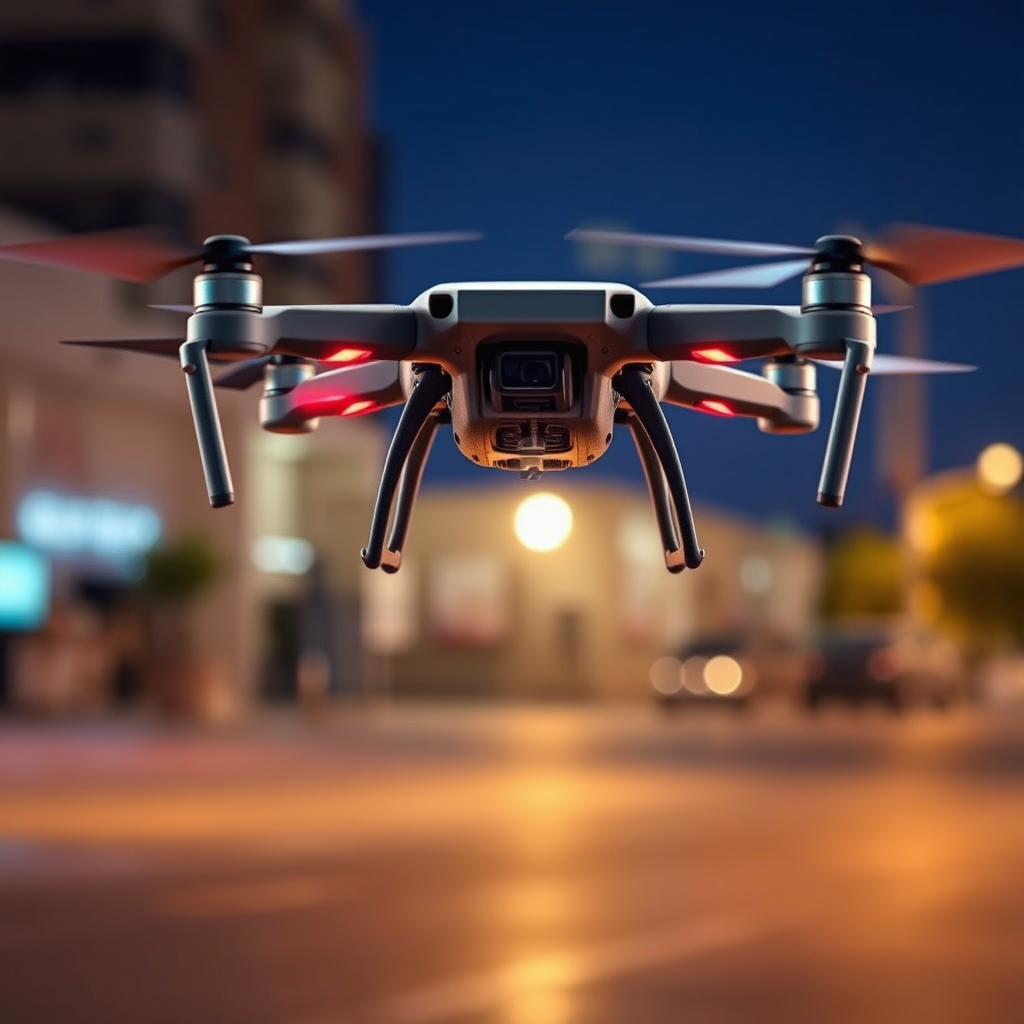
Drones are transforming law enforcement by enhancing operational capabilities and providing innovative solutions to various challenges faced by police departments. These unmanned aerial vehicles (UAVs) not only improve surveillance and response times but also facilitate evidence collection and community engagement, making them invaluable tools in modern policing.
Enhanced Surveillance Capabilities
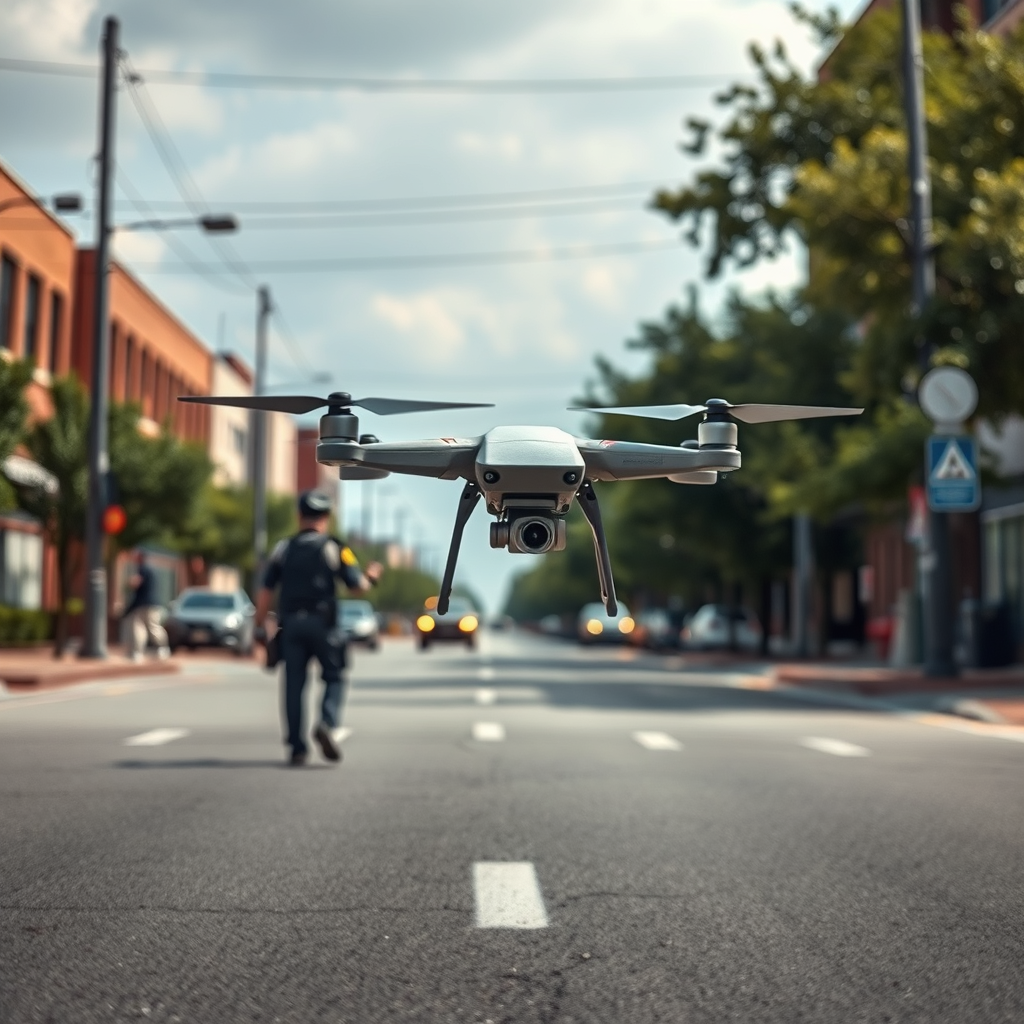
Drones can cover large areas quickly, providing real-time aerial footage that is essential for effective law enforcement. Unlike traditional surveillance methods, which may require significant manpower and time, drones can rapidly survey extensive urban or rural landscapes, allowing officers to gather critical information on potential incidents or ongoing investigations. For example, during crowd control situations at large public events, drones can monitor the crowd dynamics from above, enabling law enforcement to respond proactively to emerging issues.
Equipped with advanced cameras and sensors, drones can capture high-resolution images and videos, which are essential for crime scene documentation. These images can be invaluable in investigations, providing detailed visual records that help reconstruct events leading up to incidents. Moreover, the ability to capture footage in both day and night conditions through thermal imaging or low-light cameras enhances the effectiveness of surveillance operations, ensuring that law enforcement can monitor activities at any time of day.
Improved Response Times
In emergency situations, every second counts, and drones can be deployed rapidly to provide immediate situational awareness. When a 911 call is received, a drone can be launched within minutes, giving first responders a real-time view of the scene. This capability is particularly beneficial in scenarios such as active shooter incidents or natural disasters, where understanding the dynamics of the situation can significantly influence response strategies.
Drones have the unique ability to navigate difficult terrains or crowded areas where traditional vehicles might struggle. In urban environments, for instance, traffic congestion can delay response times. Drones bypass these challenges by flying directly to the scene, allowing law enforcement to assess situations from above and determine the most effective approach to ground intervention.
Cost-Effective Solutions
Utilizing drones can significantly lower operational costs compared to manned aircraft, which are often expensive to operate and maintain. Drones require less fuel and have lower maintenance costs, making them a more economical option for law enforcement agencies looking to optimize their budgets. For example, a police department that invests in a fleet of drones can allocate savings from reduced operational costs to other critical areas, such as community programs or officer training.
Additionally, the deployment of drones for routine surveillance or monitoring can reduce the need for extensive manpower, allowing law enforcement agencies to maximize their resources. This cost-effectiveness is particularly important for smaller departments that may operate with limited budgets but still seek advanced technology to enhance their operational capabilities.
Evidence Collection and Crime Scene Analysis
Drones can gather crucial evidence from a bird’s-eye view during investigations, which is particularly useful in complex cases where traditional methods may fall short. The ability to capture detailed aerial imagery allows law enforcement to analyze crime scenes comprehensively, ensuring that no critical evidence is overlooked. For instance, in accident reconstruction, drones can create 3D models of the scene, providing investigators with a clearer understanding of the factors involved in the incident.
Moreover, drones can assist in documenting evidence in a systematic manner, ensuring that all aspects of a crime scene are recorded from multiple angles. This level of detail enhances the accuracy of reports and can be pivotal in court proceedings, helping to build a stronger case against suspects.
Search and Rescue Operations
In search and rescue operations, drones are instrumental in locating missing persons or assessing damage during natural disasters. Their ability to scan wide areas in a short amount of time increases the chances of finding individuals quickly, saving lives in critical situations. For example, during a search for a missing hiker in a remote area, drones can cover vast terrains that would take ground teams much longer to search.
Additionally, drones equipped with thermal imaging technology can detect body heat even in challenging conditions such as dense forests or during nighttime searches. This capability dramatically enhances the effectiveness of search efforts, allowing rescue teams to pinpoint locations that may otherwise be difficult to access.
Community Engagement and Transparency
Drones can be utilized in community policing initiatives, helping to foster trust and transparency between law enforcement and the communities they serve. By involving the community in the use of drone technology, police departments can demonstrate their commitment to accountability and open communication. For instance, sharing drone footage from routine patrols or public events can provide valuable insights into police operations, promoting a positive relationship with citizens.
Community engagement can also involve educational programs where law enforcement demonstrates how drones are used for public safety. Such initiatives can help demystify the technology, alleviating concerns regarding surveillance and privacy while highlighting the benefits of drone deployment in enhancing community safety.
Legal and Ethical Considerations
While the benefits of drone usage in law enforcement are significant, agencies must navigate various legal and ethical considerations surrounding their deployment. Privacy laws and regulations regarding drone usage can vary significantly across jurisdictions. Law enforcement agencies must ensure compliance with these laws to avoid infringing on citizens’ rights. For instance, some regions may require warrants for drone surveillance, particularly in private spaces.
Ethical considerations surrounding surveillance and data collection are crucial for maintaining public trust. Police departments must develop clear policies regarding the use of drones, including data retention and sharing practices. Engaging with community members to address their concerns and incorporating their feedback into drone policies can help build trust and acceptance of this technology.
In conclusion, drones are proving to be invaluable tools for law enforcement, providing enhanced capabilities in surveillance, emergency response, and community engagement. They offer cost-effective solutions that can optimize departmental budgets while ensuring public safety. However, as technology continues to evolve, it is essential for police departments to embrace these innovations while addressing the associated legal and ethical challenges. By doing so, law enforcement can leverage drones to improve their operations and foster a stronger relationship with the communities they serve.
Frequently Asked Questions
How can drones improve search and rescue operations for law enforcement?
Drones significantly enhance search and rescue operations by providing real-time aerial footage, which allows law enforcement to quickly assess large areas that may be difficult or dangerous to navigate on foot. Equipped with thermal imaging cameras, drones can locate missing persons in challenging terrains, such as forests or mountains, even at night. This technology enables faster response times and better resource allocation, ultimately saving lives during critical situations.
What are the advantages of using drones for traffic monitoring and accident response?
Drones offer multiple advantages for traffic monitoring, including the ability to quickly gather high-resolution images and videos of traffic conditions without obstructing roadways. They can be deployed immediately to the scene of an accident, providing real-time data to law enforcement about the severity of the situation, which helps in dispatching the right resources. Additionally, drones can monitor traffic flow and detect violations, contributing to enhanced public safety and efficient traffic management.
Why are drones becoming essential tools for crime scene investigations?
Drones are becoming essential in crime scene investigations due to their ability to capture detailed aerial imagery and 3D mapping of the scene, which traditional methods may not achieve as effectively. This technology allows investigators to document evidence from various angles and perspectives, ensuring nothing is overlooked. Furthermore, drone footage can serve as vital evidence in court, making investigations more thorough and accurate.
Which types of drones are best suited for law enforcement applications?
The best drones for law enforcement applications typically include multi-rotor drones for their stability and maneuverability, as well as fixed-wing models for longer flight times and extended coverage areas. Features such as high-resolution cameras, thermal imaging, and GPS capabilities are crucial for various tasks, including surveillance, search and rescue, and tactical operations. Popular models include the DJI Matrice series and the Parrot Anafi, both favored for their reliability and advanced capabilities.
How can law enforcement agencies ensure ethical use of drones in policing?
To ensure the ethical use of drones in policing, law enforcement agencies should establish clear policies and guidelines that govern drone operations, focusing on privacy concerns and public safety. Training officers on drone usage, data collection, and privacy laws is essential to maintain transparency and accountability. Engaging with community stakeholders through public forums can also help build trust, allowing citizens to express their concerns and understand how drones are being used for public safety purposes.
References
- https://en.wikipedia.org/wiki/Drone_usage_in_law_enforcement
- https://www.faa.gov/uas/resources/publications/media/UAS_Law_Enforcement_Guide.pdf
- https://www.ncjrs.gov/pdffiles1/nij/221049.pdf
- https://www.bbc.com/news/world-us-canada-42118961
- https://www.theguardian.com/us-news/2020/jun/02/police-drones-protests-george-floyd
- https://www.rand.org/pubs/research_reports/RR2181.html
- https://www.nap.edu/catalog/25152/drones-in-law-enforcement
- https://www.cnn.com/2020/06/03/us/police-drones-george-floyd-protests/index.html
