
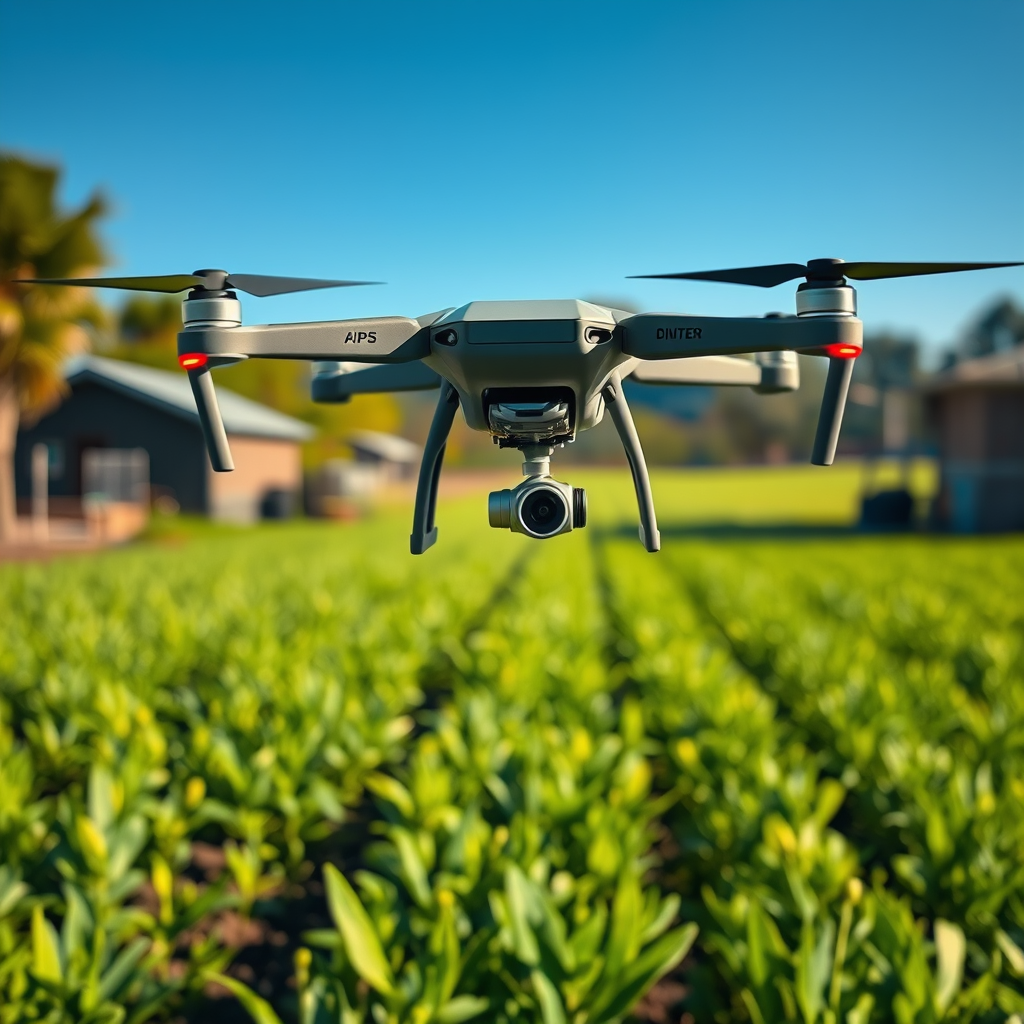
Drones are transforming agriculture by providing farmers with advanced tools for crop monitoring, resource optimization, and yield enhancement. These unmanned aerial vehicles (UAVs) facilitate more efficient farming practices, allowing for data-driven decision-making that can lead to improved productivity and sustainability.
Benefits of Drones in Agriculture
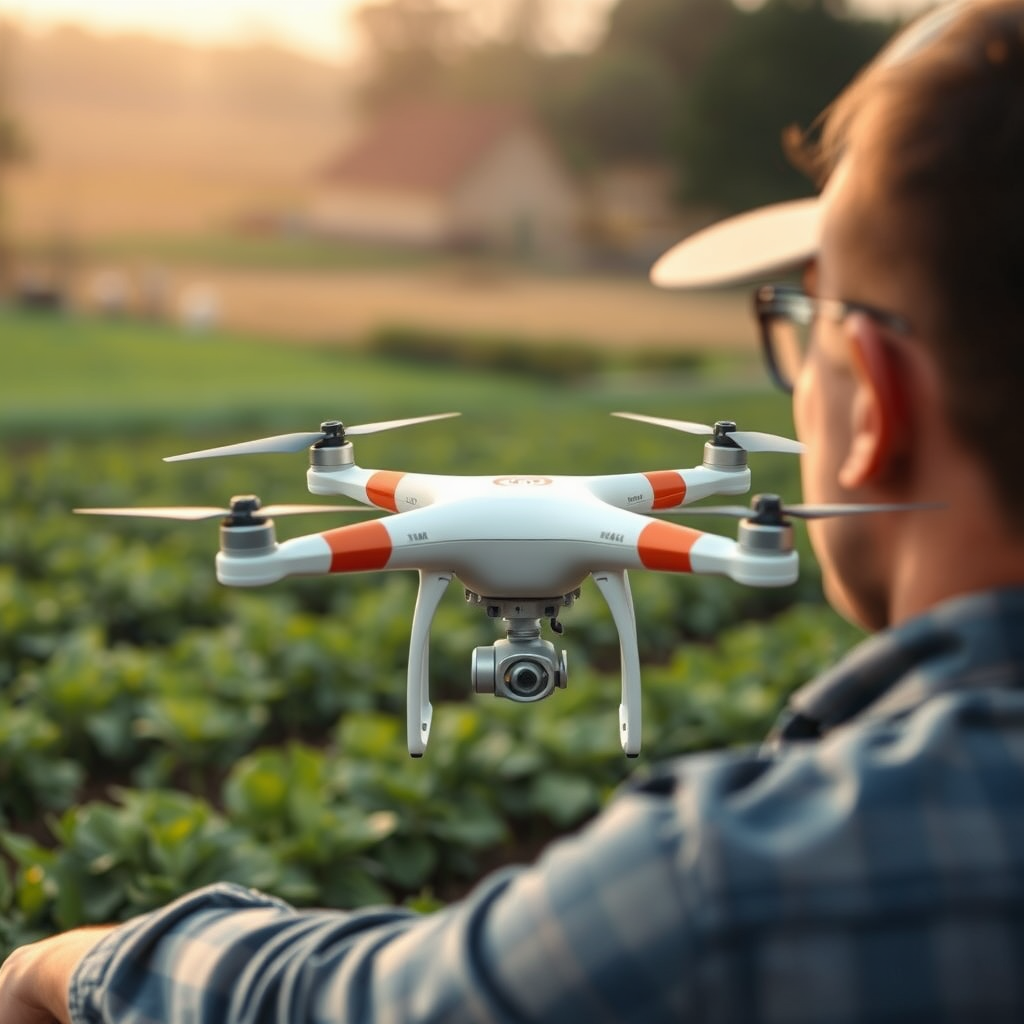
One of the most significant benefits of drones in agriculture is enhanced crop monitoring through real-time aerial imagery. Drones equipped with high-resolution cameras and multispectral sensors can capture detailed images of crop fields, enabling farmers to assess plant health and identify issues such as pest infestations or nutrient deficiencies. This real-time data allows for timely interventions, which can prevent crop loss and maximize yield.
Moreover, drones increase efficiency in resource management, particularly in the application of water and fertilizers. Traditional farming methods often lead to over-application or uneven distribution of these critical resources. Drones can optimize the application process by using precise mapping technology that identifies the exact needs of different areas within a field. This targeted approach not only conserves resources but also reduces costs and minimizes environmental impact.
Precision Agriculture and Drones
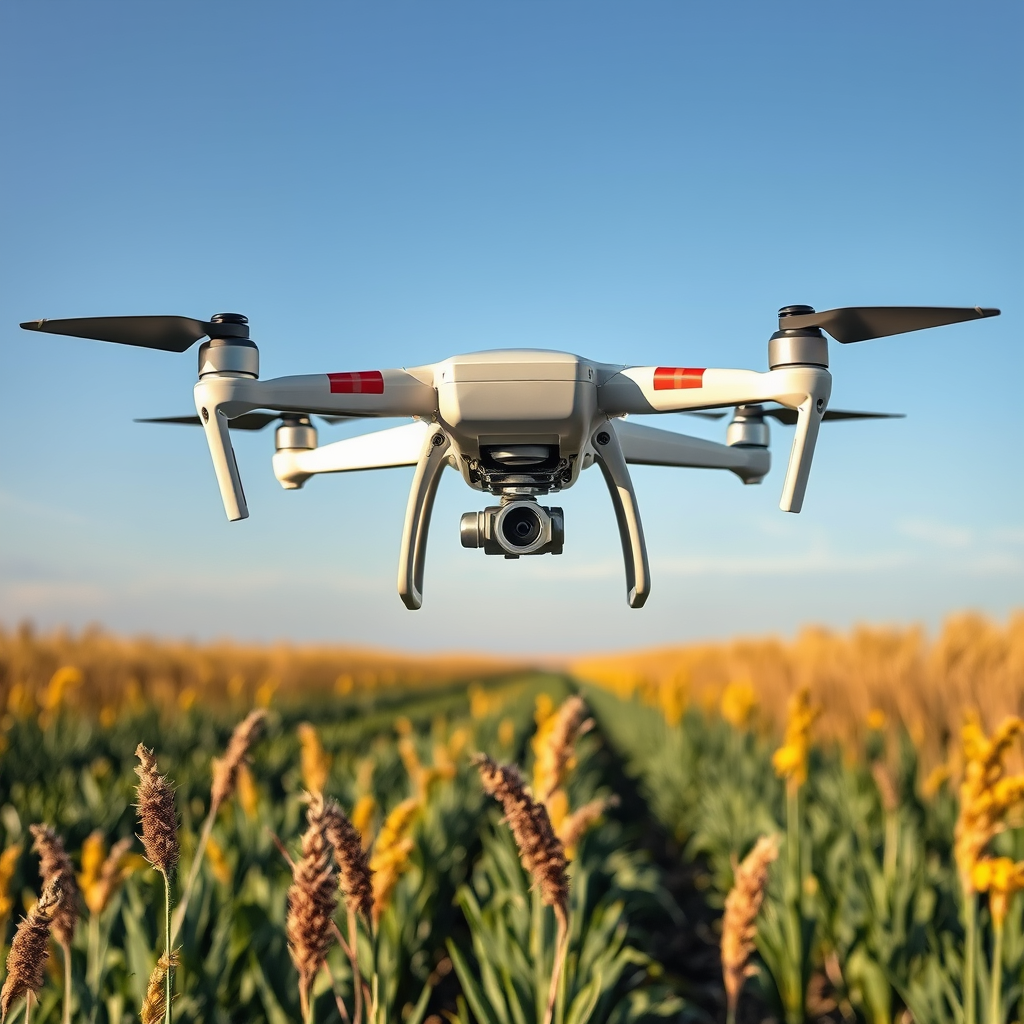
Drones play a pivotal role in precision agriculture by facilitating precise mapping and surveying of farmland. Utilizing GPS technology, drones can create detailed topographical maps that highlight variations in soil composition and moisture levels. This data is invaluable for farmers looking to implement site-specific management practices. For instance, understanding the variability in soil health can inform decisions regarding crop selection and nutrient management strategies.
Additionally, drones are instrumental in data collection for soil health analysis and crop health assessments. Advanced sensors onboard drones can measure plant stress levels, chlorophyll content, and other indicators that reflect the health of crops. By using this data, farmers can make informed decisions on irrigation schedules, fertilizer applications, and pest control measures, leading to improved crop management.
Crop Spraying and Drones
Automated spraying of pesticides and fertilizers is another innovative application of drones in agriculture. Drones can precisely apply these chemicals to targeted areas, reducing waste and ensuring that only affected plants receive treatment. This targeted application not only enhances the effectiveness of pest and disease control efforts but also minimizes the risk of chemical runoff into surrounding ecosystems.
The reduction in chemical usage due to drone technology also leads to lower costs for farmers and less environmental impact. For example, studies have shown that drones can reduce pesticide use by up to 90% compared to traditional methods, thereby promoting sustainable farming practices. This efficiency is particularly beneficial for organic farmers who are limited in their use of synthetic chemicals.
Livestock Management with Drones
In addition to crop management, drones are proving to be valuable tools for livestock management. By providing an aerial view of pastures, drones can monitor livestock health and well-being from above. Farmers can quickly identify any animals that appear to be injured or in distress, allowing for prompt veterinary care.
Moreover, drones facilitate efficient tracking and movement management of herds across large areas. With the ability to cover vast expanses of land quickly, farmers can use drones to guide livestock to different grazing areas, ensuring that they have access to fresh pasture while also preventing overgrazing in any one location. This capability not only improves livestock health but also promotes sustainable grazing practices.
Disaster Management and Drones
Drones are also instrumental in disaster management within agriculture. They can provide early detection of crop diseases and pest infestations, enabling farmers to take proactive measures before significant damage occurs. For instance, drones equipped with thermal imaging can detect changes in plant temperature that may indicate disease or water stress, allowing farmers to address these issues before they escalate.
Furthermore, drones can play a crucial role in responding to natural disasters affecting farmland. In the aftermath of events such as floods or hurricanes, drones can quickly assess damage to crops and infrastructure, providing farmers with the information they need to make critical recovery decisions. This rapid assessment can mean the difference between a timely recovery and a prolonged period of loss.
Regulatory Considerations for Drone Use
As the use of drones in agriculture becomes more widespread, understanding regulatory considerations is essential. Farmers must be aware of Federal Aviation Administration (FAA) regulations governing drone operations, including restrictions on flight altitude, no-fly zones, and requirements for registering drones. Compliance with these regulations not only ensures legal operation but also promotes safety within the airspace.
Additionally, obtaining pilot certification is crucial for those operating agricultural drones. Certification not only demonstrates a level of knowledge and skill but also ensures that operators are familiar with operational guidelines that can enhance safety and effectiveness. As drone technology evolves, staying abreast of regulatory changes will be vital for farmers looking to integrate drones into their operations.
Future Trends in Agricultural Drones
The future of agricultural drones is poised for significant advancements, with emerging technologies such as artificial intelligence (AI) set to enhance data analysis capabilities. AI can process the vast amounts of data collected by drones, providing farmers with actionable insights that can improve decision-making and optimize farming practices.
Moreover, there is potential for increased adoption of drones among both small and large-scale farmers. As drone technology becomes more affordable and accessible, a wider range of agricultural producers can benefit from its advantages. This democratization of technology is likely to lead to more efficient farming practices across the board, ultimately contributing to greater food security.
The use of drones in agriculture is revolutionizing traditional farming methods, making them more efficient and sustainable. By integrating drones into their practices, farmers can enhance crop monitoring, optimize resource management, and improve overall yields. As technology continues to advance, the potential for drones to transform agriculture is immense, offering innovative solutions that can help farmers meet the challenges of a growing global population. Embracing this technology is not just a competitive advantage; it is a step toward a more sustainable and productive future in farming.
Frequently Asked Questions
How can drones improve crop monitoring in agriculture?
Drones can significantly enhance crop monitoring by providing real-time aerial imagery and data analytics. Equipped with multispectral or thermal cameras, these drones can assess plant health, detect nutrient deficiencies, and identify pest infestations. This technology allows farmers to make informed decisions about irrigation and fertilization, ultimately leading to improved yield and reduced resource waste.
What are the benefits of using drones for precision agriculture?
The benefits of using drones in precision agriculture include increased efficiency, cost savings, and enhanced data collection. Drones can cover large areas quickly, offering detailed insights into crop conditions without the need for extensive manual labor. This precision approach helps optimize inputs like water and fertilizers, reduces environmental impact, and maximizes crop productivity.
Why should farmers consider using drones for field mapping?
Farmers should consider using drones for field mapping because it allows for accurate and detailed topographical surveys of their land. Drones can create high-resolution maps that assist in identifying variations in field conditions, water drainage patterns, and soil types. This information is critical for effective land management and planning, enabling farmers to make strategic decisions that improve overall farm operations.
Which types of drones are best suited for agricultural applications?
The best types of drones for agricultural applications include fixed-wing drones for large area mapping and multirotor drones for detailed field inspections. Fixed-wing drones are efficient for covering vast distances, while multirotors are versatile and can hover for close-up imaging. When selecting a drone, consider factors such as payload capacity for sensors, flight time, and software compatibility for data analysis.
How can drones assist in the irrigation process of crops?
Drones can assist in the irrigation process by using thermal imaging to assess moisture levels in the soil and crop canopies. This technology enables farmers to identify areas that require more irrigation or those that are overwatered, allowing for precise water application. By optimizing irrigation practices through drone data, farmers can conserve water resources and promote healthier crop growth.
References
- https://en.wikipedia.org/wiki/Drone#Agricultural_applications
- https://www.usda.gov/topics/farming/agricultural-drones
- https://www.nature.com/articles/s41598-020-67140-6
- https://www.sciencedirect.com/science/article/pii/S0168169921000525
- https://www.abc.net.au/news/2021-05-03/drones-in-agriculture/100105164
- https://www.agriculture.com/news/technology/the-role-of-drones-in-agriculture
- https://www.mdpi.com/2073-4395/9/3/145
- https://www.fao.org/fao-stories/article/en/c/1320151/
