
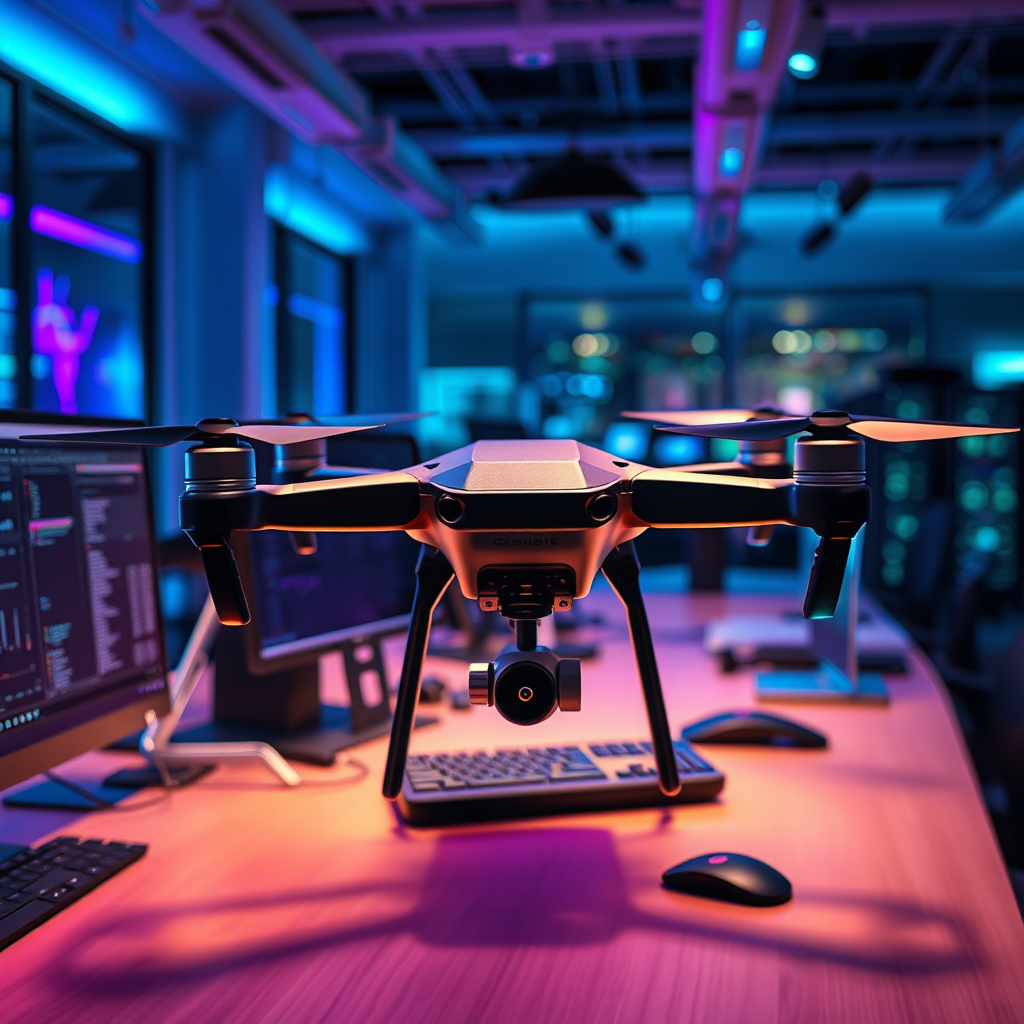
Drones are set to transform numerous industries, providing innovative solutions that enhance operational efficiency and effectiveness. Their applications span a wide range of fields, from precision agriculture to emergency response and beyond. As technology continues to evolve, the potential for drones to solve complex challenges and streamline processes is virtually limitless.
The Role of Drones in Agriculture
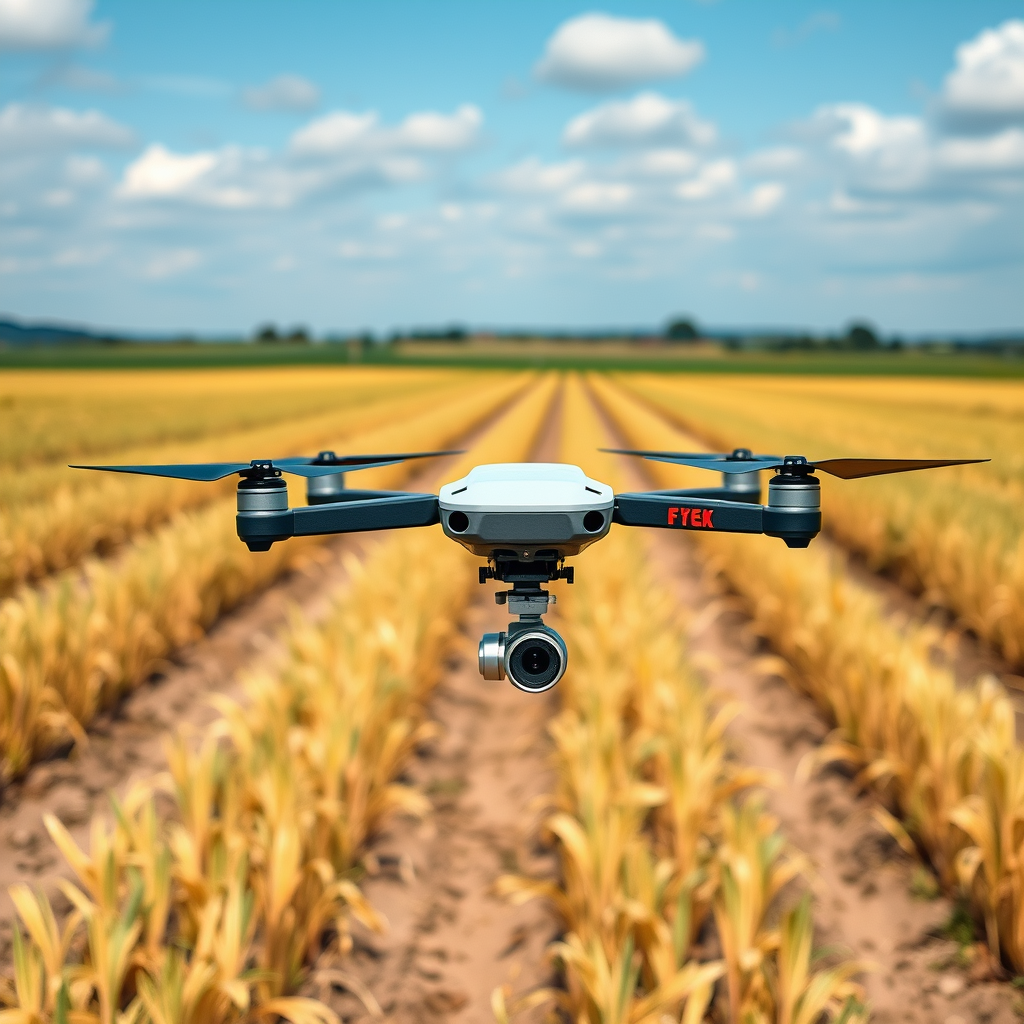
Drones are revolutionizing agriculture through precision farming techniques that monitor crop health and optimize resource usage. Equipped with advanced sensors and imaging technology, drones can capture high-resolution aerial images, allowing farmers to assess the conditions of their fields accurately. For instance, multispectral imaging can help identify areas of crops that are under stress due to pests, diseases, or nutrient deficiencies. By targeting these issues promptly, farmers can apply fertilizers or pesticides more efficiently, reducing waste and environmental impact.
Additionally, drones facilitate data collection, providing real-time insights that enable better decision-making. By analyzing data gathered from drone flights, farmers can track changes over time, assess crop yields, and implement more effective planting strategies. This level of data-driven decision-making not only enhances productivity but also promotes sustainable practices that are increasingly vital in today’s agricultural landscape.
Drones in Delivery Services
The application of drones in delivery services marks a significant shift in logistics and customer service. One of the most promising areas is last-mile delivery, where drones can transport packages swiftly to remote or hard-to-reach locations. Companies like Amazon and Google have already begun experimenting with drone delivery systems to meet the growing demand for faster shipping solutions. By circumventing traffic and geographical barriers, drones can deliver packages in a fraction of the time required by traditional delivery methods.
Moreover, the use of drones can drastically reduce delivery times, enhancing customer satisfaction and operational efficiency. Studies have shown that drones can complete deliveries within 30 minutes of an order being placed, which is a stark contrast to the hours or even days required by conventional delivery services. This rapid turnaround not only benefits consumers but also allows businesses to optimize their supply chains, reducing overhead costs and improving overall service levels.
Emergency Response and Disaster Relief
Drones have shown tremendous potential in emergency response and disaster relief efforts. Their ability to quickly survey affected areas makes them invaluable for search and rescue operations. For example, during natural disasters such as hurricanes or earthquakes, drones can be deployed to locate missing persons or assess the extent of damage without endangering human rescuers. Equipped with thermal imaging technology, drones can detect heat signatures, making it easier to find individuals trapped under debris or in remote locations.
In addition to search and rescue, drones also play a crucial role in damage assessment. They provide aerial imagery that enables first responders and disaster management teams to evaluate the impact of disasters rapidly. This information is essential for prioritizing response efforts and allocating resources effectively. By integrating drone technology into emergency protocols, agencies can enhance their overall preparedness and response capabilities.
Environmental Monitoring and Conservation
The application of drones in environmental monitoring and conservation efforts is both innovative and impactful. Drones can be used for wildlife tracking, allowing researchers to monitor animal populations and their habitats without disturbing them. For instance, conservationists can employ drones to gather data on endangered species or assess the health of ecosystems, providing insights that are critical for effective conservation strategies.
Furthermore, drones are instrumental in climate change research by helping scientists collect data on environmental changes and ecosystem health. They can monitor deforestation rates, track glacial melting, and assess the impacts of climate change on various habitats. With this data, researchers can develop more targeted conservation efforts and advocate for policies that address pressing environmental challenges.
Drones in Infrastructure Inspection
Drones are becoming essential tools for infrastructure inspection, offering a safe and efficient way to assess the condition of critical assets. With the ability to fly at various altitudes and angles, drones can inspect bridges, towers, and pipelines for maintenance needs without the risks associated with manual inspections. For example, they can detect structural defects, corrosion, or wear and tear in hard-to-reach areas, ensuring that infrastructure remains safe and operational.
Moreover, using drones for inspections is cost-effective, as it significantly reduces the time and resources required for traditional inspection methods. By minimizing the need for scaffolding or cranes, organizations can save on labor costs and enhance safety for inspection teams. The integration of drone technology into infrastructure maintenance programs not only improves the effectiveness of inspections but also extends the lifespan of critical assets.
Future Innovations in Drone Technology
Looking ahead, the future of drone technology is promising, with numerous innovations on the horizon. One of the most exciting developments is the integration of artificial intelligence (AI), which could enhance autonomous decision-making capabilities. Smart drones equipped with AI could analyze data in real-time, allowing them to adapt their flight paths or operational strategies based on changing conditions. This level of autonomy can significantly improve efficiency across various applications, from agriculture to disaster response.
Additionally, advances in battery technology are expected to extend flight durations and operational ranges, enabling drones to undertake more complex missions. Longer-lasting batteries could facilitate extended surveillance operations or allow drones to cover larger areas in agricultural assessments. As battery technology continues to evolve, it will open new avenues for drone applications, making them even more versatile and valuable.
In summary, the future of drones is bright, with their applications set to transform multiple sectors. From enhancing agricultural practices to revolutionizing delivery services and improving emergency response efforts, drones are poised to become an integral part of our daily lives. As technology continues to advance, we can expect to see even more innovative uses for drones, making them essential tools for efficiency and effectiveness in various industries. Staying informed about the latest developments in drone technology will be crucial for businesses and individuals eager to harness the benefits these flying machines offer.
Frequently Asked Questions
What are the potential applications of drones in agriculture in the future?
In the future, drones are expected to revolutionize agriculture by enabling precision farming techniques. This includes crop monitoring, soil analysis, and targeted pesticide application, which can drastically enhance yield and reduce waste. Farmers can use drones equipped with advanced sensors and imaging technology to assess crop health, manage irrigation, and even plant seeds, ultimately leading to more sustainable agricultural practices.
How can drones improve delivery services in urban areas?
Drones have the potential to transform delivery services by offering faster and more efficient last-mile delivery solutions in urban environments. They can bypass traffic congestion and reduce delivery times significantly, which is especially beneficial for time-sensitive goods like medical supplies and food. As regulations evolve and technology improves, drone delivery services are likely to become commonplace, enhancing logistics and customer satisfaction.
Why are drones becoming essential tools for emergency response and disaster management?
Drones are increasingly recognized as vital tools in emergency response and disaster management due to their ability to provide real-time data and aerial imagery in hard-to-reach areas. They can quickly assess damage, locate survivors, and deliver supplies in disaster-stricken regions, improving response times and effectiveness. This capability not only aids in rescue operations but also helps agencies plan and execute recovery efforts more efficiently.
What are the best practices for using drones in environmental conservation?
Utilizing drones for environmental conservation involves adopting best practices such as ensuring compliance with local regulations, using appropriate sensors for specific monitoring tasks, and integrating drone data with existing environmental management systems. Drones can monitor wildlife populations, track deforestation, and assess the health of ecosystems, contributing valuable data to conservation efforts. Collaborating with environmental scientists can further enhance the effectiveness of these initiatives.
Which industries are likely to benefit the most from drone technology in the future?
Several industries are poised to benefit significantly from drone technology, including construction, real estate, logistics, and telecommunications. In construction, drones can streamline site surveys and project monitoring, while in real estate, they offer stunning aerial views for property marketing. The logistics sector can leverage drones for efficient deliveries, and telecommunications companies may use drones for infrastructure inspections and maintenance, showcasing the diverse potential of drone applications.
References
- https://en.wikipedia.org/wiki/Drone
- https://www.nasa.gov/feature/nasa-uses-drones-to-make-the-world-a-better-place
- https://www.bbc.com/news/technology-49304290
- https://www.sciencedirect.com/science/article/pii/S2351978918303968
- https://www.theguardian.com/technology/2020/nov/09/drones-future-uses
- https://www.itu.int/en/ITU-T/focusgroups/drones/Pages/default.aspx
- https://www.iaru.org/wp-content/uploads/2020/07/Drone-Technology-and-its-Applications.pdf
- https://www.abc.net.au/news/science/2021-09-22/future-of-drones-uses/100452188
