
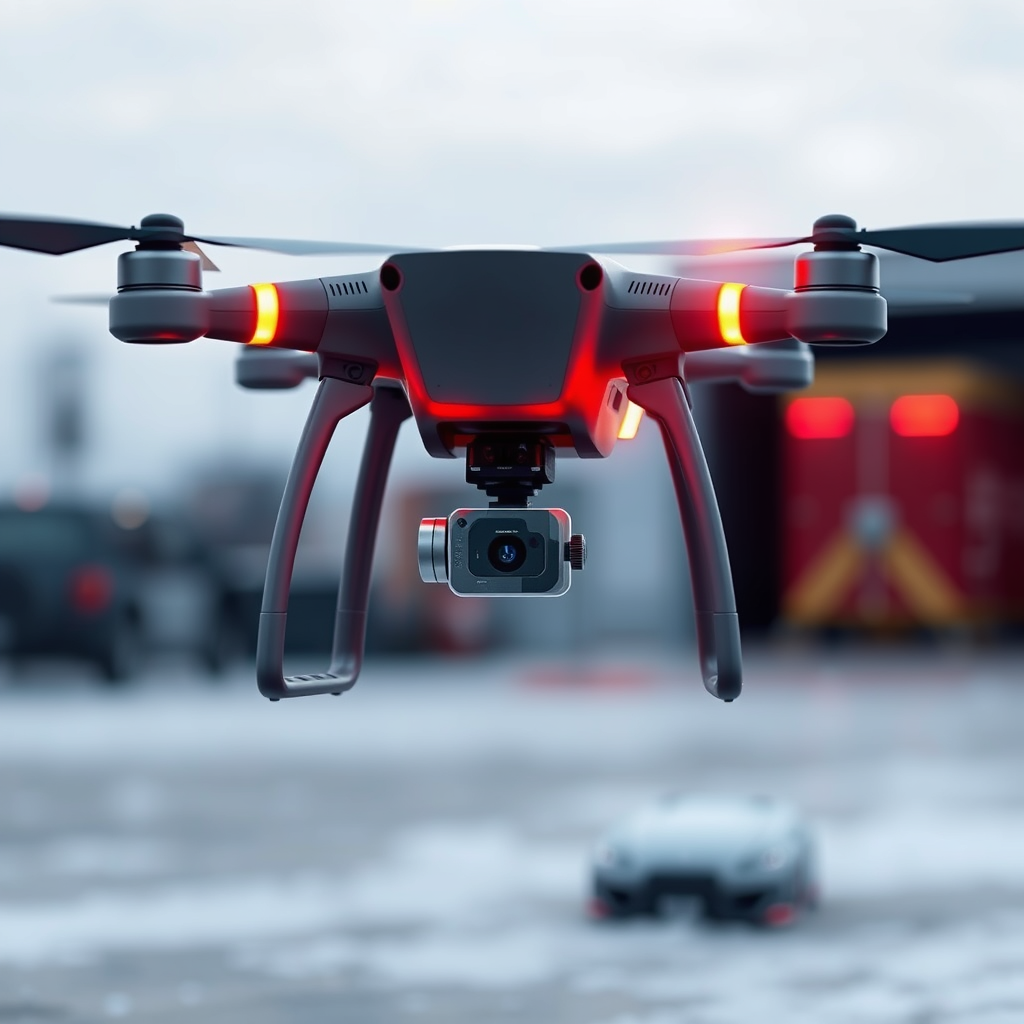
Drones can significantly improve emergency services by providing real-time data, enhancing search and rescue operations, and delivering medical supplies quickly. Their ability to access hard-to-reach areas makes them invaluable during crises, ensuring a swift response when every second counts. By incorporating drone technology into emergency response strategies, agencies can enhance efficiency, save lives, and optimize resource allocation during critical situations.
The Role of Drones in Search and Rescue Operations
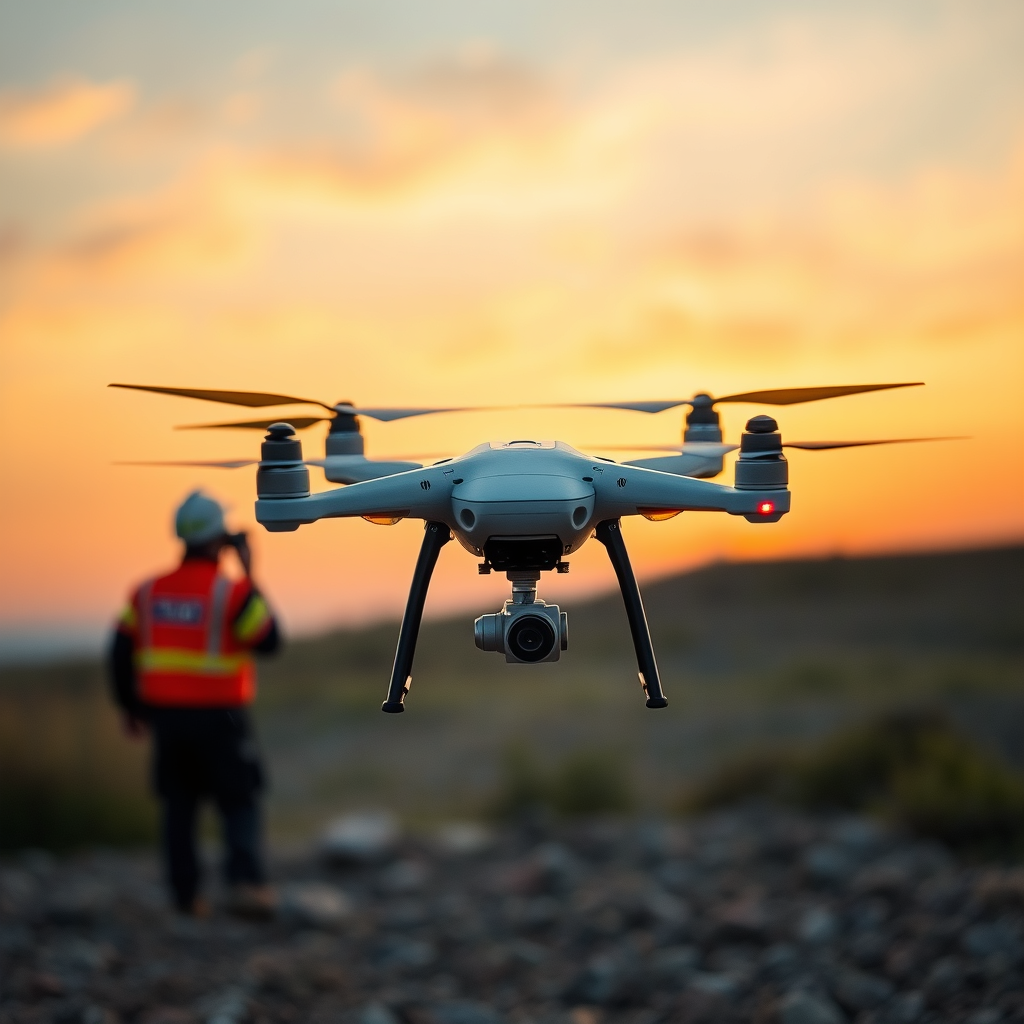
Drones have revolutionized search and rescue operations by offering the ability to cover vast areas in a fraction of the time it would take ground teams. In situations like natural disasters or missing person cases, drones equipped with high-resolution cameras can quickly survey large swathes of terrain. For example, during the aftermath of Hurricane Harvey in 2017, drones were deployed to search for stranded individuals, significantly expediting the rescue process.
Equipped with thermal imaging technology, drones are particularly effective in locating individuals in low visibility conditions, such as dense forests or disaster-stricken urban areas at night. Thermal sensors detect body heat, allowing responders to pinpoint locations of individuals who may be trapped or in distress. This capability not only improves the chances of successful rescues but also enhances the safety of ground personnel by reducing their exposure to hazardous environments.
Real-Time Data Collection and Assessment
The utilization of drones in emergency services extends beyond search and rescue; they play a critical role in real-time data collection and assessment. Drones provide aerial views that enhance situational awareness, allowing responders to assess the extent of damage caused by disasters such as floods, earthquakes, or fires. For instance, after the 2019 earthquake in Ridgecrest, California, drones captured detailed aerial imagery that helped emergency management teams evaluate the damage and prioritize response efforts.
Furthermore, drones can relay live video feeds back to command centers, offering decision-makers immediate insights into evolving situations on the ground. This real-time data enables informed decision-making, ensuring that emergency resources can be allocated effectively and efficiently. By integrating drone technology into command and control systems, emergency services can improve their responsiveness and adaptability to dynamic scenarios.
Delivering Medical Supplies and Equipment
One of the most transformative applications of drones in emergency services is their ability to transport essential medical supplies and equipment to remote or inaccessible locations. In rural areas or during crises where traditional transportation methods may be compromised, drones can deliver items such as first aid kits, medications, and even blood supplies rapidly. For example, in countries like Rwanda, drones are already being utilized to deliver blood and vaccines to remote clinics, significantly improving healthcare access.
In cardiac emergencies, the timely delivery of Automated External Defibrillators (AEDs) can be a matter of life or death. Drones can be dispatched to deliver AEDs to locations where every second counts, such as public events or sports facilities. This capability not only enhances the emergency response but also empowers bystanders to act swiftly, potentially saving lives before professional help arrives.
Traffic Monitoring and Incident Management
Drones serve an essential function in traffic monitoring and incident management, especially in urban environments. They can assist in monitoring traffic flow and identifying accidents in real-time, providing crucial information to both emergency responders and traffic management centers. By capturing aerial footage of traffic conditions, drones can help to alleviate congestion and facilitate the rapid deployment of emergency services to accident sites.
Moreover, drones can provide aerial perspectives of congested areas, which is invaluable during large-scale events or disasters. This capability allows emergency management teams to strategize their response logistics effectively, ensuring that they can navigate through traffic and reach those in need without delay. By utilizing drones for traffic monitoring, agencies can optimize their emergency response times and improve overall efficiency.
Firefighting Support
Drones equipped with thermal cameras are an invaluable asset in firefighting efforts. They can detect hotspots in wildfires or structural fires, guiding firefighting teams to the most critical areas that require immediate attention. For instance, during the California wildfires, drones provided real-time intelligence about fire spread, allowing teams to develop strategic containment plans more effectively.
In addition to hotspot detection, drones can monitor the spread of fires and provide ongoing situational updates to command centers. This real-time information helps firefighting teams adapt their strategies as conditions change, ensuring that resources are allocated where they are needed most. The integration of drone technology into firefighting operations enhances safety for firefighters by reducing the need for them to enter hazardous environments without prior knowledge of the fire’s behavior.
Disaster Assessment and Recovery
In the aftermath of a disaster, drones play a crucial role in damage assessment and recovery planning. They can swiftly capture high-resolution images and videos of affected areas, providing valuable data that helps teams prioritize recovery efforts. For example, following Hurricane Maria in Puerto Rico, drones were deployed to assess damage to infrastructure and homes, enabling recovery teams to develop targeted action plans.
Additionally, drones can document conditions for insurance claims and aid in rebuilding strategies. By providing accurate and comprehensive data of the pre- and post-disaster conditions, agencies can streamline the claims process and ensure that affected individuals receive the support they need. This capability not only accelerates recovery but also helps communities rebuild more effectively.
Training and Simulation for Emergency Personnel
Drones are not just tools for response; they can also be used as valuable training resources for emergency personnel. By simulating various emergency scenarios, drones can help responders familiarize themselves with drone technology and its practical applications in real-world situations. Training exercises that incorporate drones can enhance the skills of emergency responders, ensuring they are well-prepared to utilize this technology effectively during actual emergencies.
Moreover, drones can be used to capture training exercises from an aerial perspective, providing insights into team dynamics and operational effectiveness. This feedback can be invaluable for improving training methodologies and ensuring that emergency personnel are equipped with the skills they need to respond effectively in high-pressure situations.
In conclusion, integrating drones into emergency services offers a multitude of benefits, from improving operational efficiency to saving lives. Their ability to provide real-time data, enhance search and rescue operations, and deliver medical supplies swiftly positions them as essential tools in modern emergency response strategies. As technology continues to evolve, the potential for drones in these critical roles will only expand, solidifying their place as indispensable assets in the future of emergency services.
Frequently Asked Questions
How can drones improve search and rescue operations in emergency situations?
Drones can significantly enhance search and rescue operations by providing aerial views of disaster areas, allowing emergency responders to quickly identify locations of missing persons. Equipped with thermal imaging cameras, drones can detect body heat even in challenging conditions, such as dense forests or rubble after a building collapse. This capability reduces search times and increases the likelihood of successful rescues, thus saving lives.
What are the advantages of using drones for disaster assessment and damage evaluation?
Drones offer several advantages for disaster assessment and damage evaluation, including the ability to quickly capture high-resolution aerial imagery of affected areas. This data enables emergency services to evaluate the extent of damage, assess infrastructure integrity, and prioritize response efforts efficiently. Additionally, drones can operate in hazardous environments where it may be unsafe for human personnel, ensuring thorough evaluations without risking lives.
Why are drones becoming essential tools for firefighting efforts?
Drones are becoming essential tools for firefighting because they allow for real-time monitoring of wildfires, providing critical information on fire spread and hotspots. Equipped with thermal imaging and mapping capabilities, drones help firefighters make informed decisions on resource allocation and evacuation routes, ultimately enhancing safety and effectiveness in tackling fires. Their ability to operate in rugged terrain without putting personnel at risk is another significant advantage.
Which types of drones are best suited for emergency medical deliveries?
The best types of drones for emergency medical deliveries are those designed for vertical take-off and landing (VTOL) and those with a payload capacity suitable for carrying medical supplies, such as defibrillators or blood products. Drones like the DJI Matrice 600 and Wingcopter are popular choices due to their reliability, range, and ability to navigate urban environments. These drones can significantly reduce delivery times, ensuring that critical medical supplies reach patients in need faster.
How do regulations affect the use of drones in emergency services?
Regulations significantly impact the use of drones in emergency services, as they dictate where and how drones can be operated. Emergency service providers must comply with local aviation regulations, which may include obtaining necessary permits, ensuring pilot certification, and adhering to no-fly zones, especially in urban areas. Understanding these regulations is crucial for effectively integrating drones into emergency response plans while ensuring public safety and legal compliance.
References
- https://en.wikipedia.org/wiki/Drone_technology
- https://www.faa.gov/uas/recreational_fliers/
- https://www.nist.gov/news-events/news/2020/10/nist-research-shows-how-drones-can-help-emergency-response
- https://www.bbc.com/news/technology-48733150
- https://www.sciencedirect.com/science/article/abs/pii/S2352864821003003
- https://www.researchgate.net/publication/335765036_The_Use_of_Drones_in_Emergency_Management
- https://www.redcross.org/about-us/our-work/disaster-relief/emergency-response-drones.html
- https://www.usda.gov/media/blog/2018/09/04/drones-provide-unique-support-disaster-response-efforts
