

Drones can significantly enhance urban life by improving efficiency, safety, and data collection in cities. From traffic management to environmental monitoring, these aerial devices offer innovative solutions to common urban challenges. As cities grow and evolve, integrating drone technology can help address pressing issues such as congestion, emergency response, public safety, and infrastructure management, making urban environments smarter and more sustainable.
Enhancing Traffic Management
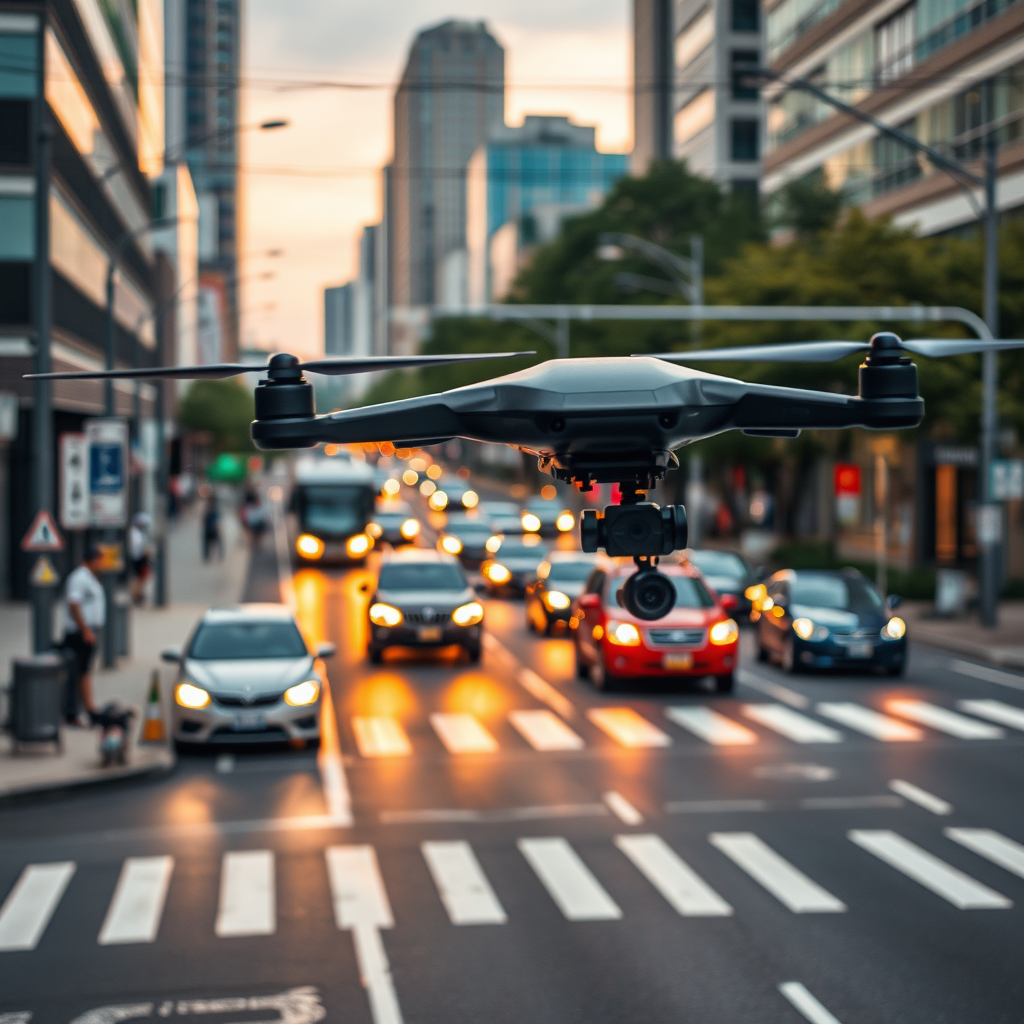
Traffic congestion is a persistent issue in many urban areas, leading to wasted time and increased emissions. Drones can monitor traffic flow in real-time, providing city planners and transportation agencies with data to alleviate congestion. By utilizing aerial surveillance, drones can gather information on traffic patterns, identify bottlenecks, and optimize signal timings, thus improving overall traffic efficiency.
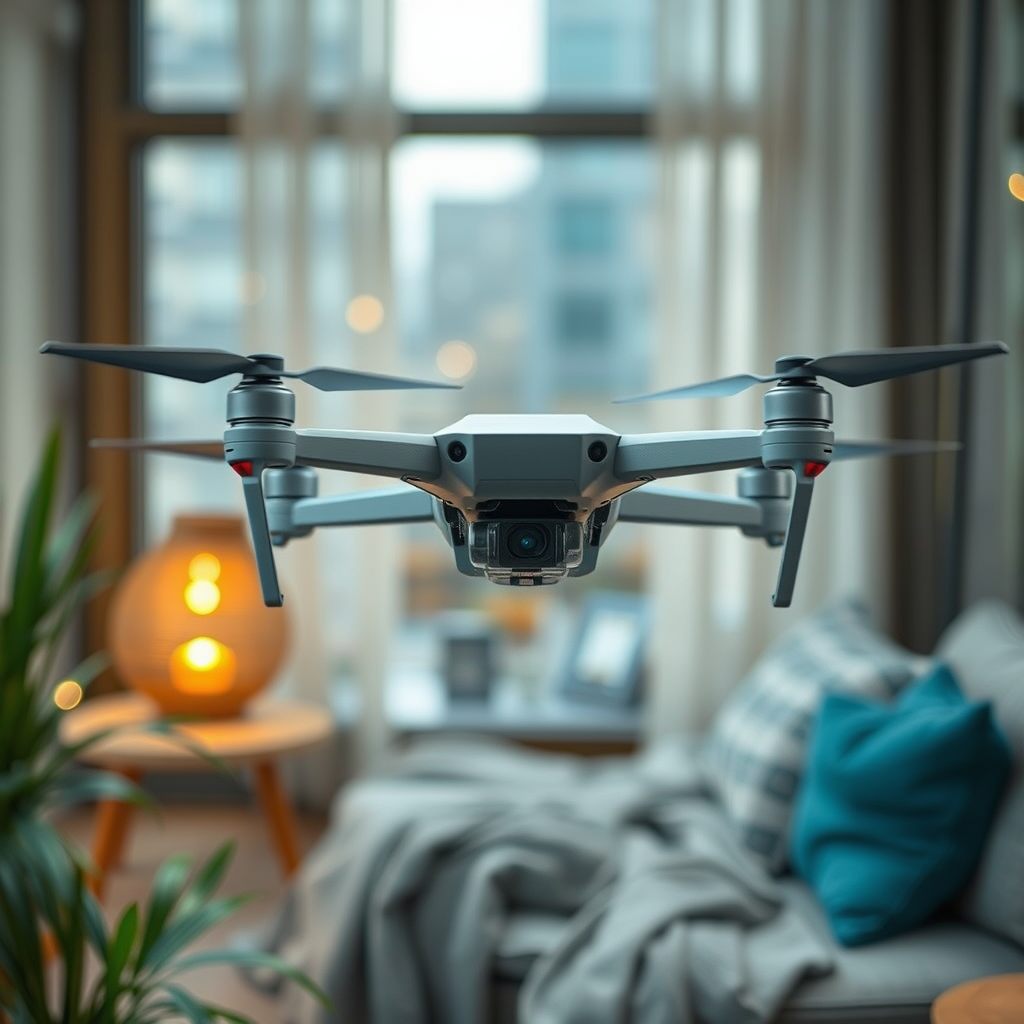
For instance, cities like Los Angeles have started deploying drones to monitor major highways and intersections. These drones can transmit live footage to traffic management centers, allowing for quick adjustments to signal timings or the rerouting of vehicles during peak hours. Moreover, drones can assist emergency responders by providing aerial views that help them assess situations more effectively, leading to faster response times in emergencies. By capturing a bird’s-eye view of traffic conditions, drones enable more informed decision-making, ultimately resulting in safer and more efficient transportation systems.
Supporting Emergency Services
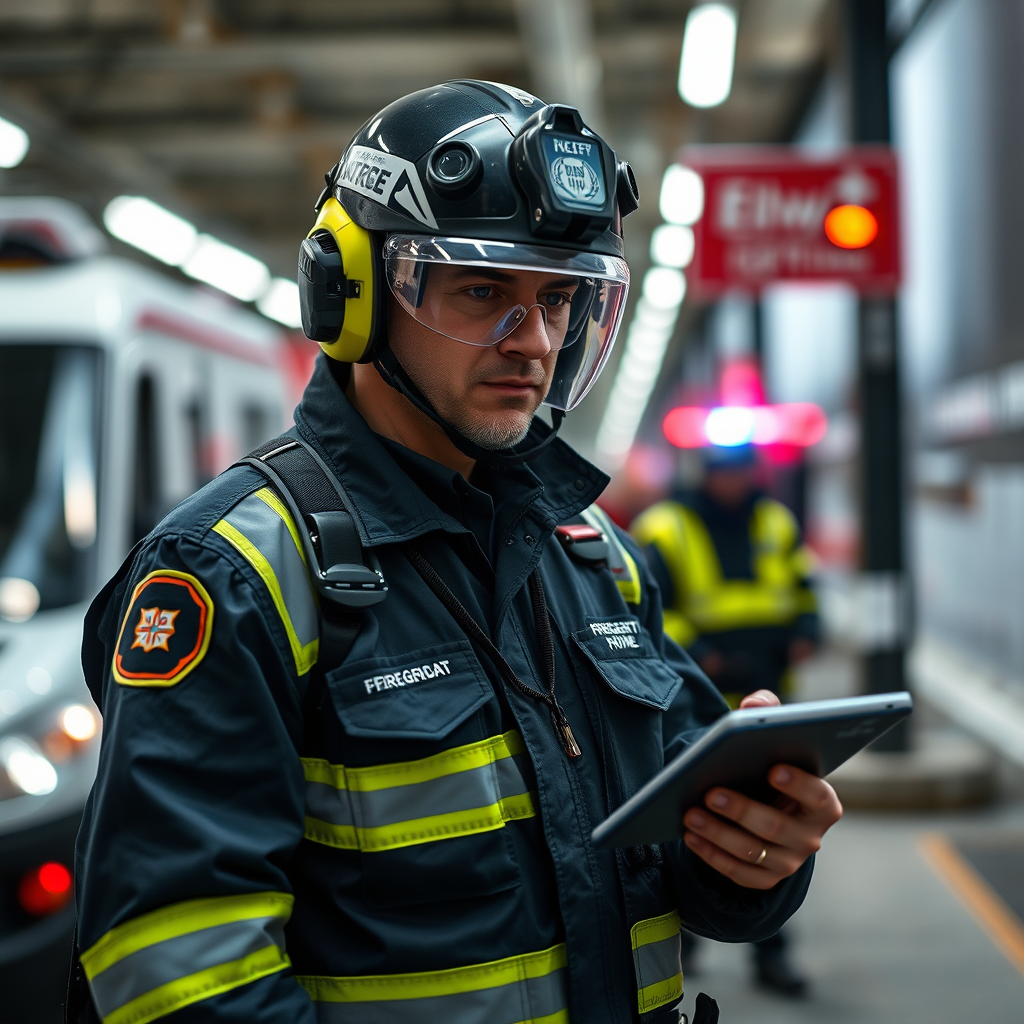
In emergency situations, time is of the essence. Drones can assist in search and rescue operations by quickly surveying large areas that are difficult to reach on foot or by vehicle. Their ability to cover vast expanses in a short amount of time makes them invaluable tools for emergency responders. For example, during natural disasters like floods or earthquakes, drones can be deployed to search for survivors or assess damage, providing crucial data to rescue teams.
Additionally, drones can deliver medical supplies to hard-to-reach locations during emergencies. In rural or densely populated urban settings, traditional delivery methods can be slow and cumbersome. Drones can transport essential medical supplies, such as blood or vaccines, directly to healthcare facilities or individuals in need. This capability can be especially life-saving in critical situations where every second counts.
Improving Public Safety
Public safety is a paramount concern for city officials and residents alike. Drones equipped with high-resolution cameras can help monitor public spaces, contributing to crime prevention efforts. By providing real-time surveillance, drones can assist law enforcement agencies in identifying suspicious activities and responding swiftly to incidents.
Furthermore, drones can play a significant role in crowd control during large events, such as concerts or sports games. By flying above the crowd, drones can provide law enforcement with a comprehensive view of the situation, enabling them to manage crowds effectively and ensure public safety. For instance, the city of New York has utilized drones for monitoring massive gatherings like the New Year’s Eve celebration in Times Square, where they assist in maintaining order and safety.
Environmental Monitoring and Conservation
As urban areas expand, environmental concerns become increasingly critical. Drones can track air and water quality, providing vital data for urban planning and environmental monitoring. Equipped with specialized sensors, drones can measure pollutants, assess water quality in nearby lakes and rivers, and monitor urban heat islands, helping city officials make informed decisions about environmental policies.
Moreover, drones are used in wildlife conservation efforts, especially in urban green spaces. By surveying parks and natural reserves, drones can help monitor wildlife populations and habitats, ensuring that urban development does not encroach on these vital ecosystems. For example, cities like Sydney have employed drones to monitor and protect endangered species within urban parks, demonstrating a commitment to balancing urban growth with environmental stewardship.
Infrastructure Inspection and Maintenance
Infrastructure is the backbone of urban life, and maintaining it is crucial for safety and efficiency. Drones can inspect bridges, buildings, and roads for damage, significantly reducing the need for scaffolding and other costly equipment. Using high-resolution cameras and thermal imaging technology, drones can identify maintenance issues, such as cracks or structural weaknesses, that may not be visible from the ground.
For instance, cities such as San Francisco have begun using drones to inspect the Golden Gate Bridge, allowing engineers to assess its condition more efficiently. By identifying maintenance needs early, cities can save time and money while minimizing disruptions to traffic and daily life. This proactive approach to infrastructure management ensures that urban areas remain safe and functional.
Urban Planning and Development
Effective urban planning requires accurate data and detailed insights. Drones can create high-resolution maps and 3D models that assist city planners in visualizing proposed developments. This technology can streamline the planning process, allowing for better land-use decisions and zoning assessments.
For example, cities like Barcelona have embraced drone technology to gather spatial data for urban development projects. By using drones to create detailed maps, planners can assess how new developments will impact existing infrastructure and the environment. This data-driven approach leads to more sustainable urban growth and helps cities accommodate increasing populations without sacrificing quality of life.
Enhancing Delivery Services
The growth of e-commerce has transformed how goods are delivered in urban areas. Drones can facilitate faster delivery of goods, reducing traffic congestion and emissions associated with traditional delivery vehicles. By taking to the skies, drones can navigate urban landscapes more efficiently, delivering packages directly to customers’ doorsteps.
In cities like Seattle, companies have begun testing drone delivery systems to streamline last-mile delivery operations. This innovative solution not only enhances delivery efficiency but also contributes to reducing the carbon footprint associated with logistics. As cities continue to adapt to changing consumer behaviors, drone technology offers a cost-effective and environmentally friendly means of enhancing delivery services.
In conclusion, the integration of drones into city infrastructure offers numerous benefits, from enhanced safety and efficiency to improved environmental monitoring. Cities that leverage drone technology can pave the way for smarter and more sustainable urban living. By embracing the capabilities of drones, urban areas can address challenges more effectively, ensuring a better quality of life for their residents. Embrace the future of urban development by considering how drones can play a pivotal role in your city.
Frequently Asked Questions
How can drones improve urban infrastructure inspection and maintenance?
Drones can significantly enhance urban infrastructure inspection by providing high-resolution aerial imagery and real-time data collection. They can access hard-to-reach areas such as rooftops, bridges, and power lines, allowing city officials to identify maintenance needs quickly and efficiently. This proactive approach helps in reducing costs and improving safety by addressing potential issues before they escalate.
What role do drones play in smart city development?
Drones are integral to smart city development as they facilitate the collection of valuable data for urban planning, traffic management, and environmental monitoring. By capturing aerial views and sensor data, drones can help city planners optimize land use, monitor pollution levels, and improve transportation networks. This data-driven approach enhances decision-making and contributes to sustainable urban growth.
Why are drones useful for emergency response in cities?
Drones provide critical support in emergency response situations by offering rapid aerial assessments of disaster zones, traffic accidents, or fire outbreaks. Their ability to deliver real-time images and data allows first responders to strategize effectively, allocate resources efficiently, and ensure public safety. Furthermore, drones can assist in search and rescue operations, reaching areas that may be inaccessible to ground vehicles.
What are the best applications of drones in urban agriculture?
Drones have emerged as a valuable tool in urban agriculture, enabling efficient monitoring of crop health, irrigation management, and pest detection. With advanced imaging technology, drones can analyze plant health and soil conditions, allowing urban farmers to make informed decisions that enhance productivity. This not only supports local food systems but also promotes sustainable practices in densely populated areas.
Which regulatory challenges do cities face when integrating drones into public services?
Cities often encounter several regulatory challenges when integrating drones into public services, including airspace restrictions, privacy concerns, and safety regulations. Navigating these legal frameworks requires collaboration between city officials, aviation authorities, and technology providers to ensure compliance while maximizing the benefits of drone usage. Establishing clear guidelines and safety protocols is essential for the successful implementation of drone technology in urban environments.
References
- https://www.nytimes.com/2020/01/20/technology/drones-cities.html
- https://www.bbc.com/future/article/20200218-how-drones-could-transform-cities
- https://www.nap.edu/catalog/25413/urban-drones-the-future-of-urban-air-mobility
- https://www.sciencedirect.com/science/article/pii/S2351978921001720
- https://www.gao.gov/products/gao-20-150
- https://www.nist.gov/news-events/news/2021/06/researchers-explore-how-drones-can-help-cities
- https://www.wired.com/story/how-drones-are-changing-the-future-of-urban-life/
- https://www.itu.int/en/ITU-T/focusgroups/ai4good/Documents/AI4Good_Report_Drones.pdf
