
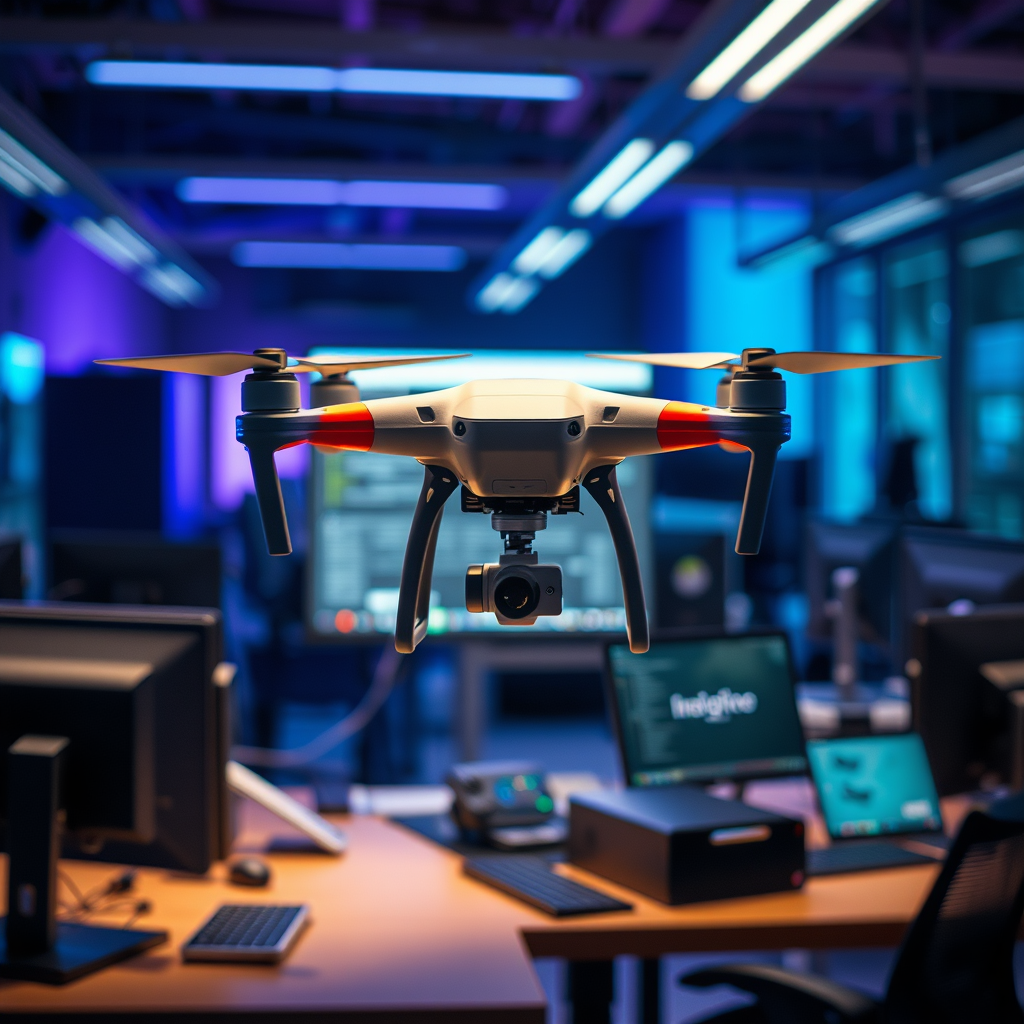
Drones are revolutionizing various industries by providing innovative and efficient solutions to complex challenges faced by humanity. These versatile flying devices enhance operational capabilities across sectors, from healthcare and agriculture to disaster relief and environmental monitoring. By leveraging drone technology, organizations can achieve greater efficiency, save time, and improve outcomes in ways previously thought impossible.
Enhancing Delivery Services
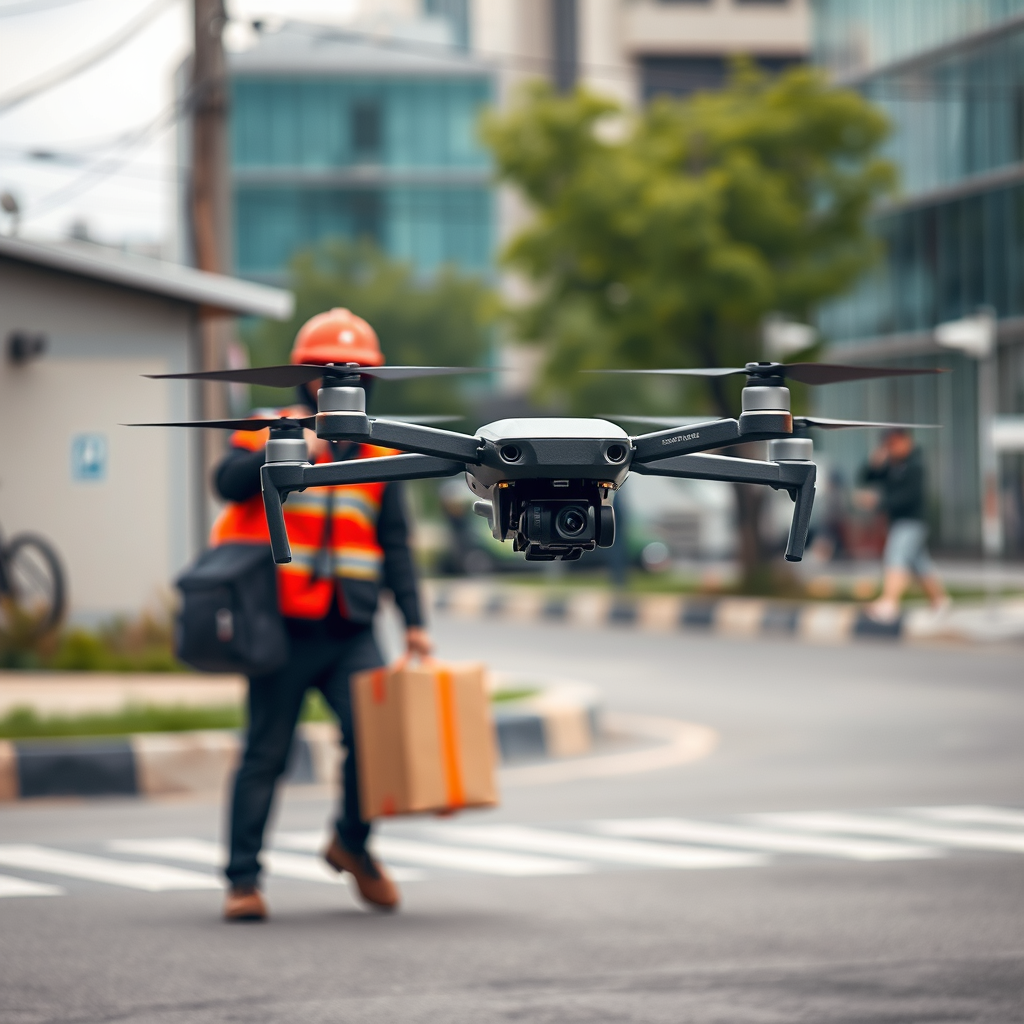
Drones have emerged as a game-changer in the realm of delivery services, particularly in transporting urgent medical supplies to remote locations. For example, Zipline, a logistics company, has successfully implemented drone delivery systems in countries like Rwanda and Ghana, ensuring that essential medical supplies, such as blood and vaccines, reach healthcare facilities in a fraction of the time it would take traditional vehicles. This rapid response can be lifesaving, especially in emergencies where time is critical.
Beyond medical supplies, drones are also facilitating efficient delivery of consumer goods. Companies like Amazon are exploring drone technology for last-mile delivery, which can significantly reduce traffic congestion and environmental impact. By utilizing drones for deliveries, businesses can streamline their logistics, reduce delivery times, and offer customers a higher level of service, ultimately transforming the retail landscape.
Support in Disaster Relief
In times of crisis, drones play a pivotal role in disaster relief efforts. These aerial devices are invaluable for assessing damage in affected areas, providing real-time data that can guide rescue operations and resource allocation. For instance, after the devastating earthquake in Haiti in 2010, drones were deployed to capture aerial imagery, helping organizations understand the extent of the damage and plan their relief strategies more effectively.
Moreover, drones are instrumental in delivering food and supplies to hard-to-reach locations during disasters. In situations where conventional transport methods may be hindered by debris or destruction, drones can swiftly navigate obstacles and deliver essential items to those in need. Companies like Matternet have showcased the potential of drone delivery in disaster scenarios, ensuring that critical resources reach remote communities quickly and efficiently.
Advancements in Agriculture
The agricultural sector is experiencing a significant transformation through the use of drones, which assist farmers in monitoring crop health and optimizing irrigation practices. Equipped with advanced sensors and imaging capabilities, drones can capture detailed aerial images of fields, allowing farmers to identify issues such as pest infestations or nutrient deficiencies early on. This data-driven approach enables farmers to make informed decisions, ultimately leading to increased crop yields and reduced waste.
In addition to monitoring, drones are increasingly utilized for aerial seeding and precise pesticide spraying. For example, the company PrecisionHawk provides drone services that allow farmers to seed large areas quickly and accurately, minimizing the time and labor involved in traditional methods. By integrating drones into their operations, farmers can enhance productivity while maintaining sustainable agricultural practices.
Improving Environmental Monitoring
Drones are becoming essential tools for environmental monitoring, facilitating wildlife tracking and habitat preservation efforts. Organizations like the World Wildlife Fund (WWF) employ drone technology to monitor endangered species and their habitats, enabling researchers to gather data on animal populations and assess the health of ecosystems without disturbing wildlife.
Additionally, drones are employed for aerial surveys to monitor pollution levels and the effects of climate change. For instance, researchers use drones to collect air and water quality data in hard-to-reach areas, providing vital information for conservation efforts and policy-making. This innovative application of drone technology enables more effective environmental management and supports global sustainability goals.
Enhancing Public Safety and Security
Drones significantly enhance public safety and security by improving response times in search and rescue operations. Emergency responders can deploy drones to locate missing persons or assess hazardous situations, such as wildfires or floods, without putting human lives at risk. For example, during the 2018 wildfires in California, drones were used to map the fire’s perimeter and identify safe evacuation routes, ultimately saving lives and resources.
Moreover, law enforcement agencies are increasingly utilizing drones for aerial surveillance in critical situations. Drones provide law enforcement with real-time situational awareness, allowing them to respond more effectively to incidents while minimizing risks to officers and civilians. This application of drone technology enhances public safety and aids in crime prevention and investigation.
Revolutionizing Construction and Infrastructure
The construction and infrastructure sectors are witnessing a revolution thanks to drone technology, which aids in surveying construction sites and improving planning and safety measures. Drones equipped with high-resolution cameras and LiDAR sensors enable project managers to create detailed 3D models of construction sites, facilitating better decision-making and resource allocation. This technology not only enhances project efficiency but also ensures compliance with safety regulations.
Furthermore, drones are invaluable for inspecting hard-to-reach areas of infrastructure, such as bridges and power lines. By leveraging drones for inspections, organizations can identify maintenance needs quickly and accurately, reducing downtime and extending the lifespan of critical infrastructure. This proactive approach to maintenance can prevent costly repairs and enhance the overall safety of public infrastructure.
Expanding Recreational and Creative Uses
Drones have gained immense popularity in recreational and creative fields, particularly in photography and videography. Hobbyists and professionals alike use drones to capture stunning aerial footage, offering unique perspectives that were previously unattainable. This has led to a flourishing industry, with drone photography being utilized in various sectors, including real estate, tourism, and marketing.
Additionally, drones are being embraced in competitive recreational activities, such as drone racing. Events like the Drone Racing League have garnered significant attention, engaging hobbyists and spectators worldwide. This burgeoning community not only showcases the excitement of drone technology but also fosters innovation and collaboration among enthusiasts.
In conclusion, drones are proving to be powerful allies for humans, offering innovative solutions across diverse fields. From enhancing delivery services and supporting disaster relief to advancing agriculture and improving environmental monitoring, the applications of drone technology are vast and varied. As technology continues to advance, we can anticipate even more groundbreaking applications that further enhance our lives and drive progress across industries. Explore how drones can benefit you or your industry today!
Frequently Asked Questions
How can drones be used in agriculture to improve crop yields?
Drones play a transformative role in agriculture by providing farmers with aerial imagery and data analysis tools that enhance crop monitoring and management. They can perform tasks like crop health assessment through multispectral imaging, which detects plant stress and nutrient deficiencies. Additionally, drones facilitate precision agriculture by enabling targeted pesticide and fertilizer application, ultimately leading to improved crop yields and reduced costs.
What are the benefits of using drones for delivery services?
Drones offer significant benefits for delivery services, including faster delivery times, reduced operational costs, and the ability to reach remote or hard-to-access locations. By utilizing drones, companies can minimize traffic-related delays and cut down on fuel consumption. Furthermore, drone deliveries can enhance customer satisfaction by providing real-time tracking and efficient, contactless delivery options, especially in urban areas where traditional delivery methods face challenges.
Why are drones important for disaster management and emergency response?
Drones are crucial in disaster management and emergency response due to their ability to quickly assess situations in inaccessible or hazardous areas. They can provide real-time aerial imagery and data that help first responders identify damage, locate survivors, and deploy resources effectively. Additionally, drones can deliver medical supplies or equipment in emergencies, making them invaluable tools for humanitarian efforts and disaster relief.
Which industries benefit the most from drone technology?
Several industries benefit significantly from drone technology, including agriculture, construction, real estate, and logistics. In agriculture, drones enhance crop monitoring, while in construction, they provide aerial surveys and progress tracking. The real estate sector uses drones for stunning property photography, and logistics companies leverage drones for efficient deliveries. Each of these industries sees increased efficiency, cost savings, and improved safety through the integration of drone technology.
How do drones contribute to environmental conservation efforts?
Drones contribute to environmental conservation by enabling researchers and conservationists to monitor ecosystems, track wildlife populations, and assess the impact of climate change. They can cover large areas efficiently, collecting data on deforestation, pollution, and habitat destruction. Additionally, drones can assist in reforestation efforts by distributing seeds over hard-to-reach areas, ultimately supporting biodiversity and ecosystem health while allowing for better resource management.
References
- https://en.wikipedia.org/wiki/Drone#Applications
- https://www.nytimes.com/2020/09/15/technology/drones-disaster-relief.html
- https://www.sciencedirect.com/science/article/pii/S2352146516000798
- https://www.faa.gov/uas/
- https://www.itu.int/en/ITU-T/Workshops-and-Seminars/201903/Publishing/Drone-Applications.pdf
- https://www.bbc.com/news/technology-57544039
- https://www.nationalgeographic.com/science/article/drones-helping-humans-respond-to-crises
