
Drones can significantly enhance various sectors, from emergency services to agriculture, providing innovative solutions that improve efficiency and safety. Their capability to access hard-to-reach areas and gather real-time data makes them invaluable tools in today’s world. As drone technology continues to evolve, their applications are becoming increasingly diverse, creating opportunities for improved services and outcomes across multiple industries.
Enhancing Emergency Response
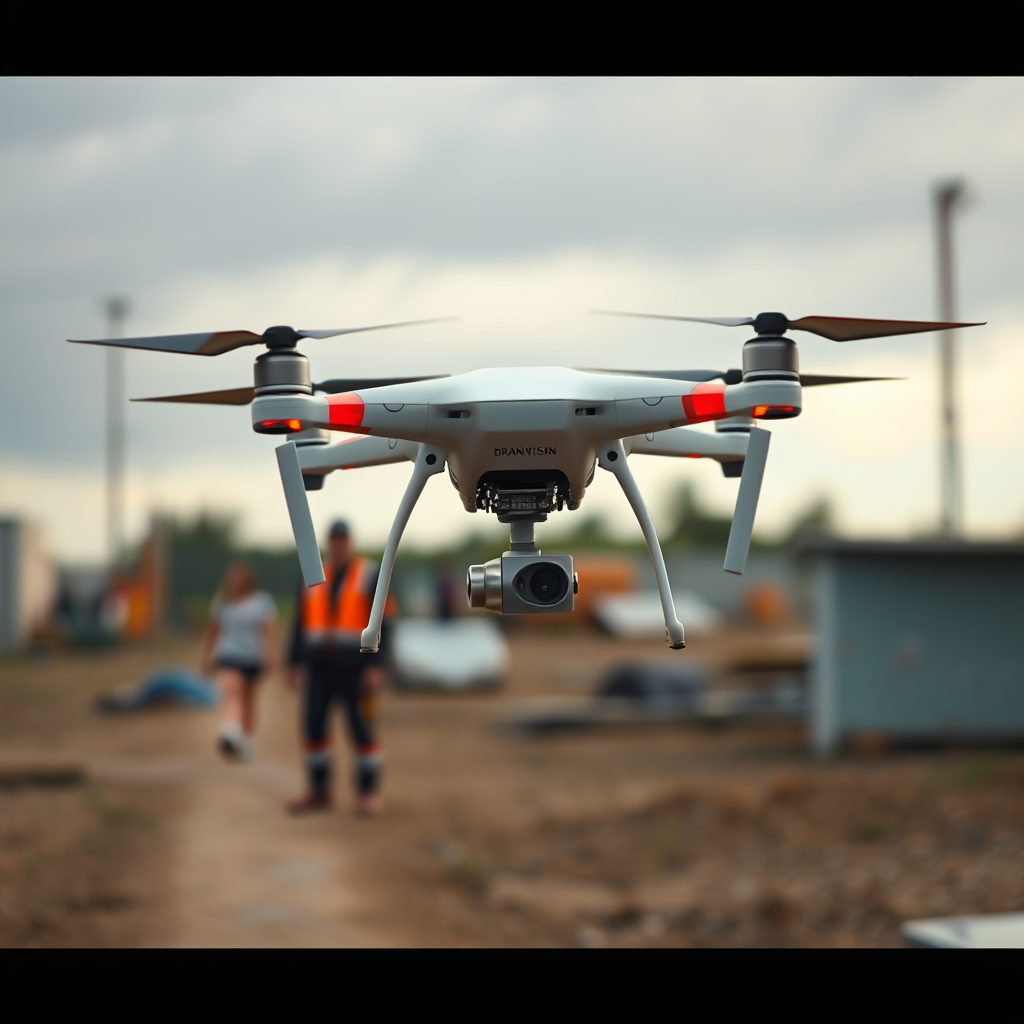
Drones play a critical role in emergency response, particularly during natural disasters. When disaster strikes, time is of the essence. Drones can quickly assess disaster-stricken areas, providing real-time data to first responders, which is crucial for effective decision-making. For instance, during the aftermath of hurricanes or earthquakes, drones equipped with high-resolution cameras can survey damage from above, identifying blocked roads, damaged infrastructure, and areas in need of immediate assistance. This information helps emergency teams prioritize their efforts and allocate resources more effectively.
Additionally, drones can deliver medical supplies to remote locations, saving lives in critical situations. For instance, in regions where traditional transportation methods are hindered due to natural barriers or infrastructure damage, drones can swiftly transport essential medications, vaccines, or even blood supplies directly to those in need. A notable example is the use of drones by the non-profit organization Zipline, which has successfully delivered blood to remote clinics in Rwanda and Ghana, significantly reducing maternal mortality rates and improving healthcare access.
Revolutionizing Agriculture
The agricultural sector has also benefited immensely from drone technology. Drones monitor crop health through aerial imagery, allowing farmers to identify issues such as pests, diseases, or nutrient deficiencies early on. By capturing high-resolution images and using infrared sensors, drones can assess plant health and provide farmers with actionable insights to optimize their interventions. This early detection not only saves time but also reduces the need for pesticides and fertilizers, contributing to more sustainable farming practices.
Moreover, drones enable precision farming techniques, optimizing resource use and increasing yields. By analyzing data collected from drone flights, farmers can create detailed maps that guide irrigation practices, ensuring that water is applied only where necessary. This targeted approach helps conserve water and reduce costs while improving crop productivity. The use of drones in agriculture exemplifies how technology can enhance food security and promote sustainable practices, benefiting both producers and consumers.
Transforming Delivery Services
Drones are transforming delivery services, facilitating faster delivery of goods and significantly reducing transportation times. With the ability to navigate directly to a destination, drones can bypass traffic congestion and other obstacles that typically delay traditional delivery methods. Companies like Amazon and UPS are actively exploring drone delivery options, aiming to provide customers with quicker access to products. In urban areas, where delivery efficiency is paramount, drones can make deliveries within minutes, enhancing customer satisfaction and operational efficiency.
Furthermore, drones can reach areas that are difficult for traditional delivery methods, enhancing accessibility. In remote or rural locations, where road infrastructure may be lacking, drones can deliver essential goods, such as groceries or medical supplies, directly to consumers. This capability not only improves convenience for customers but also opens new markets for businesses, fostering economic growth in underserved regions.
Supporting Environmental Conservation
Drones are increasingly being utilized in environmental conservation efforts, providing valuable tools for wildlife monitoring and habitat management. By capturing aerial imagery and utilizing thermal imaging technology, drones help track endangered species and their habitats more effectively than traditional methods. For example, conservation organizations use drones to monitor populations of elephants in Africa, detecting poaching activities and assessing the impact of habitat loss. This data is crucial for developing strategies to protect these species and their ecosystems.
In addition to wildlife monitoring, drones assist in mapping and managing natural resources, contributing to conservation efforts. They can survey large areas of land quickly, enabling researchers to gather data on deforestation, erosion, and other environmental changes. By providing accurate and timely information, drones help inform policy decisions and conservation strategies, ensuring the preservation of natural resources for future generations.
Improving Infrastructure Inspection
The inspection of infrastructure is another area where drones are making a significant impact. They can inspect hard-to-reach infrastructures like bridges, power lines, and pipelines safely and efficiently. Traditional inspection methods often require scaffolding or cranes, which can be costly and time-consuming. Drones eliminate these challenges by providing detailed visuals that help identify maintenance needs before they escalate into major issues.
For instance, utility companies are increasingly using drones to inspect power lines and substations, allowing for quick identification of potential hazards such as vegetation encroachment or equipment malfunctions. By incorporating drone technology into their maintenance routines, companies can enhance safety, reduce downtime, and ultimately save on operational costs. The use of drones in infrastructure inspection exemplifies how technology can improve safety and efficiency in critical sectors.
Enabling Recreational Uses
Beyond practical applications, drones also enhance recreational activities, particularly in photography and videography. By providing unique aerial perspectives, drones allow enthusiasts to capture stunning images and videos that were once only possible with expensive helicopter rides or specialized equipment. This democratization of aerial photography has opened up new creative avenues for photographers, filmmakers, and content creators.
Moreover, drones are increasingly used in sports and events, capturing dynamic moments from above. From live sporting events to outdoor festivals, drones provide a bird’s-eye view that enhances the spectator experience. This trend is likely to continue as technology advances and regulations evolve, making drone usage more accessible for recreational purposes.
As drones become more integrated into everyday life, their potential applications will continue to expand, highlighting their versatility and utility across various fields.
In conclusion, drones offer significant benefits across a wide range of sectors, from improving emergency response and revolutionizing agriculture to transforming delivery services and supporting environmental conservation. Their ability to enhance efficiency, safety, and accessibility makes them essential tools for the future. As technology continues to advance, it is important for businesses and individuals to explore how drones can be leveraged to enhance their specific areas of interest or profession, ultimately leading to improved outcomes and innovations.
Frequently Asked Questions
How can drones be used in agriculture to improve crop management?
Drones can significantly enhance agricultural practices by providing farmers with real-time aerial imagery and data on crop health, soil conditions, and irrigation needs. Equipped with multispectral cameras, drones can identify areas of stress or disease in crops that may not be visible from the ground, allowing for targeted interventions. This technology not only helps in optimizing resource use, like water and fertilizers, but also increases yield and reduces costs, making farming more sustainable.
What are the benefits of using drones in search and rescue operations?
Drones have revolutionized search and rescue operations by offering rapid aerial assessments of large areas, which can be crucial in locating missing persons or assessing disaster-struck regions. They can be equipped with thermal imaging cameras to detect heat signatures, enabling rescuers to find individuals in challenging terrains or during night-time missions. Additionally, drones can deliver essential supplies, such as food or medical kits, to people in hard-to-reach locations, enhancing the effectiveness of rescue efforts.
Why are drones becoming popular for delivery services?
Drones are gaining popularity in delivery services due to their ability to provide fast, efficient, and cost-effective transportation of goods. They can bypass traffic congestion and reduce delivery times significantly, especially for urgent items like medical supplies or online purchases. As drone technology continues to improve, companies are increasingly integrating drones into their logistics strategies to enhance customer satisfaction and streamline operations.
Which industries are benefiting the most from the use of drones?
Several industries are experiencing substantial benefits from drone technology, including agriculture, construction, real estate, and environmental monitoring. In agriculture, drones assist in crop monitoring and precision farming. The construction industry uses drones for site surveys, progress tracking, and safety inspections, while real estate professionals leverage aerial photography for stunning property visuals. Environmental sectors utilize drones for wildlife tracking, conservation efforts, and assessing environmental impact, showcasing the versatility of drone applications.
How can drones improve infrastructure inspections and maintenance?
Drones play a crucial role in infrastructure inspections by providing high-resolution imagery and data collection without the need for scaffolding or ladders, thus ensuring worker safety and reducing costs. They can easily access hard-to-reach areas of bridges, power lines, and rooftops, offering detailed insights into structural integrity. By enabling regular and thorough inspections, drones help identify maintenance needs early, prolonging the lifespan of infrastructure and minimizing costly repairs.
References
- https://en.wikipedia.org/wiki/Drone_application
- https://www.bbc.com/future/article/20200707-how-drones-could-change-the-world
- https://www.nytimes.com/2021/04/15/us/drones-help-communities.html
- https://www.sciencedirect.com/science/article/pii/S1361920120301892
- https://www.theguardian.com/technology/2021/jan/04/drones-coronavirus-pandemic-technology
- https://www.nasa.gov/feature/nasa-s-advanced-air-mobility-initiatives
- https://www.ucsusa.org/resources/drones-helping-fight-climate-change
- https://www.ncbi.nlm.nih.gov/pmc/articles/PMC6526550/
- https://www.faa.gov/uas/
- https://www.worldbank.org/en/news/feature/2019/11/06/drones-deliver-healthcare-in-remote-areas
