
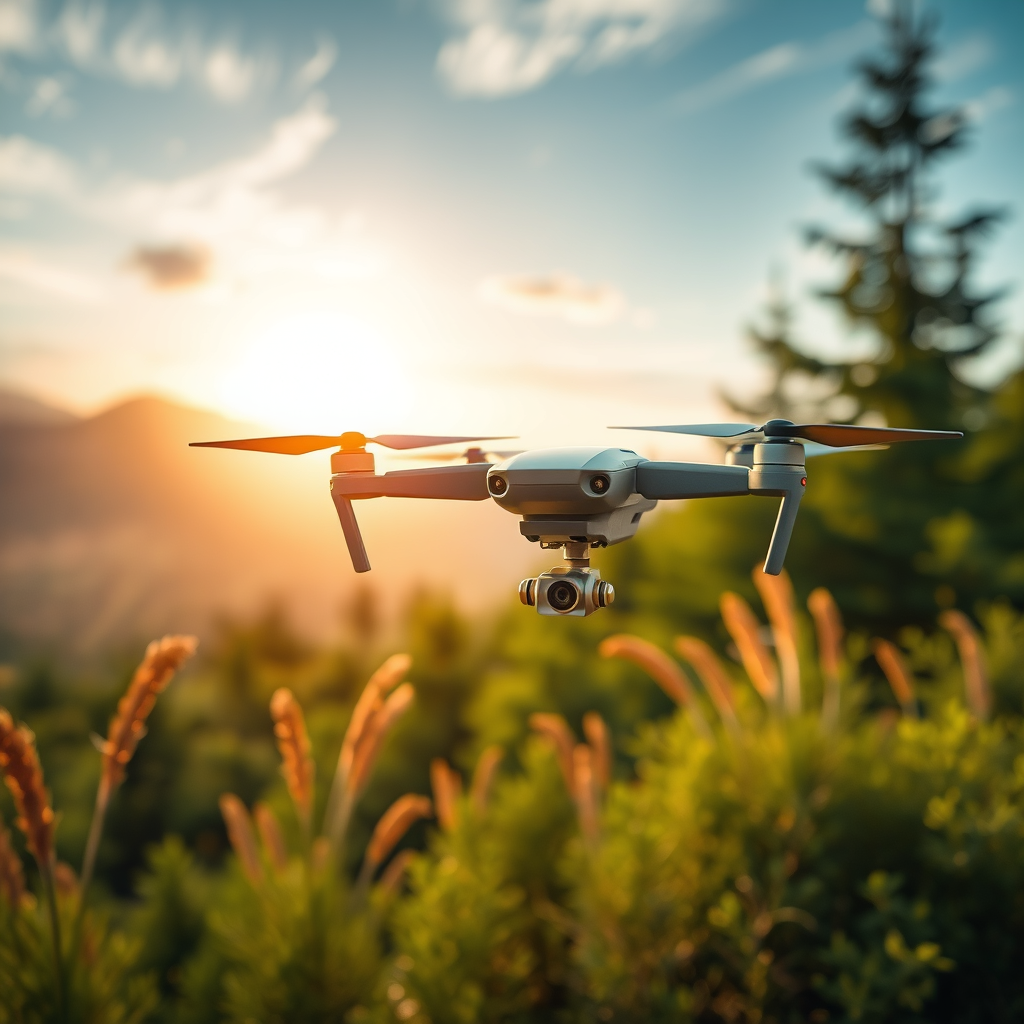
Drones can significantly benefit the environment by enhancing data collection, monitoring ecosystems, and supporting conservation efforts. Their unique ability to access hard-to-reach areas and gather precise information makes them invaluable tools for environmental protection and management. From monitoring wildlife to assessing environmental damage, drones are revolutionizing how we approach ecological challenges and sustainable practices.
Monitoring Wildlife Populations
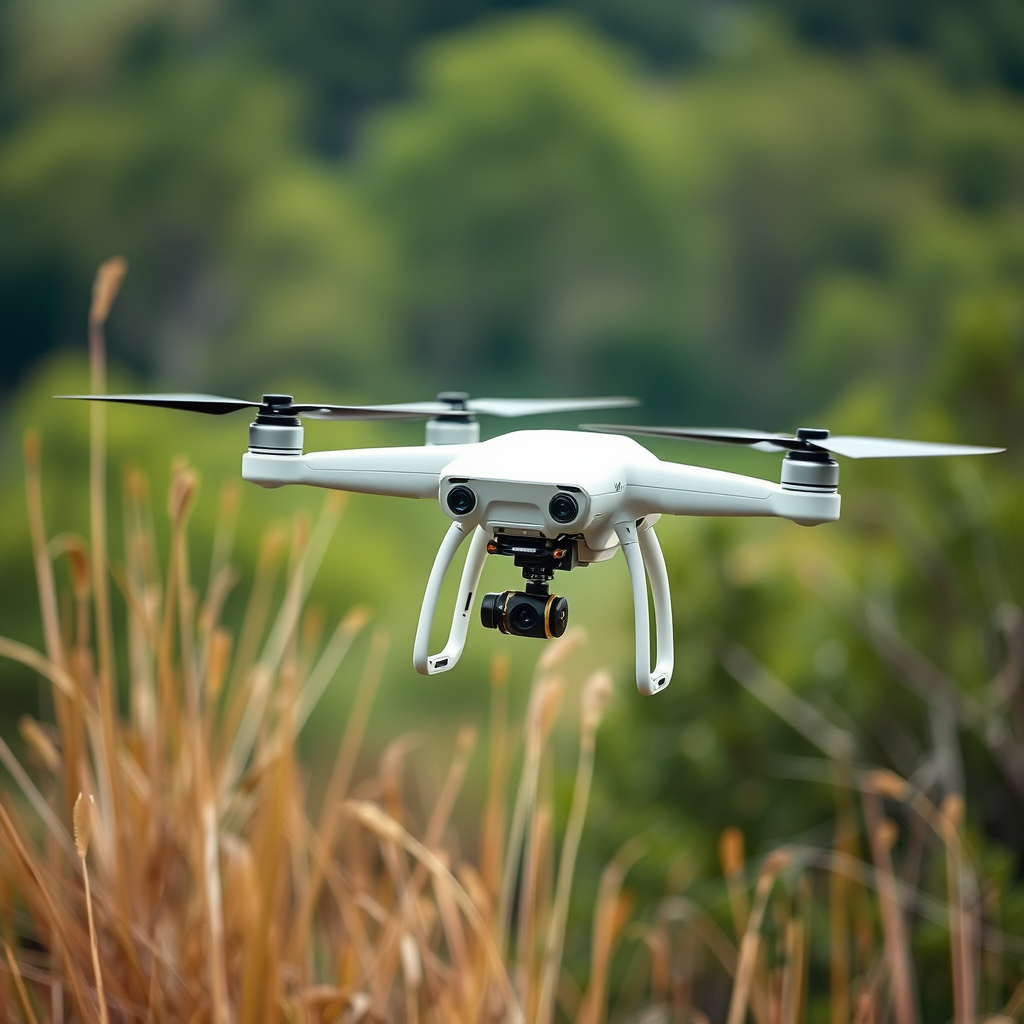
Drones provide real-time data on animal populations, enabling researchers to track movements and behaviors with unprecedented accuracy. Equipped with high-resolution cameras and thermal imaging technology, drones can observe wildlife without disturbing their natural habitats. This non-intrusive approach is crucial for studying endangered species, as it minimizes human impact while maximizing data collection efficiency. For instance, researchers in Africa have utilized drones to monitor elephant populations, allowing for better understanding and protection of these majestic creatures.
Moreover, drones can cover vast areas quickly, making them ideal for assessing wildlife populations in remote regions. This capability is particularly important in the context of climate change and habitat loss, as it allows scientists to monitor shifts in animal distributions and behaviors over time. By providing critical insights into population dynamics, drones help inform conservation strategies that aim to preserve biodiversity.
Assessing Environmental Damage
Drones can quickly survey areas affected by natural disasters, providing crucial information for recovery efforts. After events such as hurricanes, wildfires, or floods, drones can capture aerial imagery that reveals the extent of the damage. This rapid assessment enables government agencies and NGOs to develop effective response strategies, allocate resources efficiently, and prioritize areas for restoration. For example, in the aftermath of the 2017 hurricanes in Puerto Rico, drones were employed to evaluate infrastructure damage and assist in the recovery process.
Additionally, drones are instrumental in identifying pollution sources and assessing the extent of damage in ecosystems. By capturing high-resolution images and utilizing multispectral sensors, they can detect changes in vegetation health and water quality caused by contaminants. This information is vital for environmental monitoring programs that aim to address pollution and restore affected habitats, facilitating timely interventions that can mitigate long-term ecological impacts.
Supporting Reforestation Efforts
Drones can plant seeds in deforested areas, significantly increasing reforestation efficiency. This innovative approach, known as drone reforestation, utilizes specialized technology to disperse seeds over large areas quickly. By employing drones equipped with seed pods, organizations can reforest regions that are otherwise difficult to access, such as steep terrains or remote islands. For instance, companies like BioCarbon Engineering have successfully demonstrated the potential of drone-assisted reforestation, planting thousands of trees in a single day.
Furthermore, drones assist in monitoring tree growth and health over time, ensuring better management of forest resources. By conducting regular aerial surveys, forest managers can identify areas that require additional care, such as pest control or irrigation. This proactive approach enhances the effectiveness of reforestation efforts and helps maintain healthy forest ecosystems that provide essential services, including carbon sequestration and habitat for wildlife.
Enhancing Agricultural Practices
Drones facilitate precision agriculture by monitoring crop health and optimizing resource use, which reduces waste and enhances sustainability. Equipped with multispectral cameras, drones can assess crop conditions by detecting variations in plant health that are invisible to the naked eye. Farmers can use this data to make informed decisions about irrigation, fertilization, and pest control, ultimately leading to increased yields and reduced environmental impact.
For example, in the United States, various agricultural companies have successfully integrated drone technology into their operations, resulting in improved efficiency and reduced chemical usage. By providing detailed insights into soil conditions and crop performance, drones empower farmers to adopt sustainable practices that promote long-term agricultural viability.
Disaster Management and Response
Drones can deliver supplies to remote areas during natural disasters, enhancing response efforts and ensuring that affected populations receive essential resources. In scenarios where traditional transportation methods are obstructed, drones can navigate challenging terrains to deliver food, water, and medical supplies, significantly improving disaster relief operations. For instance, during the 2020 wildfires in Australia, drones were utilized to transport supplies to isolated communities, demonstrating their potential in emergency situations.
Moreover, drones provide aerial views for mapping hazards and planning evacuation routes, improving safety for affected populations. By capturing real-time data on the evolving situation, emergency responders can make informed decisions that protect lives and property. This capability is particularly valuable in rapidly changing environments, where accurate information is crucial for effective disaster management.
Data Collection for Climate Change Research
Drones gather critical data on greenhouse gas emissions and land use changes, supporting climate studies that inform policy decisions. By monitoring areas such as wetlands, forests, and urban landscapes, drones provide valuable insights into the factors contributing to climate change. For example, researchers have used drones to measure methane emissions from landfills and agricultural operations, enhancing our understanding of greenhouse gas sources and their impacts on the atmosphere.
Additionally, drones offer insights into habitat changes and biodiversity loss, informing conservation strategies that address the challenges posed by climate change. By collecting high-resolution imagery and environmental data, drones help scientists identify trends and develop adaptive management plans that promote resilience in ecosystems. This data-driven approach is essential for implementing effective climate action initiatives and fostering sustainable practices.
Educational and Community Engagement
Drones can be used in educational programs to raise awareness about environmental issues among students and communities. By incorporating drone technology into curricula, educators can engage students in hands-on learning experiences that highlight the importance of environmental stewardship. For instance, schools have organized drone-based projects that involve monitoring local ecosystems, allowing students to contribute to real-world conservation efforts while developing valuable skills.
Additionally, drones foster community involvement in conservation efforts through participatory monitoring and data collection initiatives. Local organizations can empower community members to use drones for environmental monitoring, creating a sense of ownership and responsibility for local ecosystems. This grassroots approach not only enhances data collection but also builds community resilience and supports sustainable practices at the local level.
In conclusion, drones are powerful tools that can make a substantial positive impact on the environment. By leveraging their capabilities for monitoring wildlife, assessing environmental damage, supporting reforestation efforts, and enhancing agricultural practices, we can promote sustainability and conservation. The integration of drones into disaster management and climate change research further underscores their versatility and importance in contemporary environmental challenges. As we explore how drones can be incorporated into local environmental initiatives, we can collectively contribute to a healthier planet for future generations.
Frequently Asked Questions
How can drones help in environmental conservation efforts?
Drones play a crucial role in environmental conservation by providing aerial data collection, which helps monitor wildlife populations, track deforestation, and assess habitat health. With their ability to cover large areas quickly and access hard-to-reach locations, drones can gather valuable information without disturbing the ecosystem. This technology enhances conservation strategies and allows for timely interventions in environmental protection.
What are some specific applications of drones in environmental monitoring?
Drones are utilized in various applications for environmental monitoring, including tracking changes in land use, monitoring air and water quality, and mapping vegetation health. They are also employed in precision agriculture to optimize resource use, thereby reducing chemical runoff and promoting sustainable farming practices. These applications help safeguard ecosystems while providing crucial data for researchers and policymakers.
Why are drones considered a sustainable alternative for environmental research?
Drones are considered a sustainable alternative for environmental research due to their low environmental impact and efficiency. Unlike traditional methods that often rely on fuel-intensive vehicles or invasive techniques, drones operate on batteries and can be powered by renewable energy sources. This minimizes carbon emissions and reduces the ecological footprint of research activities, making them a greener option for environmental studies.
Which types of drones are best suited for environmental applications?
The best types of drones for environmental applications include fixed-wing drones for large area mapping and multi-rotor drones for detailed inspections and surveys. Fixed-wing drones can cover vast distances with longer flight times, making them ideal for forestry and landscape assessments. Conversely, multi-rotor drones are better suited for tasks requiring precision, such as monitoring wildlife or performing detailed vegetation analysis.
How can organizations effectively integrate drone technology into their environmental programs?
Organizations can effectively integrate drone technology into their environmental programs by first assessing their specific needs and identifying relevant applications, such as habitat mapping or pollution tracking. Collaborating with drone service providers or hiring trained personnel can enhance operational efficiency and data accuracy. Additionally, investing in appropriate software for data analysis and visualization can help organizations derive actionable insights to inform their environmental strategies.
References
- https://en.wikipedia.org/wiki/Drone_conservation
- https://www.nature.com/articles/s41598-018-31731-0
- https://www.sciencedirect.com/science/article/pii/S2213138817300680
- https://www.nationalgeographic.com/science/article/drones-environmental-conservation
- https://www.wired.com/story/drones-helping-environment/
- https://www.usgs.gov/mission-areas/water-resources/science/use-drones-improve-water-resources-management
- https://www.fao.org/forestry/drones/en/
- https://www.abc.net.au/news/science/2021-10-21/how-drones-help-restore-ecosystems/100525890
