
Drones can significantly enhance various sectors, providing innovative solutions that streamline operations and improve efficiency. From transforming delivery services to bolstering agricultural practices, the versatility of drones is reshaping how we approach numerous challenges. As technology continues to advance, the potential applications of drones will only expand, paving the way for smarter, safer, and more effective solutions across multiple industries.
Enhancing Delivery Services
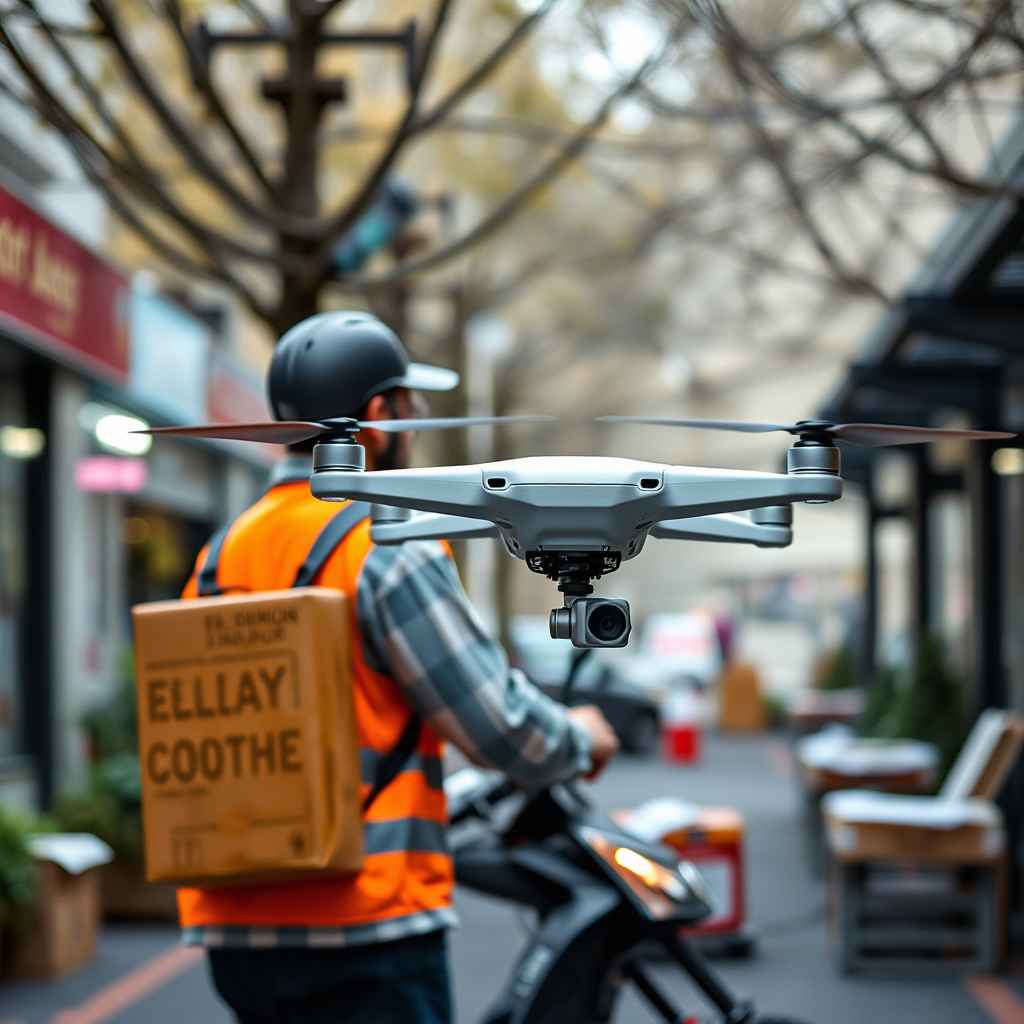
Drones are revolutionizing the logistics and delivery sector by offering quick and efficient package delivery solutions. Traditional delivery methods face limitations, such as traffic delays, geographical barriers, and high operational costs. Drones, on the other hand, can navigate through the air, bypassing these obstacles and significantly reducing transportation time. For instance, companies like Amazon and UPS are actively testing and implementing drone delivery systems that promise to deliver packages within hours of an order being placed.
Moreover, drones are particularly beneficial in accessing remote or hard-to-reach areas. In rural or mountainous regions where conventional delivery vehicles may struggle, drones can provide essential supplies, medical equipment, and other critical goods. This capability enhances service availability, ensuring that even the most isolated communities receive timely deliveries. The potential for drones to improve last-mile logistics is a game-changer, ultimately contributing to better customer satisfaction and operational efficiency.
Supporting Agricultural Practices
In agriculture, drones are proving to be invaluable tools for modern farming practices. Equipped with advanced aerial imaging technology, drones can monitor crop health effectively, allowing farmers to identify issues such as pest infestations, nutrient deficiencies, and water stress before they escalate. This proactive approach enables timely interventions, ultimately leading to better yields and reduced costs.
Additionally, drones play a crucial role in precision agriculture by mapping fields and optimizing resource use. For example, farmers can use drone data to analyze soil conditions and determine the best locations for planting different crops or applying fertilizers and pesticides. By utilizing this technology, farmers can significantly reduce waste and improve sustainability, promoting more responsible agricultural practices that benefit both the environment and the economy.
Improving Search and Rescue Operations
In emergency situations, drones have emerged as critical assets for search and rescue operations. Their ability to cover large areas quickly makes them ideal for locating missing persons or assessing disaster-stricken regions. During natural disasters like hurricanes or earthquakes, drones can be deployed to survey damage and assist rescue teams in identifying areas where help is urgently needed.
Equipped with thermal imaging technology, drones can operate effectively in challenging weather conditions and during nighttime searches. For instance, the use of drones equipped with infrared cameras has improved the success rates of finding lost hikers or individuals trapped in debris. This capability not only saves time but also enhances the safety of rescue personnel, as drones can gather crucial information without putting human lives at risk.
Advancing Infrastructure Inspection
Drones are transforming the way we inspect infrastructure, providing a safer and more efficient alternative to traditional methods. Inspecting bridges, power lines, and buildings often requires human workers to scale heights or navigate hazardous environments, exposing them to potential dangers. Drones eliminate these risks by allowing inspectors to capture high-resolution imagery and video from a safe distance.
Moreover, drones can provide real-time data, which is critical for identifying maintenance needs before they escalate into major issues. For example, utility companies are increasingly using drones to inspect power lines for damage or wear, significantly reducing the time and resources required for inspections. This proactive approach not only enhances safety but also ensures that infrastructure remains reliable and efficient, ultimately benefiting the broader community.
Facilitating Environmental Monitoring
In the realm of environmental conservation, drones are proving to be powerful tools for monitoring ecosystems and wildlife populations. Their ability to cover vast areas allows researchers to track animal movements, assess habitat conditions, and gather data on biodiversity. For example, conservation organizations are using drones to monitor endangered species and their habitats, helping to implement effective protection strategies.
Drones are also instrumental in assessing environmental changes, such as deforestation or pollution levels. By capturing aerial imagery over time, scientists can analyze trends and identify areas that require intervention. This data is invaluable for informing policy decisions and conservation efforts aimed at protecting our planet’s natural resources.
Enhancing Public Safety and Security
Drones are becoming increasingly utilized in public safety and security applications, offering innovative solutions for crowd monitoring and law enforcement. During large events, such as concerts or sporting events, drones can be deployed to monitor crowds and ensure safety measures are in place. This capability allows for better crowd management and can help quickly identify potential security threats.
In law enforcement, drones assist with surveillance and crime scene analysis. They can provide aerial views of crime scenes, allowing investigators to gather evidence without disturbing the area. Additionally, drones equipped with cameras can be used for real-time monitoring during high-risk situations, such as hostage situations or armed standoffs, enhancing the safety of both officers and civilians.
Revolutionizing Filmmaking and Photography
The creative industries are experiencing a revolution thanks to drone technology, which offers unique aerial perspectives that enhance visual storytelling. Filmmakers and photographers are increasingly incorporating drones into their work to capture stunning footage that was previously difficult or impossible to achieve without extensive equipment and manpower.
Drones allow for dynamic shots that can follow subjects in motion or provide sweeping views of landscapes. For instance, many filmmakers have used drones to create breathtaking aerial sequences, adding a new dimension to their storytelling. This accessibility to high-quality aerial imagery has not only transformed filmmaking but has also democratized photography, enabling aspiring artists to produce professional-grade content without significant financial investment in gear.
In conclusion, drones offer transformative benefits across multiple industries, enhancing efficiency, safety, and innovation. From improving delivery services and agricultural practices to aiding in search and rescue operations and advancing infrastructure inspections, the applications of drone technology are vast and varied. As this technology continues to evolve, its potential to assist us will only grow, making it an exciting field to watch as we embrace the possibilities of the future.
Frequently Asked Questions
How can drones improve agricultural efficiency?
Drones can significantly enhance agricultural efficiency by providing farmers with real-time data on crop health, soil conditions, and irrigation needs. Equipped with advanced sensors and cameras, drones can perform aerial surveys to identify areas of stress or disease, enabling targeted interventions that save time and resources. This technology ultimately leads to higher crop yields and reductions in pesticide and fertilizer usage, promoting sustainable farming practices.
What are the benefits of using drones for search and rescue operations?
Drones offer numerous benefits for search and rescue operations, including rapid deployment and the ability to cover large areas quickly. They can be equipped with thermal imaging cameras to locate missing persons in challenging terrains or low visibility conditions, significantly increasing the chances of a successful rescue. Additionally, drones can assess dangerous environments without risking human lives, making them an invaluable tool for emergency responders.
Why are drones becoming popular in the construction industry?
Drones are becoming increasingly popular in the construction industry due to their ability to streamline project management and enhance site monitoring. They provide accurate aerial imagery and 3D mapping, which helps construction managers track progress and ensure compliance with design specifications. Furthermore, using drones reduces labor costs and enhances safety by minimizing the need for workers to access hazardous areas.
Which industries benefit the most from drone technology?
Several industries benefit immensely from drone technology, including agriculture, construction, real estate, and emergency services. In agriculture, drones facilitate precision farming; in construction, they enable efficient project oversight. Real estate professionals use drones for captivating aerial photography, while emergency services utilize drones for quick situational assessments. The versatility of drones makes them a vital tool across various sectors.
How can drones be used for environmental monitoring?
Drones play a crucial role in environmental monitoring by providing high-resolution imagery and data collection in hard-to-reach areas. They can monitor wildlife populations, track deforestation, and assess the health of ecosystems. Additionally, drones equipped with sensors can measure air and water quality, enabling researchers and conservationists to gather critical data for environmental protection efforts and policy-making.
References
- https://en.wikipedia.org/wiki/Drone
- https://www.nasa.gov/feature/nasa-uses-drones-to-solve-world-problems
- https://www.theguardian.com/technology/2021/jul/07/drones-help-fight-climate-change
- https://www.faa.gov/uas/
- https://www.sciencedirect.com/science/article/pii/S2351978919302031
- https://www.un.org/en/observances/world-drone-day
- https://www.usda.gov/topics/farming/precision-agriculture
- https://www.nature.com/articles/s41598-020-72741-2
- https://www.reuters.com/technology/how-drones-are-helping-respond-disasters-2021-09-02/
