
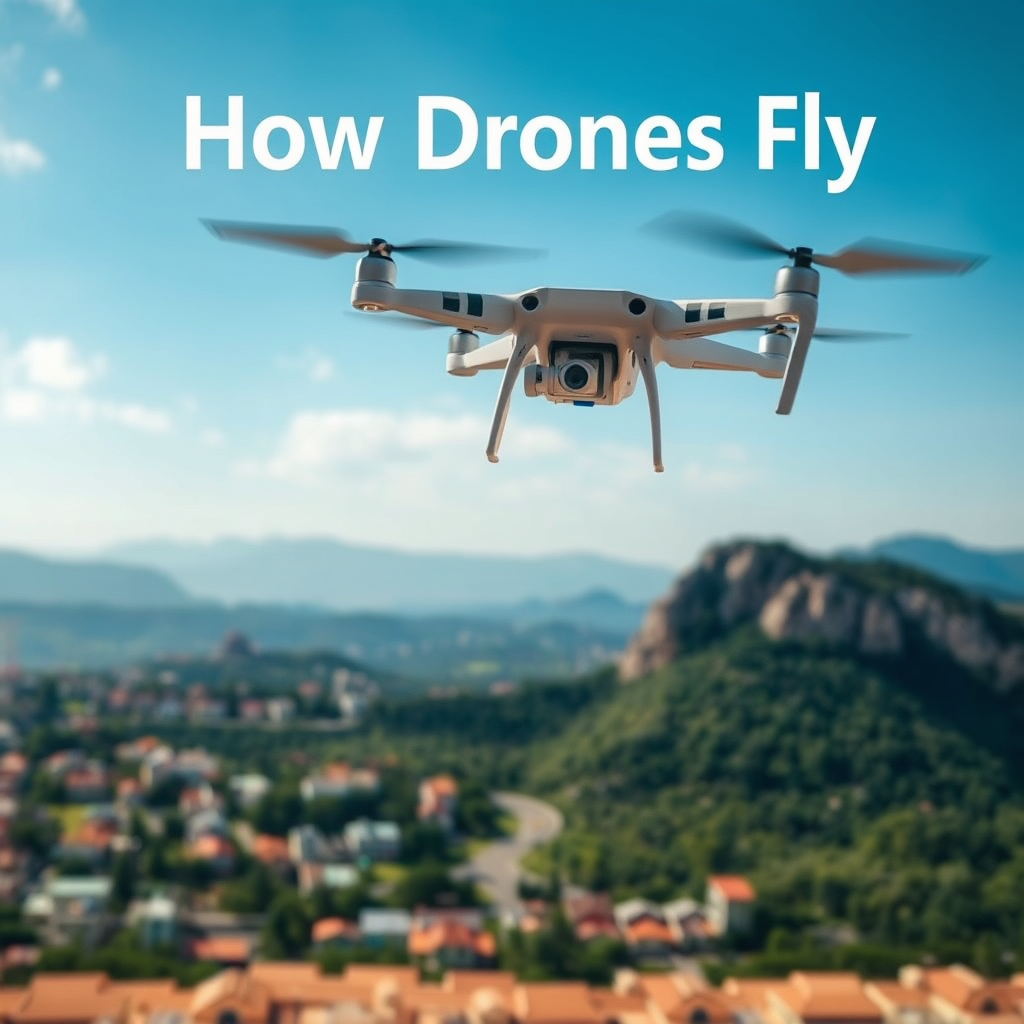
Drones fly by utilizing principles of aerodynamics, primarily through the lift generated by their rotors or wings. This flight is controlled by manipulating the thrust and stability of the drone, allowing it to ascend, descend, and maneuver in various directions. Understanding how drones achieve flight involves delving into the science of lift, the types of drones available, the technology that powers them, and the environmental factors that influence their operation. This knowledge can significantly enhance the experience for both enthusiasts and professionals in drone operation.
The Science of Lift
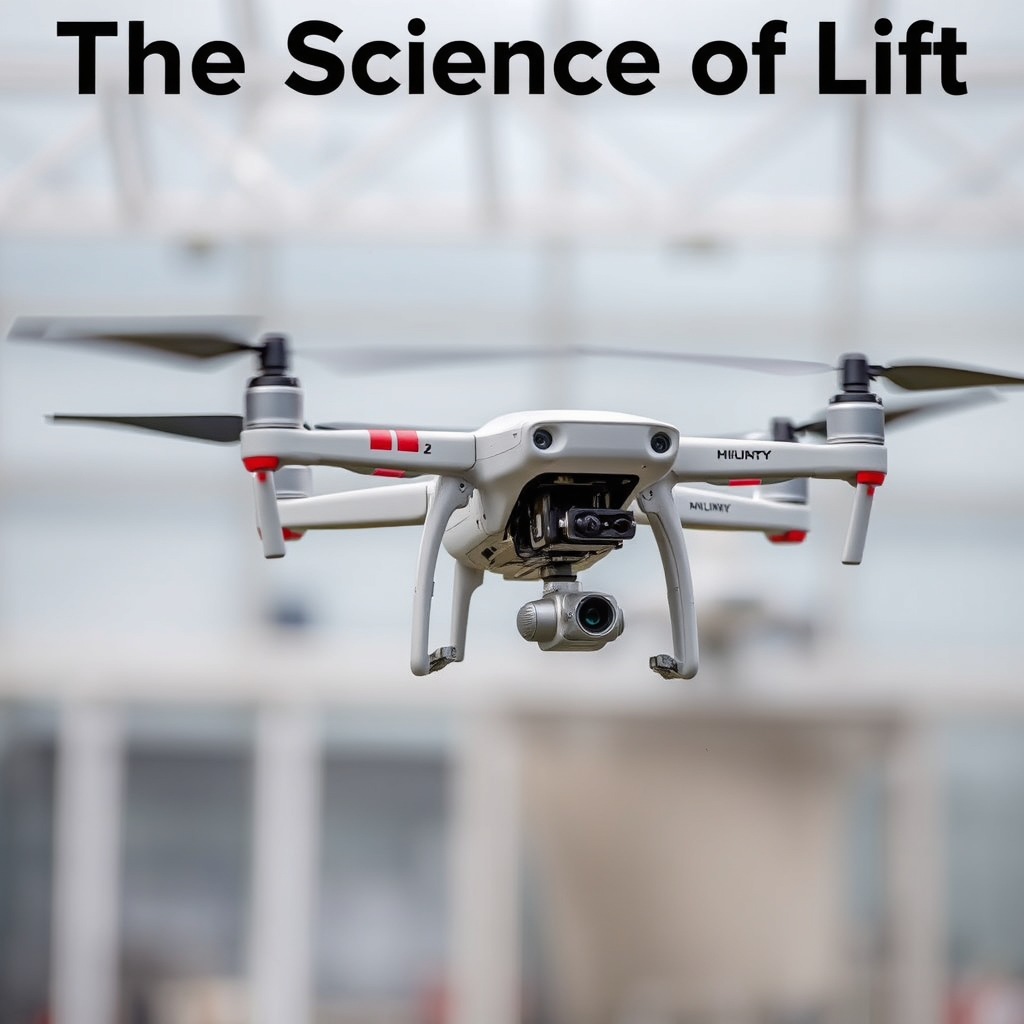
Lift is a fundamental concept in aerodynamics, essential for any flying object, including drones. In essence, lift is produced when the rotor blades or wings move through the air, creating a difference in air pressure. The shape of the rotor blades and their orientation, known as the angle of attack, play a critical role in this process. As the rotors spin, they push air downwards, and according to Newton’s third law of motion, the reaction to that downward force results in an upward lift.
The rotor speed is another crucial factor; faster rotor speeds generate more lift. For example, quadcopters, which have four rotors, can increase their lift by adjusting the throttle of each rotor independently. This capability allows them to perform intricate maneuvers such as hovering, ascending rapidly, or descending smoothly. Understanding these principles enables drone operators to optimize flight performance under various conditions, enhancing both safety and efficiency.
Types of Drones and Their Flight Mechanisms
Drones can be categorized into several types based on their flight mechanisms, each with unique advantages and applications.
Multirotors
Multirotor drones, such as quadcopters and hexacopters, are perhaps the most recognizable types of drones. They utilize multiple rotors to achieve vertical lift and stability. The primary advantage of multirotors is their ability to hover in place, which is invaluable for tasks that require precision, such as aerial photography, surveying, and inspection. These drones can easily maneuver in tight spaces and are typically easier to operate for beginners due to their intuitive flight controls.
Fixed-Wing Drones
In contrast, fixed-wing drones rely on traditional wings to generate lift, much like an airplane. These drones are designed for longer flight durations and greater distances, making them suitable for applications such as agricultural monitoring, search and rescue missions, and mapping large areas. Fixed-wing drones can travel faster and cover more ground compared to multirotors, but they require a runway or a catapult for takeoff and landing, which can limit their operational flexibility.
Hybrid Drones
Hybrid drones combine features from both multirotors and fixed-wing designs, offering the benefits of vertical takeoff and landing (VTOL) along with extended flight ranges. These versatile drones are increasingly being used in various fields, including logistics and emergency response, where both flexibility and endurance are essential.
Control Systems and Navigation
The effectiveness of a drone’s flight depends significantly on its control systems and navigation technology. Flight controllers are the brain of the drone; they manage the stability and responsiveness of the aircraft during flight. These controllers use a combination of sensors, including gyroscopes, accelerometers, and magnetometers, to maintain balance and orientation.
In addition to flight controllers, GPS technology plays a vital role in navigation. GPS allows drones to track their location accurately, enabling features such as waypoint navigation, where the drone can autonomously fly to predetermined locations. Advanced models also incorporate real-time kinematic (RTK) positioning systems for centimeter-level accuracy, which is crucial for applications requiring high precision, such as surveying and agricultural mapping.
Autonomous Flight Systems
With advancements in artificial intelligence and machine learning, many drones are now equipped with autonomous flight systems. These systems allow drones to perform complex missions with minimal human intervention, such as obstacle avoidance and automated landing. As these technologies continue to evolve, the potential applications for drones across various industries will expand significantly.
The Role of Batteries and Power Supply
Power supply is another critical aspect of drone flight. Most consumer and professional drones utilize lithium polymer (LiPo) batteries due to their high energy density and lightweight properties. These batteries provide the necessary power for flight while balancing weight considerations.
Battery Life and Management
Battery life is a crucial factor affecting flight duration and overall performance. Operators must carefully manage battery usage to maximize flight time. Techniques such as monitoring battery levels, understanding the energy consumption of different flight modes, and using battery management systems (BMS) can help extend battery life. Some advanced drones also have features that provide real-time telemetry data, allowing operators to make informed decisions about when to land.
Future Developments in Drone Power
As drone technology continues to advance, researchers are exploring alternative power sources, such as solar energy and hydrogen fuel cells. These innovations could potentially increase flight durations and open new possibilities for drone applications, particularly in remote areas where recharging options are limited.
Environmental Factors Affecting Flight
Drones are not immune to the effects of environmental conditions. Several external factors can significantly impact a drone’s performance and stability during flight.
Wind Speed and Direction
Wind is one of the most significant environmental challenges for drone operators. High wind speeds can lead to reduced stability and control, making it difficult for drones to maintain their intended flight path. Operators should always check weather conditions before flying and, if necessary, delay flights until conditions improve. Advanced drones often include built-in wind resistance features that help stabilize flight in breezy conditions.
Altitude and Temperature
Altitude and temperature also play essential roles in flight dynamics. As altitude increases, the air becomes thinner, reducing the amount of lift generated by the rotors. This effect becomes more pronounced in mountainous regions or during high-altitude flights. Similarly, temperature can affect battery performance; colder temperatures may reduce battery life and efficiency, impacting overall flight duration.
Safety Features and Regulations
As the popularity of drones continues to grow, so does the importance of safety features and regulatory compliance. Many modern drones are equipped with fail-safe features designed to enhance safety during operation.
Safety Features
Common safety features include return-to-home functions, which automatically bring the drone back to its launch point in case of signal loss or low battery. Other features, such as obstacle avoidance systems, help prevent collisions during flight, ensuring safer operations in complex environments.
Understanding Regulations
Regulatory compliance is crucial for legal and safe drone operation. Different countries have varying regulations concerning drone usage, often requiring operators to register their drones and obtain licenses for commercial use. Understanding local regulations, including altitude limits and no-fly zones, is essential for responsible drone operation. Keeping abreast of changes in laws can also help operators avoid fines and legal issues.
In conclusion, drones fly through a combination of aerodynamics, advanced technology, and careful control. By understanding these principles, enthusiasts and operators can better appreciate the mechanics of flight and improve their piloting skills. Whether you’re a hobbyist or a professional, staying informed about drone technology can enhance your flying experience. As the drone industry continues to evolve, embracing these advancements will be crucial for maximizing the potential benefits and ensuring safe operations.
Frequently Asked Questions
What are the basic principles of how drones fly?
Drones fly based on the principles of aerodynamics, primarily utilizing four main forces: lift, weight, thrust, and drag. Lift is generated by the drone’s propellers, which spin rapidly to create upward force against gravity. The weight is the drone’s mass, and thrust is produced by the motors, pushing the drone forward. Drag, the resistance air exerts on the drone, must be minimized for efficient flight. Understanding these forces is essential for anyone interested in drone operation or design.
How do drone propellers generate lift?
Drone propellers generate lift by creating a difference in air pressure above and below the blades. When the propellers spin, they push air downwards, resulting in lower pressure above the blades and higher pressure below, which creates upward lift. The pitch of the propeller blades and the speed at which they rotate play crucial roles in determining the amount of lift produced. Properly tuning these elements is vital for stable and controlled flight.
Why do drones have multiple rotors, and how does it affect their flight?
Drones commonly feature multiple rotors, such as quadcopters with four, to enhance stability and control during flight. Multiple rotors distribute the weight more evenly and allow for better maneuverability, as each rotor can be adjusted individually to control the drone’s pitch, roll, and yaw. This design also provides redundancy; if one rotor fails, the remaining rotors can help maintain flight control, making multi-rotor drones safer and more reliable.
What is the best way to learn how to fly a drone?
The best way to learn how to fly a drone is to start with a flight simulator or a beginner-friendly drone that offers features like altitude hold and one-key takeoff/landing. Many educational resources, including online tutorials and drone flight schools, provide structured lessons that cover essential flying techniques and safety regulations. Additionally, practicing in open areas away from obstacles will help build confidence and improve your flying skills.
Which factors affect a drone’s flight time and performance?
A drone’s flight time and performance are influenced by several factors, including battery capacity, weight, aerodynamic design, and environmental conditions. Heavier drones require more power to maintain lift, which can shorten flight time. Additionally, wind conditions can impact stability and battery consumption, while efficient designs with optimized propellers can enhance performance and prolong flight duration. Understanding these factors helps users select the right drone for their needs and manage flight expectations effectively.
References
- https://en.wikipedia.org/wiki/Drone
- https://www.nasa.gov/mission_pages/earth
- https://www.faa.gov/uas/
- https://www.sciencedirect.com/science/article/pii/S2351978919302286
- https://www.nationalgeographic.com/science/article/how-drones-work
- https://www.aaas.org/news/how-drones-are-changing-science
- https://www.wired.com/story/how-drones-fly/
- https://www.sciencedaily.com/releases/2020/07/200723134533.htm
