

Drones equipped with infrared sensors have fundamentally changed the landscape of night operations, enabling enhanced visibility and target identification even in complete darkness. This innovative technology empowers various industries—from agriculture to law enforcement—to conduct their operations more efficiently after sundown. In this article, we will delve into the mechanics of infrared technology in drones and examine its diverse applications across multiple sectors.
Understanding Infrared Sensors
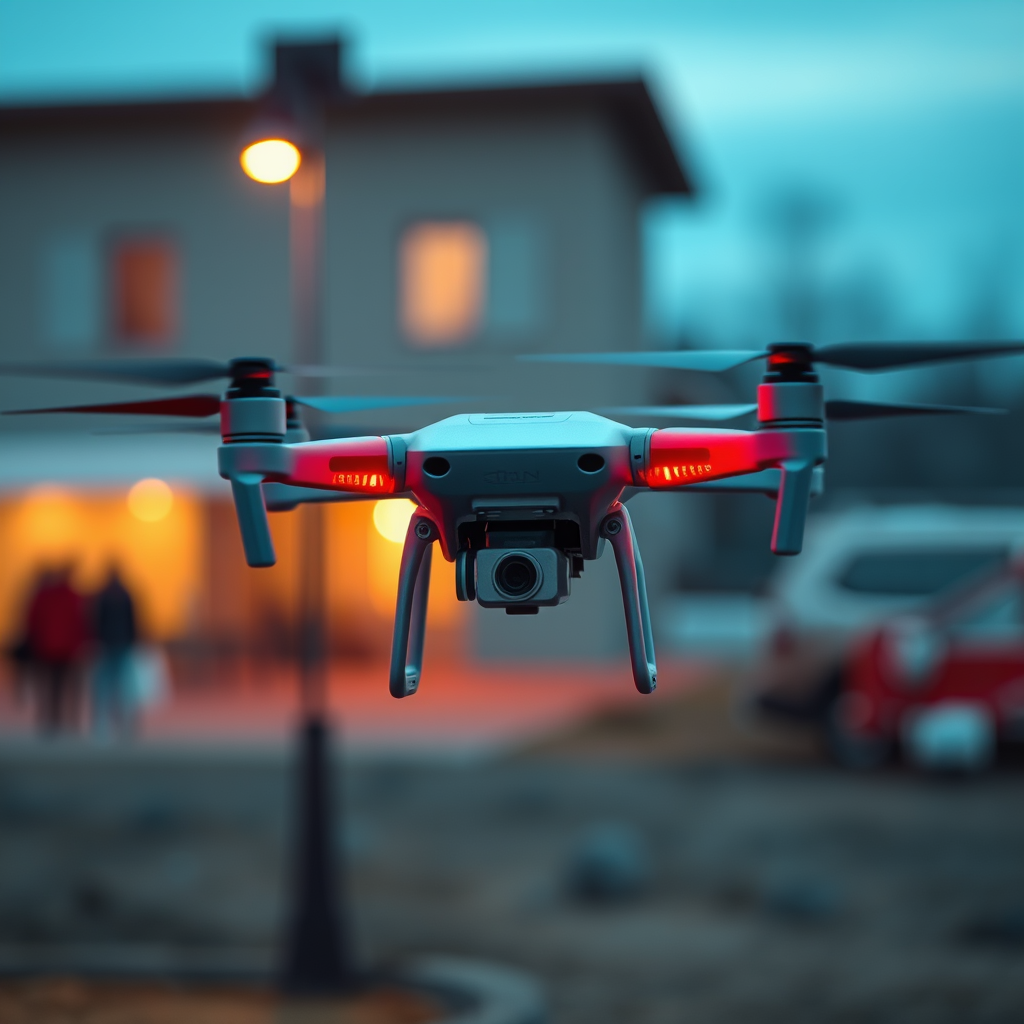
Infrared sensors are sophisticated devices that detect heat emitted from objects, allowing drones to “see” in conditions where traditional optical cameras would fail. The principle behind infrared sensing is based on the detection of thermal radiation, which is emitted by all objects depending on their temperature. Drones equipped with these sensors are capable of detecting minute differences in heat signatures, making them exceptionally useful for identifying living beings, warm machinery, or any object that generates heat.
Infrared sensors can be broadly classified into two categories: active and passive sensors. Active sensors emit their energy and measure the reflected heat, while passive sensors only detect the natural thermal radiation emitted by objects. This distinction is crucial, as passive infrared sensors are often preferred for drone applications due to their lower energy requirements and ability to operate quietly, which is particularly important in sensitive operations such as wildlife monitoring or law enforcement.
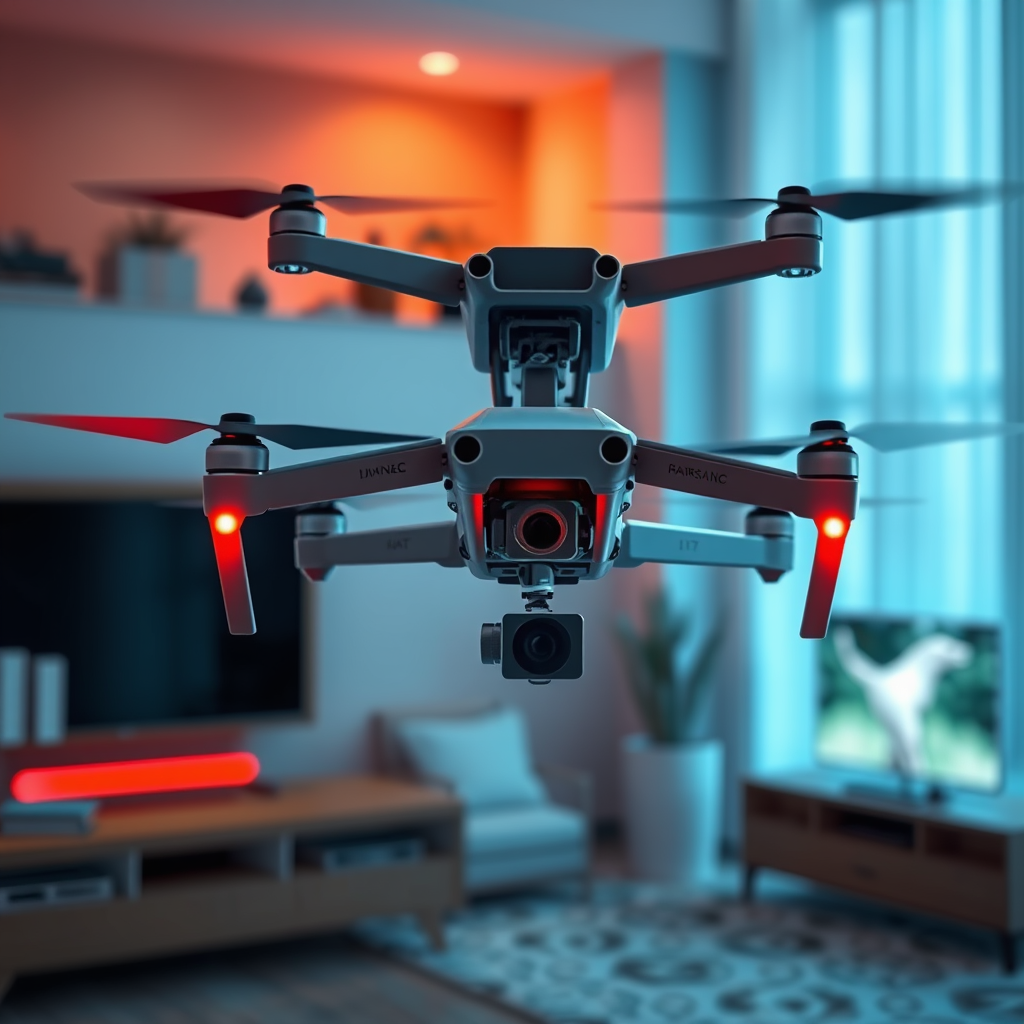
The technology behind these sensors has advanced significantly, leading to smaller, lighter, and more efficient units that can be easily integrated into drone systems. As a result, operational capabilities during nighttime have expanded dramatically, paving the way for innovative solutions across various sectors.
Applications in Law Enforcement
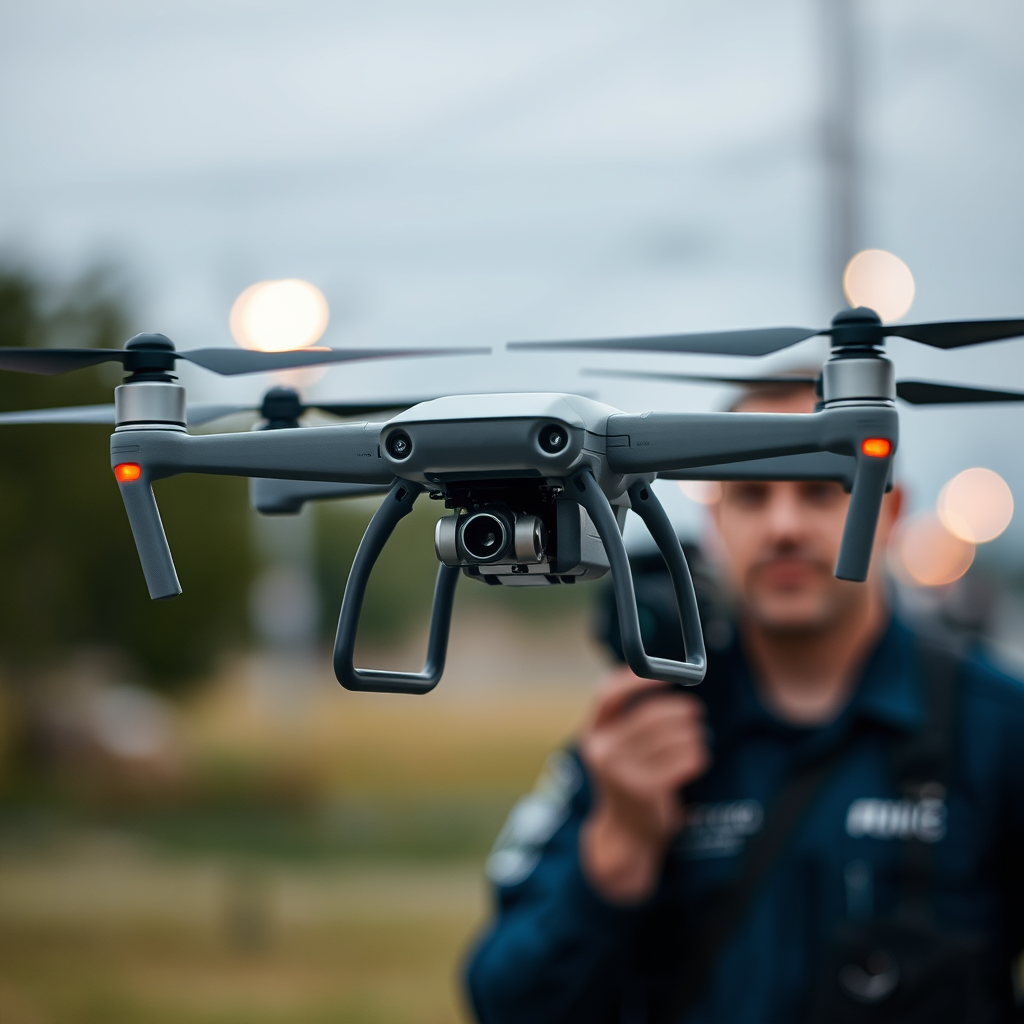
One of the most critical applications of drones equipped with infrared capabilities is in law enforcement. These drones play an invaluable role in search and rescue operations, particularly at night when visibility is limited. When a person goes missing in dark environments, traditional search methods can be labor-intensive and time-consuming. However, with infrared-equipped drones, officers can quickly locate individuals based on their heat signatures, significantly improving response times.
In addition to search and rescue, drones are increasingly used for surveillance in law enforcement. They provide an effective means of monitoring suspicious activities without alerting potential offenders. For instance, during a nighttime operation, a drone can be deployed to observe a specific location while remaining undetected, enabling officers to gather intelligence and make informed decisions. This capability is particularly beneficial in urban environments, where crime often spikes after dark.
Moreover, the use of drones enhances officer safety by reducing the need for ground personnel to enter potentially dangerous situations. By utilizing infrared technology, law enforcement agencies can conduct surveillance and reconnaissance from a safe distance, ensuring that officers remain out of harm’s way while still gathering crucial information.
Agricultural Benefits
The agricultural sector is another area that has greatly benefited from drones equipped with infrared sensors. Farmers use these drones to assess crop health by detecting temperature variations that can indicate stress, disease, or pest infestations. The ability to monitor crops at night with infrared technology allows farmers to gain insights into their fields without disrupting their daily operations.
For example, thermal imaging can reveal areas of a field that may be experiencing water stress, as plants under duress typically exhibit higher temperatures. By identifying these areas, farmers can make timely irrigation decisions, optimizing water usage and reducing waste. This application is particularly valuable in regions facing water scarcity, where efficient irrigation practices are essential for sustainable agriculture.
Additionally, nighttime monitoring using infrared sensors can enhance pest management strategies. By identifying heat signatures associated with insect infestations, farmers can target specific areas for treatment, thereby minimizing pesticide use and protecting beneficial organisms.
Search and Rescue Missions
Infrared sensors have dramatically enhanced the efficiency of search and rescue missions, particularly in challenging environments such as wilderness areas or disaster zones. Drones equipped with these sensors can cover large areas quickly, providing real-time data that is invaluable for rescue teams. For instance, in the aftermath of natural disasters like earthquakes or hurricanes, traditional search methods can be inadequate due to debris and poor visibility. Drones can swiftly navigate these obstacles, locating survivors based on their heat signatures.
A notable example of this application occurred during the 2017 hurricanes in Puerto Rico. Search and rescue teams deployed infrared-equipped drones to identify individuals trapped under rubble or in isolated areas, significantly expediting rescue efforts. The ability to pinpoint the exact location of individuals in distress allows rescue teams to allocate resources more effectively, improving overall outcomes.
Furthermore, the integration of infrared technology with drone mapping capabilities enables rescue teams to create detailed thermal maps of affected areas. These maps highlight regions of interest, helping teams prioritize their search efforts and enhance coordination among various agencies involved in the rescue operation.
Environmental Monitoring
Drones outfitted with infrared sensors also play a crucial role in environmental monitoring and conservation efforts. By identifying heat patterns in wildlife habitats, these drones aid researchers and conservationists in understanding animal behaviors, migration patterns, and habitat utilization. For example, infrared technology can be used to monitor nocturnal species that are difficult to observe during the day, providing valuable data for conservation planning.
Additionally, drones equipped with infrared sensors are instrumental in tracking illegal poaching activities. By detecting unusual heat signatures in protected areas, conservationists can identify potential poaching activities and respond accordingly. This capability is particularly vital in regions where wildlife is under threat from illegal hunters. Drones can patrol vast areas of land more efficiently than ground teams, enabling quicker response times to protect endangered species.
The use of infrared technology also extends to habitat restoration efforts. By monitoring temperature variations in ecosystems, researchers can assess the impacts of climate change and implement targeted conservation strategies to mitigate adverse effects.
Challenges and Limitations
Despite the numerous advantages of infrared sensors, there are still challenges and limitations associated with their use in drone operations. One significant limitation is the sensor’s performance in adverse weather conditions. Heavy rain, fog, or snow can obscure infrared signals, reducing the effectiveness of the technology. This limitation necessitates careful planning and consideration of environmental conditions when deploying drones for night operations.
Moreover, the successful application of infrared technology requires skilled operators who can accurately interpret the data collected. Misidentification of heat signatures can lead to incorrect conclusions, potentially jeopardizing missions in law enforcement or search and rescue operations. As a result, training and certification programs for drone operators are becoming increasingly important to ensure the effective use of this technology.
Future Innovations
The future of infrared technology in drones is poised for exciting advancements. Innovations in sensor technology are expected to improve the resolution and effectiveness of infrared imaging, enabling more precise data collection and analysis. Enhanced thermal sensitivity will allow drones to detect even the smallest variations in temperature, leading to greater accuracy in identifying targets.
Additionally, the integration of artificial intelligence (AI) with infrared drones could revolutionize decision-making processes during night operations. AI algorithms can analyze thermal data in real-time, identifying patterns and anomalies that may signal areas of interest. This capability can assist operators in prioritizing their focus, enhancing the overall efficiency of missions in various sectors.
As regulations surrounding drone operations continue to evolve, the potential for expanded use of infrared-equipped drones will likely grow. With advancements in technology and regulatory frameworks, industries will be able to leverage the full potential of infrared sensors, leading to more effective and safer night operations.
Drones equipped with infrared sensors are transforming how various sectors operate after dark, providing crucial insights and improving efficiency. As this technology continues to advance, its applications are likely to expand, offering even more benefits across industries. For those interested in utilizing drones for night operations, exploring infrared technology is a significant step forward.
Frequently Asked Questions
How do drones equipped with infrared sensors enhance night operations?
Drones equipped with infrared sensors significantly enhance night operations by allowing operators to detect heat signatures in low-light conditions. These sensors can identify living beings, vehicles, and other thermal anomalies, making them invaluable for search and rescue missions, wildlife monitoring, and security surveillance. The ability to see in complete darkness gives drones a tactical advantage for various applications, ensuring effective operation even when visibility is compromised.
What are the main advantages of using drones with infrared sensors for surveillance?
The main advantages of using drones with infrared sensors for surveillance include improved visibility in darkness, the capability to monitor large areas quickly, and the ability to gather intelligence without being easily detected. Infrared sensors can penetrate fog, smoke, and other obscurants, providing clear images that are crucial for security operations, law enforcement activities, and border patrol. This technology not only enhances safety but also increases the efficiency of surveillance operations.
Why is infrared technology preferred for nighttime drone operations over traditional cameras?
Infrared technology is preferred for nighttime drone operations because it detects thermal radiation rather than relying on visible light, making it effective in complete darkness or adverse weather conditions. Traditional cameras can struggle in low-light environments, often resulting in grainy or unusable footage. In contrast, infrared sensors provide clear and actionable data, which is essential for critical missions such as firefighting, search and rescue, and military reconnaissance.
Which industries benefit the most from drones with infrared sensors for night operations?
Several industries benefit from drones equipped with infrared sensors for night operations, including law enforcement, search and rescue, agriculture, and energy. In law enforcement, they enhance surveillance capabilities, while in search and rescue, they help locate missing persons in challenging environments. In agriculture, farmers utilize infrared sensors to monitor crop health at night, and the energy sector uses drones for inspecting pipelines and power lines after dark, ensuring safety and operational efficiency.
How can I ensure optimal performance of drones with infrared sensors during night operations?
To ensure optimal performance of drones with infrared sensors during night operations, it is crucial to conduct thorough pre-flight checks, including calibrating the sensors and checking battery levels. Operators should familiarize themselves with the drone’s infrared capabilities and settings to maximize image quality. Additionally, understanding the environmental conditions, such as temperature differences and potential obstructions, can enhance the effectiveness of the infrared technology during nighttime missions.
References
- https://en.wikipedia.org/wiki/Infrared_sensor
- https://www.nasa.gov/feature/nasa-drones-use-infrared-sensors-to-help-monitor-wildfires
- https://www.sciencedirect.com/science/article/pii/S2352864819300421
- https://www.researchgate.net/publication/332634120_Infrared_Sensors_for_Drones_Applications_and_Technological_Advances
- https://www.mdpi.com/journal/remotesensing/special_issues/Unmanned_Aerial_Vehicles
- https://www.darpa.mil/program/gremlins
- Academics – Naval Postgraduate School
