
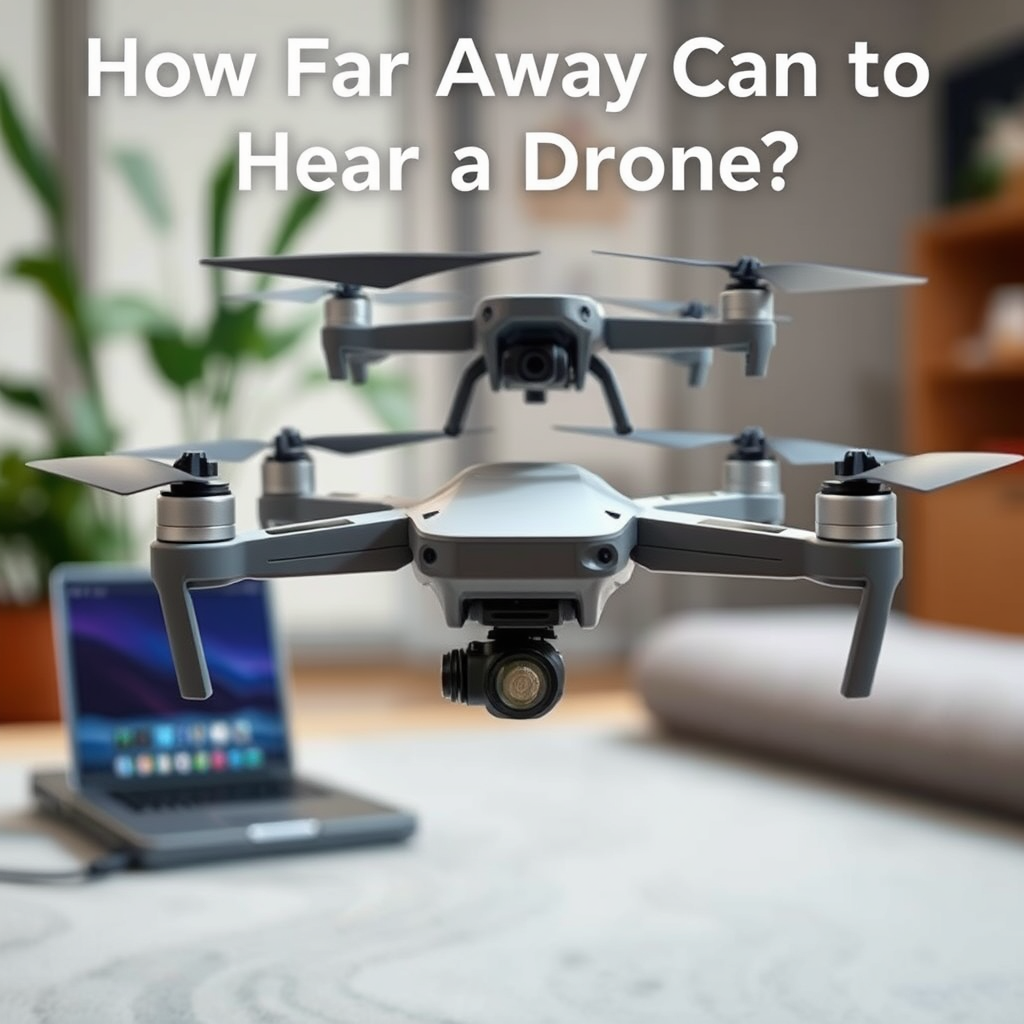
Drones can typically be heard from a distance of about 300 to 400 meters (approximately 1,000 to 1,300 feet) under optimal conditions. However, various factors such as surrounding noise, terrain, and drone design can significantly affect this range. Understanding these influences is essential for both drone operators and enthusiasts, as it informs safe operational practices and enhances awareness in populated areas. This article will explore the factors influencing the audibility of drones and provide insights on sound characteristics.
Understanding Drone Noise Levels
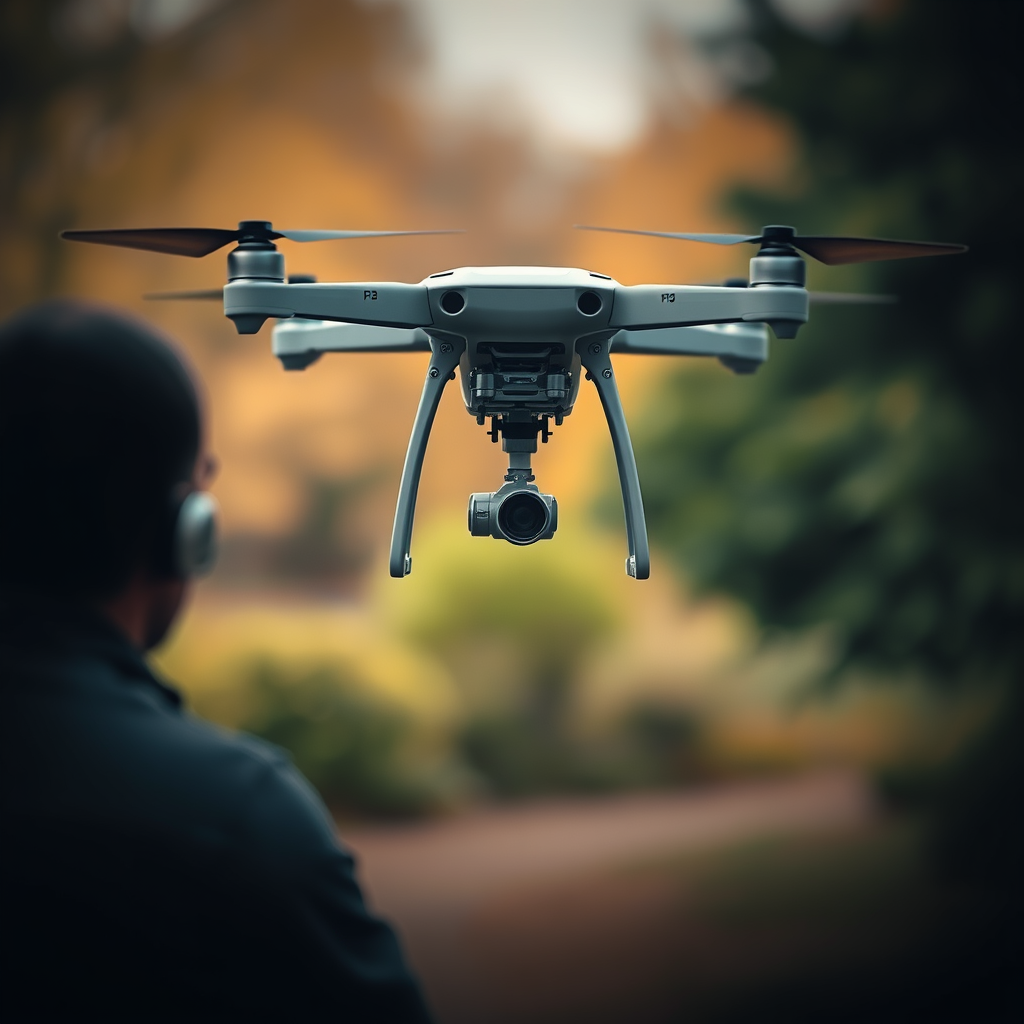
Drones produce noise primarily from their propellers and motors, which generate sound through both aerodynamic and mechanical means. The noise level is typically measured in decibels (dB), with higher values indicating louder sounds. Different models generate varying decibel levels; for instance, consumer drones may operate at around 60 dB, similar to the sound of normal conversation, while professional drones equipped with more powerful motors and larger propellers can exceed 80 dB, akin to heavy traffic noise.
The design of the drone also plays a crucial role in determining the noise it produces. Quieter models often incorporate features such as sound-dampening technology or specially designed propellers that minimize turbulence. For instance, some manufacturers focus on optimizing propeller shapes to reduce noise while maintaining efficiency. Thus, the noise levels can significantly vary between models, making it essential for users to consider these specifications when selecting a drone for specific applications.
Factors Affecting Sound Distance
Several environmental factors can significantly impact how far the sound of a drone can travel. One of the primary considerations is environmental noise. In urban areas, for example, the background noise from traffic, construction, and other activities can mask the sounds emitted by drones. This phenomenon means that in a busy city, a drone may go unnoticed even at closer ranges, whereas in a quiet rural setting, the same drone could be heard from a much greater distance.
Terrain also plays a crucial role in sound propagation. Open spaces, such as fields or lakes, allow sound to travel further without obstruction, whereas densely wooded or hilly areas can absorb and deflect sound waves, limiting the audibility of a drone. The presence of features such as buildings, hills, and vegetation can create sound shadows, effectively blocking the sound from reaching the listener. Therefore, understanding the specific environment in which a drone will be operated is essential for assessing its potential audibility.
Types of Drones and Their Noise Profiles
Drones vary widely in their noise profiles depending on their intended use. Consumer drones, often designed for recreational purposes, tend to be quieter and more compact. These drones prioritize user-friendly features and ease of transport, which often results in smaller, less powerful motors and propellers. As a result, the noise produced is generally less disruptive, making them suitable for use in residential areas.
In contrast, professional drones, which are used for applications such as aerial photography, surveying, and industrial inspections, often require more robust components to support their functionality. These drones may feature larger or more powerful motors that generate higher noise levels, making them less suitable for operations in noise-sensitive environments. For instance, a drone used for agricultural monitoring may need to fly at lower altitudes and higher speeds, generating more noise than a consumer drone used for casual flying. Understanding the differences in noise profiles can help users select the appropriate drone for their specific operational needs.
Weather Conditions and Their Impact
Weather conditions can also significantly influence how far the sound from a drone can travel. Wind direction and speed can either carry sound further or dampen it. For example, a strong wind blowing in the direction of a listener can enhance the audibility of a drone, whereas a crosswind or headwind may hinder sound propagation. Similarly, wind speed can affect the frequency and intensity of the noise produced, with high winds possibly creating turbulence that alters the drone’s sound profile.
Precipitation, such as rain or snow, can absorb sound waves, effectively reducing the distance over which a drone can be heard. Wet surfaces can also reflect sound differently than dry surfaces, further complicating the sound landscape. Other weather phenomena, such as temperature inversions, can trap sound closer to the ground, potentially increasing the range at which a drone can be heard in specific conditions. Thus, drone operators should consider weather forecasts and local atmospheric conditions when planning flights, particularly in sensitive areas.
Measuring Sound Distance: Techniques and Tools
To accurately measure the distance over which a drone can be heard, various techniques and tools can be employed. Sound level meters are commonly used to assess decibel levels at various distances from the drone. These devices can provide precise measurements and help establish a clear understanding of how far the sound travels under different conditions.
Field tests are another effective method for determining real-world hearing distances. By conducting controlled experiments in various environments, operators can gather valuable data on the audibility of different drone models. These tests often involve measuring sound levels at set distances from the drone while noting environmental factors such as background noise and terrain. Such empirical data can greatly enhance the understanding of drone noise profiles and inform best practices for drone usage.
Legal and Safety Considerations
Legal regulations regarding drone operation often include noise restrictions aimed at minimizing disturbances in residential and populated areas. Operators must remain aware of these regulations to ensure compliance and maintain public safety. In many jurisdictions, local laws may govern the maximum permissible noise levels for drone flights, and violations can result in penalties.
Moreover, awareness of sound levels is crucial for responsible drone use. Being mindful of the noise generated by a drone can help operators avoid conflicts with neighbors or other individuals in the vicinity. For instance, drone operators may choose to fly during times when noise is less likely to disturb others or select quieter drone models for use in residential areas. Understanding the intersection of legal, social, and environmental factors is essential for promoting safe and respectful drone operation.
In summary, while drones can be heard from several hundred meters away, the actual distance varies widely based on numerous factors, including drone design, environmental noise, terrain, weather conditions, and legal regulations. For drone operators and enthusiasts alike, understanding these dynamics is crucial for effective and responsible use. By considering the factors outlined in this article, individuals can enhance their awareness of drone audibility and its implications for safe operations in various environments. For more information on drone operations and their impacts, stay tuned for our upcoming articles!
Frequently Asked Questions
How far away can you typically hear a drone?
The distance from which you can hear a drone largely depends on its size, type, and the environment. Generally, consumer drones produce a sound that can be heard from about 300 to 500 meters away in open areas. However, factors like wind direction, background noise, and terrain can affect how far the sound travels, making it possible for some drones to be heard from even greater distances under optimal conditions.
What factors influence how far away a drone can be heard?
Several factors influence the audibility of a drone at a distance, including its motor type, propeller size, and speed. Environmental elements such as wind, humidity, and ambient noise levels play a crucial role as well, as sounds can dissipate or carry differently in various settings. Additionally, the type of drone, whether it’s a quadcopter or a fixed-wing model, can also impact noise levels, with larger drones typically being louder and more easily heard from afar.
Why do some people find drone noise annoying?
Drone noise can be perceived as annoying due to its high-pitched, mechanical sound that often disrupts natural sounds in the environment. This noise can be particularly bothersome in quiet areas like parks or residential neighborhoods, where the contrast between the drone’s sound and the surrounding silence is pronounced. Furthermore, the unpredictability of drone flight paths can lead to a feeling of invasion of privacy, amplifying the annoyance associated with their noise.
Which drones are the quietest and least disruptive?
Some of the quietest drones on the market are designed specifically for aerial photography and surveillance, such as the DJI Mavic Air 2 and the Parrot Anafi. These models feature optimized propeller designs and noise-reduction technology that help minimize sound output during operation. When searching for a quieter drone, consider looking for those labeled as “silent” or “stealth” models, as they are engineered to produce less noise, making them less disruptive in residential areas.
How can I reduce the noise from my drone when flying?
To reduce noise from your drone, consider using propeller upgrades or noise-dampening accessories designed to minimize sound during flight. Flying at lower speeds and avoiding aggressive maneuvers can also help decrease noise levels, as smoother flight paths tend to produce less sound. Additionally, selecting a flight location with natural sound barriers, such as trees or buildings, can help muffle the noise and lessen its impact on nearby individuals.
References
- https://en.wikipedia.org/wiki/Drone
- https://www.sciencedirect.com/science/article/abs/pii/S1369848616301779
- https://www.researchgate.net/publication/305174033_The_audibility_of_unmanned_aerial_vehicles
- https://www.ncbi.nlm.nih.gov/pmc/articles/PMC7229330/
- https://www.theguardian.com/technology/2021/jun/20/what-you-need-to-know-about-drones
- https://www.faa.gov/uas/resources/policy_library/
- https://www.nrc.gov/reading-rm/doc-collections/fact-sheets/drone-safety.html
- https://www.bbc.com/future/article/20210506-how-drones-are-changing-the-way-we-work
