
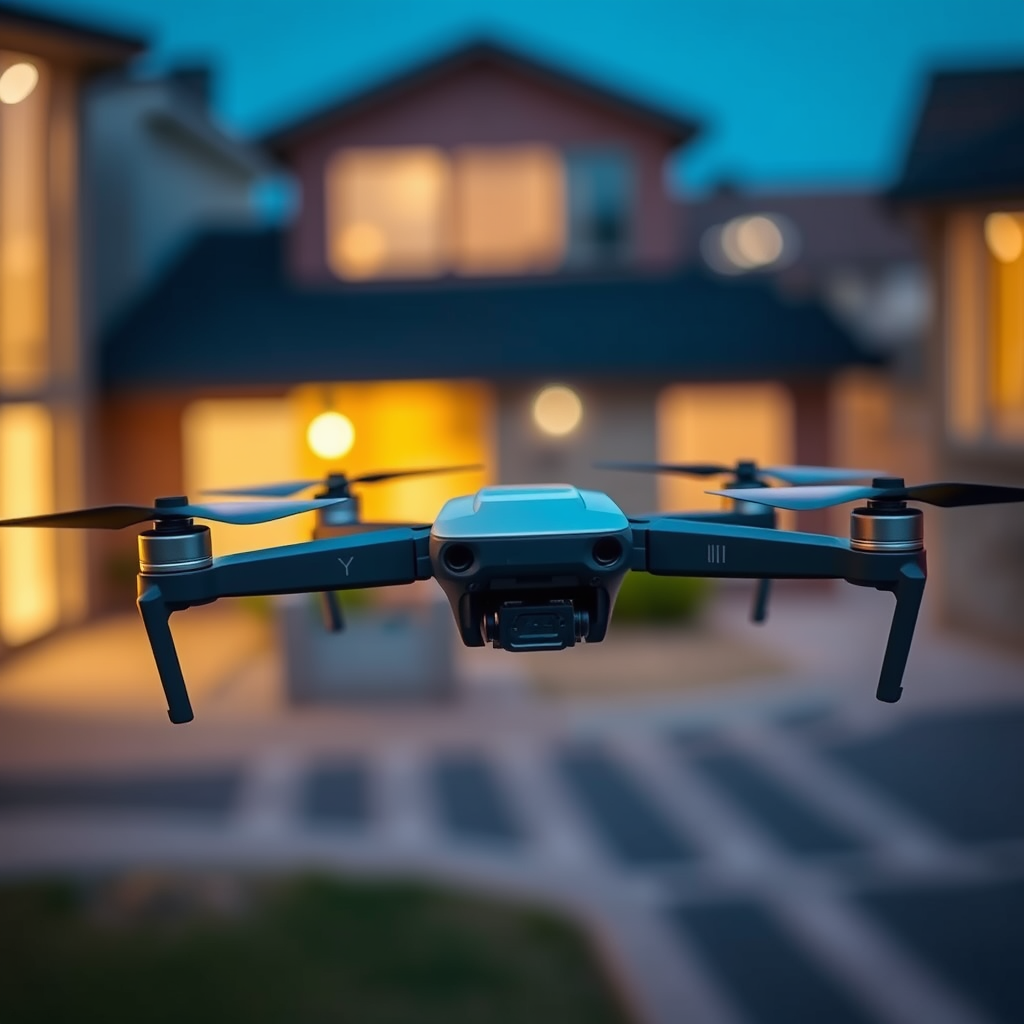
A 5.8 GHz drone can typically fly a distance of about 1 to 2 kilometers (0.6 to 1.2 miles) under optimal conditions. This range can vary significantly based on several factors, including environmental conditions, signal interference, and battery life. Understanding these variables is crucial for drone enthusiasts and professional operators alike, as it can affect everything from flight planning to compliance with aviation regulations. In this article, we will delve into the factors that impact drone range, discuss practical applications, and provide strategies to maximize your drone’s flying distance.
Understanding 5.8 GHz Frequency
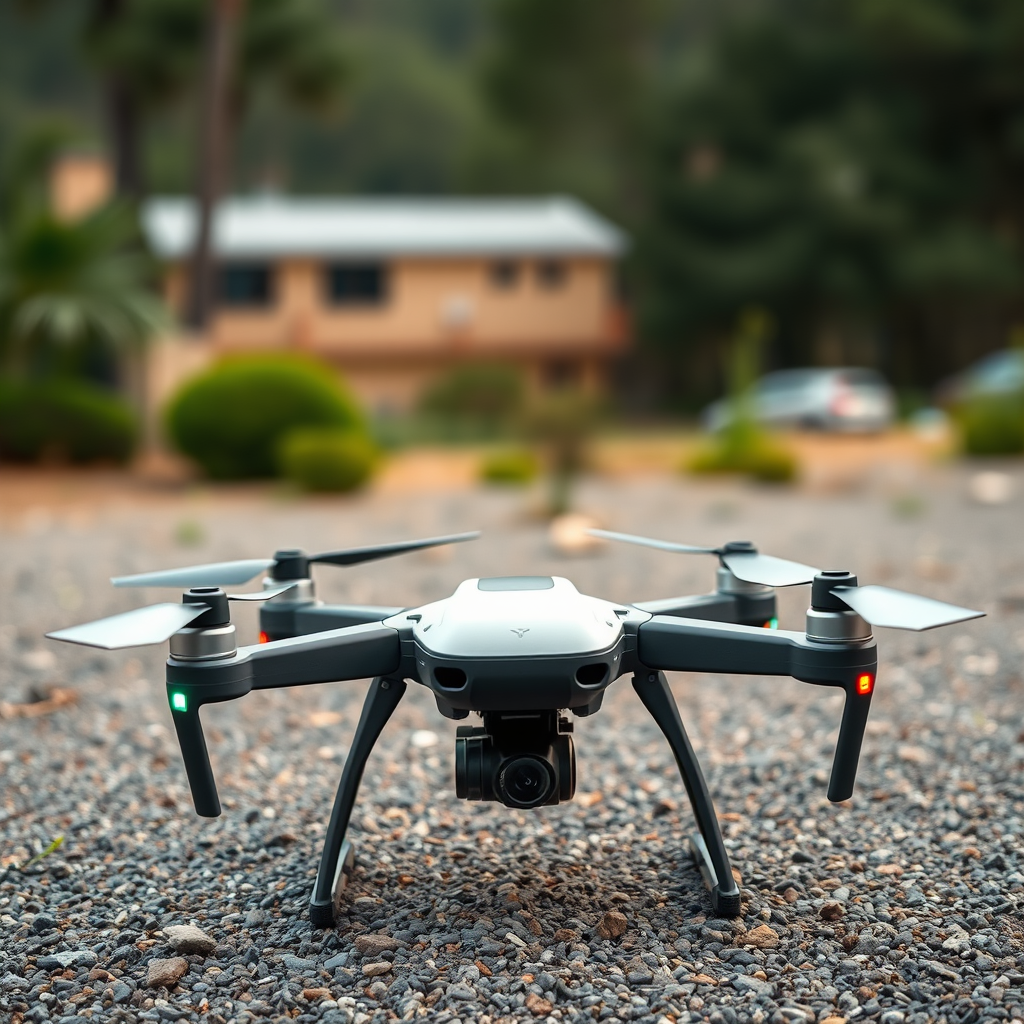
The 5.8 GHz frequency is favored in the drone industry primarily for its ability to minimize interference. Unlike lower frequencies, which are often crowded with signals from various wireless devices, the 5.8 GHz band offers a clearer transmission path. This is particularly advantageous for First Person View (FPV) flying, where pilots rely on real-time video feeds from their drones.
The clarity of 5.8 GHz signals allows for smoother video streaming and improved control, enabling pilots to navigate complex environments more effectively. However, this frequency does have a shorter range when compared to lower frequencies, which can penetrate obstacles better but are more prone to interference. Thus, while the 5.8 GHz band excels in providing high-quality video feeds, operators must remain mindful of the range limitations.
Factors Affecting Drone Range
Several key factors can significantly influence the effective range of a 5.8 GHz drone.
– Environmental Obstacles: The physical landscape can greatly reduce the distance a drone can fly. For instance, flying in areas with dense forests, tall buildings, or rugged hills can block signals and degrade performance. In open fields, where visibility is unobstructed, drones can achieve their maximum range more easily.
– Interference: The presence of other electronic devices operating on similar frequencies can disrupt the drone’s signal. This is particularly relevant in urban areas where numerous Wi-Fi networks, cordless phones, and other electronics are in use. Pilots should be aware of their flying environment and choose times and locations that minimize potential interference.
– Weather Conditions: Factors such as rain, snow, fog, and high winds can also impact a drone’s range. Moisture can dampen signal strength, while high winds can physically affect the drone’s ability to maintain its trajectory.
Battery Life and Capacity
The battery type and its condition are critical determinants of a drone’s operational range. Most consumer drones utilize Lithium Polymer (LiPo) batteries due to their high energy density and lightweight characteristics. However, battery longevity depends not only on the type but also on how well the battery is maintained.
– Battery Type: LiPo batteries provide excellent performance but require careful handling and charging to maximize their lifespan. On the other hand, Lithium-ion batteries, while offering longer life cycles, may not deliver the same peak performance for drones.
– Maintenance: Regular maintenance practices, such as ensuring battery connections are secure and storing batteries at optimal temperatures, can significantly extend their functional life during flights. Additionally, fully charged batteries before each flight can help ensure maximum range.
Drone Specifications
Not all drones are created equal; different models come with varying specifications that can influence their maximum range. High-end drones are often equipped with advanced technology that allows them to extend their operational distances.
– Antenna Design: The design and quality of antennas can greatly enhance signal strength and range. Upgrading to high-performance antennas or using directional antennas can improve connectivity over longer distances, making it possible to achieve the upper limits of the drone’s range.
– Flight Controllers: Sophisticated flight controllers equipped with advanced algorithms can also improve range by optimizing signal retuning and enhancing flight stability.
Practical Applications of Range
Understanding the effective range of 5.8 GHz drones is vital for a variety of practical applications.
– Aerial Photography: In photography, knowing the drone’s range allows photographers to plan their shots effectively, ensuring they remain within the operational limits while capturing stunning visuals.
– Surveying: In surveying and mapping, drones are often required to cover large areas. Knowing the range helps professionals to plot their routes and ensure comprehensive coverage without losing signal.
– Search-and-Rescue Operations: In emergency situations, understanding how far a drone can fly is essential for effective planning. Drones can cover significant distances to locate missing persons or assess disaster-stricken areas, but operators must be aware of their range limitations to maintain reliable control.
Tips to Maximize Your Drone’s Range
Maximizing your drone’s flying distance requires thoughtful planning and execution. Here are some practical tips:
1. Fly in Open Areas: Choose locations that minimize environmental obstacles. Open fields or large, unobstructed spaces are ideal for extending the drone’s range.
2. Use Range Extenders: Consider utilizing range extenders or signal boosters, which can enhance connectivity and extend the operational distance of your drone.
3. Optimize Battery Usage: Monitor battery levels closely and avoid aggressive maneuvers that can drain the battery quickly. Smooth flying techniques can help conserve energy and extend flight duration.
4. Stay Updated: Regularly update your drone’s firmware to ensure you have the latest enhancements and optimizations from the manufacturer.
5. Plan Your Flight Path: Pre-planning the flight route can help avoid areas of high interference and ensure the drone remains within its effective range throughout the mission.
Conclusion
Overall, while a 5.8 GHz drone can typically fly between 1 to 2 kilometers under optimal conditions, various factors can impact this range. By understanding these influences—such as environmental obstacles, interference, battery life, and drone specifications—you can effectively optimize your flying experience. Implementing strategies to maximize performance will not only enhance your operational capabilities but also ensure compliance with regulations. For more tips and insights on drone flying, stay tuned to our future articles!
Frequently Asked Questions
How far can a 5.8 GHz drone fly?
The range of a 5.8 GHz drone typically varies between 1 to 5 kilometers (0.6 to 3 miles), depending on various factors such as the drone’s design, battery life, and environmental conditions. This frequency is primarily used for video transmission, meaning the drone can maintain a solid video feed up to its maximum range. However, it’s essential to keep in mind that obstacles like buildings or trees can significantly reduce the effective range.
What factors influence the range of a 5.8 GHz drone?
Several factors influence the range of a 5.8 GHz drone, including battery capacity, transmitter power, antenna quality, and environmental conditions. Interference from other electronic devices or physical obstacles can also impede transmission and reduce range. Additionally, the drone’s weight and payload can affect its flight efficiency and overall distance capability.
Why do 5.8 GHz drones have a limited range compared to other frequencies?
5.8 GHz drones often have a limited range compared to lower frequencies, such as 2.4 GHz, because higher frequencies experience more signal attenuation and are more susceptible to obstacles. The 5.8 GHz band is primarily used for high-definition video transmission, which requires a strong signal but can be impacted by interference and physical barriers. Consequently, while the video quality may be superior, the effective range is often shorter.
Which 5.8 GHz drones offer the best range for long-distance flying?
Some of the best 5.8 GHz drones for long-distance flying include models like the DJI Mavic Air 2, Holy Stone HS720, and the Autel Robotics EVO Lite. These drones are equipped with advanced transmission technologies that enhance their range and minimize interference. When selecting a drone, consider features like enhanced antennas, battery life, and flight stability to optimize your long-distance flying experience.
How can I extend the range of my 5.8 GHz drone?
To extend the range of your 5.8 GHz drone, consider upgrading to high-gain antennas or using signal boosters designed for drone applications. Additionally, flying in open areas with minimal obstructions and avoiding crowded electromagnetic environments can significantly improve your drone’s range. Regular maintenance, such as ensuring your drone’s firmware is up to date, can also enhance performance and reliability.
References
- https://en.wikipedia.org/wiki/Drone
- https://www.faa.gov/uas/
- https://www.ncbi.nlm.nih.gov/pmc/articles/PMC6361814/
- https://www.reuters.com/technology/what-you-need-know-about-drones-2021-06-01/
- https://www.sciencedirect.com/science/article/abs/pii/S2213138820301580
- https://www.techrepublic.com/article/how-far-can-drones-fly/
- https://www.nasa.gov/centers/armstrong/news/FactSheets/FS-084-DFRC.html
