
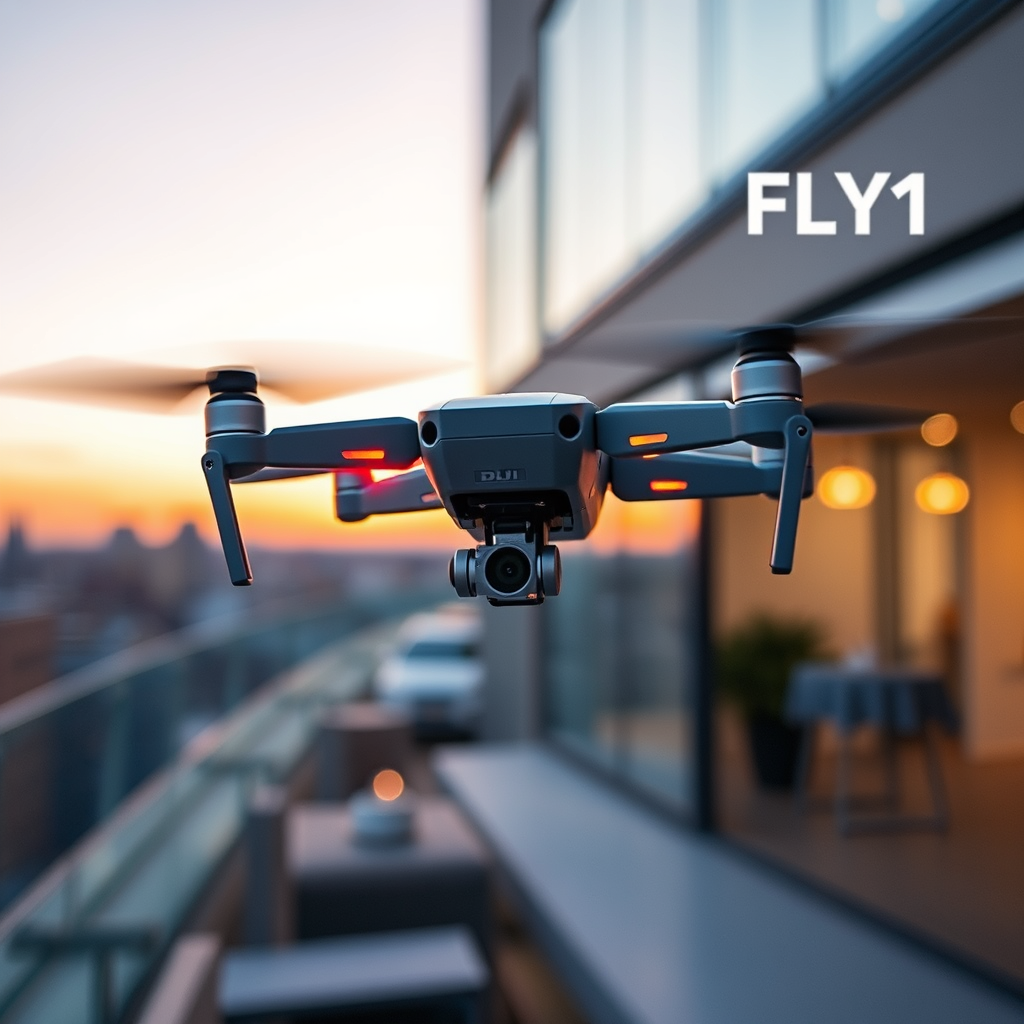
The DJI Mini 2 drone can fly up to 10 kilometers (about 6.2 miles) under optimal conditions. This impressive range empowers users to capture breathtaking aerial footage and explore expansive landscapes. However, the actual distance a drone can cover may vary due to numerous influencing factors. In this article, we will delve into the specifics of the DJI Mini 2’s flight capabilities, the environmental elements that affect its range, and practical tips to maximize your flying experience.
Understanding the DJI Mini 2’s Specifications
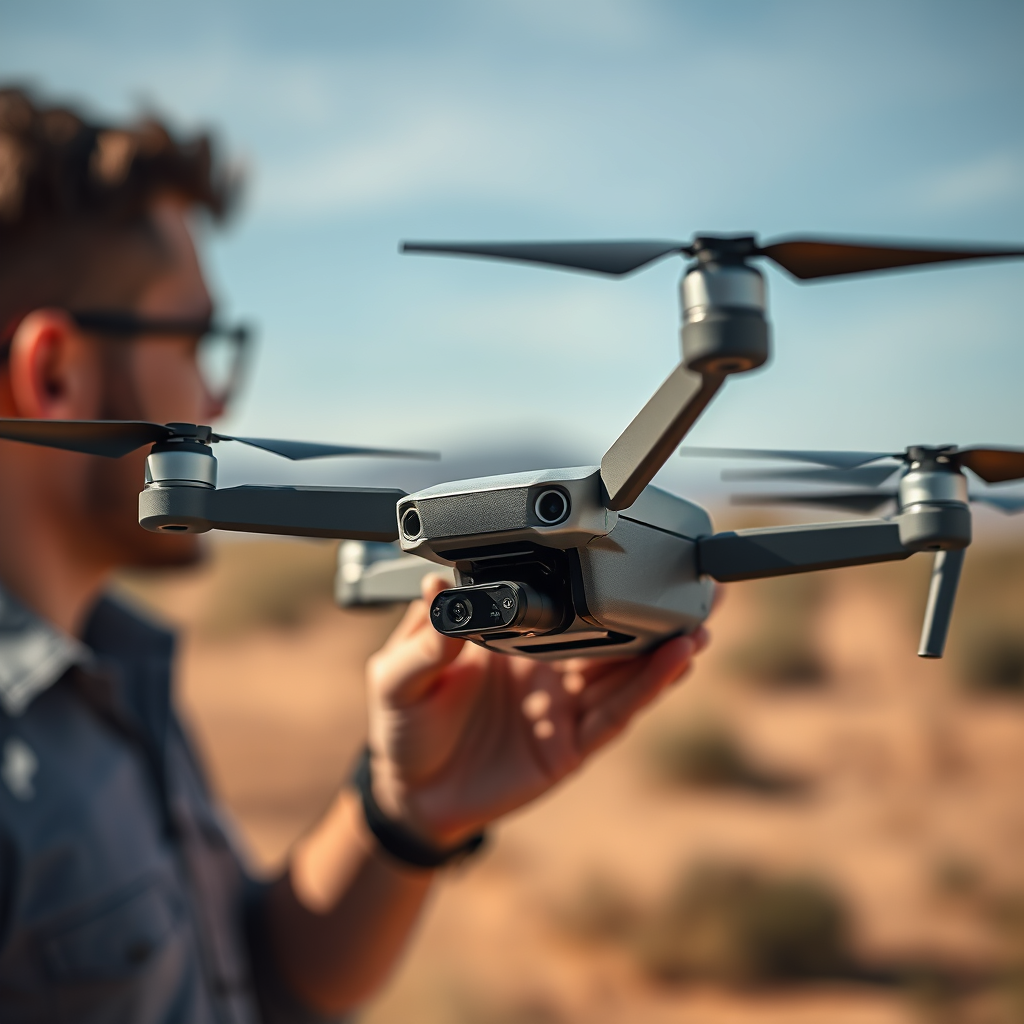
The DJI Mini 2 is equipped with advanced technology that enhances its flight capabilities. One of the standout features is the powerful OcuSync 2.0 transmission system, which allows for stable and reliable communication between the drone and the remote controller. This system provides a robust video transmission range and minimizes latency, making it easier for pilots to navigate and capture high-quality footage without interruption.
In addition to its transmission system, the DJI Mini 2 boasts a maximum altitude of 4,000 meters (approximately 13,123 feet). This altitude capability ensures that users can achieve impressive aerial perspectives. The drone’s lightweight design, weighing only 249 grams, also contributes to its efficiency during flight, making it an ideal choice for both novice and experienced drone pilots alike. Understanding these specifications is crucial for optimizing the usage of the Mini 2 and ensuring a successful flight experience.
Factors Affecting Flight Distance
While the DJI Mini 2 is capable of flying up to 10 kilometers, several factors can significantly impact its effective flight distance. Environmental conditions are paramount; for instance, high wind speeds can lead to increased resistance, thus reducing the drone’s range. Moreover, adverse weather conditions, such as rain or fog, can hinder visibility and signal quality, further limiting flight distance.
Additionally, physical obstructions play a crucial role in determining how far the drone can fly. Buildings, trees, and other obstacles can interfere with the transmission signal, causing disconnection or a reduction in range. Pilots should always consider the surroundings before initiating a flight to ensure a clear line of sight between the drone and the remote controller.
Optimal Conditions for Maximum Range
To achieve the maximum flight distance of 10 kilometers with the DJI Mini 2, it is essential to operate the drone under optimal conditions. Selecting open areas devoid of significant obstructions, such as tall structures or dense forests, can greatly enhance signal strength. This helps maintain a strong connection between the drone and the controller, allowing for extended flight distances.
Additionally, clear weather conditions—characterized by low wind speeds and no precipitation—are vital for optimal performance. Ideal flying conditions not only facilitate better signal quality but also ensure the drone operates at its best, allowing for longer flight times and greater distances. Pilots should always check weather forecasts and plan their flights accordingly to maximize their drone’s capabilities.
Battery Life and Its Impact on Range
The DJI Mini 2 is designed for impressive flight times, boasting a maximum duration of up to 31 minutes on a single charge. However, the actual flight time can vary based on factors such as flying style, weight load, and environmental conditions. It is essential to understand that battery life directly impacts the maximum achievable distance. If the battery is running low, the drone’s ability to cover significant distances may be compromised.
Moreover, battery health is an important consideration for long-term drone performance. Over time, lithium-polymer batteries can degrade, resulting in decreased flight times and reduced maximum ranges. Regularly monitoring the battery’s health and replacing it when necessary is vital to maintaining optimal performance. Investing in additional batteries can also extend flight time, allowing for longer sessions and the ability to cover greater distances.
Legal and Safety Considerations
When flying the DJI Mini 2, adhering to local regulations regarding drone flight distances and airspace restrictions is crucial. Many jurisdictions impose specific limits on how far drones can be flown from the pilot, and it is essential to familiarize yourself with these rules to avoid legal complications. Additionally, maintaining visual line-of-sight with the drone is not only a regulatory requirement in many areas but also a key safety practice.
Keeping the drone within sight ensures that pilots can monitor its location and avoid potential hazards, such as other aircraft or obstacles. Furthermore, understanding the restrictions around flying near airports or populated areas is crucial for responsible drone operation. Staying informed about local laws and regulations can enhance your flying experience and ensure safety for both the pilot and the public.
Tips for Maximizing Flight Distance
To maximize the flight distance of your DJI Mini 2, consider implementing several practical tips. First, it is crucial to keep the drone’s firmware updated. Regular updates often include performance improvements, bug fixes, and enhancements that can improve the overall flying experience and increase range.
Additionally, investing in extra batteries can significantly extend your flying sessions. Having multiple charged batteries on hand allows for longer periods of exploration and aerial photography, maximizing the potential of your drone. Furthermore, pre-flight checks, such as ensuring that the drone is calibrated and that the remote controller has sufficient battery life, can prevent unexpected issues from arising during your flight.
Lastly, pilots should practice good flying habits, such as flying slowly and steadily, which can help conserve battery life and maintain better control over the drone. Being mindful of these strategies can lead to more successful and enjoyable drone flights.
In conclusion, while the DJI Mini 2 can theoretically achieve a flight distance of up to 10 kilometers, various factors, including environmental conditions, battery health, and legal regulations, can affect its actual range. Understanding these elements and implementing best practices can help users make the most of their drone flying experience, allowing for stunning aerial captures and exploration of expansive landscapes.
Frequently Asked Questions
What is the maximum range of the DJI Mini 2 drone?
The maximum range of the DJI Mini 2 drone is approximately 10 kilometers (6.2 miles) in optimal conditions. This range is achievable thanks to the drone’s OcuSync 2.0 transmission technology, which provides a stable and reliable connection between the drone and the remote controller. However, it’s important to note that real-world factors such as obstacles, signal interference, and local regulations can reduce this maximum range.
How long can the DJI Mini 2 stay in the air before needing to recharge?
The DJI Mini 2 has a flight time of up to 31 minutes under ideal conditions. This duration can vary based on factors such as wind speed, temperature, and the weight of any attached accessories. To maximize flight time, it’s advisable to fly in calm weather and avoid aggressive maneuvers that can drain the battery more quickly.
Why does the flight distance of the DJI Mini 2 vary in different environments?
The flight distance of the DJI Mini 2 can vary significantly depending on environmental factors such as terrain, obstacles, and electromagnetic interference. Urban areas with tall buildings can obstruct the signal, reducing range, while open areas with minimal interference can allow the drone to reach its maximum distance. Additionally, flying in areas with strong Wi-Fi signals or radio waves can also affect the drone’s performance and range.
What is the best way to extend the flying range of the DJI Mini 2?
To extend the flying range of the DJI Mini 2, consider flying at higher altitudes to avoid obstacles that may obstruct the signal. Additionally, using a fully charged battery and ensuring the firmware is up-to-date can enhance performance. It’s also wise to monitor local regulations and avoid flying in areas with high electromagnetic interference to maintain a strong connection.
Which factors can limit the DJI Mini 2’s flying distance?
Several factors can limit the DJI Mini 2’s flying distance, including physical obstacles like trees and buildings that can block the signal, as well as adverse weather conditions such as strong winds or rain. Other limitations include the drone’s battery life, which can affect how far it can travel, and local regulations that may impose restrictions on flying distances. Proper planning and awareness of these factors can help optimize your flying experience.
References
- https://en.wikipedia.org/wiki/DJI_Mini_2
- https://www.dji.com/mini-2
- https://www.techradar.com/reviews/dji-mini-2
- https://www.faa.gov/uas/getting_started/part_107/
- https://www.bbc.com/news/technology-55394263
- https://www.theguardian.com/technology/2021/jan/12/dji-mini-2-review
- https://www.wired.com/story/dji-mini-2-review/
- https://www.sciencedirect.com/topics/earth-and-planetary-sciences/drone-technology
- https://www.nytimes.com/2021/01/11/technology/dji-mini-2-review.html
