
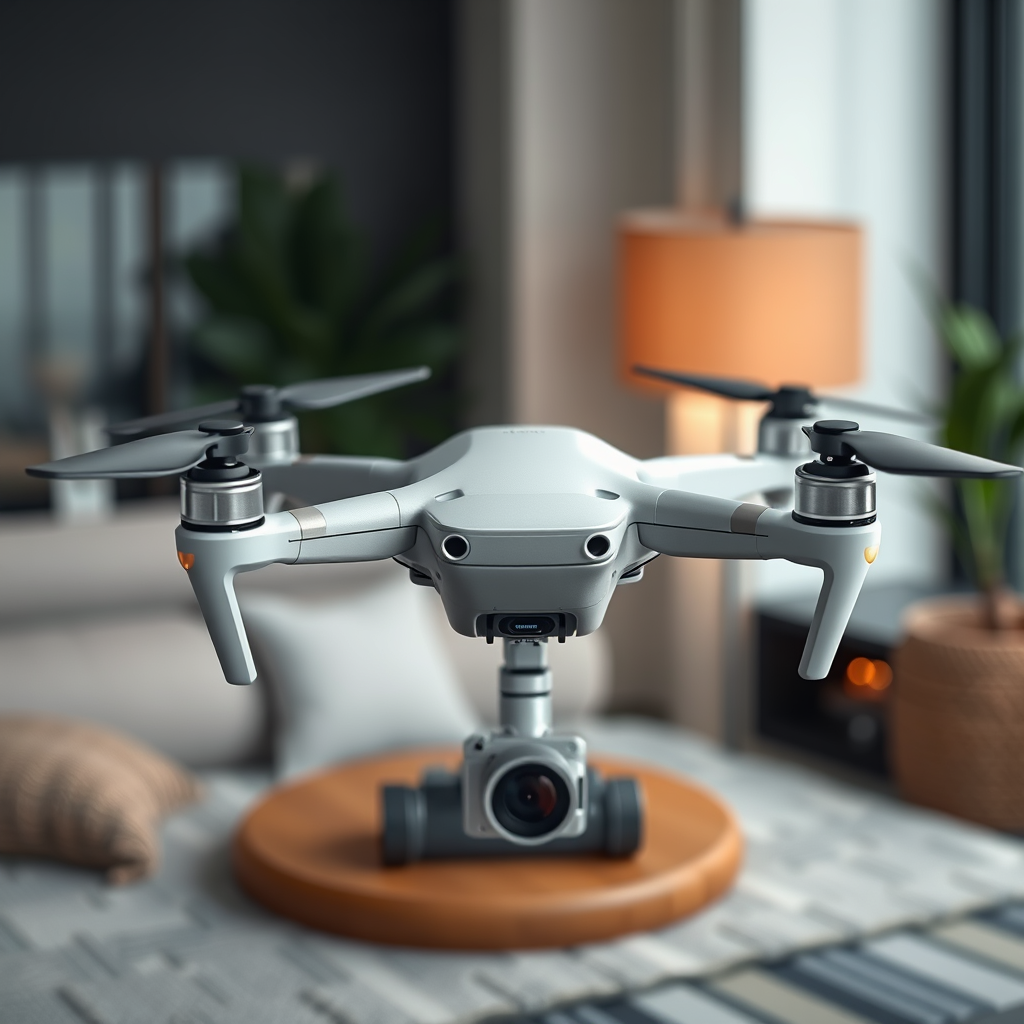
Drone cameras can typically see between 1 to 3 miles under ideal conditions, depending on various factors including camera quality, altitude, and environmental conditions. This range can be influenced significantly by technological advancements and external circumstances. As drone technology continues to evolve, understanding the factors that determine visibility and effective range is crucial for both hobbyists and professionals who rely on these devices for aerial photography, surveillance, or emergency responses.
Understanding Drone Camera Specifications
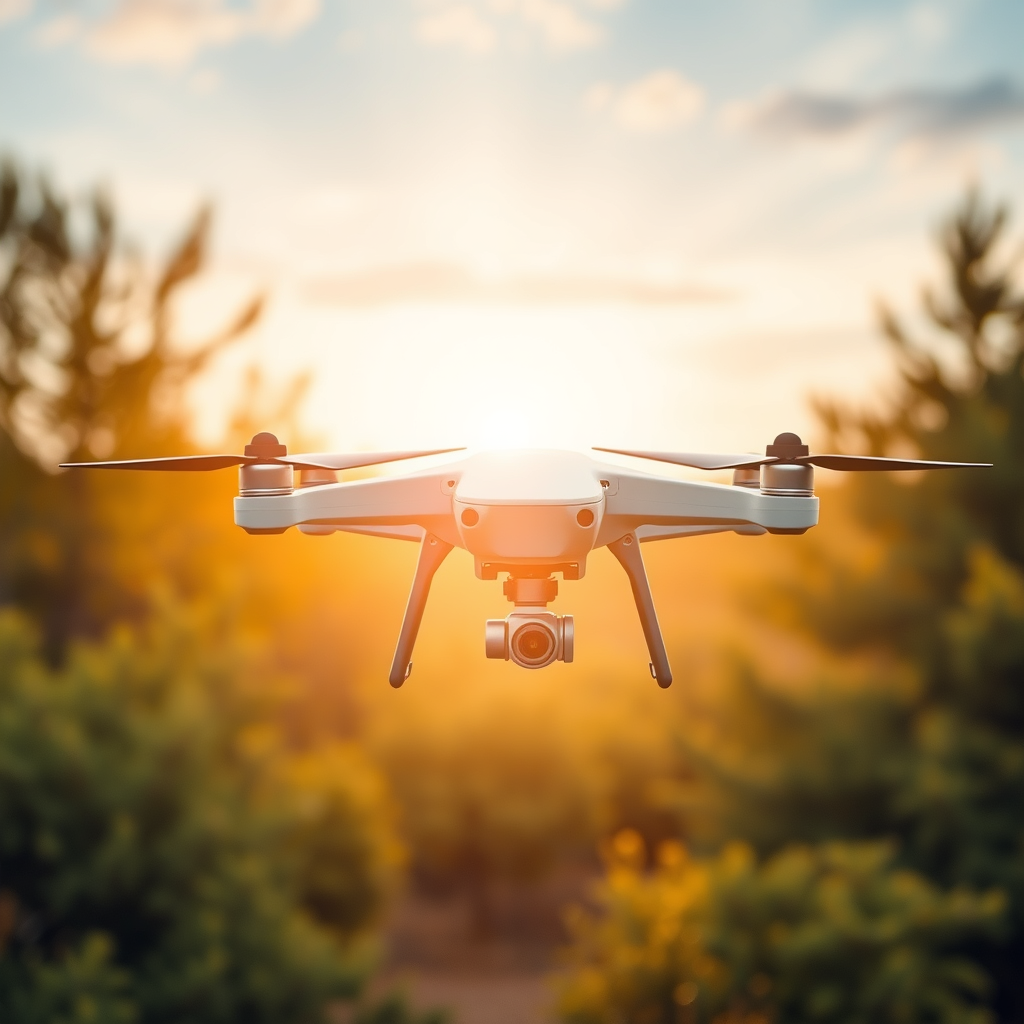
The specifications of drone cameras are fundamental in determining how far they can effectively see. Resolution and lens quality are pivotal elements in this equation. Higher resolution cameras can capture more detail, which becomes increasingly important as distance increases. For instance, a drone equipped with a 4K camera will provide clearer images from greater distances compared to one with a lower resolution. Additionally, lens quality—specifically the type of lens and its aperture—affects light intake and image sharpness. Wide-angle lenses can encompass a broader scene but may sacrifice detail at long distances, whereas telephoto lenses can capture fine details but with a narrower field of view.
Moreover, different drones come with varying sensor capabilities, which can affect visibility range. Drones equipped with larger sensors typically perform better in low light conditions, allowing for clearer images even at dusk or dawn. For example, professional drones like the DJI Mavic 3 utilize advanced sensors that enhance their visibility capabilities, enabling users to capture high-quality imagery from significant distances.
Factors Affecting Visibility Range
Several factors impact the visibility range of drone cameras, with altitude and weather conditions being among the most significant. Flying at higher altitudes generally provides a broader view, allowing the camera to capture more extensive landscapes and details that would otherwise be obstructed from lower elevations. For instance, a drone flying at 400 feet may have a clear line of sight over a range of 3 miles, depending on environmental conditions.
Conversely, adverse weather conditions can severely limit visibility. Fog, rain, and heavy cloud cover scatter light and obscure the camera’s line of sight. Even slight precipitation can reduce the effective range to mere hundreds of yards. Additionally, atmospheric conditions like humidity and temperature can impact how clearly a drone camera can see. Understanding these factors is crucial for operators who wish to optimize their drone’s performance.
Types of Drone Cameras
The type of drone camera significantly influences how far it can see. Consumer drones, often used by hobbyists, are typically limited to a visibility range of 1-2 miles. This limitation is primarily for safety and regulatory reasons. Many consumer drones are designed with built-in safety features to prevent them from flying too far from the operator’s line of sight, which is mandated by regulatory bodies like the FAA.
On the other hand, professional drones are engineered with advanced technology, enabling them to reach longer distances and provide enhanced visibility capabilities. For example, drones used in commercial applications, such as the DJI Phantom 4 RTK, can effectively see and transmit images from 3 to 5 miles under optimal conditions. These drones often feature advanced stabilization systems, high-resolution cameras, and extended battery life, making them ideal for tasks that require long-range visibility.
Real-World Applications
Drone cameras have a wide range of real-world applications, largely driven by their visibility capabilities. Aerial photography is one of the most popular uses, allowing photographers to capture stunning landscapes, events, and real estate from a vantage point that is otherwise unattainable. In this context, the ability to see several miles away can transform the quality and scope of visual storytelling.
Moreover, drones have proven invaluable in search and rescue operations. Their ability to cover large areas quickly makes them essential tools for locating missing persons in remote locations. For example, during natural disasters, drones equipped with thermal imaging cameras can identify heat signatures from several miles away, enabling rescuers to locate survivors efficiently. This application highlights the critical role that visibility plays in enhancing the effectiveness of emergency response strategies.
Regulatory Considerations
Regulatory considerations are another crucial aspect of drone visibility. In the United States, the FAA imposes strict regulations on drone operations, often limiting flight distances to ensure safety. These regulations are designed to prevent drones from flying beyond the visual line of sight of the operator, which can significantly restrict the effective range of consumer drones.
Additionally, understanding no-fly zones is vital for drone operators. Certain areas, such as airports and military installations, are off-limits to drones, which can impact where and how far a drone can be flown. Compliance with these regulations not only ensures the safety of other airspace users but also helps drone operators avoid penalties and fines.
Enhancing Drone Camera Visibility
To maximize the visibility of drone cameras, operators can consider a few enhancements. Upgrading to high-quality lenses can greatly improve sight distance and image clarity. For instance, investing in a high-grade lens with superior optical performance can make a significant difference in the quality of images captured from a distance.
Furthermore, utilizing signal boosters can enhance both transmission range and image quality. Drones often rely on radio signals to transmit video feeds back to the operator in real-time. By using signal boosters, operators can extend the range of these signals, reducing the likelihood of losing connection and allowing for smoother operation over longer distances.
In conclusion, while drone cameras can typically see up to several miles, their effective range is influenced by various factors such as technology, environmental conditions, and regulations. Understanding these elements can help users maximize their drone’s potential and select the right equipment for their needs. By exploring different drone options and considering enhancements, operators can significantly improve their visibility capabilities, ultimately leading to better outcomes in both recreational and professional applications.
Frequently Asked Questions
What factors affect how far a drone camera can see?
The distance a drone camera can see is influenced by several factors, including the camera’s resolution, lens type, and the drone’s altitude. Additionally, environmental conditions like weather, lighting, and obstacles such as trees or buildings may limit visibility. High-resolution cameras and advanced zoom capabilities can enhance the viewing distance, allowing for clearer images from greater heights.
How far can consumer drones typically see?
Most consumer drones equipped with standard cameras can see clearly up to a few hundred meters, depending on the model and camera quality. For instance, drones like the DJI Mavic series can capture sharp images up to 4 kilometers away in optimal conditions. However, the effective viewing distance is often shorter in practice, affected by factors such as interference and local regulations.
Why do drone camera visibility ranges vary so much?
Drone camera visibility ranges vary due to differences in camera specifications, such as megapixels and lens quality, which can dramatically affect image clarity over distances. Additionally, flight altitude plays a critical role; higher altitudes generally allow for wider fields of view but may also introduce distortion or loss of detail. Furthermore, varying atmospheric conditions can impact visibility, particularly in foggy or hazy environments.
What is the best drone camera for long-distance visibility?
The best drone camera for long-distance visibility is typically one that combines a high-resolution sensor with a powerful optical zoom lens. Drones like the DJI Phantom 4 Pro or the Autel Robotics EVO Lite+ are renowned for their advanced camera systems, offering up to 1-inch sensors and 4K video capabilities. These features enhance image quality and clarity, making them ideal for capturing distant subjects clearly.
Which regulations impact how far a drone camera can effectively operate?
Various regulations can impact the effective operating range of drone cameras, particularly in terms of line-of-sight requirements dictated by aviation authorities like the FAA in the United States. Operators are required to maintain visual contact with their drone, which typically limits how far a drone can fly or see. Additionally, restricted airspace, no-fly zones, and local laws may further affect operational distances and require users to stay informed about legal guidelines.
References
- https://en.wikipedia.org/wiki/Drone_camera
- https://www.nytimes.com/2020/10/10/technology/drone-technology.html
- https://www.faa.gov/uas/
- https://www.reuters.com/technology/drones-are-changing-how-we-see-world-2021-09-01/
- https://www.sciencedirect.com/science/article/pii/S2352914821001035
- https://www.ncbi.nlm.nih.gov/pmc/articles/PMC6629503/
- https://www.techcrunch.com/2021/06/15/how-far-can-drones-see/
