
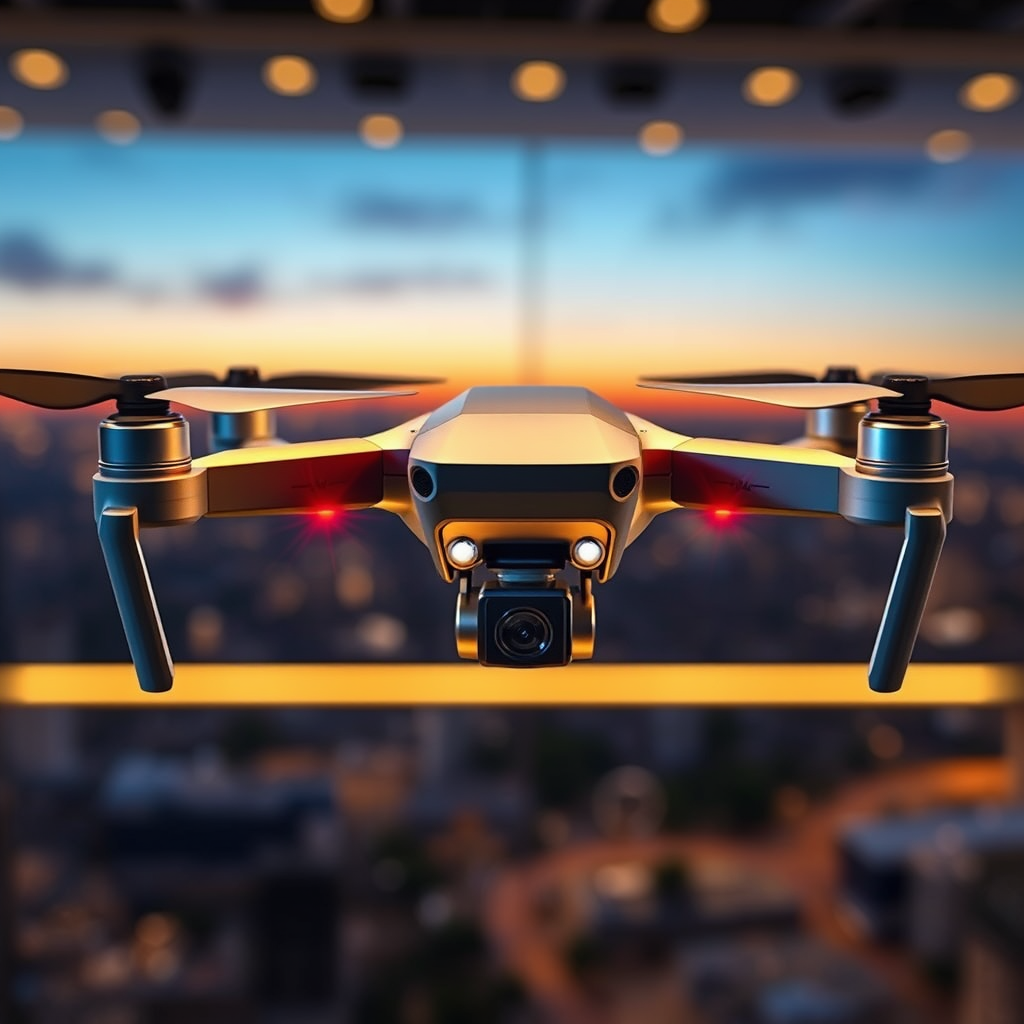
Drones can typically fly anywhere from a few hundred meters to several kilometers, depending on various factors such as technology, battery life, and regulations. Understanding these parameters is crucial for both hobbyists and professionals who wish to maximize the utility of their drones. This article delves into the different aspects that influence how far a drone can travel, providing insights for enthusiasts and potential users alike.
Understanding Drone Types
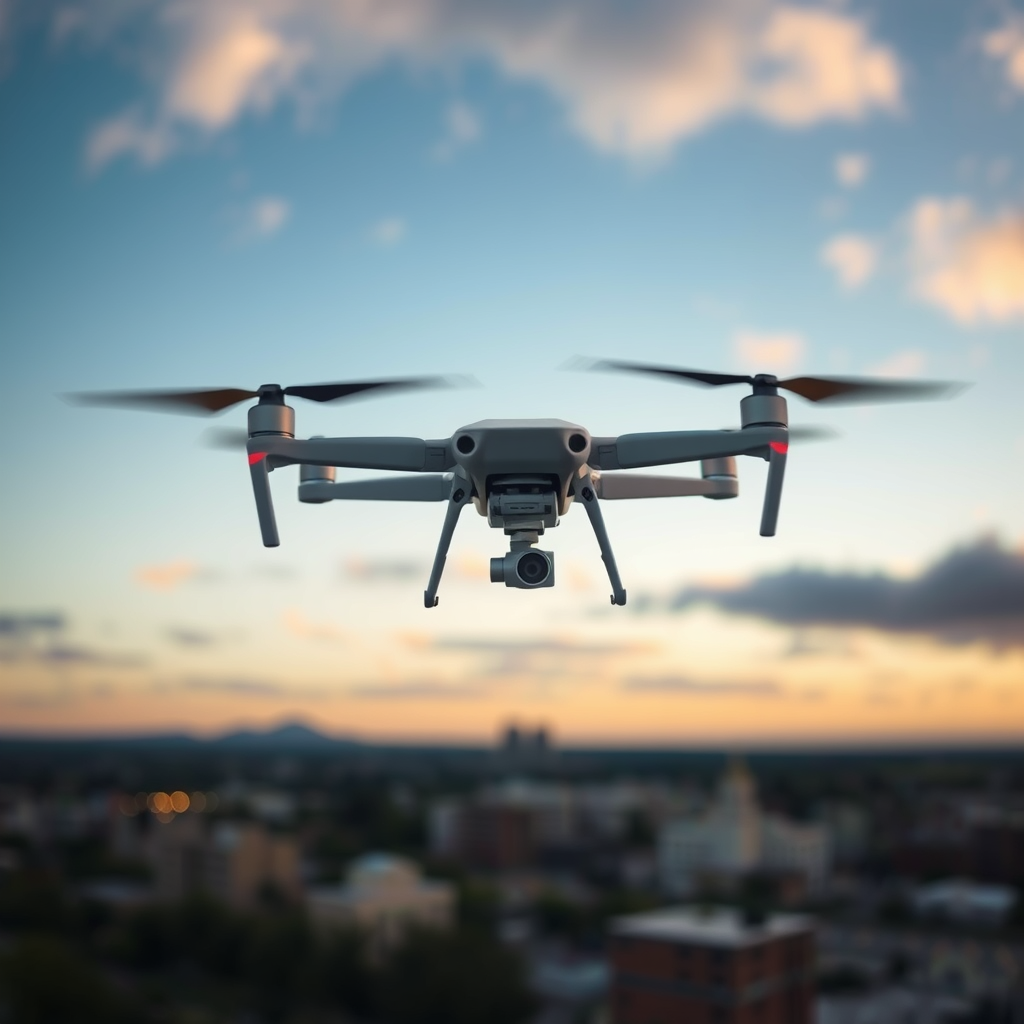
Drones come in various types, each designed for specific use cases and capable of different flight distances.
– Consumer Drones: These are the most common drones found in the market, often purchased by hobbyists or casual users. Consumer drones generally have a limited range, typically between 1 to 2 kilometers. This range is sufficient for casual photography, recreational flying, and basic aerial tasks. Popular models such as the DJI Mini 2 or the Parrot Anafi exemplify consumer drones, offering user-friendly interfaces and decent battery life for short-range flights.
– Professional Drones: Designed for commercial applications, professional drones can cover significantly greater distances, often ranging from 5 to 10 kilometers or more. These drones are equipped with advanced technologies, including high-capacity batteries and robust communication systems. For instance, the DJI Matrice 300 RTK is a professional-grade drone that can operate over extended distances, making it ideal for applications like surveying, search and rescue, and industrial inspections.
Understanding the type of drone you are using is essential for anticipating its capabilities and planning effective flight operations.
Factors Affecting Flight Distance
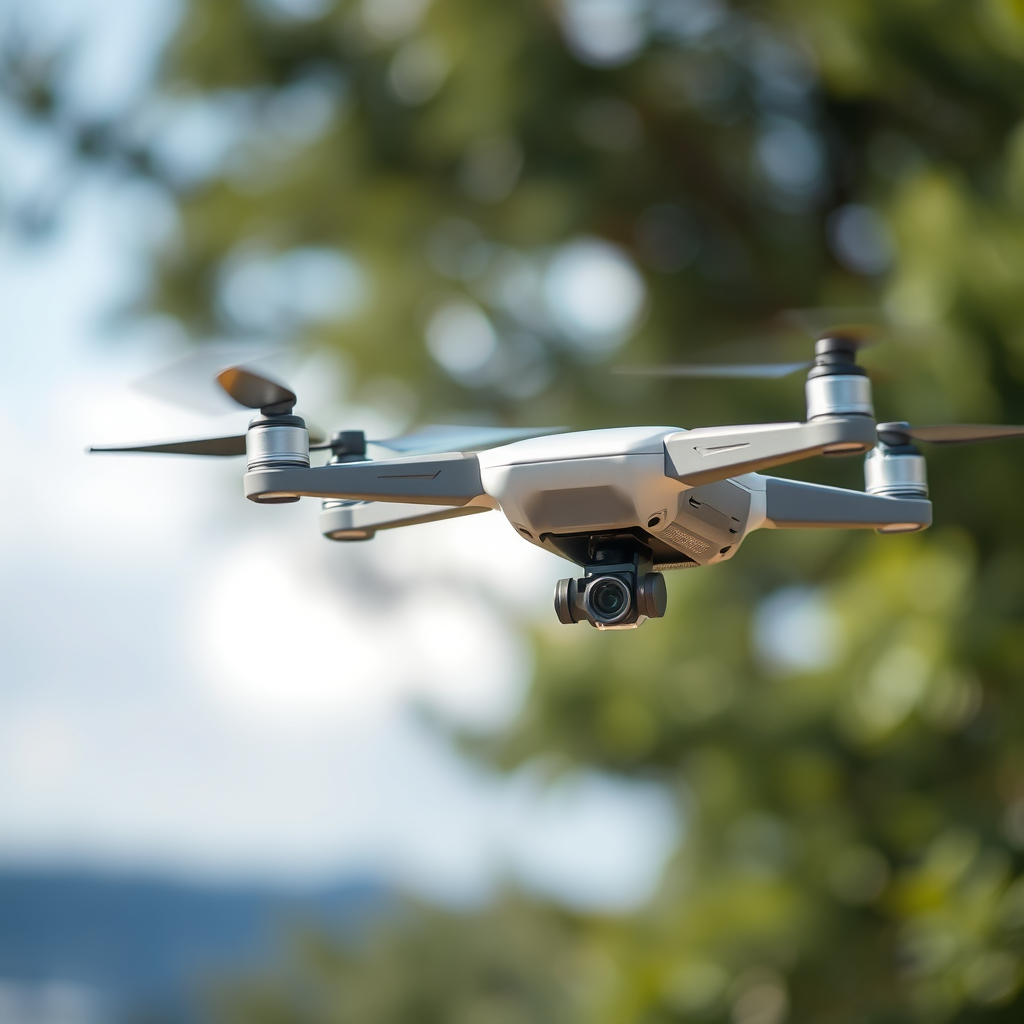
Several key factors play a significant role in determining how far a drone can fly.
– Battery Life: Battery capacity is arguably the most critical aspect influencing a drone’s flight distance. Drones are typically powered by lithium-polymer (LiPo) batteries, which have varying capacities measured in milliampere-hours (mAh). Higher-capacity batteries can sustain longer flight times, which directly correlates to increased distance. For example, while a consumer drone may have a flight time of around 20 to 30 minutes, a professional drone with a larger battery can achieve flight times exceeding 60 minutes, thereby extending its range.
– Signal Strength: The connection between the drone and its controller is vital for maintaining control and receiving telemetry data. Drones operate using various transmission technologies, including Wi-Fi and radio frequency (RF). Signal strength can be affected by environmental interference, obstacles, and the quality of the drone’s communication system. For instance, drones utilizing advanced RF technology can maintain a stable connection over longer distances, enabling users to fly beyond visual line of sight (BVLOS) under specific conditions.
Legal Limitations
When operating drones, compliance with legal regulations is paramount and can significantly affect flight distance.
– FAA Regulations: In the United States, the Federal Aviation Administration (FAA) mandates that drones must remain within the operator’s visual line of sight (VLOS). This regulation limits the practical flight distance for hobbyists and commercial operators alike, generally to about 1-2 kilometers. Additionally, drone operators must be aware of restricted airspace and no-fly zones, which can further limit where they can fly.
– Country-Specific Rules: Regulations can vary significantly between countries. For instance, in the European Union, drone operators must adhere to the European Union Aviation Safety Agency (EASA) regulations, which also emphasize VLOS but allow for more stringent or relaxed rules depending on the country. In some regions, advanced licenses may permit BVLOS operations, allowing for longer flights under specific circumstances.
Understanding and adhering to these legal frameworks is crucial for safe and responsible drone operation.
Environmental Influences
Environmental conditions can greatly impact a drone’s performance and effective range.
– Weather Conditions: Factors such as wind speed, precipitation, and temperature can affect how well a drone operates. High winds can lead to unstable flights and reduced battery efficiency, while rain can damage sensitive electronic components. For example, flying a drone in windy conditions may reduce its effective range as it struggles against headwinds, consuming more battery power.
– Terrain: The landscape over which a drone is flying also influences its range. Flying over mountainous regions, dense forests, or urban environments can lead to signal loss or flight path obstructions. Drones equipped with obstacle avoidance systems can mitigate some of these risks, but operators must still consider terrain when planning their flights.
Enhancing Drone Range
For those looking to extend their drone’s flight capabilities, several options are available.
– Upgrading Components: Investing in high-capacity batteries and advanced communication systems can significantly enhance a drone’s flight range. Many manufacturers offer aftermarket batteries that provide longer flight times, while upgraded antennas can improve signal strength, allowing for more stable long-distance operations.
– Using Range Extenders: Range extenders are devices designed to amplify the signal between the drone and its controller. These can be particularly useful in urban environments where interference is common. Additionally, some drones allow for firmware upgrades that improve range and performance, making it essential for users to stay informed about their equipment.
Real-World Applications
Drones have found applications across various industries, necessitating the need for longer flight distances.
– Surveying and Mapping: Drones are increasingly used in industries such as construction and agriculture for surveying large areas. They can cover extensive distances quickly, capturing high-resolution images and data that are essential for project planning and management. For example, companies like senseFly utilize drones for aerial mapping and surveying, allowing for the collection of data over vast tracts of land, often exceeding 10 kilometers in distance.
– Delivery Services: The potential for drone delivery is a hot topic among logistics companies. Companies like Amazon and UPS are testing drone delivery systems that require longer flight capabilities to effectively reach customers in urban and rural settings. These systems are designed to operate efficiently over distances that may exceed traditional delivery methods, making them a promising innovation in last-mile logistics.
In conclusion, understanding how far a drone can fly involves considering its type, battery life, regulations, and environmental factors. For those interested in maximizing their drone’s potential, exploring upgrades and adhering to legal guidelines is essential. Whether for hobby or professional use, knowing the limits can help you make informed decisions about your drone flights. As drone technology continues to evolve, the possibilities for extending range and enhancing functionality will only expand, paving the way for exciting new applications in various industries.
Frequently Asked Questions
What factors determine how far a drone can fly?
The distance a drone can fly is influenced by several factors including battery life, drone model, weight, weather conditions, and signal range. Higher-end drones typically have longer flight ranges, often exceeding 5 miles, while budget models might only reach 1-2 miles. Additionally, environmental factors like wind speed and obstacles can significantly affect a drone’s flying distance.
How can I extend the flying distance of my drone?
To extend your drone’s flying distance, consider upgrading the battery to a higher capacity version or utilizing extended-range antennas. Additionally, flying in optimal weather conditions, minimizing payload weight, and ensuring a clear line of sight can enhance range. Regular maintenance and firmware updates can also improve performance and reliability.
Why do some drones have shorter flight ranges than others?
Drones have varying flight ranges primarily due to differences in design, technology, and intended use. For instance, consumer drones are typically designed for ease of use and therefore have shorter ranges compared to professional drones that are engineered for long-distance flights. The transmission technology, such as Wi-Fi versus radio frequency, also plays a critical role in determining range.
What is the average flight range of consumer drones?
The average flight range of consumer drones generally falls between 1 to 5 miles. Entry-level drones might have a range of around 1 mile, while advanced models from popular brands like DJI can reach 5 miles or more under optimal conditions. Always check the manufacturer’s specifications for precise distance capabilities.
Which drones offer the best flight range for long-distance photography?
For long-distance photography, drones like the DJI Mavic Air 2 and the DJI Phantom 4 Pro are excellent choices, offering ranges of up to 6 miles and advanced camera capabilities. Other options, such as the Autel Robotics EVO Lite+, also provide impressive flight ranges and high-quality imaging. When selecting a drone, consider the combination of range, camera quality, and stability for capturing stunning aerial shots.
References
- https://en.wikipedia.org/wiki/Drone_flight_range
- https://www.faa.gov/uas/getting_started/remote_pilot/
- https://www.nytimes.com/2022/02/03/technology/drones-range.html
- https://www.reuters.com/technology/drones-are-flying-further-you-think-2021-09-15/
- https://www.ncbi.nlm.nih.gov/pmc/articles/PMC7358946/
- https://www.sciencedirect.com/science/article/pii/S2351978921000343
- https://www.theguardian.com/technology/2020/jan/11/drones-flying-farther-advancements-technology
- https://www.techrepublic.com/article/what-you-need-to-know-about-drone-range-and-flight-time/
